sredstva za brodove od nehrđajućeg čelika
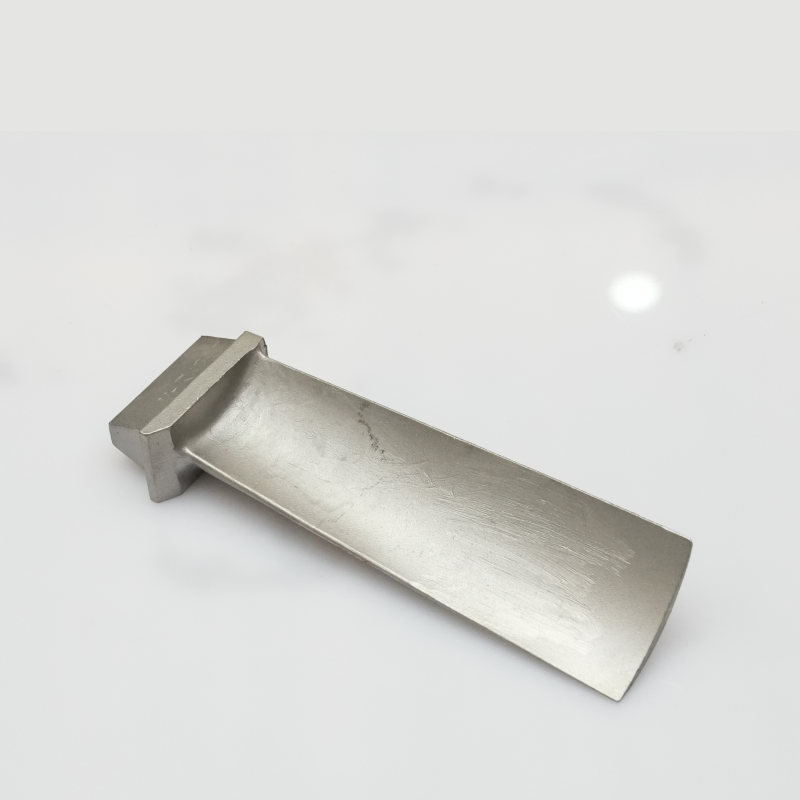
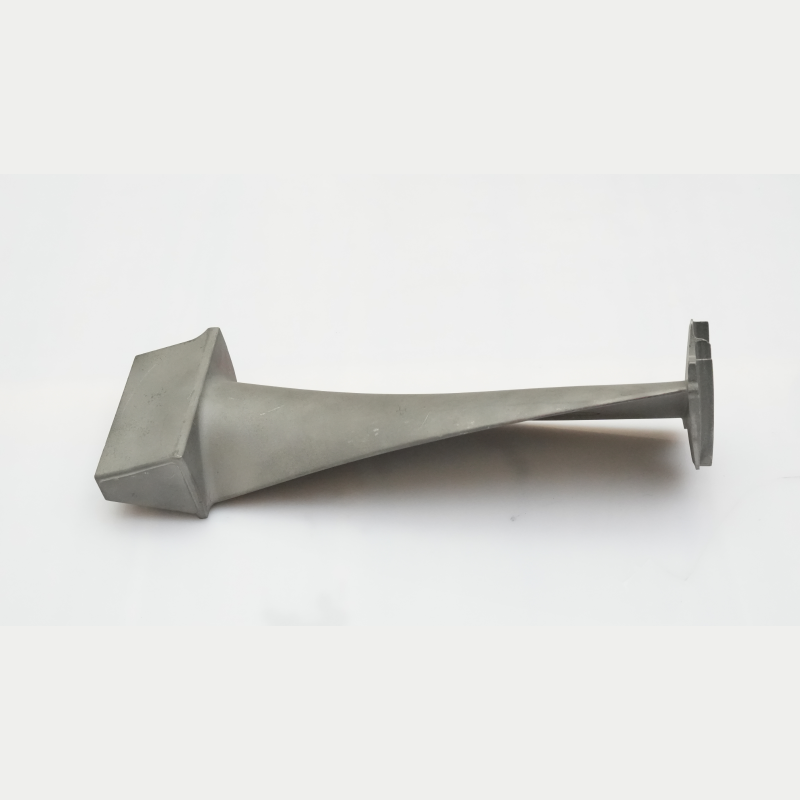
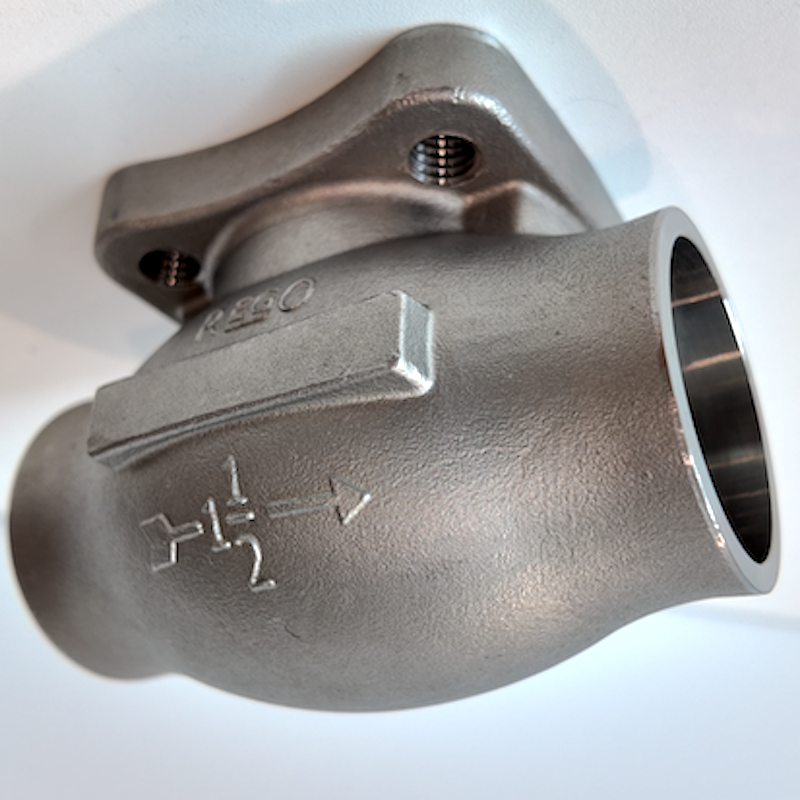
U skladu s člankom 21. stavkom 1. točkom (a) Uredbe (EZ) br. 2111/2005, za plovila svih veličina potrebno je osigurati da su u skladu s člankom 21. stavkom 1. Ova specijalizirana oprema obuhvaća širok spektar proizvoda uključujući čepove, šarene, bravuše, ograde, sidra, police i sisteme za pričvršćivanje koji imaju kritične uloge u radu i sigurnosti čamca. Glavna funkcija opreme za brodove od nehrđajućeg čelika je pružanje izdržljivih priključaka, strukturne podrške i operativnih mehanizama koji pomorcima i vlasnicima brodova omogućuju da osiguraju linije, upravljaju jedrom, stabiliziraju opremu i održavaju integritet broda tijekom svojih pomorskih avantura. Tehnološke značajke moderne opreme za čamce od nehrđajućeg čelika uključuju precizne proizvodne procese koji osiguravaju dosljednu kvalitetu, površinske tretmane otporne na koroziju koje produžavaju životni vijek proizvoda i inženjerske dizajne koji optimiziraju omjer snage prema težini za poboljšane performanse U sastavu materijala obično se koriste legure od nehrđajućeg čelika morskog kvaliteta, posebno 316 i 304 klase, koje sadrže elemente hroma i molibdena koji formiraju zaštitne slojeve oksida koji sprečavaju hrđa i degradaciju kada su izloženi slanoj vodi, vlaži i ultraljubičasto Aplikacije za strojnu opremu za čamce od nehrđajućeg čelika obuhvaćaju rekreaciono plovidbu, komercijalno ribolovno djelovanje, izgradnju jahti, opremu jedrilica, pribor motornih čamca, instalacije u dokovima i projekte pomorske infrastrukture. Vlasnici brodova oslanjaju se na te komponente za svakodnevne poslove kao što su sigurno pričvršćivanje svojih brodova na marina, pričvršćivanje sigurnosne opreme, postavljanje navigacijskih instrumenata, povezivanje ljestvica za ukrcavanje i jačanje strukturnih elemenata koji su pod stalnim stresom zbog djelovanja Raznolikost opreme za brodove od nehrđajućeg čelika čini je neophodnom za nove projekte izgradnje brodova i nadogradnje kad starije komponente zahtijevaju zamjenu kako bi se održala plovidba i operativna pouzdanost u zahtjevnim pomorskim uvjetima.

 EN
EN