Custom Metal Parts Manufacturer - Precision Fabrication Services for All Industries

Get a Free Quote

Our representative will contact you soon.
Email
Name
Company Name
Message
0/1000

custom metal parts manufacturer

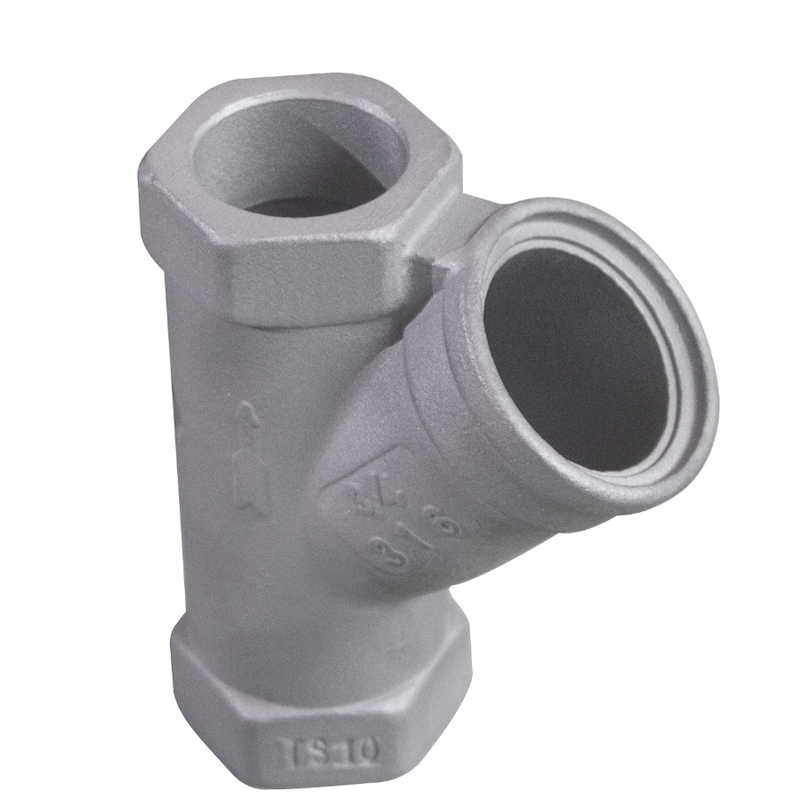
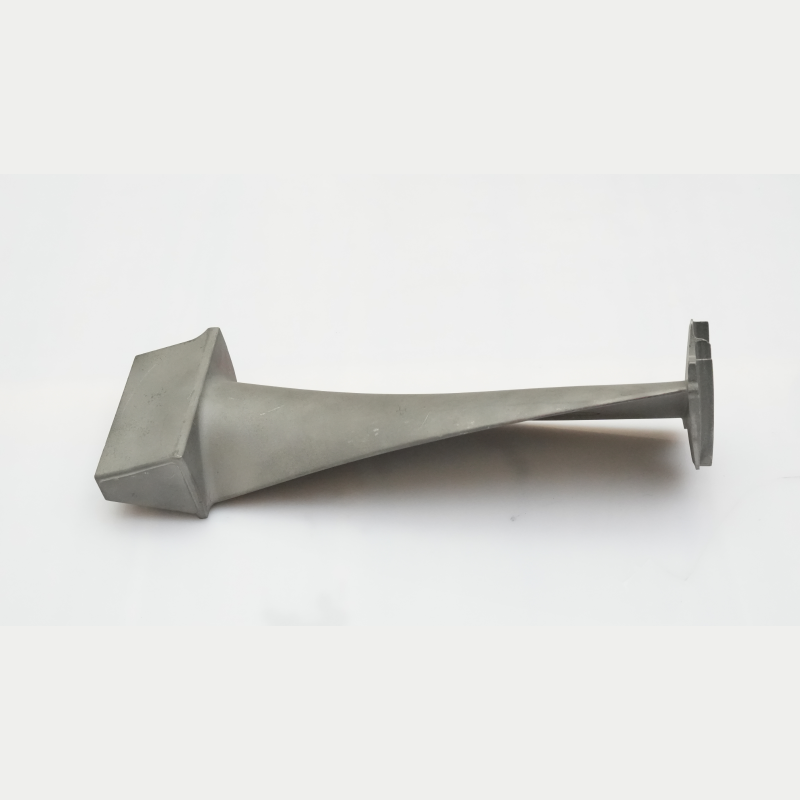
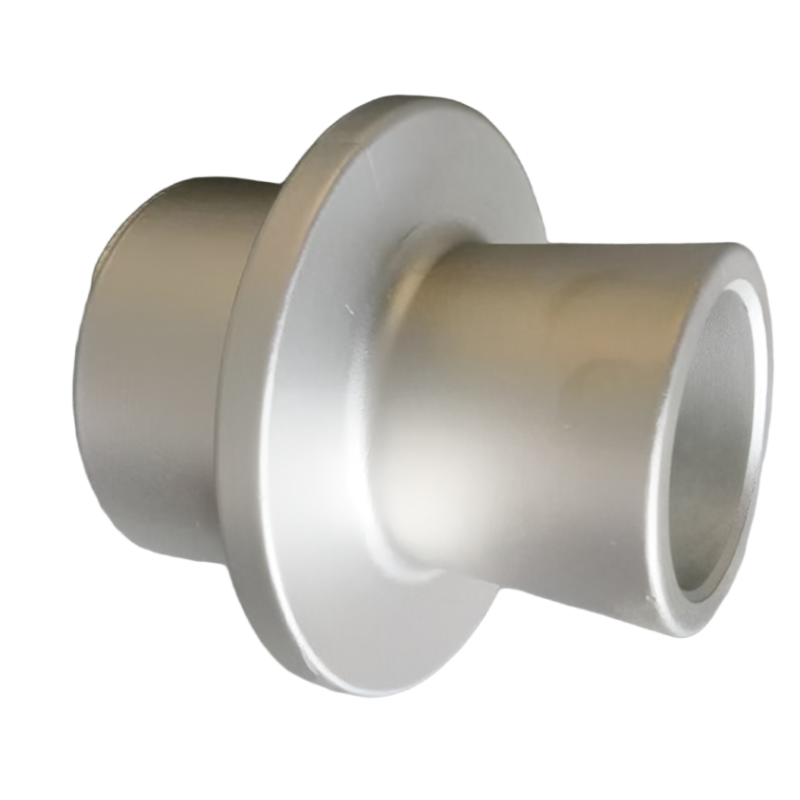
A custom metal parts manufacturer serves as a vital partner for businesses across diverse industries requiring precision-engineered metal components tailored to exact specifications. These specialized facilities combine advanced manufacturing technologies with expert craftsmanship to transform raw metal materials into finished parts that meet rigorous quality standards. The primary function of a custom metal parts manufacturer revolves around converting client designs and blueprints into physical metal components through various fabrication processes including CNC machining, stamping, casting, forging, laser cutting, and welding. Modern custom metal parts manufacturer operations utilize computer-aided design software and computer-aided manufacturing systems to ensure dimensional accuracy and repeatability across production runs of any size. Technological features that distinguish leading manufacturers include multi-axis CNC machining centers capable of complex geometries, automated quality inspection systems using coordinate measuring machines, and integrated production management software that tracks projects from initial quote through final delivery. These facilities work with an extensive range of metals and alloys including stainless steel, aluminum, brass, copper, titanium, and various specialty alloys selected based on application requirements such as corrosion resistance, strength-to-weight ratios, thermal conductivity, or electrical properties. Applications for custom metal parts span numerous sectors including aerospace where precision components must withstand extreme conditions, automotive manufacturing requiring high-volume production of consistent parts, medical device fabrication demanding biocompatible materials and strict tolerances, industrial machinery needing durable replacement components, electronics requiring heat sinks and enclosures, and construction projects utilizing structural metal elements. The custom metal parts manufacturer provides prototyping services allowing clients to test designs before committing to full production, offers engineering consultation to optimize part design for manufacturability, and maintains quality certifications such as ISO standards to guarantee consistent output that meets industry regulations and customer expectations.

New Product Releases

Partnering with a custom metal parts manufacturer delivers substantial practical benefits that directly impact your bottom line and operational efficiency. First and foremost, you gain access to specialized equipment and expertise without the capital investment required to establish in-house metal fabrication capabilities, allowing you to redirect financial resources toward core business activities while still obtaining high-quality components. The flexibility offered by a custom metal parts manufacturer proves invaluable as your needs evolve, whether you require a single prototype for testing, a small batch for market validation, or large-scale production runs, with the ability to adjust order quantities based on actual demand rather than committing to minimum volumes that tie up inventory capital. Time savings represent another significant advantage, as experienced manufacturers streamline the path from concept to finished product through established workflows, reducing lead times compared to navigating the learning curve of new fabrication processes internally. Quality assurance built into professional manufacturing operations means every component undergoes rigorous inspection protocols, minimizing defect rates and the costly disruptions associated with part failures in your final products or assembly lines. Working with a dedicated custom metal parts manufacturer provides access to materials expertise, helping you select the optimal metal alloy for your specific application based on performance requirements, environmental conditions, and budget constraints, ensuring components deliver expected service life without over-engineering that inflates costs unnecessarily. The collaborative relationship with engineering teams at manufacturing facilities adds value through design optimization suggestions that improve part functionality, reduce material waste, simplify production processes, and ultimately lower per-unit costs while maintaining or enhancing performance characteristics. Scalability becomes seamless when your business grows or market demands shift, as established manufacturers possess the production capacity and supply chain relationships to ramp up output quickly without quality compromises. Risk mitigation emerges as a crucial benefit, since reputable manufacturers carry liability insurance, maintain safety protocols, and implement quality management systems that protect your business from potential issues associated with component failures. Geographic advantages allow you to source components locally or internationally based on cost considerations, lead time requirements, or supply chain resilience strategies. Additionally, ongoing technical support from your manufacturing partner ensures you can troubleshoot issues, refine designs for future iterations, and adapt to changing specifications throughout your product lifecycle, creating a sustainable partnership that extends beyond simple supplier transactions into strategic collaboration that supports long-term business success and competitive positioning in your marketplace.

Latest News

Basic Principles Of Design Of Precision Casting Gating System

11

May

Basic Principles Of Design Of Precision Casting Gating System

View More
Selection And Application Scope Of Hardness Tester

11

May

Selection And Application Scope Of Hardness Tester

View More
Stainless Steel Castings for Building Facade Systems

11

May

Stainless Steel Castings for Building Facade Systems

View More
Precision Stainless Steel Exhaust Manifold Casting Solution For Luxury Sedan - With Japanese First-Tier Car Brand

11

May

Precision Stainless Steel Exhaust Manifold Casting Solution For Luxury Sedan - With Japanese First-Tier Car Brand

View More

Get a Free Quote

Our representative will contact you soon.
Email
Name
Company Name
Message
0/1000

custom metal parts manufacturer

Advanced Precision Manufacturing Capabilities That Guarantee Exact Specifications

Advanced Precision Manufacturing Capabilities That Guarantee Exact Specifications

The cornerstone advantage of working with a professional custom metal parts manufacturer lies in their advanced precision manufacturing capabilities that consistently deliver components meeting exact specifications with tolerances measured in microns. Modern facilities invest millions in state-of-the-art equipment including five-axis CNC machining centers, Swiss-type screw machines, and electrical discharge machining systems that execute complex geometries impossible to achieve through manual methods or basic equipment. These sophisticated machines operate under computer control, eliminating human error variables and ensuring repeatability across thousands of identical parts in production runs. The custom metal parts manufacturer employs skilled programmers who translate engineering drawings into machine code, optimizing tool paths to minimize cycle times while maximizing surface finish quality and dimensional accuracy. Quality control integration represents a critical component of precision manufacturing, with coordinate measuring machines and optical inspection systems verifying dimensions throughout production rather than only checking finished parts, allowing real-time adjustments that prevent entire batches from falling outside specifications. Temperature-controlled environments maintain stable conditions that prevent thermal expansion or contraction of materials and machines, ensuring measurements remain valid and parts maintain consistent dimensions regardless of seasonal variations or daily temperature fluctuations. Tool management systems track cutting tool wear patterns and automatically replace bits before degradation affects part quality, while calibration schedules ensure measurement equipment maintains traceability to national standards. Material handling procedures prevent damage, contamination, or identification errors that could compromise component integrity, with lot tracking systems maintaining complete documentation of material certifications, processing parameters, and inspection results for every part produced. The custom metal parts manufacturer often maintains multiple certifications including AS9100 for aerospace, ISO 13485 for medical devices, and IATF 16949 for automotive applications, demonstrating their commitment to industry-specific quality requirements. This precision manufacturing capability translates directly into reduced assembly problems for customers, as parts fit together correctly the first time without manual fitting or adjustment, lowering labor costs and improving final product quality. Furthermore, precision components typically exhibit longer service lives because they operate within designed parameters, reducing friction, vibration, and stress concentrations that cause premature failures, ultimately providing better value through extended replacement intervals and enhanced reliability in demanding applications where component failure creates safety hazards or expensive downtime situations.
Comprehensive Material Selection Expertise for Optimal Performance

Comprehensive Material Selection Expertise for Optimal Performance

A distinguishing characteristic of an experienced custom metal parts manufacturer involves their comprehensive material selection expertise that guides customers toward optimal metal alloys for specific applications, balancing performance requirements against cost considerations to deliver maximum value. The material science knowledge accumulated through years of fabricating components for diverse industries enables these manufacturers to recommend alloys that many customers might not consider, potentially offering superior properties at competitive prices compared to default material choices. Stainless steel grades alone number in the hundreds, each formulated with specific alloying elements that impart distinct characteristics such as enhanced corrosion resistance in marine environments, improved machinability for complex geometries, or better high-temperature strength for thermal applications, and the custom metal parts manufacturer maintains familiarity with these variations to match materials precisely to operating conditions. Aluminum alloys present similar complexity with options ranging from pure aluminum offering maximum electrical conductivity to precipitation-hardened alloys delivering strength approaching steel while maintaining aluminum's light weight advantage, critical for aerospace and automotive applications where weight reduction directly improves fuel efficiency and performance. The manufacturer's material expertise extends beyond standard grades to specialty alloys including titanium for biocompatibility in medical implants, Inconel for extreme temperature resistance in jet engines, and copper alloys for superior thermal management in electronics cooling applications. Material testing capabilities within manufacturing facilities allow verification of mechanical properties through tensile testing, hardness measurement, and metallurgical analysis, ensuring supplied materials meet specifications and providing documentation required for critical applications subject to regulatory oversight. The custom metal parts manufacturer maintains relationships with metal suppliers and mills, accessing material certifications that trace chemistry and properties back to the original heat or batch, creating an unbroken documentation chain essential for aerospace, medical, and defense applications. Beyond selecting base materials, manufacturers provide guidance on heat treatment processes, surface treatments, and coatings that modify material properties to enhance wear resistance, reduce friction, improve corrosion protection, or alter electrical characteristics. Economic considerations factor prominently into material selection recommendations, as manufacturers understand how material costs, machinability, and availability affect total part cost, suggesting alternatives that meet performance requirements while improving price competitiveness. Environmental operating conditions receive careful evaluation, ensuring selected materials withstand temperature extremes, chemical exposures, humidity levels, and mechanical stresses encountered during service life without degradation that compromises functionality or safety. This comprehensive material expertise ultimately protects customers from costly mistakes associated with inappropriate material selection, prevents field failures that damage reputations and trigger warranty claims, and optimizes product performance in ways that create competitive advantages in the marketplace through superior reliability and longevity.
Flexible Production Scalability From Prototype Through High-Volume Manufacturing

Flexible Production Scalability From Prototype Through High-Volume Manufacturing

The flexible production scalability offered by a capable custom metal parts manufacturer represents tremendous value for businesses at any stage of product development or market maturity, providing seamless transitions from initial prototype fabrication through high-volume manufacturing without changing suppliers or requalifying components. This continuity proves especially beneficial during product development phases when designs undergo iterative refinement based on testing results and customer feedback, as the manufacturer maintains familiarity with part history, design intent, and previous manufacturing challenges, accelerating modifications and reducing engineering time required to implement changes. Prototype services typically utilize quick-turn manufacturing processes including CNC machining from solid stock, 3D printing of metal parts through additive manufacturing technologies, or short-run casting methods that produce functional prototypes without expensive tooling investments, allowing designers to validate form, fit, and function before committing to production processes. The custom metal parts manufacturer provides valuable design for manufacturability feedback during prototype stages, identifying potential production issues such as undercuts that complicate machining, wall thicknesses that create casting defects, or tolerances tighter than functionally necessary that inflate manufacturing costs, enabling design optimization that improves quality while reducing expenses. Bridge production capabilities support market introduction phases when demand remains uncertain, producing hundreds or thousands of parts using scalable processes that balance reasonable per-unit costs against tooling investments that only make economic sense at higher volumes, preventing situations where success becomes constrained by inability to fulfill orders or where excess inventory sits unsold because market projections proved optimistic. As demand grows, the manufacturer transitions production to high-efficiency processes including progressive die stamping, automated machining cells, or high-pressure die casting that dramatically reduce per-unit costs through faster cycle times, reduced labor content, and material optimization, with the cost savings passed along to customers improving profit margins or enabling competitive pricing strategies. Production capacity planning ensures manufacturers can accommodate volume increases without compromising delivery schedules, whether through adding shifts, dedicating equipment lines, or expanding facilities, providing supply chain reliability that supports business growth without creating bottlenecks that limit market opportunities. Volume flexibility also works in reverse, as experienced custom metal parts manufacturer operations efficiently handle demand fluctuations caused by seasonal sales patterns, economic cycles, or product lifecycle stages, adjusting production schedules to match actual requirements without imposing minimum order quantities that force customers to carry excessive inventory carrying costs. Inventory management programs offered by many manufacturers include consignment arrangements, scheduled releases, and kanban systems that align component deliveries with assembly schedules, reducing warehouse space requirements and improving cash flow by deferring payment until parts are actually consumed in production. This scalability extends internationally, as established manufacturers often operate multiple facilities or maintain partner networks that provide geographic production flexibility, supporting global supply chain strategies, reducing transportation costs and lead times for regional markets, and creating redundancy that mitigates risks associated with natural disasters, political instability, or other disruptions that could interrupt single-source supply chains, ultimately providing the production flexibility and reliability that allows businesses to focus on their core competencies while trusting that component supply will scale appropriately to support whatever market success their products achieve.

Get a Free Quote

Our representative will contact you soon.
Email
Name
Company Name
Message
0/1000