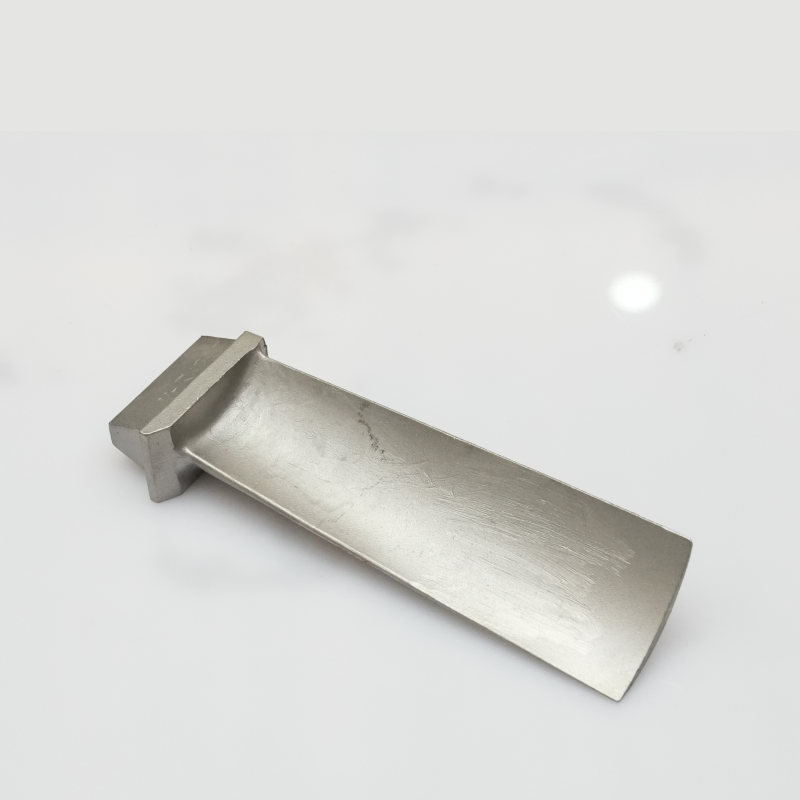
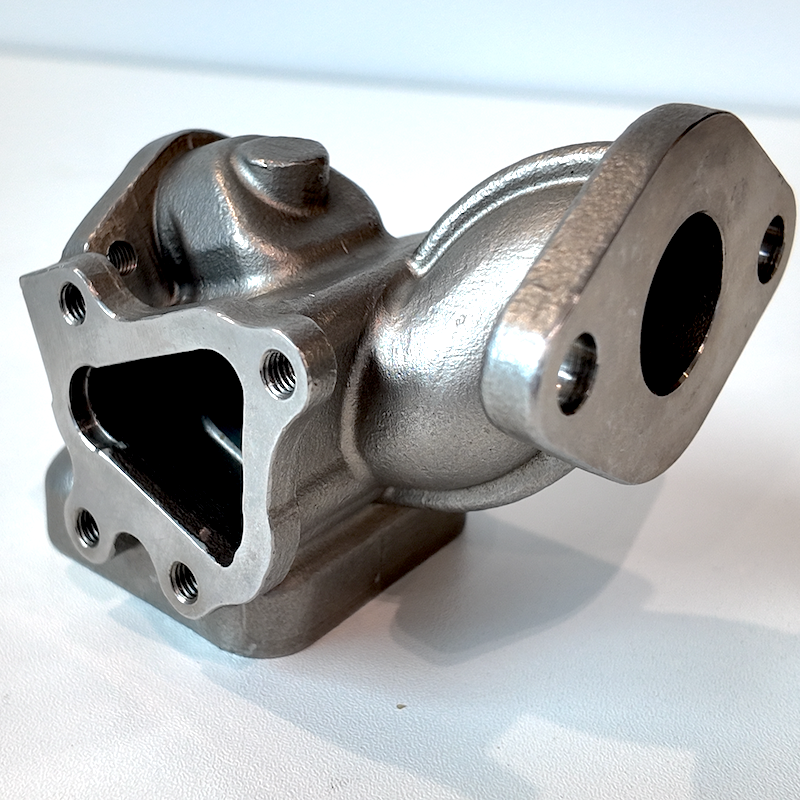
प्रामाणिक प्रदर्शन परीक्षण के लिए उत्कृष्ट सामग्री गुण
प्रोटोटाइप स्टील कास्टिंग द्वारा प्रदान की गई सामग्री की प्रामाणिकता उन कंपनियों के लिए अतुलनीय लाभ प्रदान करती है जो अपने उत्पादों के वास्तविक संचालन की स्थितियों के तहत वास्तविक प्रदर्शन मान्यता की आवश्यकता रखती हैं। स्टील की शक्ति, टिकाऊपन, तापमान प्रतिरोध और बहुमुखी प्रयोग के अद्वितीय संयोजन के कारण यह अनगिनत अनुप्रयोगों के लिए चुनी गई सामग्री है, और प्रोटोटाइप स्टील कास्टिंग सुनिश्चित करती है कि आपका परीक्षण उत्पादन की वास्तविकता को सटीक रूप से प्रतिबिंबित करे। जब आप प्रोटोटाइप स्टील कास्टिंग का चयन करते हैं, तो आप उन्हीं स्टील मिश्र धातुओं और ग्रेड्स के साथ काम करते हैं जो अंतिम उत्पादन में उपयोग किए जाएँगे—चाहे वह कार्बन स्टील, मिश्रित स्टील, स्टेनलेस स्टील हो या विशिष्ट प्रदर्शन आवश्यकताओं के लिए डिज़ाइन की गई विशेष मिश्र धातुएँ हों। यह सामग्री संगतता प्रतिस्थापन सामग्रियों में अंतर्निहित अनिश्चितता और अनुमान को समाप्त कर देती है, जिससे आपको यह विश्वास होता है कि परीक्षण के परिणाम सीधे उत्पादन प्रदर्शन में अनुवादित होंगे। कास्ट स्टील घटकों के यांत्रिक गुण—जैसे यील्ड स्ट्रेंथ (तन्यता सीमा), अल्टीमेट टेंसाइल स्ट्रेंथ (अधिकतम तन्य शक्ति), एलोंगेशन (तनन), और कठोरता—को मिश्र धातु चयन और ऊष्मीय उपचार प्रक्रियाओं के माध्यम से सटीक रूप से नियंत्रित किया जा सकता है। आपके प्रोटोटाइप स्टील कास्टिंग को उत्पादन भागों के समान ही ऊष्मीय उपचारों—जैसे ऐनीलिंग (ऊष्मीय शमन), नॉर्मलाइज़िंग (सामान्यीकरण), क्वेंचिंग (शीतलन) या टेम्परिंग (शमन)—के अधीन किया जा सकता है, जिससे सामग्री की सूक्ष्म संरचना और प्रदर्शन विशेषताएँ ठीक-ठीक मेल खाती हैं। यह क्षमता उन घटकों के लिए विशेष रूप से मूल्यवान सिद्ध होती है जो उच्च तनाव, चरम तापमान, संक्षारक वातावरण या कठोर घर्षण स्थितियों के अधीन होते हैं, जहाँ सामग्री का प्रदर्शन सीधे उत्पाद की विश्वसनीयता और सेवा जीवन को निर्धारित करता है। प्रोटोटाइप परीक्षण के दौरान स्टील कास्टिंग की आयामी स्थिरता भी सहिष्णुता विश्लेषण और गुणवत्ता नियंत्रण योजना के लिए सटीक डेटा प्रदान करती है। उन सामग्रियों के विपरीत जो महत्वपूर्ण तापीय प्रसार, नमी अवशोषण या समय-निर्भर आयामी परिवर्तन प्रदर्शित करती हैं, स्टील स्थिर ज्यामिति बनाए रखती है, जिससे सटीक माप और विनिर्देश सुधार संभव होता है। आपकी गुणवत्ता आश्वासन टीम वास्तविक निरीक्षण मानदंड स्थापित कर सकती है, उचित मापन विधियाँ निर्धारित कर सकती है और उन महत्वपूर्ण आयामों की पहचान कर सकती है जिनके लिए उत्पादन के दौरान विशेष ध्यान की आवश्यकता होती है। इसके अतिरिक्त, प्रोटोटाइप स्टील कास्टिंग प्रामाणिक सतह परिष्करण मूल्यांकन और उत्पादनोत्तर प्रसंस्करण विकास को सक्षम बनाती है। आप मशीनिंग, ग्राइंडिंग, कोटिंग आवेदन या प्लेटिंग जैसे विभिन्न परिष्करण संचालन का परीक्षण कर सकते हैं ताकि इष्टतम प्रक्रियाओं और गुणवत्ता मानकों का निर्धारण किया जा सके। प्रोटोटाइप निर्माण के दौरान आपके चुने गए स्टील मिश्र धातु की मशीनिंग योग्यता विशेषताएँ स्पष्ट हो जाती हैं, जिससे आप उत्पादन शुरू होने से पहले कटिंग पैरामीटर, औजार चयन और फिक्सचर डिज़ाइन को अनुकूलित कर सकते हैं। यह व्यापक सामग्री प्रामाणिकता सुनिश्चित करती है कि आपके उत्पाद विकास का प्रत्येक पहलू विश्वसनीय, प्रतिनिधित्वपूर्ण डेटा पर आधारित हो, न कि सैद्धांतिक मान्यताओं या प्रतिस्थापन सामग्री के अनुमानों पर।

 EN
EN