Prototype Steel Casting Services - Rapid Metal Component Development Solutions

Get a Free Quote

Our representative will contact you soon.
Email
Name
Company Name
Message
0/1000

prototype steel casting

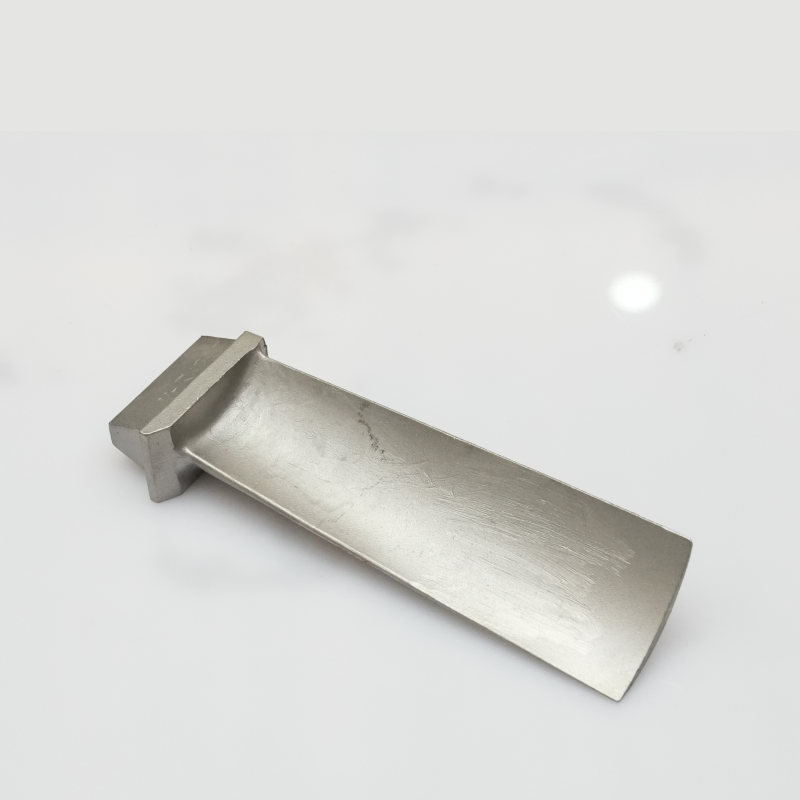
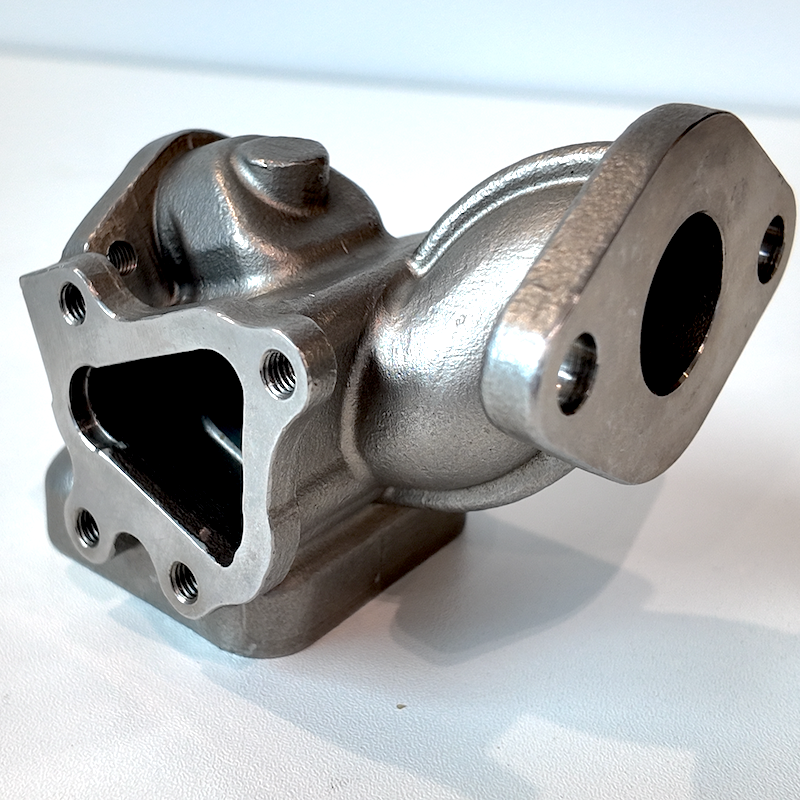
Prototype steel casting represents a transformative manufacturing solution that enables businesses to create functional metal components quickly and efficiently during the product development phase. This advanced process combines traditional steel casting techniques with modern rapid prototyping methods, allowing engineers and designers to produce small quantities of steel parts for testing, validation, and market evaluation before committing to full-scale production. The main function of prototype steel casting is to bridge the gap between initial design concepts and mass manufacturing, providing tangible metal parts that accurately reflect the intended final product. This process utilizes various steel alloys, including carbon steel, stainless steel, and tool steel, depending on the specific requirements of the application. The technological features of prototype steel casting include flexible mold-making techniques such as 3D-printed sand molds, rapid investment casting, and expendable pattern casting methods. These approaches significantly reduce the time and cost traditionally associated with creating production tooling, making it economically viable to produce anywhere from a single prototype to several hundred units. Modern prototype steel casting facilities employ computer-aided design integration, simulation software for predicting casting outcomes, and precision machining capabilities to ensure dimensional accuracy. Applications for prototype steel casting span numerous industries, including automotive development, aerospace engineering, medical device manufacturing, industrial machinery, energy sector components, and defense applications. In the automotive industry, engineers use prototype steel casting to test engine components, transmission housings, and structural elements before finalizing designs for mass production. Aerospace companies rely on this process to validate critical flight hardware and landing gear components. Medical device manufacturers utilize prototype steel casting for surgical instruments and implantable device components that require biocompatible steel alloys. The versatility of prototype steel casting makes it an indispensable tool for innovation-driven organizations seeking to reduce development timelines, minimize financial risk, and improve product quality through iterative physical testing and refinement.

New Products

Choosing prototype steel casting for your development projects delivers substantial practical benefits that directly impact your bottom line and product success. First and foremost, this approach dramatically reduces your time to market by eliminating the lengthy tooling development phase required for conventional casting methods. Where traditional processes might require twelve to sixteen weeks just to create production-ready molds, prototype steel casting can deliver functional parts in as little as two to four weeks. This acceleration allows your team to conduct physical testing earlier in the development cycle, identify potential design flaws before they become expensive problems, and iterate designs based on real-world performance data. The cost advantages are equally compelling, particularly for small batch production. By avoiding the substantial upfront investment in permanent tooling, which can range from tens of thousands to hundreds of thousands of dollars, you can allocate resources more strategically across multiple design iterations or different product variations. This financial flexibility proves especially valuable for startups, research institutions, and companies exploring new market segments where demand remains uncertain. Another significant advantage involves material authenticity. Unlike plastic prototypes or machined models from different metals, prototype steel casting produces parts from the actual steel alloys intended for final production. This material accuracy ensures that your testing results genuinely reflect how the component will perform in its intended application, including factors like strength, durability, thermal characteristics, and surface properties. Your engineering team gains confidence in design decisions based on authentic material behavior rather than theoretical approximations. The process also supports complex geometries that would be difficult or impossible to machine economically. Internal cavities, undercuts, intricate surface details, and consolidated assemblies become achievable without the constraints imposed by subtractive manufacturing methods. This design freedom encourages innovation and can lead to superior products with enhanced functionality and reduced assembly requirements. Furthermore, prototype steel casting provides a seamless transition to volume production. Once your design is validated and market demand is confirmed, the same casting approach scales efficiently to higher volumes with minimal process changes. This continuity reduces the technical risk often associated with transferring from prototype methods to production manufacturing, ensuring consistency in part quality and performance. The flexibility to choose from various steel grades, from standard carbon steels to specialized alloys with specific mechanical or corrosion-resistant properties, ensures that your prototypes accurately represent the material characteristics critical to your application. Additionally, prototype steel casting supports sustainability goals by minimizing material waste compared to machining processes that remove significant amounts of metal, and by enabling design optimization that can reduce the overall weight and material consumption of your final products.

Practical Tips

Basic Principles Of Design Of Precision Casting Gating System

11

May

Basic Principles Of Design Of Precision Casting Gating System

View More
The Role Of Elements In Castings And The Order Of Addition

11

May

The Role Of Elements In Castings And The Order Of Addition

View More
Stainless Steel Castings for Architectural Posts

11

May

Stainless Steel Castings for Architectural Posts

View More
Precision Stainless Steel Exhaust Manifold Casting Solution For Luxury Sedan - With Japanese First-Tier Car Brand

11

May

Precision Stainless Steel Exhaust Manifold Casting Solution For Luxury Sedan - With Japanese First-Tier Car Brand

View More

Get a Free Quote

Our representative will contact you soon.
Email
Name
Company Name
Message
0/1000

prototype steel casting

Rapid Development Cycles Enable Faster Innovation

Rapid Development Cycles Enable Faster Innovation

The exceptional speed of prototype steel casting fundamentally transforms how engineering teams approach product development, creating opportunities for innovation that simply were not practical under traditional manufacturing constraints. In conventional casting workflows, the requirement to design, manufacture, and validate permanent tooling creates a sequential bottleneck that can consume months of calendar time, during which design changes become prohibitively expensive and market opportunities may diminish. Prototype steel casting eliminates this constraint through the use of rapid tooling technologies that produce functional casting molds in a fraction of the traditional timeframe. Technologies such as 3D-printed sand molds, which can be produced directly from CAD files within days, enable a compressed development timeline that keeps pace with modern business requirements. This acceleration creates a competitive advantage by allowing your organization to respond quickly to market feedback, technological advances, or competitive pressures. Engineering teams can adopt an iterative development philosophy, producing multiple design generations within the time traditionally required for a single prototype cycle. Each iteration provides physical validation of design improvements, material performance, and manufacturing feasibility, building cumulative knowledge that leads to superior final products. The speed advantage extends beyond individual components to complete assemblies, where prototype steel casting allows teams to evaluate how multiple parts interact, identify interference issues, assess assembly procedures, and validate serviceability considerations. This comprehensive physical validation reduces the risk of costly post-launch modifications or field failures that damage brand reputation. For industries with seasonal market windows or time-sensitive product launches, the rapid turnaround of prototype steel casting can mean the difference between capturing market share and missing critical opportunities. Research and development departments benefit particularly from this speed, as scientists and engineers can quickly test theoretical concepts in physical form, validating hypotheses and exploring design alternatives without the financial and temporal penalties associated with traditional prototyping. The ability to hold actual steel components during design reviews enhances communication among cross-functional teams, facilitates stakeholder buy-in, and supports more informed decision-making than relying solely on computer renderings or virtual simulations. Manufacturing engineers gain early insight into production considerations, identifying potential casting challenges, machining requirements, or quality control concerns while design modifications remain simple and inexpensive. This collaborative approach, enabled by the accessibility of prototype steel casting, fosters organizational learning and builds institutional knowledge that improves not just the current project but future development initiatives as well.
Cost-Effective Solution for Limited Production Quantities

Cost-Effective Solution for Limited Production Quantities

The economic proposition of prototype steel casting becomes particularly compelling when organizations need functional steel components in quantities that fall between one-off custom fabrications and full production runs, a scenario increasingly common in modern manufacturing environments. Traditional casting economics are predicated on amortizing substantial tooling investments across thousands or tens of thousands of units, making small batch production financially impractical for many applications. Prototype steel casting disrupts this economic model by employing tooling methods that scale appropriately to production quantities, ensuring that per-unit costs remain reasonable even for limited runs. The expendable mold approaches used in prototype steel casting, including 3D-printed sand molds and rapid investment casting patterns, involve relatively modest setup costs that can be justified across production runs ranging from single units to several hundred pieces. This cost structure democratizes access to steel casting for organizations that previously would have been forced to choose between prohibitively expensive traditional casting or compromise solutions like machining from bar stock or fabricating from multiple welded components. For product development programs, the financial benefits extend beyond the direct part costs to encompass risk mitigation. By investing modestly in prototype steel casting rather than committing to expensive production tooling before design validation is complete, organizations protect themselves against the catastrophic costs associated with discovering fundamental design flaws after tooling is complete. The ability to produce functional prototypes economically enables testing programs that would otherwise be abandoned due to budget constraints, including destructive testing, field trials, customer evaluation programs, and certification testing. These validation activities provide invaluable data that improves final product quality and reduces warranty costs over the product lifecycle. Small and medium enterprises particularly benefit from the accessible economics of prototype steel casting, as it allows them to compete in markets previously dominated by larger corporations with deeper financial resources. Startups developing innovative products can produce professional-quality steel components for investor demonstrations, trade show displays, and pilot customer programs without exhausting limited capital reserves. Contract manufacturers and job shops find prototype steel casting enables them to offer customers a complete development partnership rather than simply production services, strengthening client relationships and creating additional revenue streams. The cost-effectiveness also supports exploration of market segments with uncertain demand volumes. Companies can produce limited quantities for market testing without the financial exposure of full production commitments, gathering real customer feedback before scaling investments. Even for established products, prototype steel casting provides an economical solution for producing spare parts, replacement components, or limited-edition variations without maintaining expensive tooling inventories or meeting minimum order quantities imposed by production foundries.
Superior Material Properties for Authentic Performance Testing

Superior Material Properties for Authentic Performance Testing

The fundamental advantage of prototype steel casting lies in its ability to produce components from authentic steel alloys, delivering material properties that accurately represent production components and enable meaningful performance validation. This material authenticity stands in stark contrast to alternative prototyping methods that rely on substitute materials with significantly different mechanical, thermal, and physical characteristics. When engineers test prototypes made from plastics, aluminum, or other materials that merely approximate the intended steel specifications, they introduce uncertainty into their validation results. Stress concentrations may behave differently, failure modes may not manifest accurately, thermal expansion characteristics will vary, surface hardness will not match, and fatigue properties will differ substantially from the final product. These discrepancies can lead to false confidence in flawed designs or unnecessary design conservatism to compensate for material uncertainty. Prototype steel casting eliminates this compromise by producing parts from the actual carbon steel, stainless steel, tool steel, or specialty alloy specified for production. This material fidelity ensures that mechanical testing, including tensile strength evaluation, impact resistance, hardness verification, and fatigue cycling, generates data directly applicable to production components. Engineers can confidently size components, specify safety factors, and predict service life based on prototype performance. For applications involving thermal cycling, such as engine components or industrial equipment exposed to temperature variations, testing prototype steel casting parts provides authentic data about thermal expansion, heat transfer characteristics, and thermal stress resistance. Components that will face corrosive environments benefit similarly, as stainless steel or specialty corrosion-resistant alloys can be evaluated under actual service conditions, validating material selection and any protective coating specifications. The metallurgical characteristics of cast steel, including grain structure, potential porosity, and the effects of heat treatment, are faithfully represented in prototype castings, allowing engineers to understand how these factors influence performance. This understanding proves particularly valuable for applications involving welding, machining, or secondary operations, where material properties significantly affect processability. Surface finish characteristics of cast steel, including as-cast texture and the results of various finishing operations, can be evaluated aesthetically and functionally, ensuring that appearance, coating adhesion, sealing surface quality, and wear resistance meet requirements. For regulated industries such as medical devices, aerospace, or pressure vessels, prototype steel casting enables preliminary materials testing and documentation that supports eventual certification activities, providing traceability and material test reports that would be unavailable with substitute prototyping materials. The ability to specify and receive certified mill test reports for the steel used in prototypes establishes material pedigree and supports quality management systems even during development phases.

Get a Free Quote

Our representative will contact you soon.
Email
Name
Company Name
Message
0/1000