Casting Rapid Prototyping Services - Fast Metal Part Production for Product Development

Get a Free Quote

Our representative will contact you soon.
Email
Name
Mobile
Company Name
Message
0/1000

casting rapid prototyping

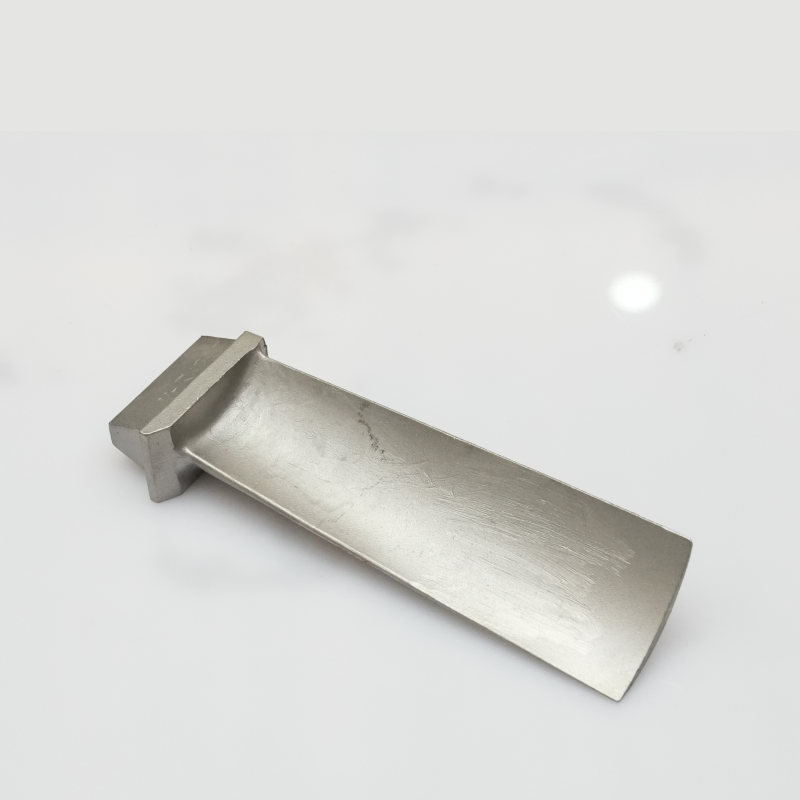
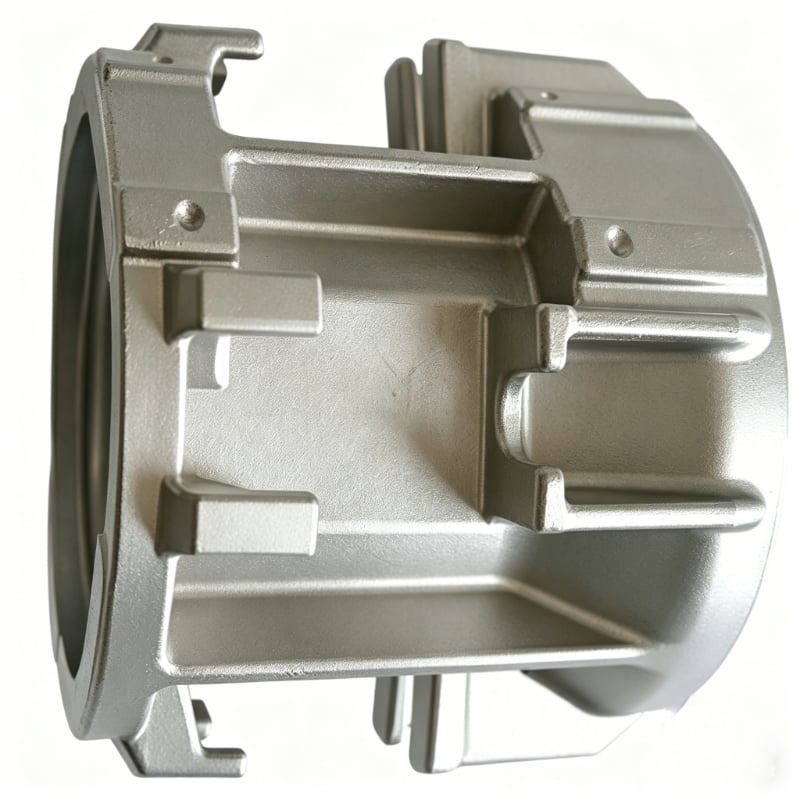
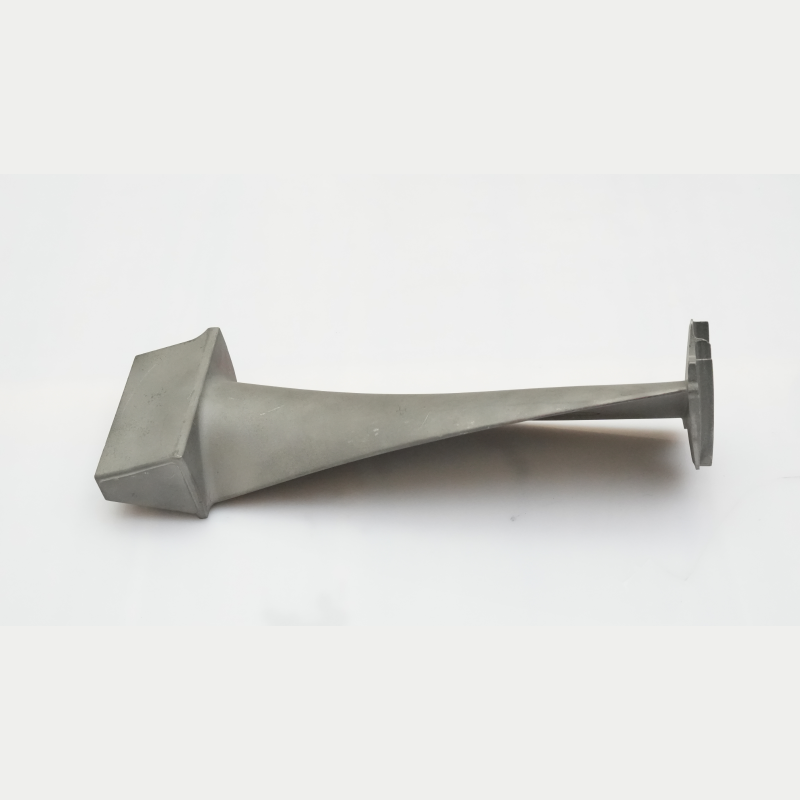
Casting rapid prototyping represents a transformative approach to product development that bridges the gap between initial design concepts and final production-ready components. This innovative manufacturing method combines traditional casting techniques with modern rapid prototyping technologies to create functional metal parts quickly and cost-effectively. The process begins with digital design files that are converted into physical patterns or molds using advanced additive manufacturing equipment. These patterns then serve as the foundation for creating casting molds through which molten metal is poured to produce final parts. The main functions of casting rapid prototyping include accelerating product development cycles, reducing tooling costs, and enabling designers to test multiple design iterations before committing to expensive production tooling. Technological features encompass compatibility with various casting methods such as investment casting, sand casting, and die casting, along with the ability to produce complex geometries that would be difficult or impossible to achieve through conventional manufacturing. The process supports a wide range of metals and alloys including aluminum, steel, bronze, and specialized materials for specific applications. Applications span numerous industries from automotive and aerospace to medical devices and consumer products. Engineers use casting rapid prototyping to validate design functionality, test fit and assembly, and conduct performance evaluations under real-world conditions. The technology proves particularly valuable when creating custom components, low-volume production runs, or when traditional manufacturing methods would require prohibitively expensive tooling. By enabling faster iteration cycles, casting rapid prototyping helps companies bring products to market more quickly while minimizing financial risk associated with design changes late in the development process.

New Products

Casting rapid prototyping delivers substantial time savings compared to traditional manufacturing approaches. Companies can move from digital design to physical metal parts in days rather than weeks or months, dramatically compressing development timelines. This speed advantage allows businesses to respond quickly to market opportunities and stay ahead of competitors. The technology eliminates lengthy tooling lead times that typically bog down conventional casting processes, enabling engineering teams to test ideas immediately and make informed decisions faster. Financial benefits represent another compelling reason to adopt this manufacturing approach. Traditional casting requires expensive permanent tooling that can cost thousands or tens of thousands of dollars before producing a single part. Casting rapid prototyping circumvents this barrier by creating disposable patterns and temporary molds at a fraction of the cost. Startups and small businesses particularly benefit from these lower entry costs, as they can develop products without massive upfront capital investments. Even large corporations appreciate the cost savings when exploring new product concepts or producing limited quantities. Design flexibility stands out as a major practical benefit. Engineers can modify designs between iterations without penalty, encouraging creative problem-solving and optimization. If testing reveals an issue, designers simply adjust the digital model and produce updated parts within days. This iterative approach leads to better final products because teams can refine designs through multiple rounds of physical testing rather than relying solely on computer simulations. Complex internal features, intricate surface details, and organic shapes become achievable without the constraints imposed by traditional tooling limitations. Risk reduction provides peace of mind throughout product development. By creating functional prototypes early in the process, companies can identify and resolve issues before investing in production tooling. Physical parts reveal problems that computer models might miss, such as assembly challenges, unexpected stress concentrations, or user interface difficulties. Testing with real metal components under actual operating conditions provides confidence that designs will perform as intended. This validation process prevents costly mistakes and reduces the likelihood of expensive redesigns after production has begun. Material authenticity ensures test results accurately predict production performance. Unlike plastic prototypes that only approximate final part characteristics, casting rapid prototyping produces components from actual production metals. Engineers can conduct meaningful mechanical testing, thermal analysis, and durability evaluations using parts with identical material properties to final products. This authenticity eliminates uncertainty and provides reliable data for engineering decisions. The ability to evaluate real metal parts helps teams optimize designs for strength, weight, and performance before committing to full production.

Practical Tips

What Makes a Custom Lost Wax Casting Foundry Reliable for Precision Industrial Applications?

05

Jun

What Makes a Custom Lost Wax Casting Foundry Reliable for Precision Industrial Applications?

In precision industrial manufacturing, the reliability of a custom investment casting foundry is not a minor operational detail — it is a fundamental requirement that determines part integrity, production timelines, and ultimately, the safety o...
View More
How Does a Precision Investment Casting Manufacturer Ensure Consistent Quality Across Global Supply Chains?

05

Jun

How Does a Precision Investment Casting Manufacturer Ensure Consistent Quality Across Global Supply Chains?

In today's interconnected industrial landscape, sourcing complex metal components across international borders presents a formidable quality challenge. the manufacturer must navigate an intricate web of raw material sourcing, multi-stage production c...
View More
Why Do Manufacturers Prefer a Silica Sol Investment Casting Supplier for Complex Metal Parts?

05

Jun

Why Do Manufacturers Prefer a Silica Sol Investment Casting Supplier for Complex Metal Parts?

When precision, surface quality, and dimensional accuracy are non-negotiable, manufacturers consistently turn to a trusted silica sol investment casting supplier. This decision is rarely arbitrary. It is driven by a deep understanding of what silica ...
View More
How Can OEM ODM Precision Casting Services Accelerate New Product Development Cycles?

26

Jun

How Can OEM ODM Precision Casting Services Accelerate New Product Development Cycles?

Bringing a new industrial product from concept to market is rarely a straightforward journey. Engineering teams face relentless pressure to compress timelines, reduce prototype iterations, and deliver production-ready components without sacrificing d...
View More

Get a Free Quote

Our representative will contact you soon.
Email
Name
Mobile
Company Name
Message
0/1000

casting rapid prototyping

Accelerated Product Development Through Rapid Iteration Capabilities

Accelerated Product Development Through Rapid Iteration Capabilities

Casting rapid prototyping fundamentally transforms how companies approach product development by enabling unprecedented iteration speed. Traditional manufacturing workflows require substantial time investments for tooling creation, often locking designers into early decisions before adequate testing can occur. This constraint forces teams to make critical choices based on incomplete information, potentially leading to suboptimal outcomes. Casting rapid prototyping eliminates this limitation by allowing engineers to produce multiple design variations quickly and economically. Teams can explore alternative approaches, test competing concepts side by side, and make data-driven decisions based on physical testing rather than theoretical predictions. The rapid iteration capability proves especially valuable during the early development stages when design direction remains fluid and exploration yields the greatest benefits. Engineers can identify optimal solutions through systematic experimentation, refining details that significantly impact performance, manufacturability, and user experience. Each iteration cycle provides learning opportunities that inform subsequent improvements, creating a progressive refinement process that elevates final product quality. Companies using casting rapid prototyping report completing development projects in half the time previously required, translating directly to faster market entry and competitive advantages. The technology supports concurrent engineering practices where multiple team members work on different aspects simultaneously, knowing that integration testing can occur quickly through physical prototypes. This parallel development approach further compresses timelines while improving collaboration across disciplines. Marketing teams can begin customer testing with functional prototypes earlier, gathering feedback that shapes final products to better meet market needs. Manufacturing engineers can evaluate production feasibility using actual metal components, identifying potential challenges and optimizing designs for efficient production before tooling investments occur. The cumulative effect of these accelerated workflows dramatically reduces time-to-market while improving product quality through more thorough validation and refinement.
Cost-Effective Manufacturing for Low-Volume Production and Testing

Cost-Effective Manufacturing for Low-Volume Production and Testing

Financial considerations drive many manufacturing decisions, and casting rapid prototyping delivers exceptional value for companies producing limited quantities or validating designs before full production. Traditional casting methods achieve economies of scale only at high volumes, making small production runs prohibitively expensive due to tooling costs distributed across few parts. Casting rapid prototyping inverts this economic model by minimizing fixed costs and making low-volume production financially viable. Each part requires only the materials and processing time needed for that specific component, eliminating the burden of amortizing expensive permanent tooling. This cost structure proves ideal for custom products, replacement parts for legacy equipment, or specialized components serving niche markets. Companies can profitably produce dozens or hundreds of parts rather than being forced into minimum order quantities of thousands to justify tooling investments. The financial flexibility extends to product development budgets, where casting rapid prototyping enables more thorough testing without budget constraints limiting the number of iterations. Engineering teams can afford to explore more design alternatives, building and testing variations that might otherwise remain as untested concepts due to prohibitive prototyping costs. This expanded exploration capability leads to better optimized final products that justify their development investments through superior performance and market acceptance. Startups and entrepreneurs particularly benefit from the accessible entry point that casting rapid prototyping provides, enabling them to develop metal products without venture capital funding or bank loans to cover tooling costs. Innovation flourishes when financial barriers decrease, allowing good ideas to reach physical reality based on merit rather than available capital. Established companies also appreciate the cost advantages when developing next-generation products or exploring adjacent markets where demand remains uncertain. The ability to test market response with functional products before committing major resources reduces business risk and enables more aggressive innovation strategies that drive growth and market leadership.
Complex Geometry Production Without Traditional Manufacturing Constraints

Complex Geometry Production Without Traditional Manufacturing Constraints

Design freedom represents one of the most significant advantages that casting rapid prototyping provides to engineers and product designers. Conventional manufacturing methods impose numerous constraints that limit design possibilities, forcing engineers to compromise functionality to accommodate tooling requirements, machining access, or assembly considerations. Casting rapid prototyping removes many of these restrictions by leveraging additive manufacturing technologies to create patterns and molds capable of producing complex geometries. Internal cavities, undercuts, intricate surface textures, and organic shapes that would be impossible or extremely expensive through traditional manufacturing become routinely achievable. This expanded design space allows engineers to optimize parts for their intended function rather than manufacturing convenience, resulting in lighter components, improved performance characteristics, and enhanced aesthetics. Topology optimization techniques that generate organic structures for maximum strength at minimum weight can be realized as physical parts rather than remaining as theoretical ideals. Conformal cooling channels, lattice structures, and biomimetic designs transition from research papers to functional prototypes that demonstrate real-world benefits. The freedom to incorporate complex features within a single cast component often eliminates assembly requirements that would otherwise necessitate multiple parts and joining operations. Reduced part counts simplify products, decrease assembly time and costs, and improve reliability by eliminating potential failure points at joints and fasteners. Engineers can design for optimal functionality first, then work backward to ensure manufacturability rather than starting with manufacturing constraints that limit performance possibilities. This inverted approach leads to breakthrough innovations that would never emerge from traditional design processes. Casting rapid prototyping supports the exploration of unconventional solutions that challenge established design paradigms, enabling companies to differentiate their products through unique features and superior performance that competitors using conventional manufacturing cannot match economically.

Get a Free Quote

Our representative will contact you soon.
Email
Name
Mobile
Company Name
Message
0/1000