Casting Rapid Prototyping Services - Fast, Cost-Effective Metal Prototype Manufacturing Solutions

Get a Free Quote

Our representative will contact you soon.
Email
Name
Company Name
Message
0/1000

casting rapid prototyping

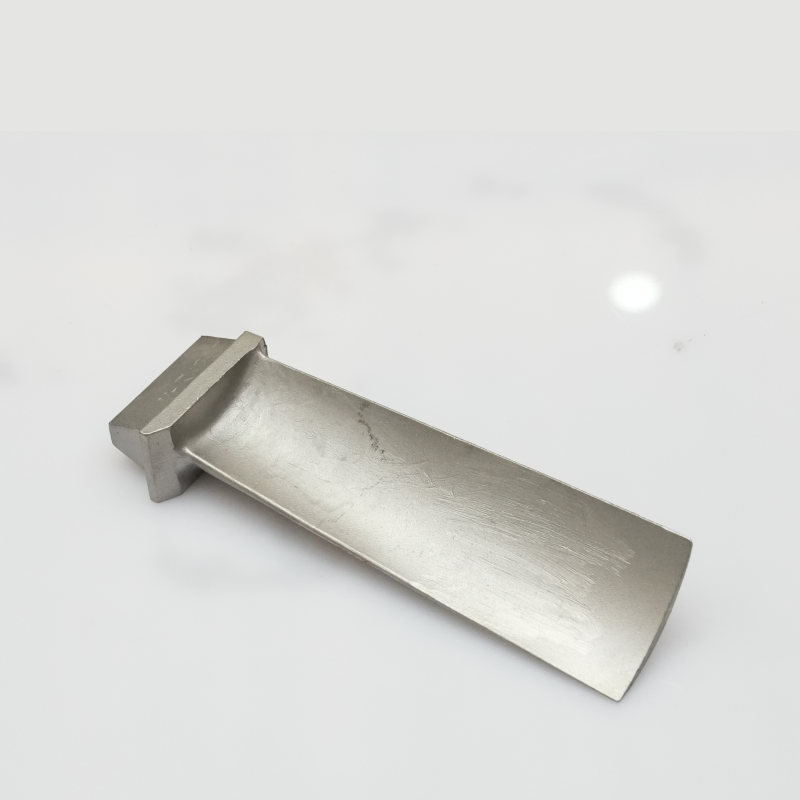
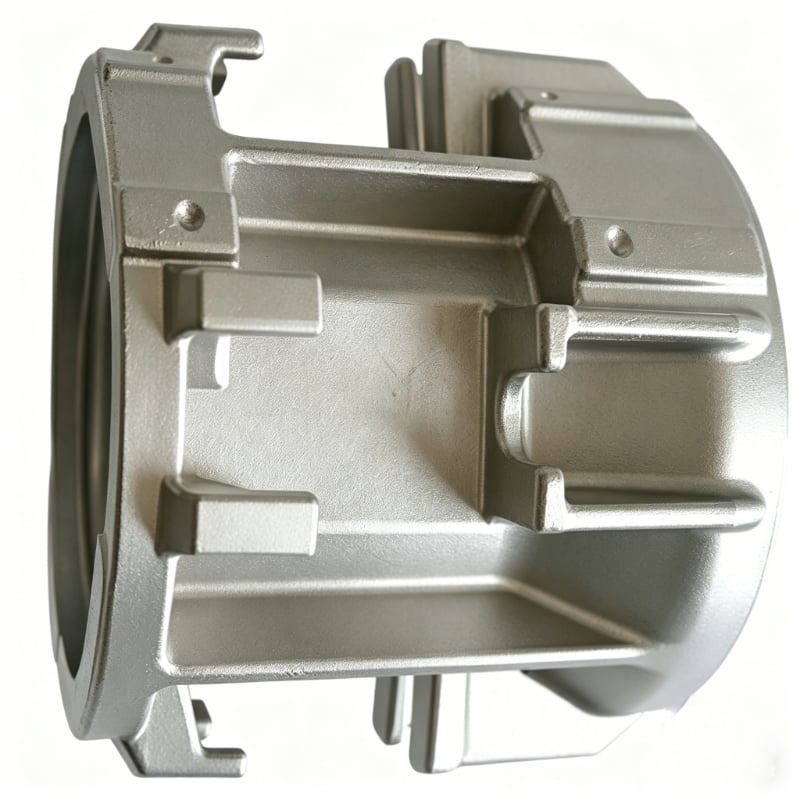
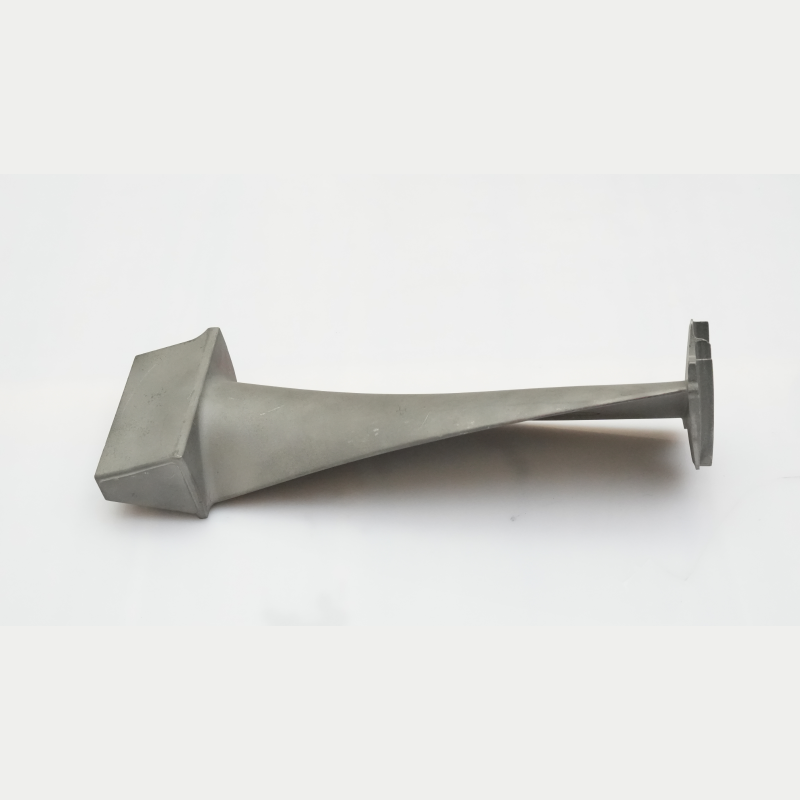
Casting rapid prototyping represents a revolutionary approach to manufacturing that combines traditional casting techniques with modern rapid prototyping technologies. This innovative method allows manufacturers and designers to create metal parts and components quickly, efficiently, and cost-effectively. The process involves creating patterns or molds using rapid prototyping technologies such as 3D printing, CNC machining, or other additive manufacturing methods, which are then used in conventional casting processes to produce final metal parts. Casting rapid prototyping serves as a bridge between digital design and physical production, enabling businesses to test, validate, and refine their designs before committing to full-scale production. The main functions of casting rapid prototyping include design verification, functional testing, market validation, and small-batch production. This technology enables engineers and product developers to transform their digital CAD models into tangible metal prototypes within days rather than weeks or months. The technological features that distinguish casting rapid prototyping include its ability to produce complex geometries, internal cavities, and intricate details that would be difficult or impossible to achieve through traditional manufacturing methods. The process supports various casting methods including investment casting, sand casting, die casting, and lost-wax casting, providing flexibility in material selection and production techniques. Applications of casting rapid prototyping span across multiple industries including aerospace, automotive, medical devices, industrial equipment, consumer products, and artistic foundries. In the aerospace sector, engineers use this technology to create lightweight yet durable components for aircraft and spacecraft. Automotive manufacturers employ casting rapid prototyping to develop engine parts, transmission components, and custom accessories. Medical device companies utilize this method to produce surgical instruments, implants, and diagnostic equipment. The technology also proves invaluable for producing replacement parts, custom tooling, and limited-edition products where traditional manufacturing would be economically unfeasible or time-prohibitive.

New Product Recommendations

Casting rapid prototyping delivers substantial benefits that transform how businesses approach product development and manufacturing. The speed advantage stands out immediately, as companies can move from concept to physical prototype in a fraction of the time required by traditional methods. Where conventional tooling might take months to prepare, casting rapid prototyping produces functional metal parts within days or weeks, accelerating time-to-market and enabling faster design iterations. This rapid turnaround means you can test multiple design variations, gather feedback, and make improvements without lengthy delays that eat into project timelines and market opportunities. Cost savings represent another compelling advantage, particularly for small production runs and prototype development. Traditional casting requires expensive tooling, molds, and dies that only become economical at high volumes. Casting rapid prototyping eliminates these upfront investments, making it financially viable to produce anywhere from a single prototype to several hundred units. You avoid the financial risk of committing to expensive tooling before validating your design, and you can invest those saved resources into other critical areas of product development. The design freedom offered by casting rapid prototyping empowers engineers and designers to explore innovative concepts without manufacturing constraints limiting their creativity. Complex internal channels, organic shapes, undercuts, and intricate surface details become achievable, opening possibilities for optimized performance, weight reduction, and enhanced functionality. You can design parts that truly serve their intended purpose rather than compromising to accommodate manufacturing limitations. Material versatility provides practical flexibility, as casting rapid prototyping works with aluminum, steel, bronze, brass, titanium, and specialized alloys. This broad material compatibility ensures you can select the exact properties needed for your application, whether that means corrosion resistance, high strength, thermal conductivity, or specific mechanical characteristics. The ability to test prototypes in actual production materials delivers more accurate performance data than substitute materials could provide. Risk reduction emerges as a critical benefit, allowing you to identify and resolve design flaws, manufacturing challenges, and performance issues before scaling to full production. Physical prototypes reveal problems that computer simulations might miss, preventing costly mistakes and production delays. You gain confidence in your design through real-world testing, stakeholder review, and functional validation. Customization capabilities make casting rapid prototyping ideal for personalized products, one-off creations, and specialized applications. Whether you need patient-specific medical devices, custom automotive parts, or unique artistic pieces, this technology accommodates individual requirements without the setup costs that make traditional methods prohibitive for custom work. The environmental benefits also deserve recognition, as casting rapid prototyping generates less waste, requires fewer resources, and consumes less energy than traditional manufacturing approaches, aligning with sustainability goals while delivering superior results.

Tips And Tricks

Basic Principles Of Design Of Precision Casting Gating System

11

May

Basic Principles Of Design Of Precision Casting Gating System

View More
Selection And Application Scope Of Hardness Tester

11

May

Selection And Application Scope Of Hardness Tester

View More
Stainless Steel Castings for Building Facade Systems

11

May

Stainless Steel Castings for Building Facade Systems

View More
Precision Stainless Steel Exhaust Manifold Casting Solution For Luxury Sedan - With Japanese First-Tier Car Brand

11

May

Precision Stainless Steel Exhaust Manifold Casting Solution For Luxury Sedan - With Japanese First-Tier Car Brand

View More

Get a Free Quote

Our representative will contact you soon.
Email
Name
Company Name
Message
0/1000

casting rapid prototyping

Accelerated Product Development Cycles Through Rapid Iteration

Accelerated Product Development Cycles Through Rapid Iteration

Casting rapid prototyping fundamentally transforms product development timelines by enabling rapid iteration cycles that compress months of traditional development into weeks. This capability proves invaluable in today's competitive marketplace where being first to market often determines commercial success. When you employ casting rapid prototyping, your engineering team can quickly produce physical prototypes from digital designs, test them under real-world conditions, identify necessary improvements, and generate revised versions with remarkable speed. This iterative approach allows you to explore multiple design alternatives simultaneously, comparing performance characteristics, evaluating different material options, and refining geometries based on actual test data rather than theoretical assumptions. The speed advantage extends beyond simple time savings into strategic business benefits. Your organization can respond rapidly to customer feedback, adapting designs to meet specific requirements or address emerging market trends before competitors react. Product development teams can run parallel development tracks, testing different approaches concurrently and selecting the most promising direction based on empirical evidence. This flexibility reduces the risk of pursuing a single design path that may prove suboptimal late in the development process. Engineering teams gain the ability to conduct failure analysis and stress testing on physical prototypes, identifying weak points, potential failure modes, and areas requiring reinforcement before committing to production tooling. The rapid feedback loop between design, prototype, testing, and redesign creates a powerful development methodology that produces better products in less time. Manufacturing engineers can use casting rapid prototyping to develop and validate production processes, test assembly procedures, train workers, and identify potential manufacturing challenges before production begins. This preparation reduces startup problems, minimizes production delays, and ensures smoother transitions from development to manufacturing. Marketing teams benefit from having physical prototypes available for customer presentations, trade show displays, focus group testing, and investor demonstrations well before production begins. These tangible examples communicate product concepts far more effectively than renderings or descriptions, generating early market interest and gathering valuable customer input that shapes final product specifications. The acceleration of development cycles also reduces carrying costs, as projects move through development phases faster, consuming fewer resources and reaching revenue generation sooner.
Cost-Effective Solution for Low-Volume Production and Custom Manufacturing

Cost-Effective Solution for Low-Volume Production and Custom Manufacturing

Casting rapid prototyping delivers exceptional economic advantages for low-volume production runs and custom manufacturing applications where traditional methods become prohibitively expensive. The elimination of costly tooling represents the most obvious financial benefit, but the economic advantages extend far deeper into the manufacturing equation. Traditional casting requires substantial investments in patterns, molds, cores, and dies that must be precisely machined, often from expensive materials, and these tools may require weeks or months to produce. For small production quantities, the per-unit cost of amortizing these tooling expenses becomes astronomical, making traditional casting economically viable only at high volumes. Casting rapid prototyping sidesteps these barriers by using patterns created directly through additive manufacturing or other rapid techniques, where the cost remains relatively constant regardless of production volume. This economic model makes it financially practical to produce anywhere from a single prototype to several hundred units without the break-even volume requirements that traditional casting demands. The financial flexibility extends to design modifications, as changes to casting rapid prototyping patterns cost significantly less than modifying expensive production tooling. You can implement improvements, correct issues, or adapt designs to customer specifications without the financial penalties that lock traditional manufacturing into initial designs. This adaptability proves particularly valuable during product development phases when design changes frequently occur based on testing results, customer feedback, or evolving requirements. Small businesses and startups gain access to metal casting capabilities that would otherwise remain beyond their financial reach, leveling the competitive playing field and enabling innovation from organizations that lack the capital reserves of larger competitors. Custom manufacturers can offer personalized products, limited editions, and made-to-order items that command premium pricing while maintaining healthy profit margins. The economics of casting rapid prototyping support business models based on mass customization, where each product can be tailored to individual customer specifications without incurring prohibitive costs. Industries serving niche markets benefit enormously, as they can produce specialized components, replacement parts for obsolete equipment, and low-demand items that traditional manufacturers decline due to insufficient volume. The ability to produce economically at low volumes also reduces inventory requirements, as parts can be manufactured on-demand rather than produced in large batches that tie up capital and storage space. This just-in-time manufacturing capability improves cash flow, reduces obsolescence risk, and minimizes the working capital devoted to inventory. For companies testing new markets or launching innovative products, casting rapid prototyping provides a low-risk entry strategy, allowing market validation before committing to high-volume production infrastructure.
Superior Design Freedom Enabling Complex Geometries and Performance Optimization

Superior Design Freedom Enabling Complex Geometries and Performance Optimization

Casting rapid prototyping unlocks unprecedented design freedom that empowers engineers to create geometries and features impossible or impractical with conventional manufacturing methods. This liberation from traditional manufacturing constraints enables true performance optimization, where parts can be designed based solely on functional requirements rather than manufacturing limitations. Complex internal passages, organic shapes, variable wall thicknesses, integrated features, and intricate surface textures become achievable, opening new possibilities for innovation and performance enhancement. Engineers can design cooling channels that follow optimal thermal paths rather than simple straight-line passages dictated by drill limitations. Structural components can incorporate lattice structures, topology-optimized geometries, and biomimetic designs that maximize strength while minimizing weight. The ability to create complex geometries delivers tangible performance benefits across numerous applications. Aerospace components can integrate weight-saving features that reduce fuel consumption and increase payload capacity. Automotive parts can incorporate optimized flow paths that improve efficiency, reduce emissions, and enhance performance. Medical devices can be tailored to individual patient anatomy, improving surgical outcomes and patient comfort. Industrial equipment can feature enhanced cooling, improved fluid dynamics, and integrated functionality that eliminates assembly steps and potential failure points. The design freedom extends to consolidating multiple parts into single components, reducing assembly time, eliminating potential failure points at joints, and simplifying supply chains. What might traditionally require fabricating and assembling numerous separate pieces can be cast as an integrated unit, reducing manufacturing complexity and improving reliability. Casting rapid prototyping also accommodates undercuts, negative draft angles, and other features that would require complex mold designs or secondary operations in traditional casting. This capability simplifies manufacturing processes while expanding design possibilities. Engineers can incorporate aesthetic elements, branding features, and functional textures directly into cast surfaces, eliminating secondary finishing operations and reducing production costs. The technology supports generative design approaches where artificial intelligence algorithms create optimized geometries based on specified performance criteria, loading conditions, and material properties. These AI-generated designs often feature organic, non-intuitive shapes that human designers might not conceive but which deliver superior performance characteristics. Casting rapid prototyping makes these advanced designs manufacturable, bridging the gap between computational optimization and physical production. The combination of design freedom and rapid iteration creates a powerful development environment where engineers can explore innovative concepts, test unconventional approaches, and push the boundaries of what products can achieve, ultimately delivering superior solutions that differentiate your offerings in competitive markets.

Get a Free Quote

Our representative will contact you soon.
Email
Name
Company Name
Message
0/1000