Herstellung komplexer Geometrien ohne traditionelle Fertigungseinschränkungen
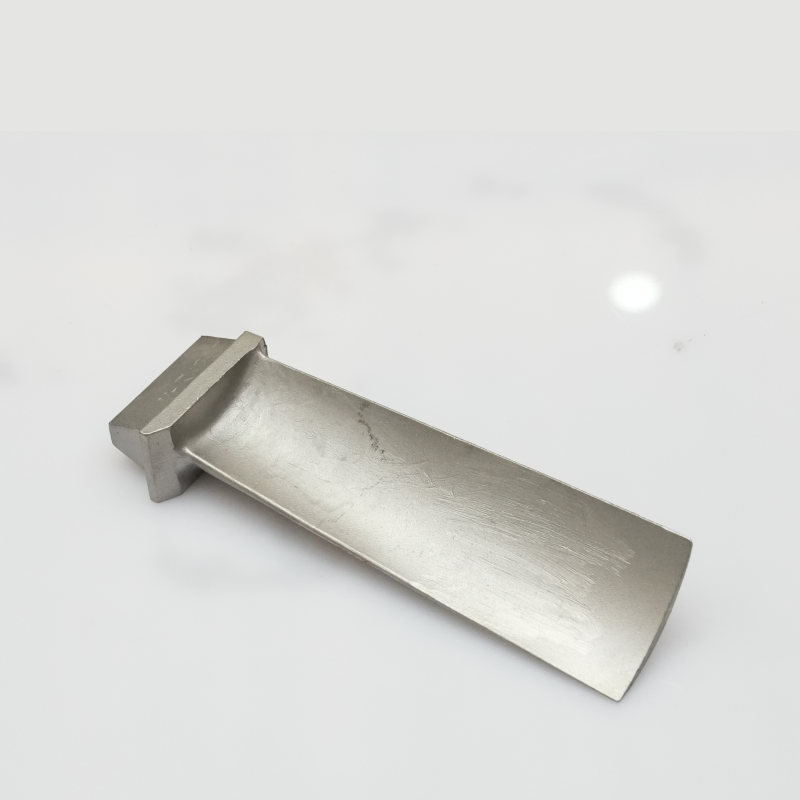
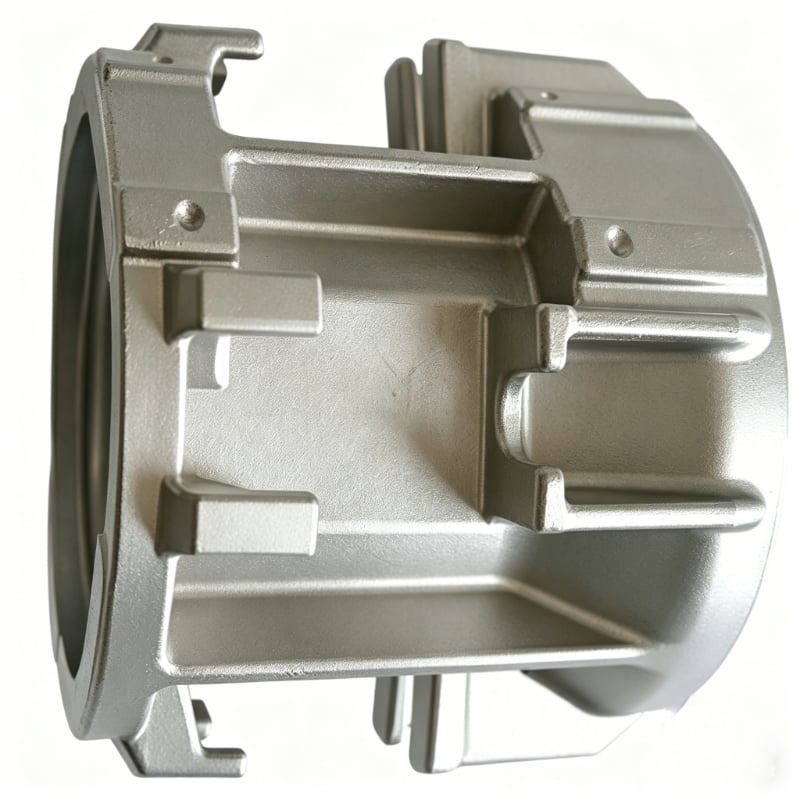
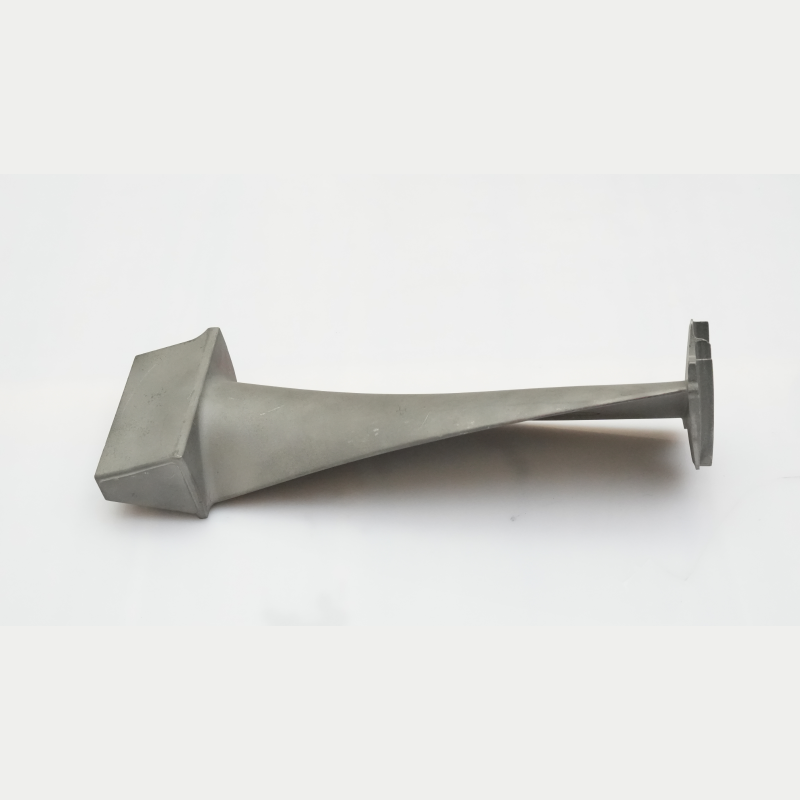
Designfreiheit stellt einen der bedeutendsten Vorteile dar, die das Rapid-Prototyping mittels Gießverfahren Ingenieuren und Produktentwicklern bietet. Herkömmliche Fertigungsverfahren stellen zahlreiche Einschränkungen auf, die die Gestaltungsmöglichkeiten begrenzen, und zwingen Ingenieure dazu, Kompromisse bei der Funktionalität einzugehen, um Werkzeuganforderungen, Zugänglichkeit für die Bearbeitung oder Montageaspekte zu berücksichtigen. Das Rapid-Prototyping mittels Gießverfahren beseitigt viele dieser Beschränkungen, indem es additive Fertigungstechnologien nutzt, um Modelle und Formen herzustellen, die komplexe Geometrien ermöglichen. Innere Hohlräume, Hinterschneidungen, fein strukturierte Oberflächen sowie organische Formen, die mit herkömmlichen Fertigungsverfahren unmöglich oder extrem kostspielig wären, werden damit routinemäßig realisierbar. Dieser erweiterte Gestaltungsraum ermöglicht es Ingenieuren, Bauteile primär nach ihrer vorgesehenen Funktion statt nach der Fertigungskonvenienz zu optimieren – mit dem Ergebnis leichterer Komponenten, verbesserter Leistungsmerkmale und gesteigerter Ästhetik. Topologieoptimierungsverfahren, die organische Strukturen für maximale Festigkeit bei minimalem Gewicht generieren, können nun als physische Bauteile umgesetzt werden, anstatt lediglich theoretische Ideale zu bleiben. Konforme Kühlkanäle, Gitterstrukturen und biomimetische Designs wandeln sich von Forschungsarbeiten zu funktionsfähigen Prototypen, die konkrete Vorteile im praktischen Einsatz belegen. Die Freiheit, komplexe Merkmale innerhalb eines einzigen gegossenen Bauteils zu integrieren, führt häufig zur Eliminierung von Montageanforderungen, die andernfalls mehrere Einzelteile und Fügeprozesse erfordern würden. Eine reduzierte Anzahl an Einzelteilen vereinfacht Produkte, verkürzt Montagezeit und -kosten und erhöht die Zuverlässigkeit, da potenzielle Ausfallstellen an Verbindungsstellen und Befestigungselementen entfallen. Ingenieure können zunächst optimal nach Funktionalität entwerfen und anschließend rückwärts sicherstellen, dass die Fertigung möglich ist – anstatt mit Fertigungseinschränkungen zu beginnen, die die Leistungspotenziale von vornherein begrenzen. Dieser umgekehrte Ansatz führt zu bahnbrechenden Innovationen, die aus traditionellen Entwicklungsprozessen niemals hervorgehen würden. Das Rapid-Prototyping mittels Gießverfahren unterstützt die Erkundung unkonventioneller Lösungen, die etablierte Designparadigmen in Frage stellen, und ermöglicht Unternehmen so, ihre Produkte durch einzigartige Merkmale und überlegene Leistung zu differenzieren – Eigenschaften, die Wettbewerber, die ausschließlich konventionelle Fertigungsverfahren nutzen, wirtschaftlich nicht erreichen können.

 EN
EN