Rapid Prototype Casting Services: Fast, Cost-Effective Metal Prototyping Solutions

Get a Free Quote

Our representative will contact you soon.
Email
Name
Company Name
Message
0/1000

rapid prototype casting

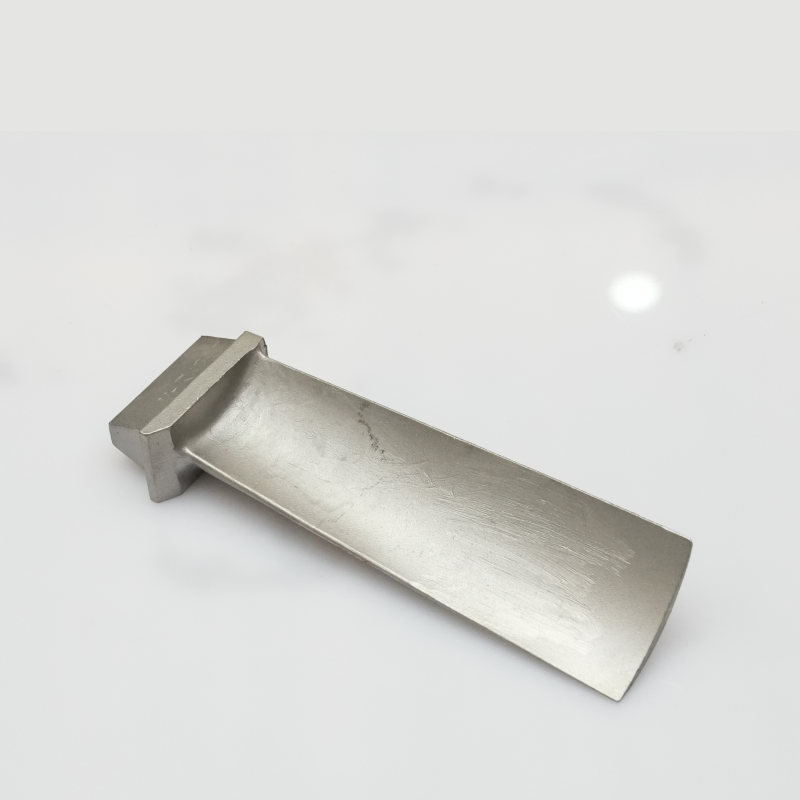
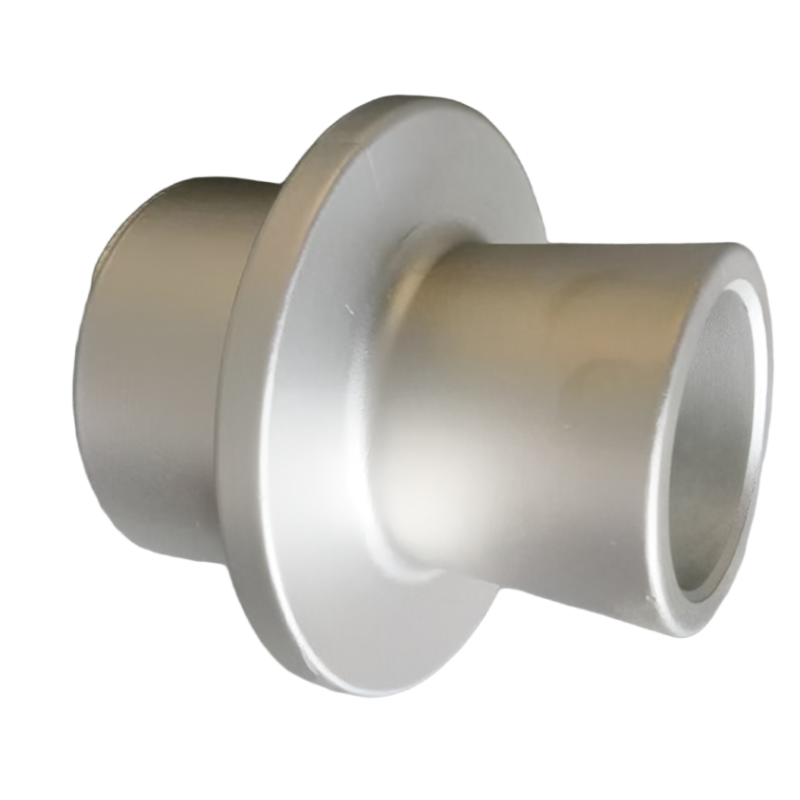
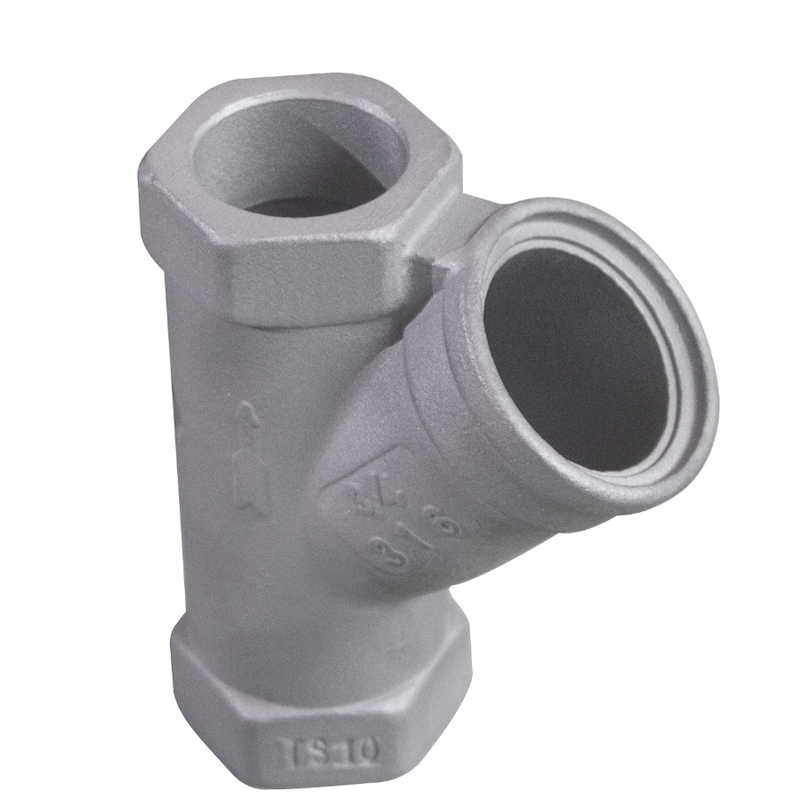
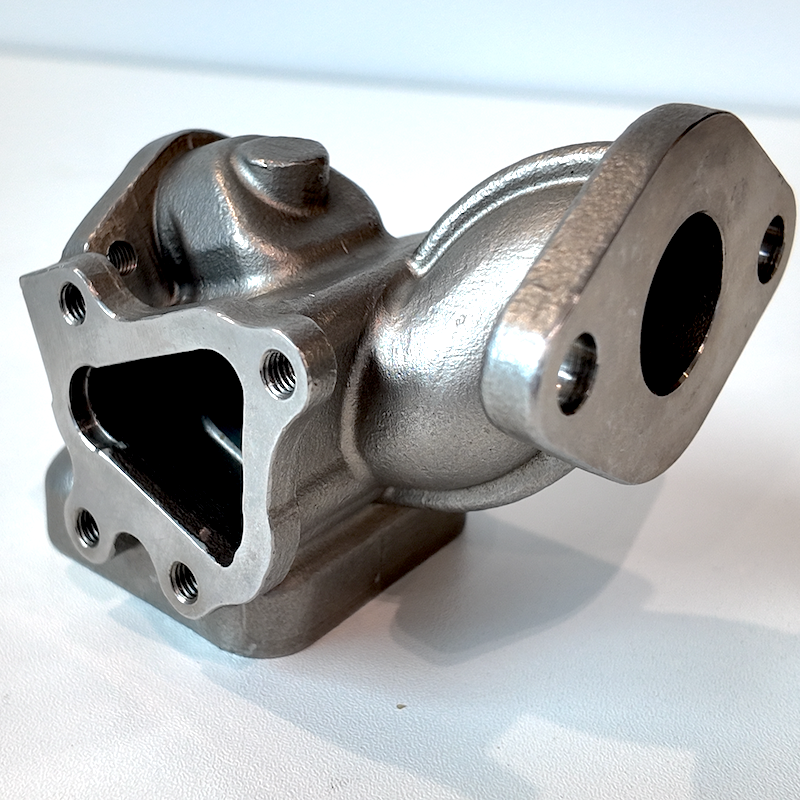
Rapid prototype casting represents a transformative manufacturing process that combines the speed of modern prototyping techniques with traditional casting methods to produce high-quality metal parts in significantly reduced timeframes. This innovative approach serves as a bridge between initial design concepts and full-scale production, enabling manufacturers to test and validate their designs before committing to expensive tooling and mass production. The rapid prototype casting process begins with creating a prototype pattern using advanced technologies such as 3D printing, CNC machining, or additive manufacturing. These patterns are then used to create molds that can accommodate various casting materials including aluminum, bronze, stainless steel, and other metal alloys. The main functions of this technology include accelerating product development cycles, reducing costs associated with traditional pattern-making, and providing designers with tangible samples for testing and evaluation. Technological features that distinguish rapid prototype casting include its compatibility with complex geometries, ability to produce near-net-shape components, and flexibility in material selection. The process supports both investment casting and sand casting methods, depending on the specific requirements of the project. Applications span numerous industries including aerospace, automotive, medical devices, consumer electronics, and industrial equipment manufacturing. Companies utilize rapid prototype casting for functional testing, market research, design validation, and even limited production runs. The technology proves particularly valuable when dealing with intricate internal passages, thin-walled sections, or components requiring excellent surface finishes. By eliminating lengthy lead times associated with conventional tooling fabrication, rapid prototype casting empowers engineers to iterate designs quickly, respond to market demands faster, and maintain competitive advantages. This manufacturing solution has become indispensable for organizations seeking to innovate rapidly while maintaining quality standards and controlling development expenses throughout the product lifecycle.

New Product Releases

The rapid prototype casting methodology delivers numerous practical benefits that directly impact your bottom line and operational efficiency. First and foremost, this approach dramatically reduces time-to-market for new products. Where traditional casting methods might require weeks or months to produce initial samples, rapid prototype casting can deliver functional parts within days. This acceleration allows you to test concepts quickly, gather feedback from stakeholders, and make necessary adjustments before investing in expensive production tooling. The financial advantages are equally compelling. By eliminating the need for costly permanent tooling during the development phase, you preserve capital resources for other critical business activities. The cost savings become particularly significant when design modifications are needed, as changes can be implemented without scrapping expensive molds or dies. You gain the freedom to experiment with different design variations without fear of prohibitive costs. Another major benefit centers on design flexibility and creative freedom. Rapid prototype casting supports complex geometries that would be difficult or impossible to achieve through other manufacturing methods. You can incorporate intricate features, undercuts, and fine details into your designs without worrying about manufacturing constraints. This capability encourages innovation and enables you to differentiate your products in competitive markets. The technology also provides tangible prototypes that function as actual production parts would, using real casting materials rather than substitute plastics. This means you can conduct authentic performance testing, evaluate mechanical properties accurately, and assess how components will behave in real-world conditions. Such comprehensive validation reduces the risk of costly failures after production launch. Quality improvements represent another significant advantage. The ability to produce and test multiple iterations quickly means you can refine designs until they meet exact specifications. You identify and resolve potential issues early in the development cycle when corrections are least expensive. Additionally, rapid prototype casting facilitates better communication among team members, suppliers, and customers. Physical samples eliminate ambiguity inherent in drawings or digital models, ensuring everyone shares the same understanding of design intent. For businesses serving multiple markets or clients, this technology offers exceptional versatility. You can quickly produce small batches of different parts without the setup costs associated with traditional manufacturing. This responsiveness enhances customer satisfaction and opens opportunities for customization that would otherwise be economically unfeasible. The environmental benefits should not be overlooked either, as the process typically generates less waste compared to subtractive manufacturing methods, contributing to more sustainable production practices.

Latest News

Selection And Application Scope Of Hardness Tester

11

May

Selection And Application Scope Of Hardness Tester

View More
The Role Of Elements In Castings And The Order Of Addition

11

May

The Role Of Elements In Castings And The Order Of Addition

View More
Stainless Steel Castings for Architectural Posts

11

May

Stainless Steel Castings for Architectural Posts

View More
Precision Stainless Steel Exhaust Manifold Casting Solution For Luxury Sedan - With Japanese First-Tier Car Brand

11

May

Precision Stainless Steel Exhaust Manifold Casting Solution For Luxury Sedan - With Japanese First-Tier Car Brand

View More

Get a Free Quote

Our representative will contact you soon.
Email
Name
Company Name
Message
0/1000

rapid prototype casting

Accelerated Product Development Timeline

Accelerated Product Development Timeline

Time represents one of the most valuable resources in modern manufacturing, and rapid prototype casting delivers unprecedented speed advantages that can fundamentally transform your development process. When you employ this technology, you compress timelines that traditionally stretched across many weeks into a matter of days, fundamentally changing how quickly you can move from concept to physical reality. This acceleration occurs because rapid prototype casting eliminates the lengthy tooling fabrication stage that bottlenecks conventional methods. Instead of waiting for skilled craftsmen to manually create patterns or for machine shops to manufacture complex dies, you generate patterns directly from digital files using 3D printing or similar technologies. These patterns become available within hours or days, immediately ready for the casting process. The speed advantage extends beyond just initial prototype production. When design changes become necessary, as they invariably do during development, you can implement modifications rapidly without starting from scratch. Update your digital model, produce a new pattern, and create fresh castings in a fraction of the time required by traditional approaches. This iterative capability proves invaluable when optimizing designs for performance, manufacturability, or cost. The business implications of this accelerated timeline are profound. You can respond to market opportunities faster than competitors still locked into slower development cycles. When customers request modifications or when you identify improvement opportunities, you act immediately rather than waiting weeks for new samples. This responsiveness strengthens customer relationships and enhances your reputation for agility. Furthermore, faster prototyping enables more thorough testing and validation within the same overall project timeline. Rather than rushing through evaluation phases due to schedule pressures, you conduct comprehensive assessments while still meeting launch deadlines. You test multiple design variants, explore alternative approaches, and gather extensive performance data that informs better final decisions. The psychological and organizational benefits matter too. Development teams maintain momentum and enthusiasm when they see rapid progress rather than enduring frustrating delays. Stakeholders remain engaged when they can review physical progress regularly rather than waiting months between updates. This sustained engagement leads to better collaboration, more valuable feedback, and ultimately superior products. For industries where regulatory approval is required, rapid prototype casting helps you navigate compliance processes more efficiently by providing test samples quickly for required evaluations and certifications.
Cost-Effective Development and Risk Mitigation

Cost-Effective Development and Risk Mitigation

Financial considerations drive most business decisions, and rapid prototype casting delivers compelling economic advantages that protect your investment while maximizing returns. The cost benefits begin immediately with the elimination of expensive permanent tooling during the development phase. Traditional casting requires substantial upfront investment in production-quality molds and dies before you can produce even a single prototype. These tools often cost thousands or tens of thousands of dollars, representing significant financial risk if design changes become necessary. Rapid prototype casting inverts this equation by using low-cost patterns that can be produced affordably and replaced easily. You invest minimal capital in creating initial samples, preserving resources for other priorities. When modifications are needed, you simply create new patterns at modest expense rather than scrapping costly tooling. This approach transforms fixed costs into variable costs, providing financial flexibility that traditional methods cannot match. The risk mitigation aspect proves equally valuable. By testing designs thoroughly before committing to production tooling, you identify and correct potential problems when fixes cost least. Discovering a design flaw after investing in permanent tooling can be financially devastating, potentially requiring complete tool replacement. Rapid prototype casting pushes these discoveries earlier in the development timeline when changes remain inexpensive and straightforward. You validate functionality, assess manufacturability, and confirm market acceptance before making major financial commitments. For businesses managing multiple projects simultaneously, the cost structure of rapid prototype casting enables portfolio diversification. Rather than concentrating resources on a single product due to high prototyping costs, you can explore several concepts in parallel. This strategy spreads risk across multiple opportunities and increases the likelihood that at least one initiative will succeed. The ability to test market response with functional prototypes before full production also provides invaluable market intelligence, helping you make informed decisions about which products deserve production investment. Small and medium-sized businesses particularly benefit from these economic advantages. Companies lacking the capital reserves of large corporations can compete effectively by leveraging rapid prototype casting to innovate without prohibitive costs. Startups can bring products to market despite limited budgets, while established firms can explore new directions without jeopardizing core operations. Additionally, the technology supports lean manufacturing principles by minimizing waste and inventory. You produce only what you need when you need it, avoiding the expense of maintaining large prototype inventories or scrapping obsolete samples when designs change.
Superior Design Validation and Material Authenticity

Superior Design Validation and Material Authenticity

The quality and authenticity of prototypes directly influence how effectively you can evaluate designs and make informed development decisions. Rapid prototype casting excels in this domain by producing samples from actual production materials rather than substitute substances, providing validation that accurately predicts final product performance. This material authenticity represents a critical advantage over many prototyping methods that rely on plastics or other surrogates that behave differently from intended production materials. When you create prototypes through rapid prototype casting using the same alloys destined for production, you conduct meaningful mechanical testing that reveals true strength, durability, flexibility, and thermal properties. You subject samples to real-world conditions and observe authentic responses rather than extrapolating from dissimilar materials. This authentic testing eliminates uncertainty and provides confidence that production parts will perform as expected. The comprehensive validation enabled by rapid prototype casting extends across multiple dimensions. You evaluate not only mechanical properties but also aesthetic qualities like surface finish, texture, and appearance. You assess how components fit together in assemblies, identifying interference issues or clearance problems that might not be apparent in digital models. You verify that manufacturing processes can consistently produce parts meeting specifications, uncovering potential quality issues before production launch. Functional testing becomes truly meaningful when prototypes accurately represent production reality. You can install rapid prototype casting samples into test assemblies or even pilot production units, observing performance under actual operating conditions. This real-world validation provides insights impossible to obtain from computer simulations or samples made from substitute materials. You discover how parts respond to stress, vibration, temperature variations, and other environmental factors they will encounter in service. The ability to produce multiple iterations using actual materials supports robust design optimization. You create variants with different wall thicknesses, reinforcement strategies, or geometric features, then compare their performance objectively. This empirical approach to optimization yields better results than theoretical analysis alone, leading to designs that balance performance, manufacturability, and cost effectively. For industries with stringent regulatory requirements, material authenticity proves essential. Regulatory agencies often require testing using production-representative materials and processes. Rapid prototype casting satisfies these requirements while maintaining development speed, helping you navigate approval processes efficiently. The technology also facilitates valuable stakeholder communication by providing tangible examples that accurately represent final products, enabling better feedback from customers, investors, and internal teams who can evaluate realistic samples rather than approximations.

Get a Free Quote

Our representative will contact you soon.
Email
Name
Company Name
Message
0/1000