
 EN
EN

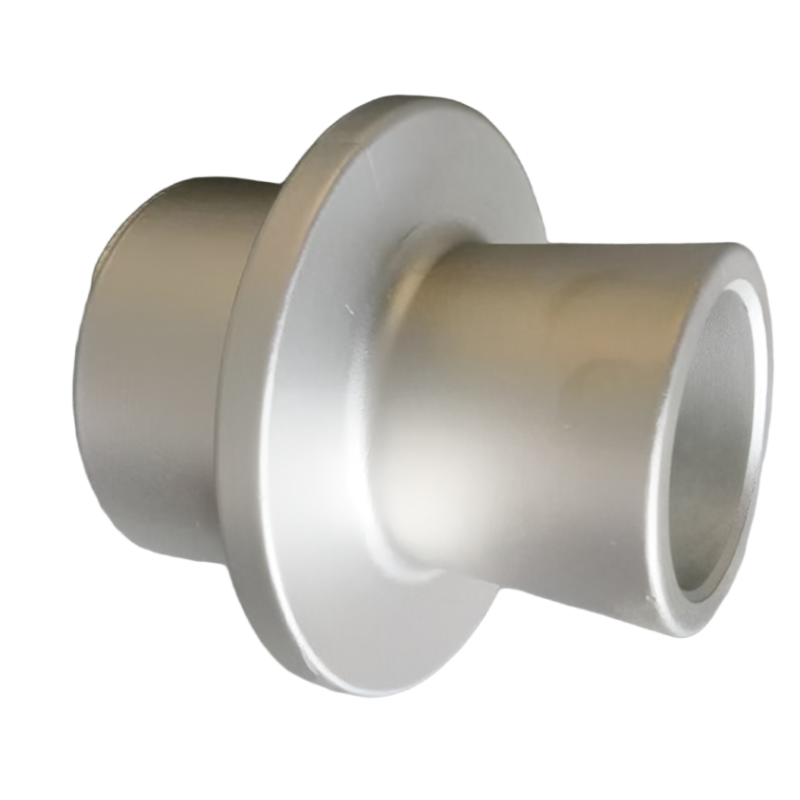
Surface finish quality is one of the most critical performance indicators in precision investment casting, and it is directly shaped by the variables embedded in the medium temperature wax casting process. Unlike standard casting methods, medium temperature wax casting operates within a carefully controlled thermal window that demands consistency at every stage—from pattern creation to shell burnout. When any single variable drifts outside its optimal range, the consequences appear immediately on the part surface, often in ways that are difficult or costly to correct downstream.
Understanding what drives surface finish outcomes in medium temperature wax casting is essential for engineers, quality managers, and procurement professionals who specify or manufacture high-tolerance components such as aerospace turbine blades, medical implants, and precision mechanical parts. This article breaks down the key factors—from wax compound behavior and die conditions to shell system characteristics and process control protocols—that collectively determine whether a cast surface meets specification or requires costly rework. Each factor is examined with the practical depth needed to support informed decisions in real production environments.
Wax Compound Properties and Their Direct Impact on Surface Finish
Melt Temperature Range and Viscosity Behavior
In medium temperature wax casting, the wax compound typically operates in a melt temperature range of approximately 60°C to 90°C, depending on the specific formulation. This thermal window is narrow enough to require tight injection control, as even a few degrees of deviation can alter viscosity significantly. Higher viscosity at the point of injection increases the likelihood of flow hesitation marks, cold shuts, and incomplete fill in fine surface details, all of which translate directly into surface defects on the finished part.
Lower viscosity, achieved at higher injection temperatures, may improve flowability but can introduce different problems such as flash formation at parting lines and dimensional instability as the pattern cools. The rheological profile of the wax compound used in medium temperature wax casting must therefore be precisely matched to the die geometry and cavity complexity. Engineers who select wax grades based solely on cost rather than viscosity-temperature behavior frequently encounter surface finish inconsistencies that persist through multiple production runs.
Additives such as filler particles, resins, and plasticizers alter the base wax rheology and can improve surface replication fidelity when properly formulated. However, these additives must be homogeneously dispersed; any localized concentration of incompatible materials creates micro-roughness zones that reflect poorly under inspection. Maintaining consistent batch chemistry is a foundational requirement in medium temperature wax casting to achieve repeatable surface finish outcomes.
Wax Shrinkage and Surface Contraction Effects
All waxes shrink as they transition from liquid to solid state, and the rate and uniformity of that shrinkage directly influence surface quality in medium temperature wax casting. Non-uniform shrinkage creates sink marks, waviness, and localized depressions that cannot be corrected by downstream shell or metal processing. The coefficient of volumetric shrinkage must be well-characterized for each wax formulation, particularly when producing complex geometries with varying wall thicknesses.
When thick sections cool more slowly than thin sections, differential shrinkage creates internal stress gradients that may cause warping or surface distortion. This is especially problematic in medium temperature wax casting applications targeting aerospace or defense components, where surface flatness tolerances are tight and cosmetic blemishes on critical surfaces may trigger rejection. Proper die temperature management and controlled cooling protocols are essential to minimize differential shrinkage.
Wax recovery and recycling practices also affect shrinkage behavior over time. Repeatedly recycled wax may develop altered shrinkage characteristics due to thermal degradation of additive components, leading to progressive degradation in surface finish quality across a production campaign. Implementing wax quality monitoring protocols—including shrinkage rate testing at regular intervals—is a best practice that supports consistent surface finish in medium temperature wax casting operations.
Key Surface Finish Drivers Matrix (Medium Temp Wax Casting)
| Process Factor | Optimal Condition | Surface Defect Risk (Too High) | Surface Defect Risk (Too Low) |
|---|---|---|---|
| Wax Viscosity | Balanced flowability and cavity fill | Flow hesitation, cold shuts, incomplete details | Flash, instability, parting-line defects |
| Wax Temperature | 60–90°C controlled range | Shrinkage variation, flash formation | Poor fill, rough surface texture |
| Die Surface Quality | Polished and regularly maintained | Scratches, wear marks, residue transfer | N/A |
| Die Temperature | Stable process-specific window | Sticking, drag marks, pattern distortion | Premature solidification, matte finish |
| Primary Slurry Quality | Fine particles, uniform coating | Cracking, rough texture, surface pits | Poor replication, pinholes |
| Dewaxing & Pouring Control | Controlled shell stress and metal flow | Shell cracking, oxidation, turbulence defects | Misruns, cold shuts, incomplete filling |
Die and Tooling Conditions as a Surface Finish Determinant
Die Surface Quality and Maintenance Standards
The die cavity surface in medium temperature wax casting acts as the direct template for the wax pattern surface, meaning any imperfection in the die is faithfully reproduced on every pattern produced from it. Dies that have been improperly polished, are showing early signs of wear, or have accumulated release agent residue will produce patterns with correspondingly poor surface texture. The Ra value achievable on the final metal part is fundamentally limited by the Ra value of the die cavity.
Regular die maintenance schedules are not optional in high-quality medium temperature wax casting; they are mandatory for sustained surface finish performance. Inspection frequencies must be tied to production volume milestones, with particular attention paid to gate areas, thin ribs, and deeply engraved features where tool wear concentrates. Proactive reconditioning—rather than reactive repair after surface quality failures—keeps the tooling in the condition needed to support specification-grade surfaces.
Die material selection also matters. Aluminum dies machine efficiently and are cost-effective for prototype and short-run medium temperature wax casting, but they wear faster than steel. For high-volume precision production, steel dies with appropriate surface treatment provide the durability needed to maintain consistent surface finish over tens of thousands of shots without progressive quality degradation.
Die Temperature and Release Agent Application
Die temperature at the time of injection is a primary surface finish variable in medium temperature wax casting. A die that is too cold relative to the wax injection temperature causes rapid solidification at the cavity surface before complete fill, producing a matte or granular texture rather than the mirror-like smoothness achievable under optimal conditions. Conversely, a die that is too warm prolongs solidification and may cause sticking, drag marks, or deformation during ejection.
The optimal die temperature window is typically narrow and must be empirically established for each die-wax combination used in medium temperature wax casting. Temperature-controlled die plates or preheating cycles prior to production startup help reach and maintain this window. During extended production runs, die temperature can drift upward due to heat input from repeated injections, requiring active monitoring and periodic controlled cooling to stay within the optimal band.
Release agents applied to the die cavity facilitate pattern ejection but can also degrade surface finish if applied incorrectly. Heavy or uneven application of release agents creates a non-uniform interface between the wax and die surface, resulting in textural inconsistencies on the wax pattern. In medium temperature wax casting operations targeting high cosmetic standards, release agent application must be controlled as carefully as any other process parameter, with standardized application methods and regular cavity cleaning cycles.
Shell System Characteristics and Their Role in Surface Replication
Primary Slurry Composition and Coating Uniformity
The first coat slurry applied to the wax pattern in medium temperature wax casting is the most consequential layer for surface finish, as it becomes the immediate boundary between the metal and the ceramic during casting. The particle size distribution of the refractory filler in this primary slurry directly determines the surface roughness potential of the final casting. Finer particle sizes allow more faithful surface replication and lower Ra values, while coarser particles introduce intrinsic roughness that cannot be removed without secondary finishing operations.
Slurry viscosity and wetting behavior must be matched to the wax pattern surface energy. If the primary slurry does not fully wet the wax surface, micro-voids and gas bubbles become trapped at the interface, producing pinholes and orange-peel textures on the cast surface. Slurry additives such as surfactants improve wetting in medium temperature wax casting applications, but must be carefully dosed to avoid introducing air entrainment of their own.
Coating uniformity across the entire pattern surface depends on both slurry properties and dipping technique. Patterns with complex internal geometries or overhanging features require carefully controlled dip-drain sequences to ensure complete coverage without pooling. Pooling in concave areas creates thick local deposits that crack during drying, leaving surface pits on the final casting. Consistent, skilled shell-making practice is as important as slurry formulation in achieving the surface finish targets that medium temperature wax casting processes are capable of delivering.
Drying Conditions and Shell Integrity
Each shell layer in medium temperature wax casting must be fully and uniformly dried before the next coat is applied. Incomplete drying leads to interlayer adhesion failures that manifest as delamination, cracking, and surface irregularities after wax removal and metal pouring. Controlled drying environments—with regulated temperature, humidity, and air circulation—are essential for producing shells with the integrity needed to support high surface finish standards.
Humidity is particularly critical. Ambient humidity above the recommended range slows drying and increases the risk of slurry migration and cracking. In regions with seasonal humidity variation, shell-making areas in medium temperature wax casting facilities must be environmentally conditioned rather than left to ambient conditions. The investment in environmental control typically pays back quickly through reduced scrap rates and improved first-pass surface quality.
The number of backup coats and the transition from fine primary slurry to coarser backup materials must be engineered to provide adequate mechanical strength without compromising surface replication from the primary layers. Overly aggressive backup coat schedules can introduce thermal stresses during burnout and casting that crack or distort the primary shell surface, ultimately affecting the cast surface texture in medium temperature wax casting production.
Process Control Parameters During Wax Removal and Metal Pouring
Wax Dewaxing Rates and Shell Stress
Wax removal—or dewaxing—is a critical transition step in medium temperature wax casting, and improper execution can cause shell cracking that ruins surface finish before a single drop of metal is poured. During dewaxing, the wax expands before it melts and flows, generating internal pressure within the shell. If this pressure exceeds the shell's tensile strength at the dewaxing temperature, micro-cracks form on the inner surface of the primary coat—cracks that become visible surface defects on the finished casting.
Autoclave dewaxing, which applies steam pressure simultaneously with heat, is the preferred method in high-quality medium temperature wax casting because it softens the wax rapidly and allows it to flow before significant thermal expansion pressure builds up. Flash dewaxing in a high-temperature furnace achieves a similar result through rapid surface melting and drain-off. The choice of dewaxing method must account for shell thickness, pattern complexity, and the specific wax formulation to minimize stress-induced surface damage.
After dewaxing, shells should be inspected before burnout and metal pouring. Micro-cracks visible at this stage indicate a high probability of surface defects on the cast part. Addressing dewaxing process parameters—temperature ramp rates, pressure conditions, and drain orientation—before scaling production is a fundamental quality control step in medium temperature wax casting operations.
Metal Pouring Temperature and Fill Dynamics
The metal pouring temperature and fill dynamics in the mold cavity have a pronounced effect on the final surface texture in medium temperature wax casting. Metal that enters the mold cavity too cold will begin to solidify before the cavity is fully filled, creating misrun surfaces, cold shut defects, and non-representative surface textures that do not reflect the shell surface quality. The pouring temperature must be high enough to ensure full fill while avoiding the turbulence-induced oxide inclusions that appear as dark streaks or rough patches on the finished surface.
The thermal mass and preheat temperature of the shell at the moment of pouring also matter significantly. Shells that have cooled too far after burnout draw heat aggressively from the incoming metal, accelerating solidification and increasing the risk of surface defects. Shell preheat temperatures must be optimized for each alloy and casting geometry in medium temperature wax casting production, with documented protocols ensuring consistency across shifts and operators.
Gating system design influences metal velocity and turbulence at the point of entry into the part cavity. High-velocity entry points create turbulent flow that entraps gas bubbles against the shell surface, producing porosity-related surface blemishes. Gating designs that promote laminar fill protect the surface quality achievable through careful medium temperature wax casting practice and preserve the fidelity of surface replication from shell to casting.
Inspection, Feedback, and Continuous Improvement in Surface Finish Control
Surface Measurement Methods and Acceptance Criteria
Effective surface finish control in medium temperature wax casting begins with clearly defined measurement methods and quantified acceptance criteria. Visual inspection alone is insufficient for precision applications; profilometry measurement using contact stylus or non-contact optical systems provides the Ra, Rz, and Rmax values needed to objectively assess surface quality against engineering specifications. Consistent measurement protocols—standardized measurement length, filter cutoff settings, and measurement location—are prerequisites for meaningful quality data.
Acceptance criteria for surface finish in medium temperature wax casting must be established in collaboration between design engineers, casting process engineers, and the end customer. Overly tight specifications that exceed what the process can reliably deliver create unnecessary scrap and cost without engineering benefit. Conversely, specifications that are too loose may allow parts through that fail functionally in service. Calibrating acceptance criteria to both engineering need and process capability is a key discipline in mature medium temperature wax casting quality systems.
Statistical process control charting of surface finish measurement data across production batches enables early detection of trends before defects reach customers. When Ra values begin trending upward over successive batches, the data allows root cause investigation—whether the cause is wax degradation, die wear, or slurry drift—before the problem escalates into a quality escape. This proactive approach distinguishes world-class medium temperature wax casting operations from those that react only after failures occur.
Process Feedback Loops and Parameter Adjustment Protocols
Surface finish outcomes in medium temperature wax casting are the cumulative result of many interacting variables, which means that feedback loops connecting inspection results to upstream process parameters are essential for sustained quality. When surface finish measurements indicate a degrading trend, the feedback system must point engineers toward the specific process stage—wax injection, shell making, dewaxing, or pouring—that is contributing most to the observed change.
Designed experiments and cause-and-effect analyses are valuable tools for establishing which process parameters have the greatest leverage over surface finish in a given medium temperature wax casting operation. Once key drivers are identified, their control windows can be tightened and monitoring frequency increased, providing the process stability needed to deliver consistent surface finish across long production campaigns.
Operator training and standardized work instructions play a role that is often underestimated in surface finish management. Many medium temperature wax casting surface defects originate in manual process steps—slurry dipping technique, release agent application, part handling during shell building—where operator-to-operator variation introduces quality instability. Investing in structured training programs and detailed work instructions reduces this variation and leverages the full capability of the process to deliver premium surface finish.
FAQ
What is medium temperature wax casting and how does it differ from other investment casting methods?
Medium temperature wax casting is a precision investment casting process that uses wax compounds with melting ranges typically between 60°C and 90°C to create expendable patterns for complex metal components. It differs from low-temperature wax processes in its ability to hold tighter dimensional tolerances and from high-temperature ceramic pattern processes in its lower tooling cost and greater flexibility for small-to-medium production volumes. The medium temperature range balances pattern stability, surface replication fidelity, and processing efficiency in ways that make it the dominant method for aerospace, medical, and precision industrial castings.
How does die surface quality directly affect the surface finish of the final casting in medium temperature wax casting?
In medium temperature wax casting, the die cavity is the origin point of surface quality in the final metal part. The wax pattern replicates the die surface texture, the primary shell coat then replicates the wax pattern surface, and the metal casting replicates the inner shell surface. This chain of replication means that die surface roughness establishes an upper limit on achievable casting surface quality. A die with Ra 0.4 µm will produce castings with Ra values no better than that, regardless of how carefully downstream steps are executed. Regular die polishing and maintenance are therefore direct investments in casting surface finish.
Can wax recycling practices degrade surface finish quality in medium temperature wax casting?
Yes, wax recycling can progressively degrade surface finish quality in medium temperature wax casting if not properly managed. Repeated thermal cycling breaks down additive components in the wax formulation, alters rheological behavior, and changes shrinkage characteristics. Degraded wax may show increased porosity, altered surface tension, or inconsistent mold fill behavior, all of which translate into surface quality problems. Best practice involves monitoring recycled wax properties at defined intervals, blending recycled material with virgin wax within controlled ratios, and retiring batches that fall outside specification bands for key quality indicators.
What role does shell primary coat particle size play in determining surface roughness in medium temperature wax casting?
The particle size of the refractory filler in the primary shell coat is one of the most direct determinants of intrinsic surface roughness in medium temperature wax casting. Finer particles—typically in the sub-50 micron range for high-quality applications—pack more densely against the wax pattern surface and create a smoother inner shell surface, which in turn produces a smoother casting surface. Coarser particles leave larger inter-particle voids that translate into surface asperities on the casting. Selecting the right primary coat material for the required surface finish specification is therefore a critical formulation decision that must be made with clear reference to the end-use surface quality requirement.
Table of Contents
- Wax Compound Properties and Their Direct Impact on Surface Finish
- Die and Tooling Conditions as a Surface Finish Determinant
- Shell System Characteristics and Their Role in Surface Replication
- Process Control Parameters During Wax Removal and Metal Pouring
- Inspection, Feedback, and Continuous Improvement in Surface Finish Control
-
FAQ
- What is medium temperature wax casting and how does it differ from other investment casting methods?
- How does die surface quality directly affect the surface finish of the final casting in medium temperature wax casting?
- Can wax recycling practices degrade surface finish quality in medium temperature wax casting?
- What role does shell primary coat particle size play in determining surface roughness in medium temperature wax casting?