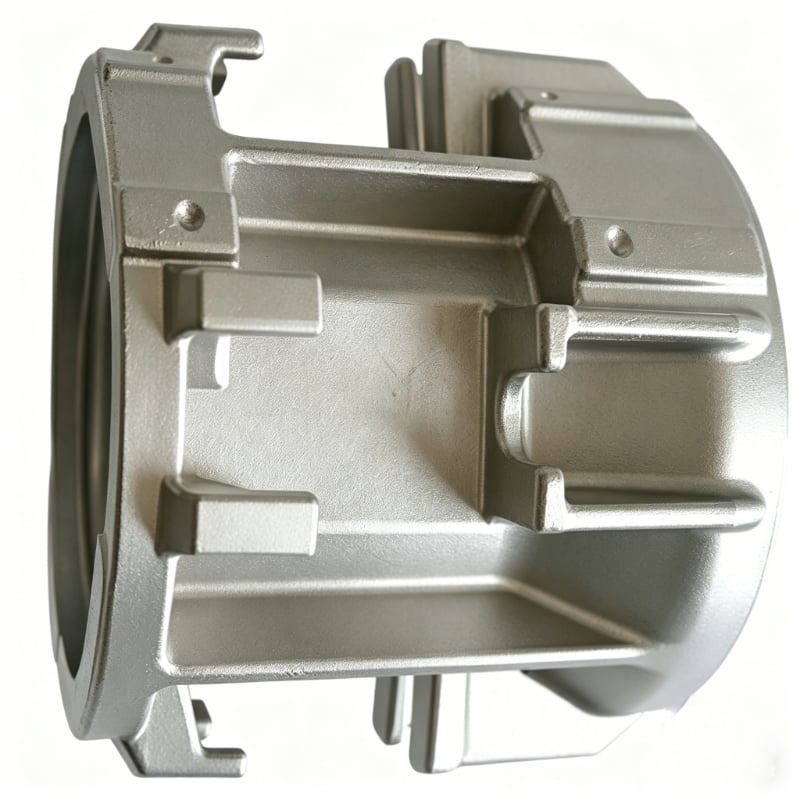
rapid casting
Rapid casting represents a revolutionary manufacturing methodology that transforms the traditional foundry process by dramatically reducing production timelines while maintaining exceptional quality standards. This advanced technique combines cutting-edge technologies with streamlined workflows to produce metal components in a fraction of the time required by conventional casting methods. The process leverages computerized design systems, automated pattern creation, and accelerated solidification techniques to deliver finished parts quickly without compromising structural integrity or dimensional accuracy. Rapid casting serves as an ideal solution for businesses requiring fast turnaround times for prototypes, low-volume production runs, or urgent replacement parts. The main functions of rapid casting encompass the swift creation of complex geometries, the ability to produce both ferrous and non-ferrous metal components, and the capacity to generate multiple iterations during the development phase. Technological features include digital pattern generation using CAD models, precision molding with advanced materials, and controlled cooling processes that enhance mechanical properties. The integration of 3D printing technology for pattern creation eliminates the need for expensive tooling, while automated pouring systems ensure consistent metal distribution throughout the mold cavity. Temperature monitoring systems and simulation software predict solidification behavior, minimizing defects and improving first-time-right production rates. Applications for rapid casting span numerous industries including aerospace, automotive, medical devices, industrial equipment, and artistic sculptures. Manufacturers utilize this process for creating turbine blades, engine components, custom brackets, surgical instruments, and architectural elements. The versatility of rapid casting allows producers to work with various alloys including aluminum, bronze, steel, iron, and specialty metals, accommodating diverse performance requirements. This manufacturing approach bridges the gap between prototype development and full-scale production, offering flexibility that traditional foundries cannot match while delivering components that meet rigorous quality specifications and performance standards demanded by modern engineering applications.

 EN
EN