Professional Prototype Casting Services: Fast, Accurate Product Development Solutions

Get a Free Quote

Our representative will contact you soon.
Email
Name
Company Name
Message
0/1000

prototype casting

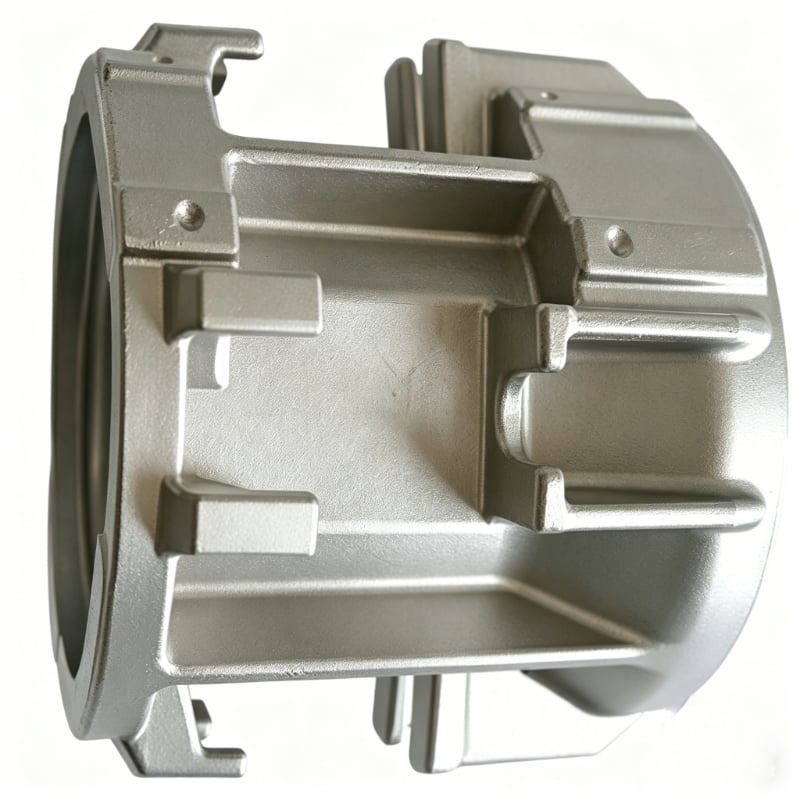
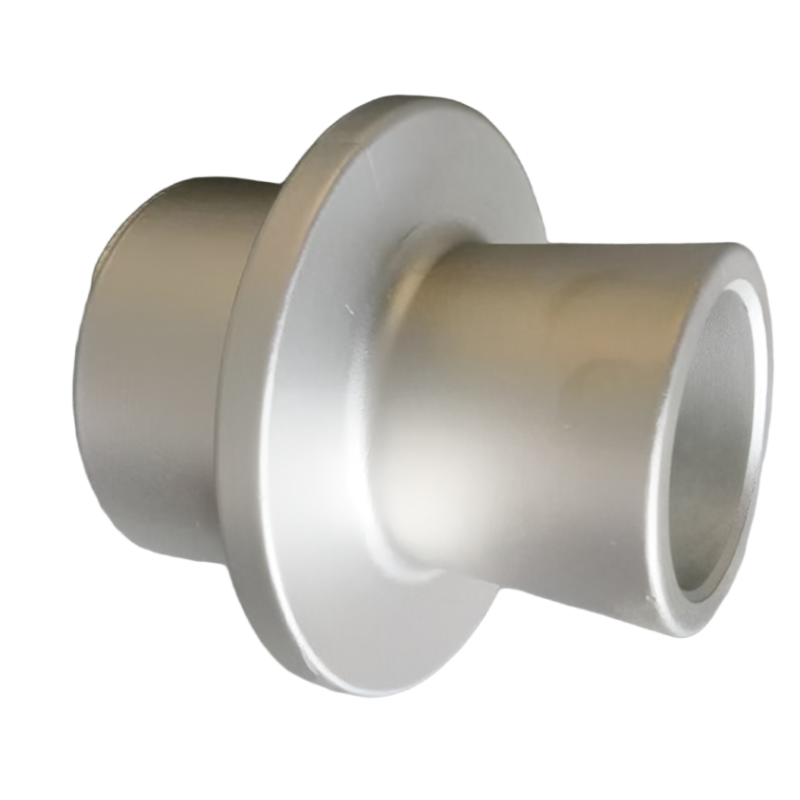
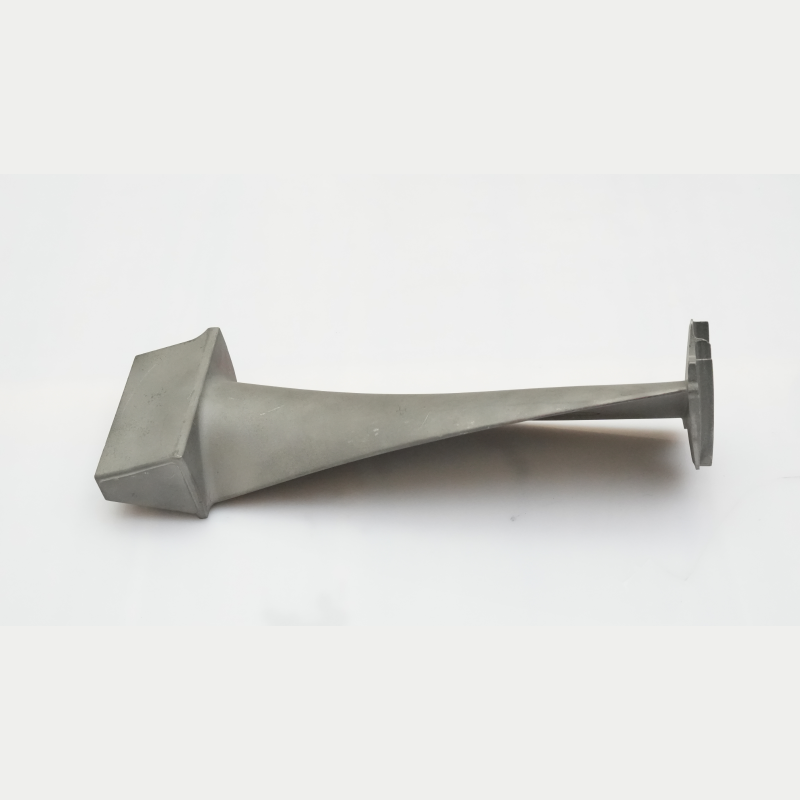
Prototype casting represents a revolutionary manufacturing process that bridges the gap between initial design concepts and full-scale production. This sophisticated technique enables engineers, designers, and manufacturers to create physical models of their components quickly and cost-effectively before committing to expensive mass production tooling. The prototype casting process involves creating molds from original patterns and pouring molten metal or other materials into these molds to produce functional parts that accurately represent the final product. This method serves multiple critical functions throughout the product development cycle, from initial design verification to performance testing and market validation. The technological features of prototype casting include rapid turnaround times, exceptional dimensional accuracy, and the ability to work with various materials including aluminum, bronze, steel, and specialized alloys. Modern prototype casting facilities employ advanced computer-aided design systems, precision machining equipment, and quality control technologies to ensure each cast part meets exact specifications. The applications of prototype casting span numerous industries including automotive, aerospace, medical devices, industrial equipment, consumer products, and artistic sculptures. Automotive manufacturers utilize prototype casting to test engine components, transmission housings, and structural elements before investing in production dies. Aerospace companies rely on this process to validate turbine blades, airframe components, and specialized fittings that must meet stringent safety standards. Medical device developers employ prototype casting to create surgical instruments, implant components, and diagnostic equipment housings. The versatility of prototype casting allows for complex geometries, intricate details, and varied wall thicknesses that would be difficult or impossible to achieve through other manufacturing methods. This process accommodates both small batch production runs and single prototype pieces, making it ideal for startups, research institutions, and established corporations exploring new product lines. The prototype casting method provides tangible parts that stakeholders can examine, test, and refine, significantly reducing the risk of costly mistakes during full-scale production launches.

New Products

The benefits of prototype casting extend far beyond simple part creation, offering tangible value that directly impacts your bottom line and project success. First and foremost, this process dramatically reduces your time to market by allowing you to hold and test physical parts within days or weeks rather than waiting months for traditional tooling. You can make informed decisions quickly because you have actual components in hand rather than relying solely on computer simulations or theoretical models. The cost savings prove substantial since you avoid investing tens of thousands of dollars in production tooling before validating your design works as intended. If modifications become necessary, you simply adjust the prototype casting molds rather than scrapping expensive permanent dies. This flexibility allows you to experiment with different design iterations, test multiple concepts simultaneously, and refine your product based on real-world feedback from potential customers or end users. The prototype casting process delivers parts with mechanical properties closely matching those of production components, enabling meaningful performance testing under actual operating conditions. You can conduct stress tests, thermal cycling, fit checks with mating components, and functional evaluations that reveal potential issues before they become expensive production problems. The visual and tactile quality of cast prototypes helps you secure investor funding, gain customer approvals, and generate pre-launch market interest more effectively than digital renderings alone. Your engineering team benefits from hands-on interaction with physical prototypes, often discovering design improvements that computer screens cannot reveal. The process accommodates design changes seamlessly, supporting your iterative development approach without imposing prohibitive costs or delays. You maintain competitive advantages by accelerating innovation cycles and responding rapidly to market opportunities or technical challenges. Manufacturing partners appreciate receiving proven designs with validated functionality, reducing their risk and streamlining the transition to volume production. The prototype casting approach supports your intellectual property development by creating physical embodiments of your innovations for patent applications and trade secret protection. Quality issues surface early when you can inspect actual parts rather than discovering problems after production launch. Your marketing team gains powerful tools for trade show displays, customer demonstrations, and promotional photography using real products rather than mockups. The financial predictability of prototype casting helps you budget accurately since costs remain consistent and transparent throughout the development process. Risk mitigation becomes achievable when you identify and resolve technical challenges during the prototype phase rather than after market launch. This manufacturing method scales smoothly from prototype quantities to bridge production runs, providing continuity as your product gains market traction and volume requirements increase.

Practical Tips

Basic Principles Of Design Of Precision Casting Gating System

11

May

Basic Principles Of Design Of Precision Casting Gating System

View More
The Role Of Elements In Castings And The Order Of Addition

11

May

The Role Of Elements In Castings And The Order Of Addition

View More
Stainless Steel Castings for Architectural Posts

11

May

Stainless Steel Castings for Architectural Posts

View More
Precision Stainless Steel Exhaust Manifold Casting Solution For Luxury Sedan - With Japanese First-Tier Car Brand

11

May

Precision Stainless Steel Exhaust Manifold Casting Solution For Luxury Sedan - With Japanese First-Tier Car Brand

View More

Get a Free Quote

Our representative will contact you soon.
Email
Name
Company Name
Message
0/1000

prototype casting

Accelerated Design Validation and Risk Reduction

Accelerated Design Validation and Risk Reduction

The prototype casting process transforms abstract design concepts into tangible reality with remarkable speed, fundamentally changing how you approach product development and risk management. Traditional manufacturing pathways force you to commit substantial financial resources to production tooling before knowing whether your design functions correctly, fits properly with other components, or meets user expectations. This conventional approach carries enormous risk because discovering problems after tooling investment means either accepting flawed products or absorbing significant losses to create corrected tooling. Prototype casting eliminates this dangerous uncertainty by providing functional parts quickly and affordably, allowing comprehensive validation before major financial commitments. When you receive cast prototypes within days of finalizing your design, your entire team can physically examine the parts, identify potential improvements, and conduct meaningful tests that computer simulations cannot replicate. Engineers discover interference issues by assembling prototypes with mating components, revealing clearance problems that drawings might not show. Quality specialists evaluate surface finishes, dimensional tolerances, and material characteristics using the same inspection equipment planned for production parts. Design teams assess ergonomics, aesthetics, and user interaction elements by placing prototypes in the hands of focus groups or beta testers. Performance engineers subject cast prototypes to operational stresses, thermal conditions, and durability testing that exposes weaknesses requiring design modifications. The ability to iterate rapidly through multiple design versions using prototype casting accelerates your learning curve dramatically, compressing months of theoretical analysis into weeks of practical testing. Each iteration builds knowledge and confidence, progressively refining your design toward optimal performance and manufacturability. The prototype casting method reveals subtle issues that often escape detection during computer-aided design work, such as porosity concerns, draft angle requirements, undercut challenges, and parting line locations that affect both functionality and appearance. By identifying these manufacturing considerations early, you can adjust designs to improve production efficiency and reduce future manufacturing costs. The risk reduction extends beyond technical performance to encompass market validation, as you can present physical prototypes to potential customers, gather feedback, and adjust features before committing to volume production. This customer-centric approach ensures your final product resonates with target users rather than reflecting untested assumptions about their needs and preferences.
Material Versatility and Authentic Performance Testing

Material Versatility and Authentic Performance Testing

The extraordinary material flexibility inherent in prototype casting delivers critical advantages that distinguish this process from alternative prototyping methods and ensures your testing results accurately predict production performance. Unlike additive manufacturing techniques that limit material choices or machined prototypes using stock that differs from production materials, prototype casting allows you to create parts from the exact alloys and compositions planned for volume manufacturing. This material authenticity proves essential when mechanical properties, thermal characteristics, corrosion resistance, or electrical conductivity directly impact product functionality and safety. Aluminum prototype casting provides lightweight components with excellent strength-to-weight ratios for automotive and aerospace applications where mass reduction directly improves fuel efficiency and performance. Bronze castings offer superior wear resistance and bearing properties for mechanical assemblies requiring low friction and long service life. Steel prototype casting delivers the strength, toughness, and hardness necessary for structural components, tooling elements, and high-stress applications. Specialized alloys including magnesium for extreme weight savings, zinc for intricate details and dimensional stability, or titanium for biocompatibility and corrosion resistance become accessible through prototype casting processes. This material diversity empowers you to test prototypes under authentic operating conditions, generating performance data that reliably predicts how production parts will behave in actual service. Mechanical testing of cast prototypes yields accurate values for tensile strength, yield point, elongation, hardness, and impact resistance because the material structure closely replicates production casting microstructures. Thermal testing reveals actual heat dissipation, thermal expansion, and high-temperature stability rather than approximations based on different materials. Corrosion testing in aggressive environments produces meaningful results when prototypes share the same alloy composition as planned production parts. The prototype casting approach enables you to compare multiple material options by creating identical parts in different alloys, conducting parallel testing programs, and selecting the optimal material based on empirical performance data rather than theoretical specifications. This comparative testing often reveals surprising results where materials performing well in computer simulations prove problematic in physical testing, or where unexpected candidates demonstrate superior real-world performance. The ability to conduct authentic performance validation using prototype casting reduces uncertainty, builds confidence in material selections, and prevents costly post-launch failures caused by inappropriate material choices. Beyond mechanical properties, cast prototypes allow evaluation of surface finish quality, coating adhesion, secondary machining characteristics, and assembly processes using production-representative materials that behave authentically during manufacturing operations.
Cost Efficiency Throughout Product Development Lifecycle

Cost Efficiency Throughout Product Development Lifecycle

The financial advantages of prototype casting extend throughout your entire product development journey, delivering value that compounds across multiple project phases and significantly improves return on investment compared to traditional development approaches. Initial cost benefits appear immediately as prototype casting requires minimal tooling investment compared to production dies, which often cost between fifty thousand and several hundred thousand dollars depending on part complexity and size. Prototype casting molds cost a fraction of this amount, typically representing ten to twenty percent of production tooling expenses while still delivering functional parts suitable for comprehensive testing and evaluation. This dramatic cost reduction democratizes access to physical prototypes, allowing startups with limited budgets and established corporations exploring speculative concepts to afford proper validation before major financial commitments. The economic efficiency continues through iterative development phases as design modifications require only new patterns or minor mold adjustments rather than expensive die rework or complete tooling replacement. When testing reveals necessary changes, you simply create updated prototype casting molds incorporating the improvements, maintaining development momentum without budget-crushing setbacks. The cost predictability of prototype casting helps financial planning since pricing remains stable and transparent, avoiding the unpleasant surprises that sometimes accompany custom manufacturing processes. Your procurement team can budget confidently knowing that prototype casting costs scale linearly with part quantity and complexity rather than involving hidden charges or unexpected premiums. The prototype casting investment protects against much larger potential losses by identifying design flaws, manufacturing challenges, or market misalignments before production launch when correction costs escalate dramatically. A ten-thousand-dollar prototype casting program that prevents a two-hundred-thousand-dollar production tooling mistake delivers a twenty-fold return on investment while also avoiding schedule delays and market opportunity losses. The financial benefits extend to accelerated revenue generation as faster development cycles enabled by prototype casting allow earlier market entry, capturing sales that competitors still developing their products cannot access. Early customer feedback gathered using cast prototypes informs marketing strategies, pricing decisions, and feature prioritization in ways that maximize commercial success and revenue potential. Manufacturing cost optimization becomes achievable when prototype casting reveals design features that complicate production, allowing modifications that reduce per-unit manufacturing expenses across the product lifecycle. The cumulative savings from improved manufacturability often dwarf initial prototype casting investments, delivering ongoing financial benefits throughout production runs potentially spanning years or decades. Bridge production using prototype casting methods provides cost-effective manufacturing for initial market quantities, allowing revenue generation and customer validation before committing to high-volume tooling investments. This staged investment approach aligns capital expenditure with market validation and revenue generation rather than requiring full tooling investment based on sales projections that may prove optimistic.

Get a Free Quote

Our representative will contact you soon.
Email
Name
Company Name
Message
0/1000