Rapid Investment Casting Services - Fast, Precise Metal Component Manufacturing

Get a Free Quote

Our representative will contact you soon.
Email
Name
Company Name
Message
0/1000

rapid investment casting

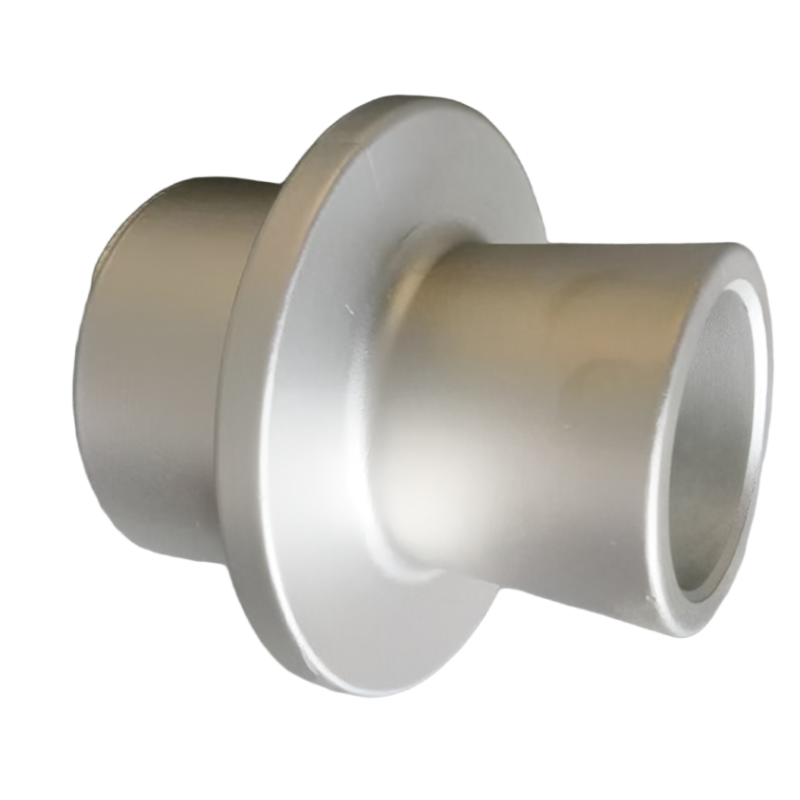
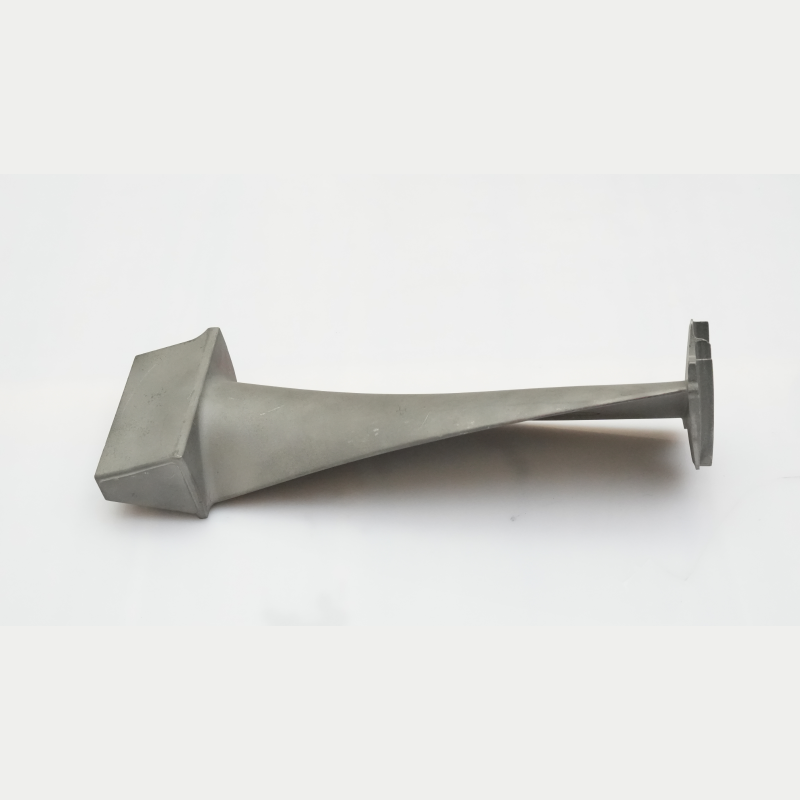
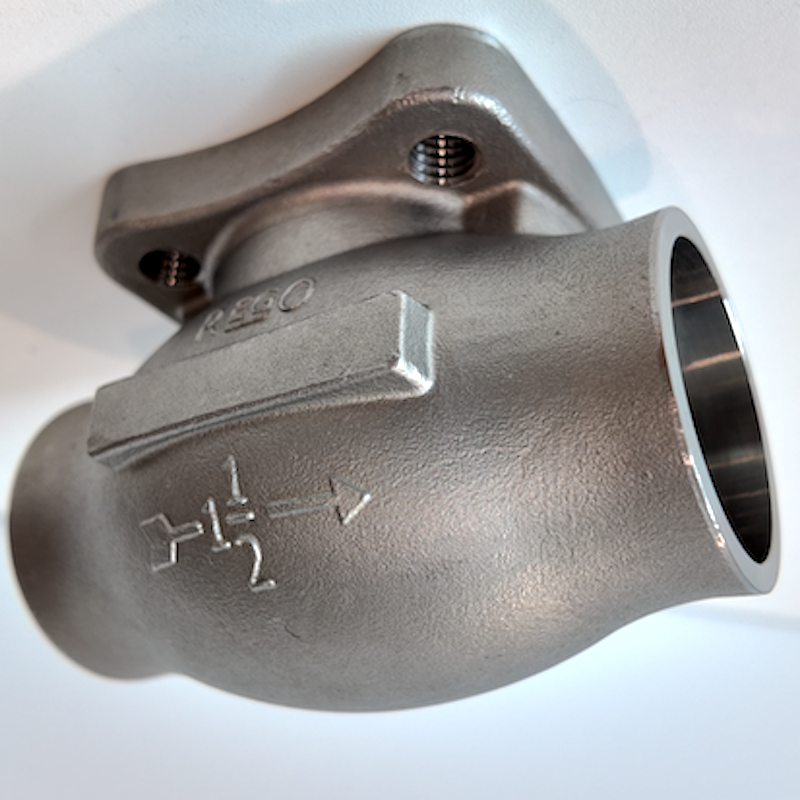
Rapid investment casting represents a revolutionary manufacturing method that combines traditional investment casting principles with modern acceleration techniques to produce high-quality metal components in significantly reduced timeframes. This advanced process utilizes specialized materials and streamlined procedures to create intricate metal parts with exceptional dimensional accuracy and superior surface finishes. The main function of rapid investment casting centers on transforming digital designs into physical metal components through an expedited process that begins with creating a pattern, typically using 3D printing technology or rapid prototyping methods, followed by shell building, burnout, metal pouring, and finishing operations. This manufacturing approach serves industries requiring complex geometries, tight tolerances, and quick turnaround times without compromising quality standards. The technological features distinguishing rapid investment casting include integration with computer-aided design systems, utilization of quick-cure ceramic shell materials, implementation of automated pattern production, and adoption of optimized thermal processing cycles. These innovations collectively reduce production lead times from weeks to days while maintaining the precision characteristics inherent to traditional investment casting. Applications for rapid investment casting span numerous sectors including aerospace engineering where lightweight turbine blades and structural components demand exact specifications, medical device manufacturing requiring biocompatible implants and surgical instruments, automotive performance parts necessitating complex internal passages for cooling or fluid flow, industrial equipment components, defense applications, and specialized machinery parts. The process accommodates various metal alloys including stainless steels, aluminum alloys, titanium, cobalt-chrome, and precious metals, making it exceptionally versatile for diverse production requirements. Companies benefit from rapid investment casting when developing prototypes, manufacturing low to medium volume production runs, or creating custom components with intricate features that would prove difficult or impossible through conventional machining methods. The technology bridges the gap between prototype development and full-scale manufacturing, enabling engineers and product developers to test functional metal parts early in the design cycle, identify potential issues, and refine specifications before committing to expensive tooling investments required for high-volume production methods.

Popular Products

Rapid investment casting delivers substantial time savings that directly impact project timelines and market entry speeds. Traditional casting methods often require four to eight weeks for pattern tooling and initial part production, whereas rapid investment casting compresses this timeframe to as little as five to ten days, allowing businesses to respond quickly to market demands, customer requests, and competitive pressures. This acceleration proves particularly valuable during product development phases when multiple design iterations require physical testing and validation. The cost efficiency of rapid investment casting becomes evident when evaluating small batch production and prototype manufacturing scenarios. Companies avoid expensive permanent tooling investments that traditional methods demand, instead leveraging digital files and additive manufacturing for pattern creation. This approach eliminates minimum order quantities that make conventional casting economically prohibitive for limited production runs. Businesses pay only for the parts they need without absorbing tooling costs that might never be recovered through production volumes. The design freedom inherent to rapid investment casting empowers engineers to create components with complex internal cavities, undercuts, thin walls, and intricate external features that challenge or exceed the capabilities of machining, forging, or fabrication processes. This geometric flexibility enables optimization of part performance through features like internal cooling channels, weight reduction through strategic material removal, and consolidation of multiple assembled components into single cast pieces that reduce assembly time and potential failure points. Material versatility represents another significant advantage as rapid investment casting accommodates an extensive range of metal alloys tailored to specific application requirements. Whether projects demand corrosion resistance from stainless steel, strength-to-weight performance from titanium, biocompatibility for medical applications, or high-temperature capability from superalloys, the process adapts to material specifications without requiring substantial process modifications. The superior surface quality and dimensional accuracy achieved through rapid investment casting minimize or eliminate secondary machining operations, reducing overall production costs and preserving material integrity. Parts emerge from the process with smooth surfaces and tight tolerances, often requiring only minimal finishing work before assembly or installation. Quality consistency across production runs ensures that each component meets exacting standards, reducing rejection rates and material waste. The environmental benefits deserve consideration as rapid investment casting generates less material waste compared to subtractive manufacturing methods where significant portions of raw material become chips and scrap. The process uses precisely the amount of metal needed for each component plus gating systems that can often be recycled. Furthermore, the ability to test designs rapidly and refine them before committing to large production volumes prevents the waste associated with discovering design flaws after manufacturing thousands of defective parts. For businesses managing intellectual property and proprietary designs, rapid investment casting offers confidentiality advantages since production can occur without creating permanent tooling that might be accessed by unauthorized parties or require storage in shared facilities.

Practical Tips

Basic Principles Of Design Of Precision Casting Gating System

11

May

Basic Principles Of Design Of Precision Casting Gating System

View More
Selection And Application Scope Of Hardness Tester

11

May

Selection And Application Scope Of Hardness Tester

View More
The Role Of Elements In Castings And The Order Of Addition

11

May

The Role Of Elements In Castings And The Order Of Addition

View More
Precision Stainless Steel Exhaust Manifold Casting Solution For Luxury Sedan - With Japanese First-Tier Car Brand

11

May

Precision Stainless Steel Exhaust Manifold Casting Solution For Luxury Sedan - With Japanese First-Tier Car Brand

View More

Get a Free Quote

Our representative will contact you soon.
Email
Name
Company Name
Message
0/1000

rapid investment casting

Accelerated Production Timeline Transforms Project Management

Accelerated Production Timeline Transforms Project Management

The accelerated production timeline offered by rapid investment casting fundamentally transforms how businesses approach manufacturing project management and product development cycles. Traditional investment casting requires substantial upfront time for creating master patterns, developing tooling, and establishing production parameters, often consuming six to twelve weeks before the first acceptable part emerges. This extended timeline creates bottlenecks in product development, delays market introduction, and limits the ability to respond to evolving customer requirements or competitive pressures. Rapid investment casting disrupts this conventional timeline by integrating digital design tools with advanced manufacturing technologies that compress the pattern-to-part journey into a fraction of the traditional duration. The process begins when engineers finalize digital designs in computer-aided design software, which then directly feeds additive manufacturing equipment that produces casting patterns without intermediate tooling steps. This direct digital-to-physical transformation eliminates weeks of traditional pattern making, allowing companies to move from approved design to physical metal component in as little as one week for simple geometries and two weeks for complex configurations. The implications of this acceleration extend throughout business operations, enabling rapid prototyping where engineers physically test multiple design variations to identify optimal configurations before committing to production specifications. Product development teams gain the ability to hold actual metal parts during design reviews rather than relying solely on computer simulations or non-functional models, leading to more informed decisions about design features, assembly interfaces, and performance characteristics. Manufacturing planning benefits as production engineers evaluate casting characteristics, identify potential defects, and optimize process parameters using actual production material rather than substitute materials that may not accurately represent final part behavior. For businesses operating in competitive markets where time-to-market determines success, rapid investment casting provides strategic advantages by enabling earlier product launches that capture market share before competitors introduce similar offerings. The technology also supports agile manufacturing philosophies where production volumes align closely with actual demand rather than requiring large inventory buildups to justify tooling investments. Companies can manufacture initial quantities to satisfy immediate customer needs, gather performance feedback, implement design refinements, and produce subsequent batches with improved specifications, all within timeframes that keep pace with market evolution and customer expectations.
Cost-Effective Solution for Complex Component Manufacturing

Cost-Effective Solution for Complex Component Manufacturing

Rapid investment casting emerges as a cost-effective solution particularly advantageous for manufacturing complex metal components in low to medium production volumes where traditional methods prove economically prohibitive. The financial dynamics of metal part production typically involve balancing tooling investments against per-unit production costs, with conventional approaches requiring substantial upfront expenditures for permanent patterns, dies, or molds that only become economical when amortized across thousands or tens of thousands of units. This economic reality forces businesses into difficult decisions: either commit to large production volumes with associated inventory carrying costs and obsolescence risks, or accept extremely high per-unit costs for small batches, or compromise design intent by selecting manufacturing methods suited to their budget rather than their engineering requirements. Rapid investment casting resolves these dilemmas by restructuring the cost equation through elimination or dramatic reduction of permanent tooling requirements. Instead of investing thousands or tens of thousands of dollars in conventional pattern equipment, companies utilize digital files and additive manufacturing to produce patterns on demand, paying only for the specific quantities needed for each production run. This approach transforms fixed costs into variable costs that scale proportionally with production volumes, making small batches economically viable and eliminating the pressure to manufacture excess inventory to justify tooling investments. The financial benefits extend beyond direct tooling savings to encompass reduced inventory costs, lower obsolescence risk, and improved cash flow management since companies need not tie up capital in large component inventories. For businesses developing new products with uncertain market reception, rapid investment casting minimizes financial exposure by enabling production of initial market quantities without the commitment required by traditional tooling investments. If market response proves disappointing, companies avoid the sunk costs of expensive tooling that produces unwanted inventory; if response exceeds expectations, additional production proceeds quickly without capacity constraints imposed by tooling bottlenecks. The design flexibility inherent to rapid investment casting also delivers cost benefits by enabling part consolidation where multiple machined or fabricated components combine into single cast pieces, reducing assembly labor, eliminating fasteners, decreasing potential failure points, and simplifying inventory management. Complex internal features like cooling passages, lightening pockets, or fluid channels that would require elaborate machining setups or prove impossible through conventional methods integrate seamlessly into cast components without incremental cost penalties, allowing engineers to optimize designs for performance rather than manufacturing convenience.
Exceptional Design Versatility Enables Engineering Innovation

Exceptional Design Versatility Enables Engineering Innovation

The exceptional design versatility provided by rapid investment casting enables engineering innovation by removing many geometric constraints that limit other manufacturing processes and empowering designers to optimize components for performance rather than manufacturing convenience. Traditional manufacturing methods like machining, forging, and fabrication impose significant design restrictions based on tool access requirements, draft angles for mold release, welding limitations, or multi-axis machining complexity that increase costs dramatically for intricate features. These constraints often force engineers into compromises where ideal component geometry yields to manufacturing practicality, resulting in parts that meet functional requirements but fall short of optimal performance potential. Rapid investment casting liberates designers from many of these restrictions by accommodating complex three-dimensional geometries, intricate internal cavities, variable wall thicknesses, and features that would challenge or exceed the capabilities of alternative processes. The technology supports near-net-shape production where cast components closely approximate final dimensions, minimizing material removal and preserving structural integrity by avoiding machining operations that might compromise grain structure or introduce residual stresses. Engineers leverage this geometric freedom to create components with organic shapes that optimize stress distribution, reduce weight through strategic material placement, and integrate multiple functions into consolidated designs. Internal cooling channels that improve thermal management in high-temperature applications, lattice structures that maximize strength while minimizing weight, and complex surface textures that enhance aerodynamic performance or biological integration all become practical rather than theoretical concepts. The process accommodates thin walls that reduce component weight without sacrificing structural integrity, thick sections where stress concentrations demand additional material, and smooth transitions between different wall thicknesses that conventional casting methods might struggle to fill completely. Undercuts, internal cavities, and features that would require complex core arrangements or prove impossible through other methods integrate naturally into rapid investment casting designs, expanding the solution space available to engineering teams facing challenging application requirements. This design versatility proves particularly valuable in industries like aerospace where weight reduction directly impacts fuel efficiency and performance, medical devices where complex geometries accommodate biological structures and optimize patient outcomes, and performance automotive applications where power-to-weight ratios determine competitive advantage. The ability to rapidly iterate designs, test physical prototypes, and refine specifications based on actual performance data rather than simulations alone accelerates innovation cycles and increases confidence that final production components will meet or exceed application requirements under real-world operating conditions.

Get a Free Quote

Our representative will contact you soon.
Email
Name
Company Name
Message
0/1000