prototype investment casting
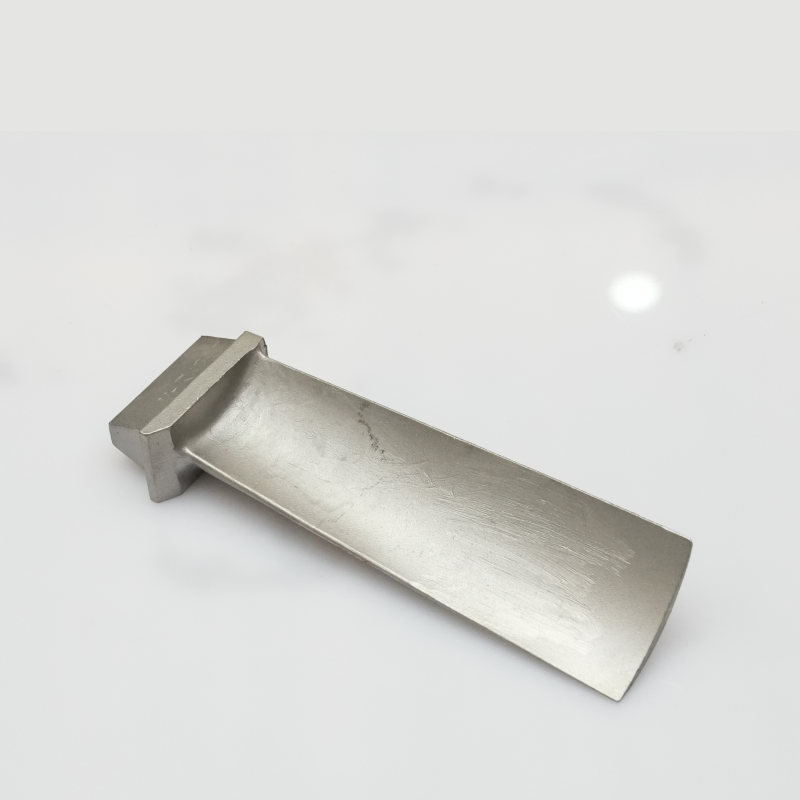
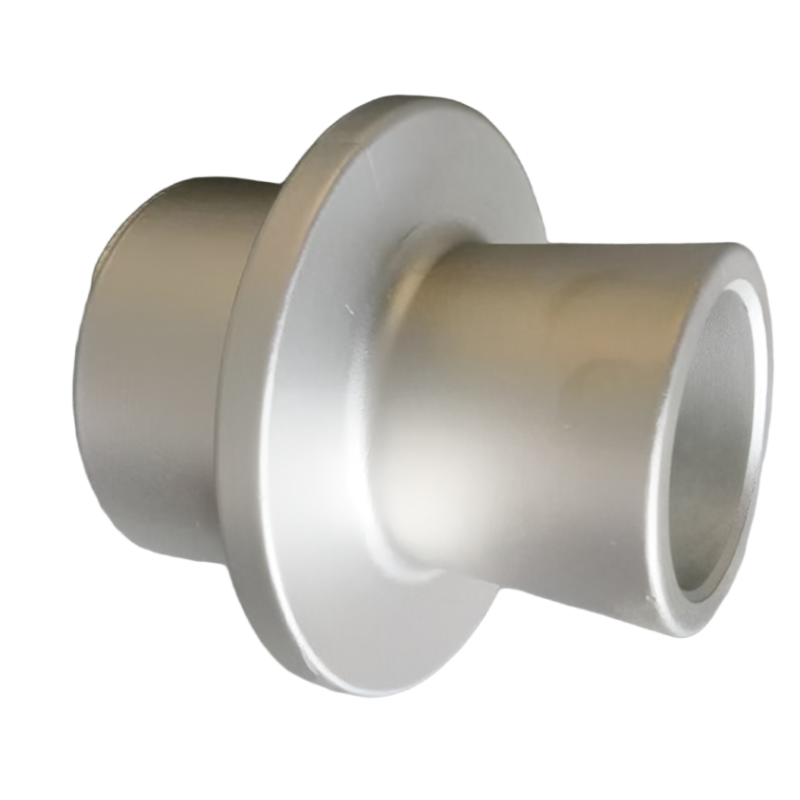
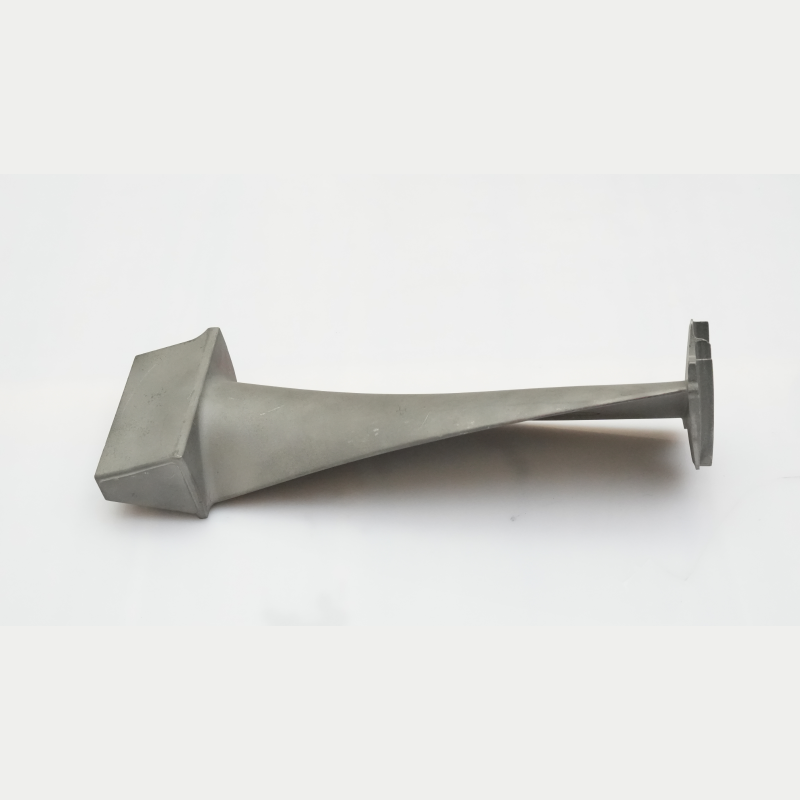
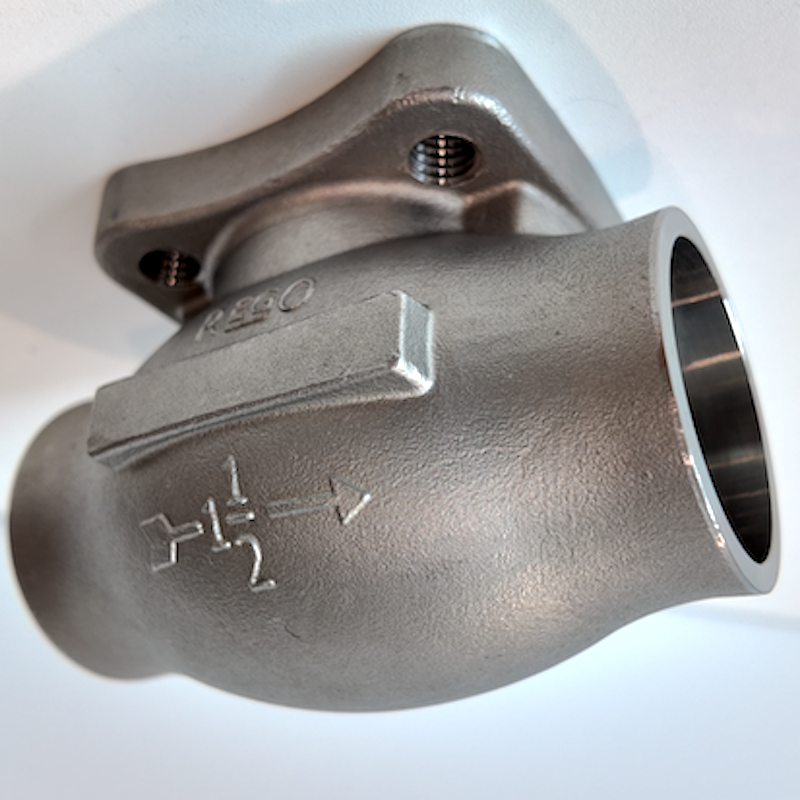
Prototype investment casting represents a sophisticated manufacturing process that transforms innovative designs into tangible metal components with exceptional precision and detail. This advanced technique serves as a bridge between conceptual development and full-scale production, allowing engineers and designers to validate their ideas before committing to mass manufacturing. The prototype investment casting method involves creating a precise wax pattern that replicates the desired final component, coating it with ceramic material to form a mold, melting away the wax to leave a cavity, and pouring molten metal into this space to create the finished part. This process excels at producing components with complex geometries, intricate details, and tight tolerances that would be difficult or impossible to achieve through conventional machining methods. The main functions of prototype investment casting include rapid product development, design verification, functional testing, and small-batch production runs. Technological features distinguish this manufacturing approach from alternative methods, including the ability to cast virtually any metal alloy, produce parts with smooth surface finishes requiring minimal post-processing, achieve dimensional accuracy within thousandths of an inch, and create components with internal passages or undercuts. Applications span numerous industries where precision and performance are critical requirements. Aerospace manufacturers rely on prototype investment casting to develop turbine blades, structural brackets, and engine components that must withstand extreme temperatures and stresses. Medical device companies utilize this process to create surgical instruments, implantable devices, and diagnostic equipment that demand biocompatibility and exact specifications. Automotive engineers employ prototype investment casting for developing high-performance engine parts, transmission components, and specialized hardware. Industrial machinery, defense systems, energy generation equipment, and consumer products also benefit from this versatile manufacturing technique that delivers production-quality prototypes for comprehensive evaluation before large-scale manufacturing commitments.

 EN
EN