Solución rentable para producción de bajo volumen
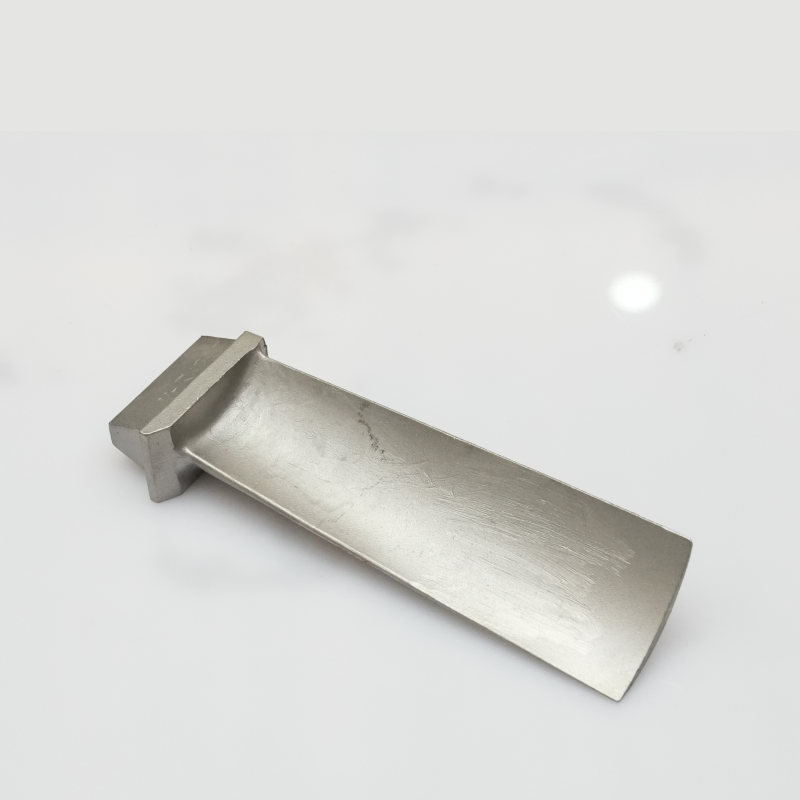
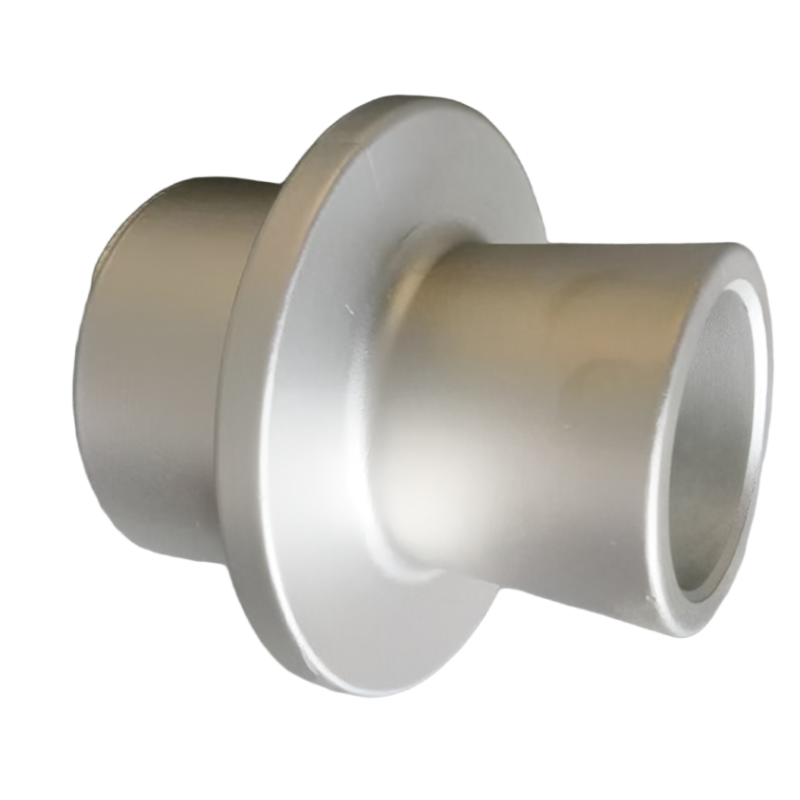
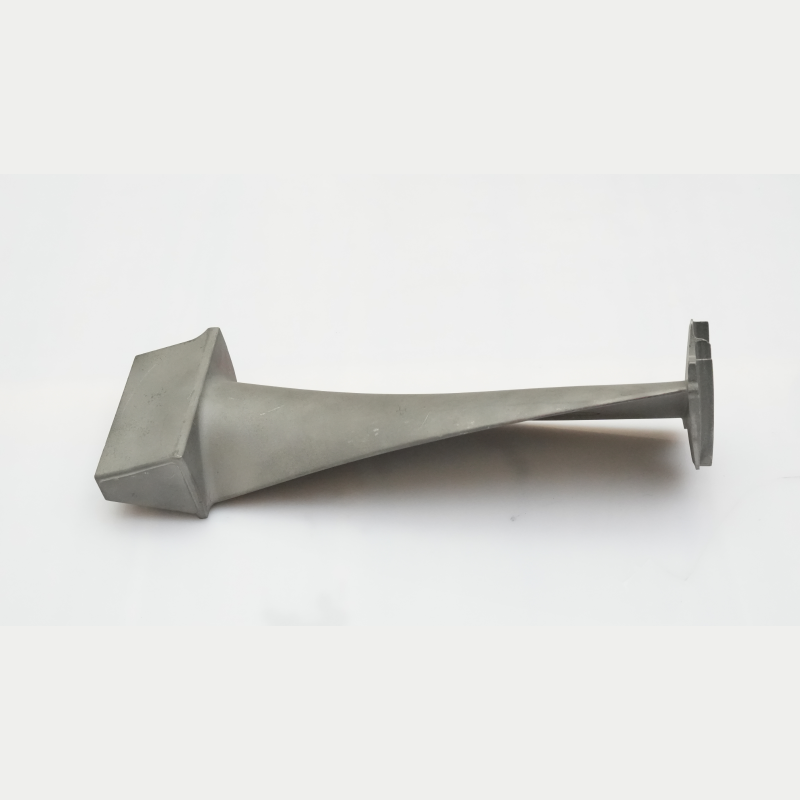
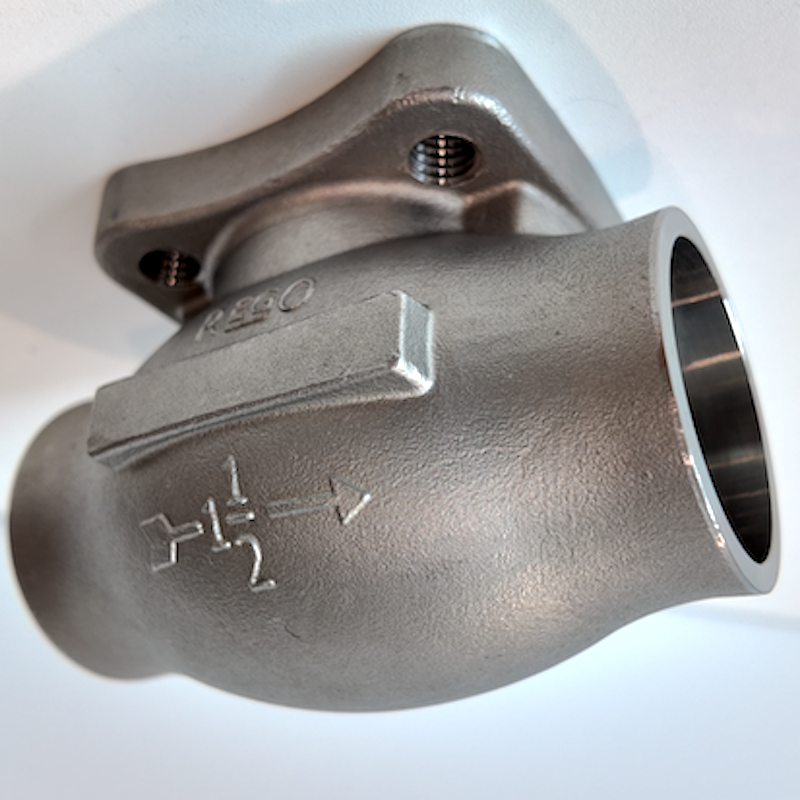
Las consideraciones financieras influyen considerablemente en las decisiones de fabricación, especialmente durante las fases de desarrollo del producto, cuando los presupuestos están sometidos a escrutinio y el retorno de la inversión sigue siendo incierto. La fundición a la cera perdida para prototipos ofrece un valor económico excepcional al eliminar los elevados costes de herramientas asociados con los métodos tradicionales de fabricación, al tiempo que proporciona componentes de calidad productiva adecuados para una evaluación rigurosa. La ventaja financiera se vuelve evidente al comparar las estructuras de costes entre distintas opciones de fabricación. Procesos como la fundición a presión, el moldeo por inyección o la forja requieren herramientas costosas cuyos gastos deben amortizarse sobre grandes volúmenes de producción para lograr costes aceptables por pieza. Estas inversiones iniciales pueden alcanzar decenas de miles o incluso cientos de miles de dólares, constituyendo barreras importantes para el desarrollo de prototipos y la producción en volúmenes reducidos. La fundición a la cera perdida para prototipos evita este obstáculo económico mediante el uso de moldes desechables creados específicamente para cada corrida de fundición, distribuyendo los costes de forma uniforme entre las piezas producidas, en lugar de concentrar los gastos inicialmente en herramientas que sirven únicamente para un único diseño. Este modelo económico de pago por uso resulta particularmente ventajoso cuando sus necesidades implican cantidades pequeñas, ya sea un puñado de prototipos para pruebas o series limitadas de producción destinadas a aplicaciones especializadas, lanzamiento al mercado o pedidos personalizados. Usted invierte únicamente en los componentes que realmente necesita, sin tener que encargar cantidades excesivas para justificar los gastos de herramientas ni cumplir con mínimos exigidos por los proveedores. Este enfoque beneficia también el flujo de caja, ya que el capital permanece disponible para otras actividades de desarrollo, en lugar de quedar inmovilizado en activos de herramientas. La flexibilidad se extiende también a las iteraciones de diseño, donde las modificaciones conllevan penalizaciones financieras mínimas. En los procesos tradicionales intensivos en herramientas, los cambios de diseño suelen requerir costosas modificaciones de las herramientas o incluso su sustitución completa, generando fuertes incentivos para congelar prematuramente los diseños antes de que las pruebas exhaustivas confirmen las configuraciones óptimas. La fundición a la cera perdida para prototipos elimina esta presión, permitiendo a su equipo perfeccionar los diseños sobre la base de los resultados de las pruebas sin consecuencias financieras que sesguen la toma de decisiones. Puede optimizar el rendimiento, incorporar mejoras y responder a los comentarios de las partes interesadas a lo largo de todo el ciclo de desarrollo. Los costes de materiales siguen siendo razonables, pues el proceso aprovecha eficientemente el metal con un desperdicio mínimo, y usted selecciona las aleaciones según los requisitos de rendimiento, sin verse obligado a aceptar compromisos impuestos por limitaciones de fabricación. Los componentes resultantes requieren operaciones secundarias mínimas, reduciendo así los costes de mano de obra y eliminando los gastos asociados a mecanizados, rectificados o acabados extensos que otros métodos de fabricación exigen para alcanzar una calidad comparable. En escenarios de producción puente, donde existe demanda antes de que se justifique económicamente la fabricación de las herramientas para producción en serie, la fundición a la cera perdida para prototipos constituye una solución económicamente viable que genera ingresos y satisface a los clientes mientras avanza la validación del mercado, transformando así lo que de otro modo podría representar una brecha no rentable en un período de transición manejable que apoya los objetivos empresariales.

 EN
EN