Prototype Investment Casting Services - Precision Metal Prototyping Solutions

Get a Free Quote

Our representative will contact you soon.
Email
Name
Company Name
Message
0/1000

prototype investment casting

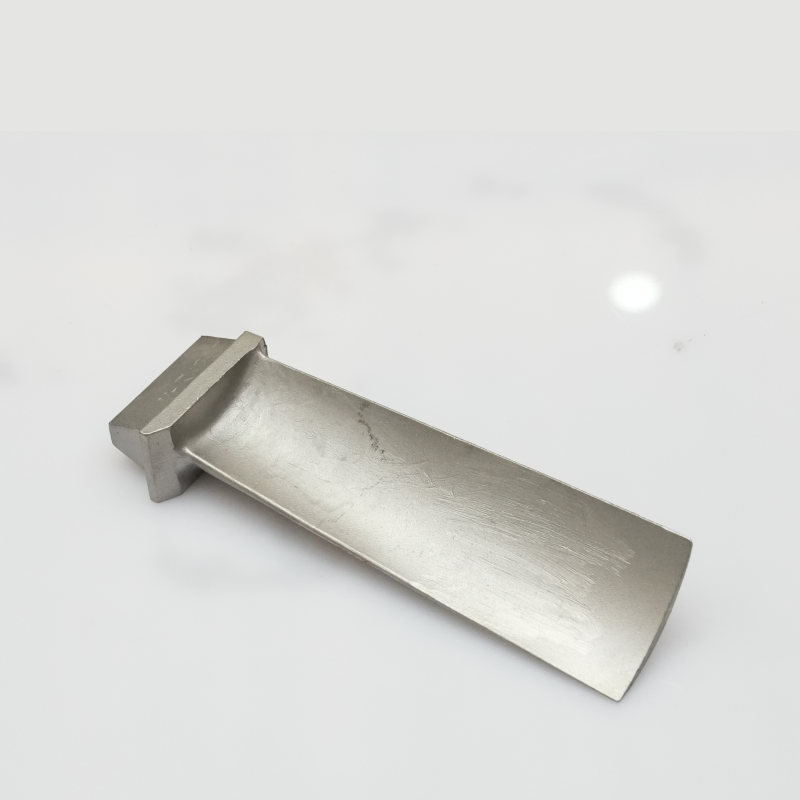
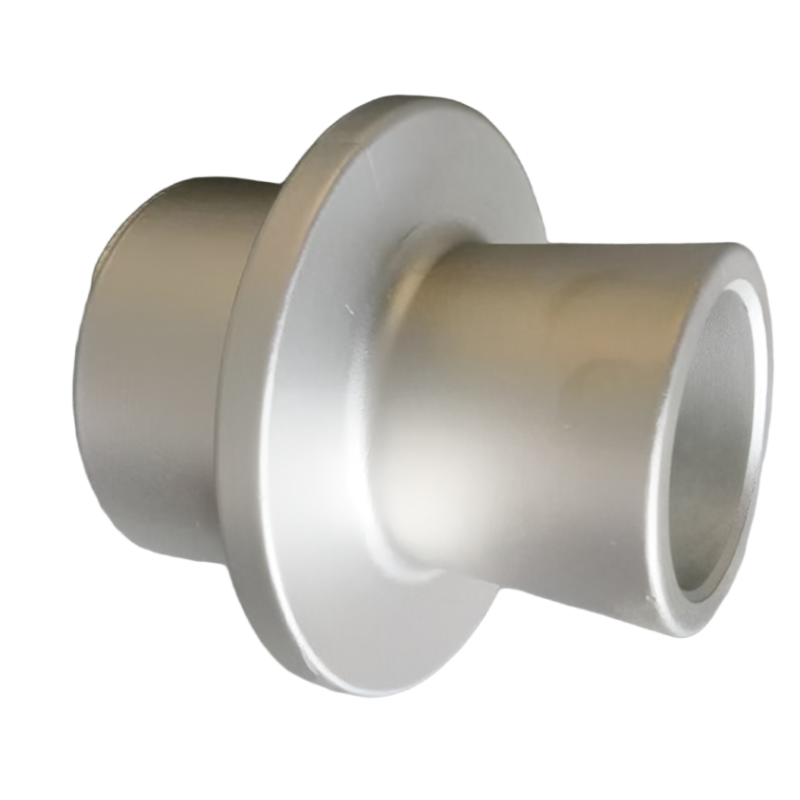
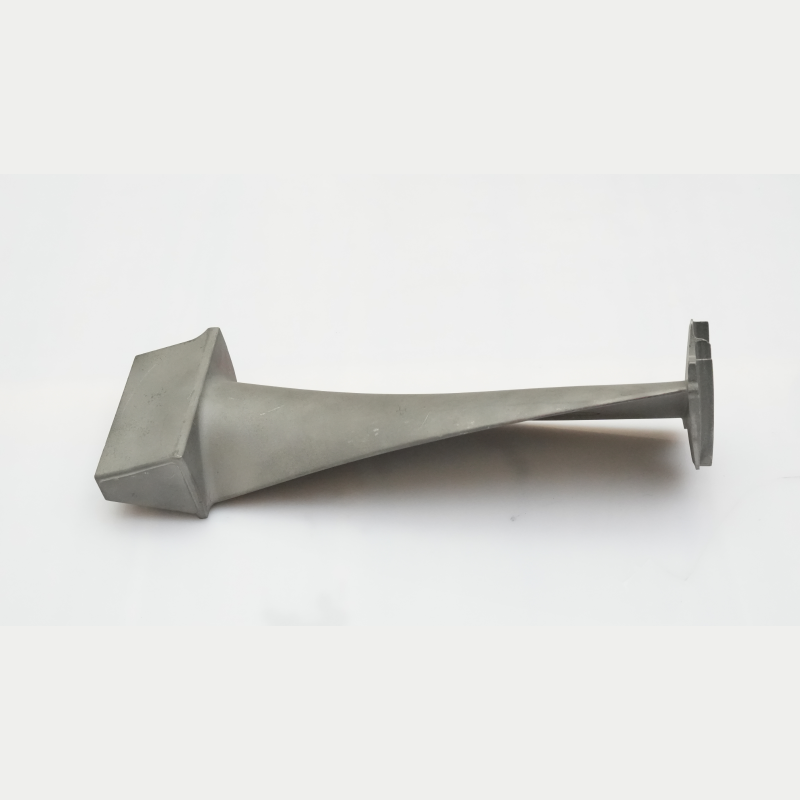
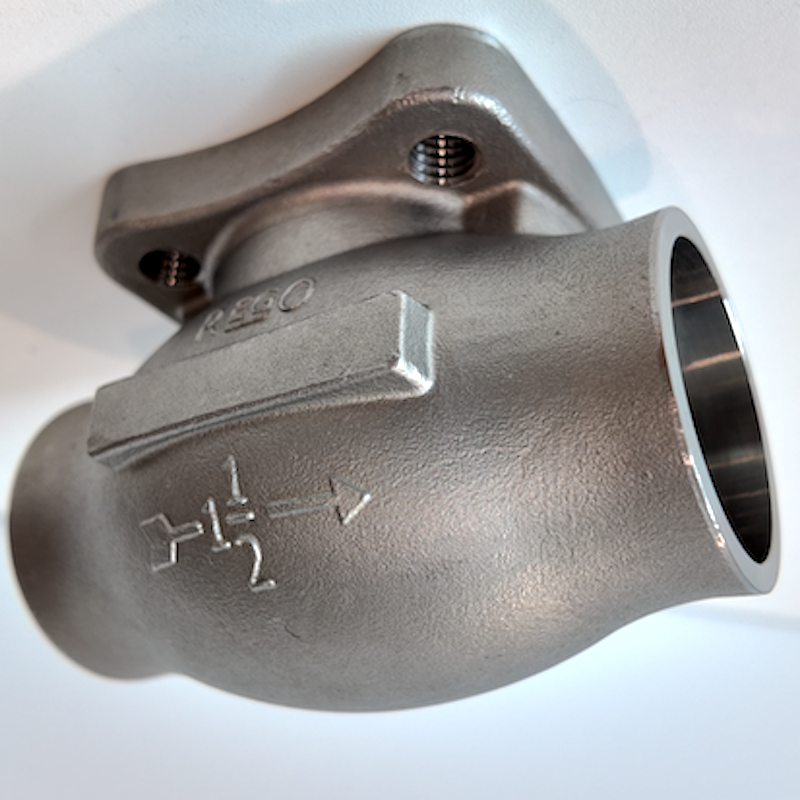
Prototype investment casting represents a sophisticated manufacturing process that combines traditional investment casting techniques with modern rapid prototyping capabilities. This advanced method enables manufacturers to produce high-precision metal components quickly and cost-effectively during the product development phase. The prototype investment casting process begins with creating a detailed wax pattern that exactly replicates the desired final part. This pattern gets coated with multiple layers of ceramic material to form a strong mold shell. Once the shell hardens, the wax melts away during heating, leaving behind a precise cavity. Molten metal then fills this cavity, creating components with exceptional dimensional accuracy and surface finish. The technological features of prototype investment casting include the ability to produce complex geometries that would be difficult or impossible to achieve through conventional machining methods. This process accommodates intricate internal passages, thin walls, and detailed surface textures without requiring additional tooling or secondary operations. Manufacturers can work with various metal alloys including stainless steel, aluminum, bronze, titanium, and specialized high-performance materials. The applications of prototype investment casting span numerous industries where precision and quality matter most. Aerospace companies utilize this method for producing turbine blades, structural components, and engine parts that must withstand extreme temperatures and stresses. Medical device manufacturers rely on prototype investment casting to create surgical instruments, implants, and diagnostic equipment with biocompatible materials. Automotive engineers employ this technique for developing engine components, transmission parts, and specialized hardware. Industrial equipment producers use prototype investment casting for valves, pumps, and machinery components. The process also serves artists and designers who need to create detailed sculptures and decorative pieces in metal. Defense contractors depend on this method for producing weapons systems components and military equipment parts that require exceptional reliability and performance characteristics.

New Product Releases

Prototype investment casting delivers remarkable cost savings during the product development cycle by eliminating expensive tooling investments required for traditional manufacturing methods. Unlike conventional processes that demand costly dies or molds before production can begin, this approach allows engineers to test and refine designs without substantial upfront expenditures. Companies can validate their concepts, perform functional testing, and make necessary adjustments before committing to full-scale manufacturing. This flexibility significantly reduces financial risk and accelerates time-to-market for new products. The precision achieved through prototype investment casting surpasses many alternative manufacturing techniques, with typical tolerances reaching plus or minus 0.005 inches on small components. This exceptional accuracy means parts often require minimal or no secondary machining operations, saving both time and money. The superior surface finish produced by this process typically measures between 125 and 250 micro-inches, eliminating the need for extensive polishing or finishing work. Design freedom represents another compelling advantage that prototype investment casting offers to engineers and product developers. The process accommodates complex shapes, undercuts, and intricate details that would challenge or defeat other manufacturing methods. Engineers can incorporate multiple features into a single component, consolidating assemblies and reducing part counts. This consolidation simplifies inventory management, decreases assembly time, and minimizes potential failure points in finished products. Material versatility stands as a significant benefit, allowing manufacturers to select from a wide range of metal alloys based on specific performance requirements. Whether a project demands the corrosion resistance of stainless steel, the lightweight properties of aluminum, the strength of titanium, or the thermal characteristics of specialized superalloys, prototype investment casting handles these materials effectively. The rapid turnaround time associated with prototype investment casting enables faster iteration cycles during product development. Teams can receive functional metal prototypes within weeks rather than months, allowing for quicker design validation and problem identification. This speed proves invaluable when racing against competitors or responding to market demands. Quality consistency remains exceptionally high throughout production runs, as the ceramic mold process ensures each piece maintains identical specifications. This repeatability gives confidence that prototype performance will translate directly to production parts. Environmental considerations also favor prototype investment casting, as the process generates minimal waste compared to subtractive manufacturing methods. The wax used in pattern creation can be recycled, and metal scraps from gates and runners return to the foundry for remelting and reuse.

Latest News

Selection And Application Scope Of Hardness Tester

11

May

Selection And Application Scope Of Hardness Tester

View More
The Role Of Elements In Castings And The Order Of Addition

11

May

The Role Of Elements In Castings And The Order Of Addition

View More
Stainless Steel Castings for Building Facade Systems

11

May

Stainless Steel Castings for Building Facade Systems

View More
Precision Stainless Steel Exhaust Manifold Casting Solution For Luxury Sedan - With Japanese First-Tier Car Brand

11

May

Precision Stainless Steel Exhaust Manifold Casting Solution For Luxury Sedan - With Japanese First-Tier Car Brand

View More

Get a Free Quote

Our representative will contact you soon.
Email
Name
Company Name
Message
0/1000

prototype investment casting

Exceptional Design Complexity and Geometric Freedom

Exceptional Design Complexity and Geometric Freedom

Prototype investment casting stands out as the premier manufacturing solution for creating components with intricate geometries that push the boundaries of what traditional methods can achieve. This process liberates designers from the constraints imposed by conventional machining, stamping, or forging techniques, opening up unprecedented possibilities for innovation and optimization. Engineers can incorporate features such as internal cooling channels, complex curved surfaces, variable wall thicknesses, and precise angular transitions within a single component. The ceramic shell mold faithfully reproduces even the finest details from the original wax pattern, capturing sharp corners, delicate features, and intricate surface textures with remarkable fidelity. This capability proves especially valuable when developing components that must integrate multiple functions or optimize performance through sophisticated shaping. For instance, aerospace engineers designing turbine blades can create complex internal cooling passages that follow precise three-dimensional paths, maximizing heat dissipation while maintaining structural integrity. Medical device developers can produce surgical instruments with ergonomic grips, precise cutting edges, and integrated features that would require multiple separate parts using other methods. The prototype investment casting process eliminates the need for draft angles that typically constrain other manufacturing approaches, allowing designers to specify truly vertical walls and undercut features. This freedom extends to creating parts with varying cross-sections, honeycomb structures, and lattice designs that optimize strength-to-weight ratios. Manufacturers can consolidate complex assemblies into single castings, reducing part counts and eliminating potential failure points at joints and fasteners. The time and cost savings from this consolidation multiply across the product lifecycle, as fewer components mean simplified inventory management, reduced assembly labor, and decreased maintenance requirements. The ability to rapidly iterate designs using prototype investment casting accelerates the innovation process, as engineers can test multiple geometric variations to identify optimal configurations for performance, manufacturability, and cost-effectiveness.
Superior Material Properties and Metallurgical Excellence

Superior Material Properties and Metallurgical Excellence

Prototype investment casting delivers outstanding material properties that meet or exceed the performance characteristics achieved through other metal forming processes, making it the preferred choice for applications where component reliability and longevity are paramount. The controlled melting and pouring procedures used in investment casting ensure proper metallurgical structure throughout each component, with minimal porosity and excellent grain structure. This metallurgical integrity translates directly into superior mechanical properties including tensile strength, fatigue resistance, and impact toughness. The process accommodates an extensive range of engineering alloys, from common materials like aluminum and stainless steel to exotic superalloys containing nickel, cobalt, and titanium designed for extreme service conditions. Each material selection brings specific advantages tailored to application requirements, whether that means corrosion resistance for marine environments, heat resistance for engine components, biocompatibility for medical implants, or magnetic properties for electronic devices. The prototype investment casting method produces parts with uniform density and consistent material properties throughout the entire component, eliminating the weak spots or inconsistencies that can occur with welded assemblies or mechanically joined parts. This homogeneity proves critical for components subjected to cyclic loading, thermal cycling, or corrosive environments where any weakness could precipitate catastrophic failure. The fine grain structure achieved through controlled solidification enhances mechanical properties and surface hardness, often eliminating the need for additional heat treatment or hardening processes. Manufacturers can specify precise alloy compositions tailored to exact performance requirements, working with metallurgists to optimize chemistry for specific operating conditions. The casting process itself can incorporate directional solidification techniques for applications requiring oriented grain structures, such as turbine blades that must withstand extreme thermal gradients. Quality control throughout the prototype investment casting process ensures consistent chemical composition and mechanical properties from one casting to the next, providing the repeatability essential for qualification testing and certification in regulated industries.
Rapid Development Cycles and Cost-Effective Prototyping

Rapid Development Cycles and Cost-Effective Prototyping

Prototype investment casting revolutionizes the product development timeline by delivering functional metal prototypes in dramatically shorter timeframes compared to traditional tooling-dependent manufacturing processes, giving companies a decisive competitive advantage in fast-moving markets. Conventional manufacturing approaches often require months to design, fabricate, and debug expensive tooling before producing the first test part, creating lengthy delays that can miss market windows or allow competitors to seize opportunities. In contrast, prototype investment casting begins production immediately after finalizing the CAD design, with wax patterns created through rapid prototyping technologies such as 3D printing or CNC machining within days. This immediate transition from design to physical part enables engineering teams to conduct hands-on evaluation, functional testing, and design verification while concepts remain fresh and project momentum stays high. The financial advantages of prototype investment casting extend far beyond the obvious tooling cost savings, encompassing reduced labor expenses, minimized material waste, and decreased time-to-revenue for new products. Companies can allocate their limited development budgets toward innovation and refinement rather than sinking capital into tooling that may require modification or complete replacement after testing reveals design issues. The ability to produce small quantities economically means engineers can explore multiple design variations simultaneously, conducting comparative testing to identify the optimal solution rather than committing to a single approach based solely on analysis and simulation. This empirical validation reduces the risk of costly mistakes and ensures final production designs have been thoroughly proven under real-world conditions. The quick turnaround capability of prototype investment casting facilitates agile development methodologies where iterative improvement cycles happen in weeks rather than quarters, compressing overall project schedules and accelerating market entry. For companies responding to customer feedback, addressing competitive threats, or capitalizing on emerging opportunities, this speed translates directly into business success. The scalability of prototype investment casting provides a smooth transition path from initial prototypes through low-volume production and eventually to full-scale manufacturing, maintaining design consistency and performance characteristics throughout the product lifecycle while avoiding the disruption and requalification required when switching between different manufacturing processes.

Get a Free Quote

Our representative will contact you soon.
Email
Name
Company Name
Message
0/1000