snabb investeringskastning
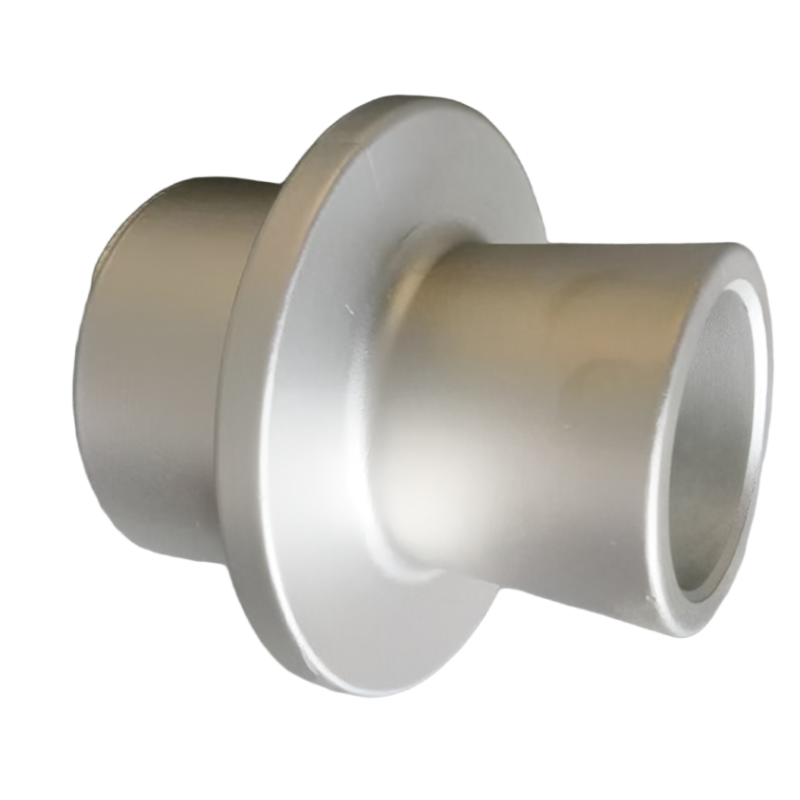
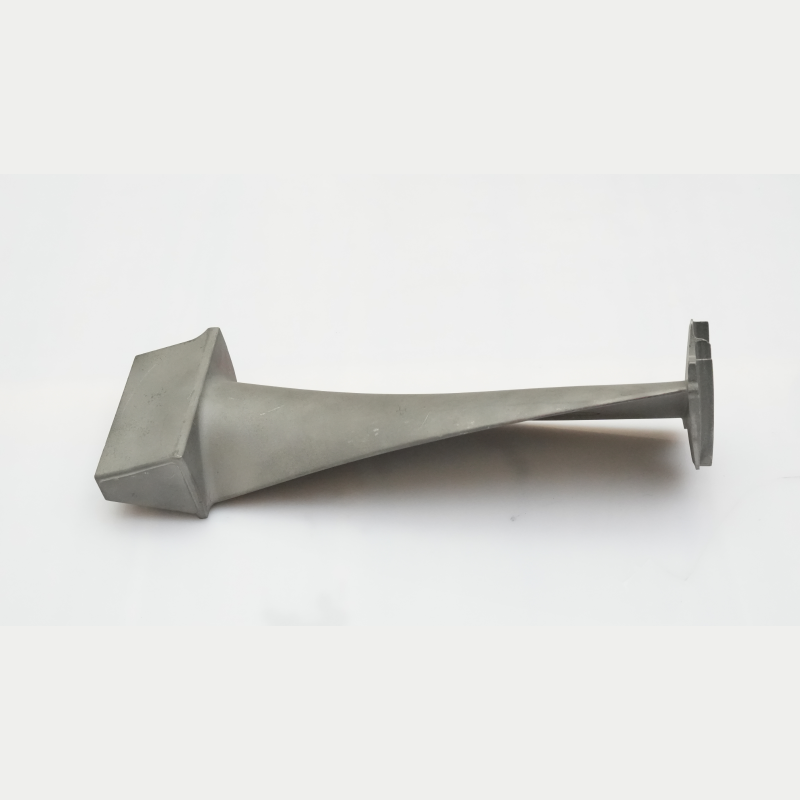
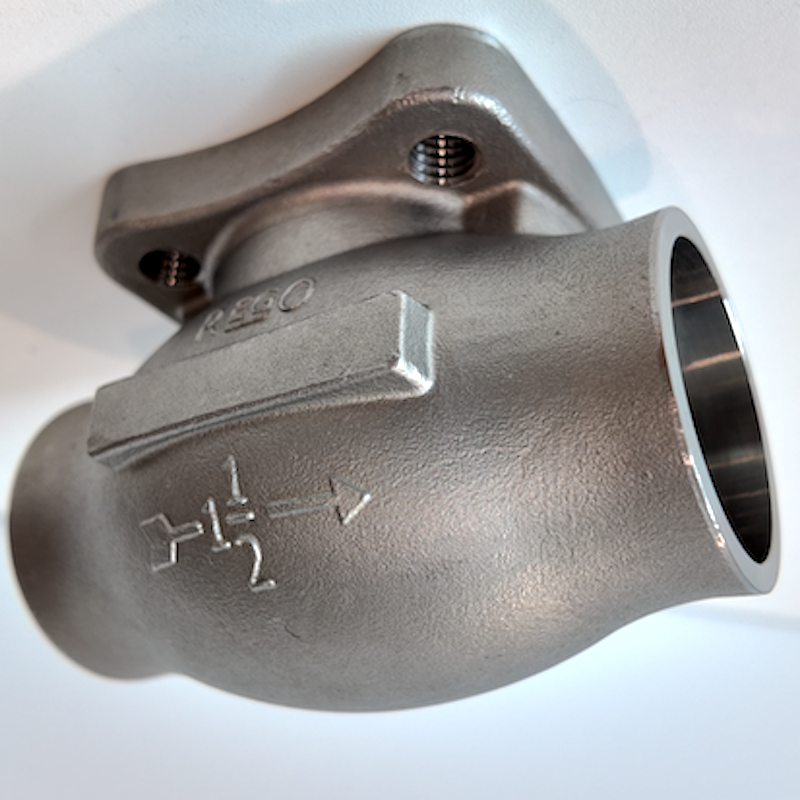
Snabb investeringsgjutning är en modern tillverkningslösning som kombinerar traditionella principer för investeringsgjutning med accelererade produktionsmetoder för att leverera metallkomponenter av hög kvalitet inom betydligt kortare tidsramar. Denna avancerade tillverkningsprocess använder exakta formtillverknings- och metallgjutningsmetoder för att producera komplexa delar med exceptionell dimensionsnoggrannhet och hög ytkvalitet. De främsta funktionerna för snabb investeringsgjutning inkluderar tillverkning av komplexa geometriska former som skulle vara svåra eller omöjliga att uppnå med konventionell bearbetning, framställning av delar med tunna väggar och komplicerade interna kanaler samt tillverkning av komponenter som kräver minimal efterbearbetning. De teknologiska egenskaper som skiljer snabb investeringsgjutning från andra metoder inkluderar användning av 3D-skrivarteknik för mönsterframställning, vilket eliminerar behovet av dyr utrustning och drastiskt förkortar ledtider från veckor till dagar. Processen använder keramiska skalformningsmetoder som tål höga temperaturer och ger utmärkt avbildning av även de finaste detaljerna på ytan. Moderna anläggningar för snabb investeringsgjutning använder integrering av datorstödd konstruktion (CAD), vilket gör det möjligt for ingenjörer att optimera delkonstruktioner för tillverkbarhet innan produktionen påbörjas. Tillämpningar för snabb investeringsgjutning omfattar många branscher, bland annat luft- och rymdfart, där lättviktiga men starka komponenter är avgörande för flygplansprestanda, bilindustrin för framställning av motor- och växellådsdelar, tillverkning av medicintekniska produkter som kräver biokompatibla material och exakta dimensioner, industriell utrustningstillverkning, smyckestillverkning samt produktion av arkitektonisk hårdvara. Processen kan hantera ett brett spektrum av metaller och legeringar, inklusive rostfritt stål, kolstål, aluminiumlegeringar, mässing, brons samt specialiserade superlegeringar. Snabb investeringsgjutning visar sig särskilt värdefull vid prototyputveckling, tillverkning i små till medelstora serier samt i situationer där snabba designändringar krävs utan stora ekonomiska investeringar i permanent formgivning.

 EN
EN