Test výjimečné kvality a funkčního výkonu
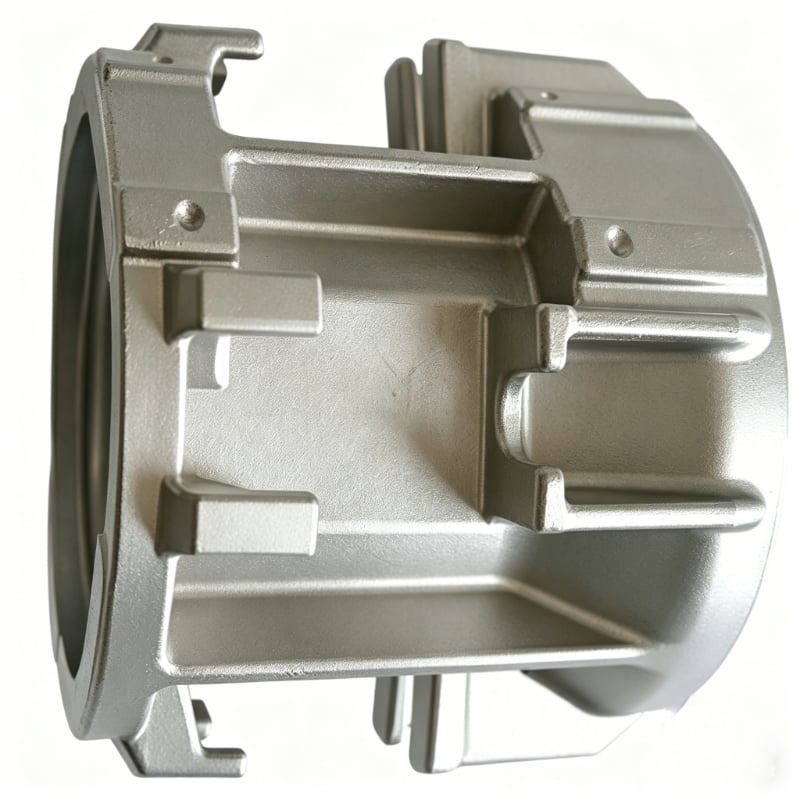
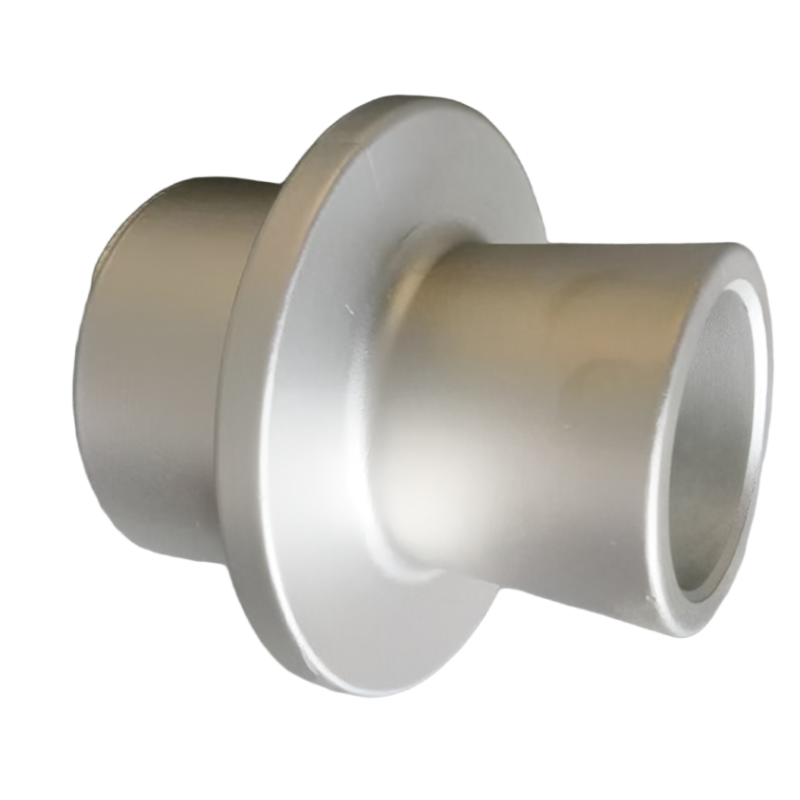
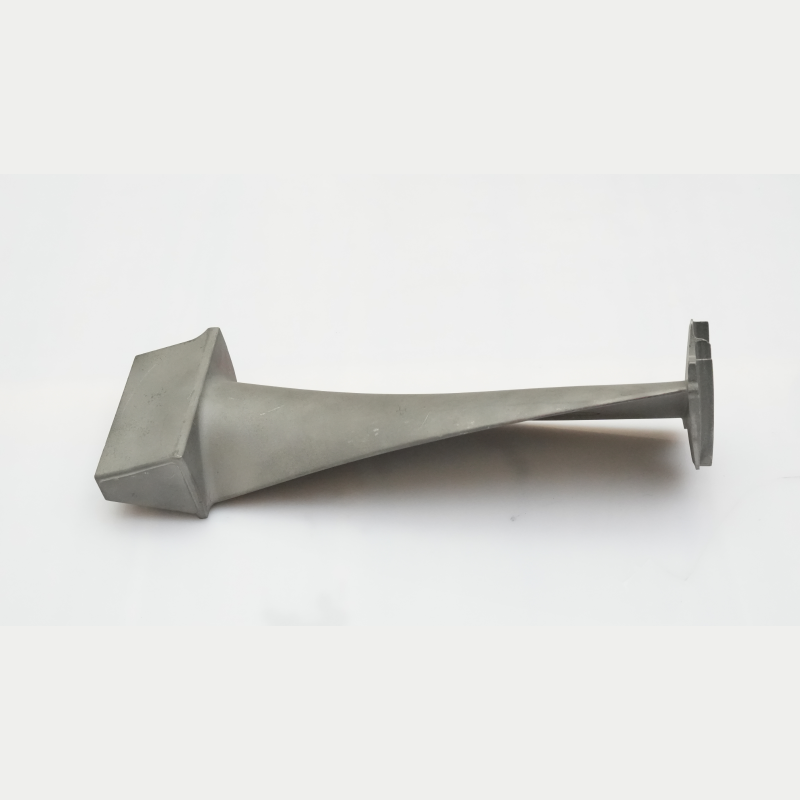
Výroba prototypů pomocí lití umožňuje důkladné zajištění kvality a funkčního výkonu, čímž se zajistí, že finální výrobky splní veškeré specifikace, předpisy a očekávání zákazníků ještě před zahájením sériové výroby. Možnost podrobit fyzické prototypy reálným podmínkám, zkouškám za zatížení a uživatelským testům poskytuje ověření, které nemohou počítačové simulace ani teoretické analýzy nahradit. Tento praktický proces ověřování odhaluje potenciální poruchy, omezení výkonu a problémy s uživatelským zážitkem, které by jinak mohly zůstat nepozorované až do doby po uvedení výrobku na trh, kdy jsou nápravná opatření mnohem nákladnější a škodlivější pro reputaci značky. Mechanické zkoušky výkonu s použitím litých prototypů umožňují inženýrům vyhodnotit strukturální integritu, nosnou kapacitu, odolnost proti únavě a způsoby porušení za kontrolovaných podmínek. Lze aplikovat síly, rázy, vibrace a cyklická zatížení, která simulují roky provozu v zkráceném časovém rámci, a tak zjistit, zda konstrukce vydrží plánovanou životnost. Materiály používané pro lití prototypů mohou být velmi podobné materiálům určeným pro sériovou výrobu, čímž se zajišťuje, že výsledky testů přesně předpovídají chování výrobků v sériové výrobě, nikoli že by poskytovaly zavádějící údaje z odlišných látek. Zkoušky expozice prostředí se stávají prakticky proveditelnými, pokud lití prototypů poskytne dostatek vzorků pro destruktivní testování za různých podmínek. Prototypy lze vystavit extrémním teplotám, cyklům vlhkosti, chemickému působení, ultrafialovému záření a dalším environmentálním faktorům, kterým budou výrobky vystaveny během skladování, dopravy a provozu. Tyto zkoušky odhalují degradaci materiálů, změny rozměrů a výkonové odchylky, které informují výběr materiálů a konstrukční úpravy za účelem zajištění spolehlivosti v celém rozsahu provozních podmínek. Funkční ověření prostřednictvím lití prototypů potvrzuje, že výrobky efektivně a účinně plní svůj zamýšlený účel. Pouzdra elektronických zařízení lze testovat na správné uložení komponent, tepelné řízení a přístupnost uživatelského rozhraní. Mechanické sestavy lze opakovaně provozovat, aby se ověřila hladkost pohybu, dostatečné vůle a vhodné požadavky na sílu. Komponenty pro manipulaci s kapalinami lze zkoušet pod tlakem na netěsnosti a průtokové charakteristiky. Toto komplexní funkční testování identifikuje konstrukční vylepšení, která zvyšují výkon i uspokojení uživatelů. Hodnocení uživatelského zážitku s použitím litých prototypů poskytuje neocenitelné poznatky o ergonomii, použitelnosti a spokojenosti zákazníků, které formují konečná rozhodnutí o návrhu. Potenciální uživatelé mohou prototypy držet v rukou, ovládat jejich funkce a poskytnout zpětnou vazbu týkající se pohodlí, intuitivnosti, estetiky a vnímané kvality. Toto zaměření na člověka zajišťuje, že výrobky rezonují s cílovou skupinou, nikoli že by pouze splňovaly technické specifikace. Ověření souladu s předpisy prostřednictvím testování litých prototypů dokazuje, že výrobky splňují průmyslové normy, bezpečnostní požadavky a kritéria pro certifikaci ještě před investicí do sériové výroby. Zdravotnická zařízení, automobilové komponenty, spotřební elektronika a další regulované výrobky musí splňovat konkrétní výkonové normy a testování prototypů poskytuje důkazy nutné pro schvalovací procesy.

 EN
EN