rapid prototype investment casting
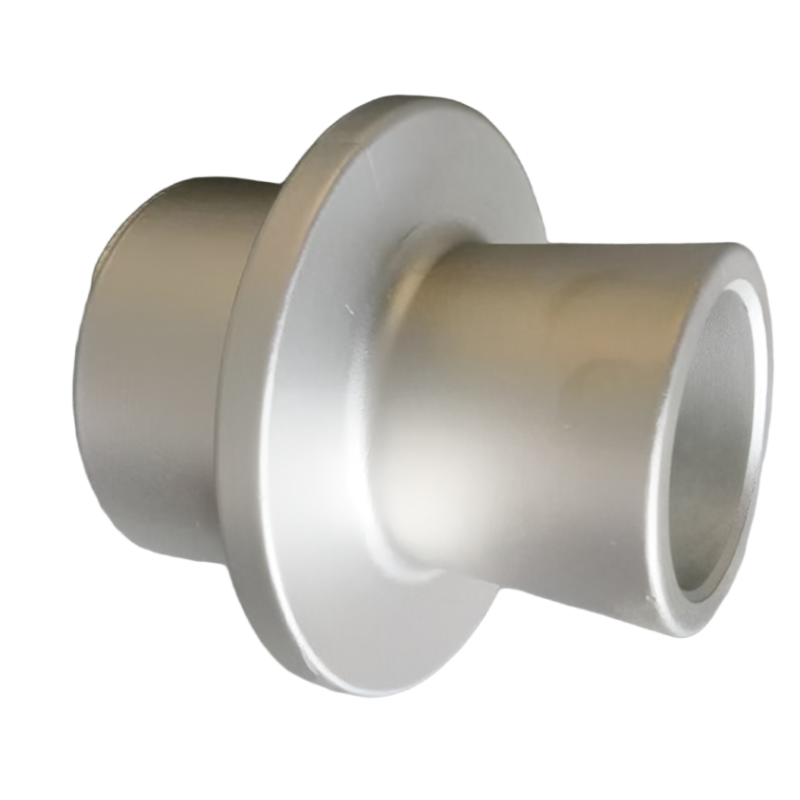
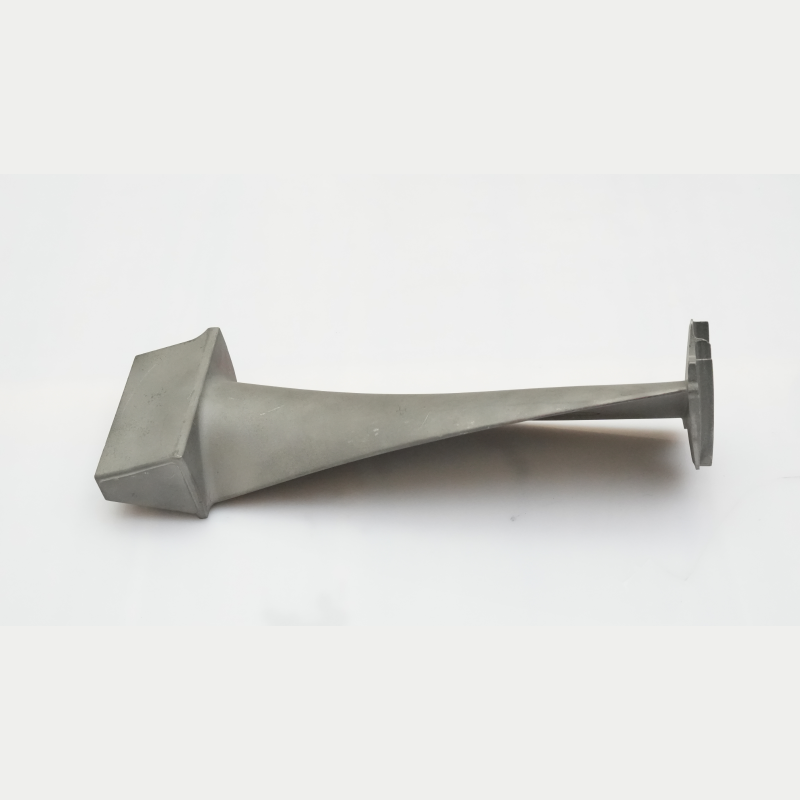
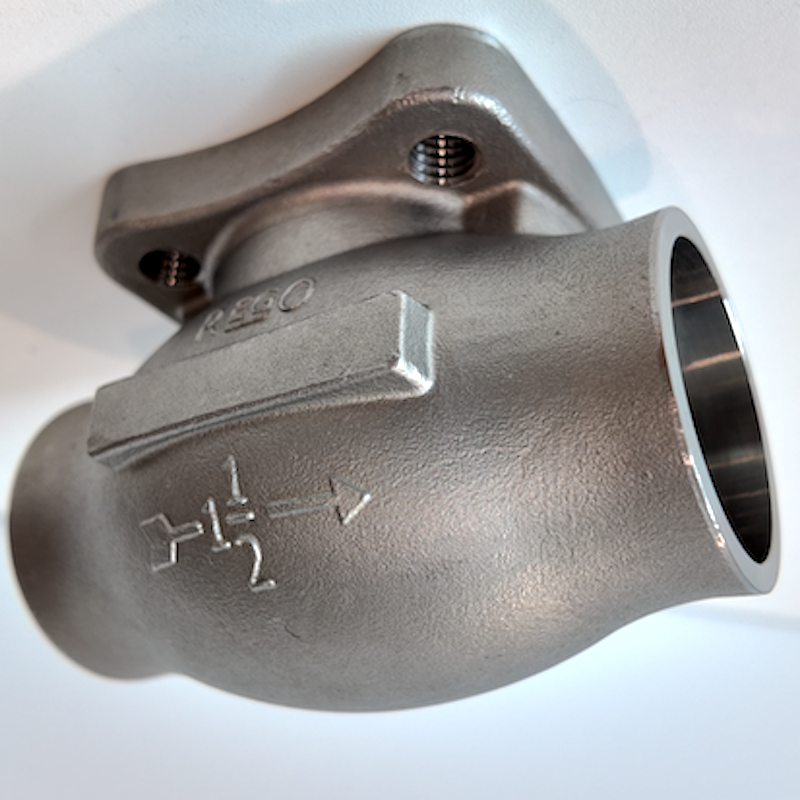
Rapid prototype investment casting represents a transformative manufacturing solution that bridges the gap between product design and full-scale production. This sophisticated process combines traditional investment casting methods with modern rapid prototyping technologies to deliver high-quality metal components in significantly reduced timeframes. The main function of rapid prototype investment casting centers on producing functional metal parts directly from digital designs, enabling engineers and product developers to test, validate, and refine their concepts before committing to expensive production tooling. The technological features of this process include the use of additive manufacturing techniques to create wax patterns or expendable patterns quickly, which are then used in the conventional investment casting workflow. Unlike traditional methods that require weeks or months to produce metal tooling, rapid prototype investment casting can generate finished metal parts within days. This process maintains the exceptional surface finish, dimensional accuracy, and material properties associated with investment casting while dramatically accelerating the development cycle. Applications span numerous industries including aerospace, automotive, medical devices, industrial equipment, and consumer products. Engineers utilize rapid prototype investment casting for functional testing, design verification, pre-production sampling, and limited production runs. The process accommodates a wide range of metals and alloys, including stainless steel, aluminum, titanium, cobalt-chrome, and various specialty materials. Complex geometries with intricate details, thin walls, and internal features that would be challenging or impossible with other manufacturing methods become achievable through rapid prototype investment casting. This technology serves as an invaluable tool for companies seeking to innovate faster, reduce development costs, and bring superior products to market ahead of competitors while maintaining the structural integrity and performance characteristics required for demanding applications.

 EN
EN