brzo prototipsko livenje metala
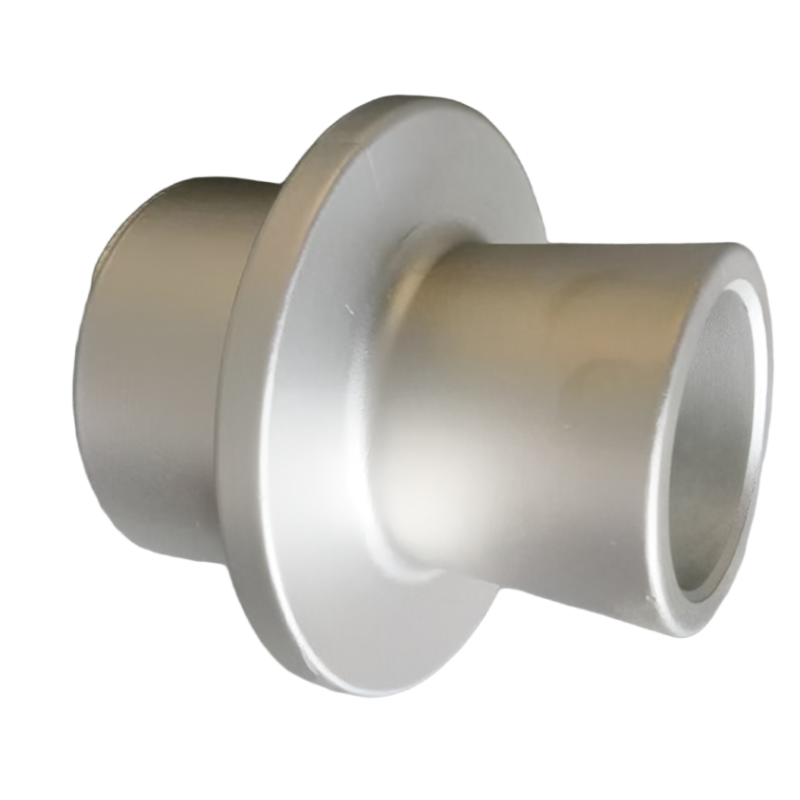
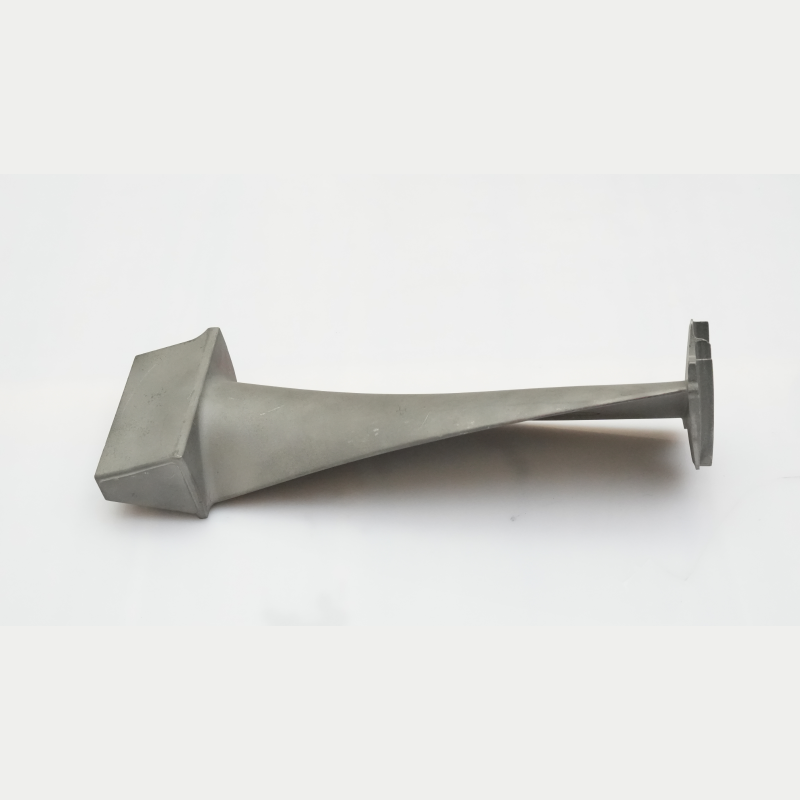
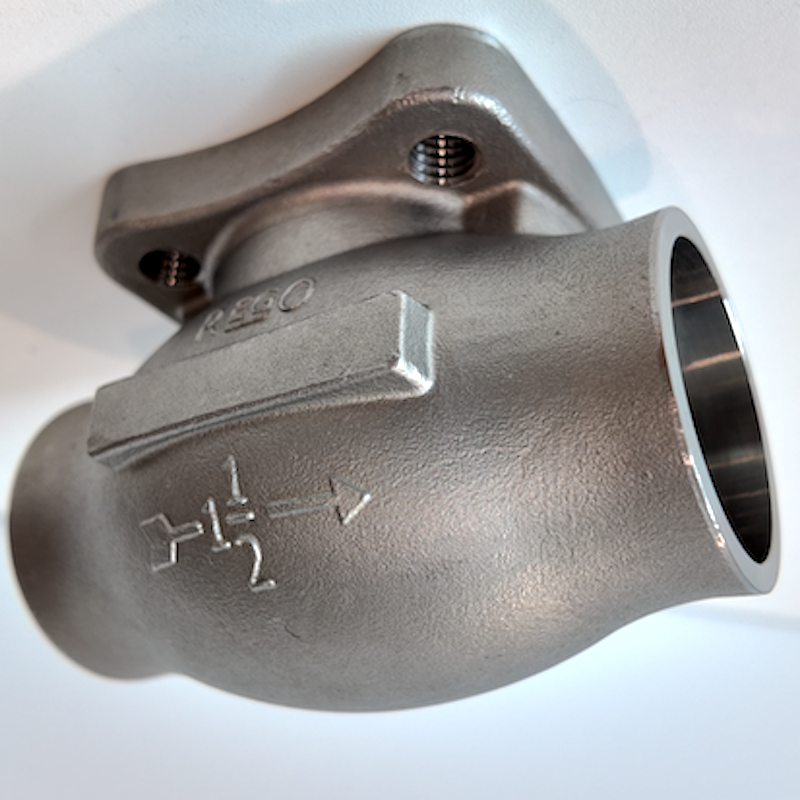
Brza investicijska odlivanja prototipa predstavljaju transformativno proizvodno rješenje koje prekida jaz između dizajna proizvoda i proizvodnje u velikoj mjeri. Ovaj sofisticiran postupak kombinira tradicionalne metode odlijevanja s modernim tehnologijama brzog izrade prototipa kako bi se u znatno kraćem vremenskom roku isporučili visokokvalitetni metalni dijelovi. Glavna funkcija investicijske odlijevanja brzih prototipa usmjerena je na proizvodnju funkcionalnih metalnih dijelova izravno iz digitalnih dizajna, omogućavajući inženjerima i programerima proizvoda da testiraju, potvrđuju i usavršavaju svoje koncepte prije nego što se obavežu na skupu proizvodnu alatku Tehnološke značajke ovog procesa uključuju upotrebu tehnika aditivne proizvodnje za brzo stvaranje vještanog uzorka ili uzorka za potrošnju, koji se zatim koriste u konvencionalnom postupku lijanja investicija. Za razliku od tradicionalnih metoda kojima je potrebno nekoliko tjedana ili mjeseci za proizvodnju metalnih alata, brzo izlijevanje prototipa može proizvesti gotove metalne dijelove u roku od nekoliko dana. Ovaj proces održava iznimnu završnu površinu, dimenzijsku točnost i svojstva materijala povezana s investicijskim lijanjem, dok dramatično ubrzava razvojni ciklus. Primjene obuhvaćaju brojne industrije uključujući zrakoplovnu, automobilsku, medicinske uređaje, industrijsku opremu i potrošačke proizvode. Inženjeri koriste brzu odlivu za ulaganje prototipa za funkcionalno testiranje, provjeru dizajna, uzorkovanje prije proizvodnje i ograničene proizvodne trke. U tom procesu se upotrebljava širok spektar metala i legura, uključujući nehrđajući čelik, aluminij, titan, kobalto-krom i razne posebne materijale. Kompleksne geometrije s složenih detalja, tankih zidova i unutarnjih značajki koje bi bile izazovne ili nemoguće s drugim proizvodnim metodama postignute su kroz brzu odlijevanje investicijskih prototipa. Ova tehnologija služi kao neprocjenjivo sredstvo za tvrtke koje žele brže inovirati, smanjiti troškove razvoja i na tržište staviti superiorne proizvode ispred konkurenata, uz održavanje strukturalnog integriteta i karakteristika performansi potrebnih za zahtjevne primjene.

 EN
EN