स्टेनलेस स्टील कास्टिंग कंपनी
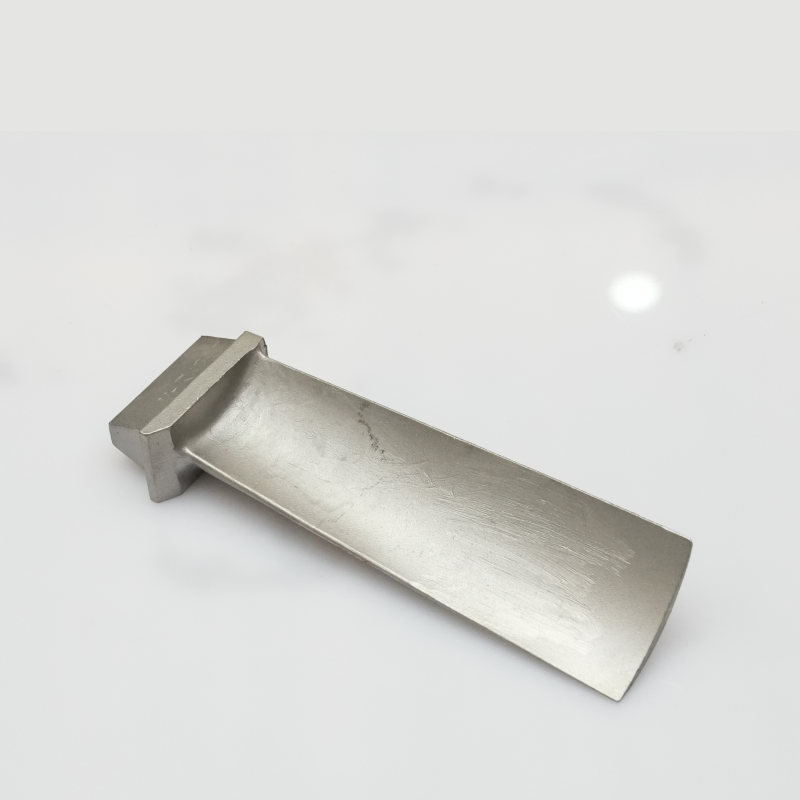
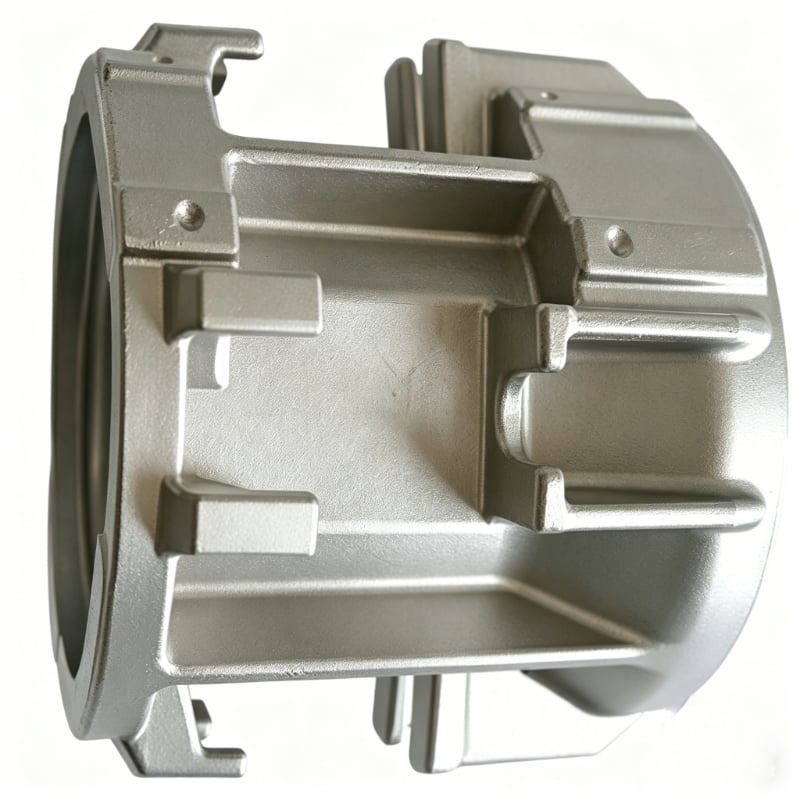
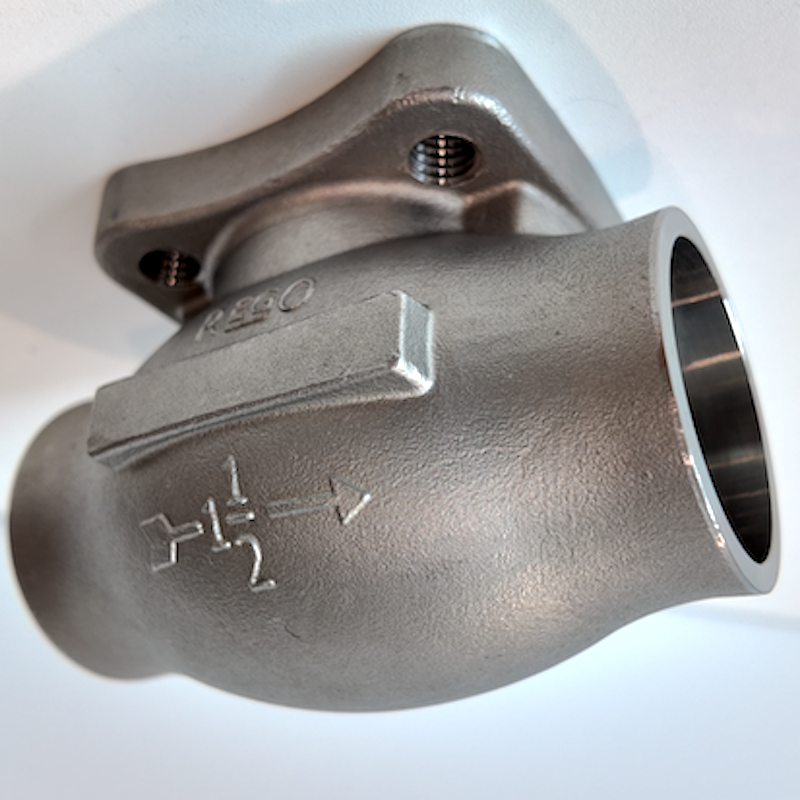
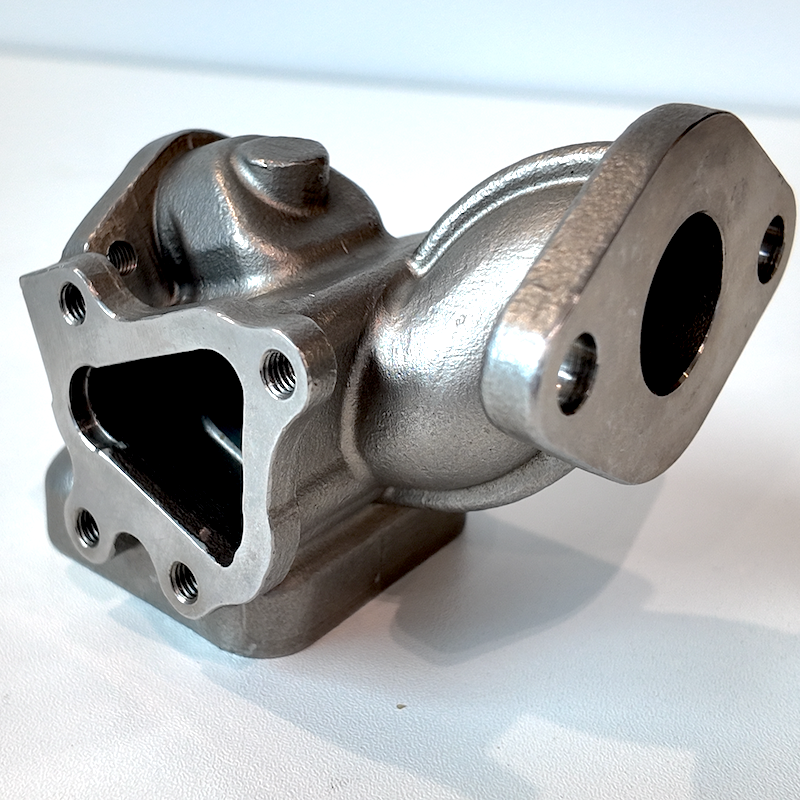
एक स्टेनलेस स्टील ढलाई कंपनी उन्नत ढलाई प्रक्रियाओं के माध्यम से सटीक धातु घटकों के निर्माण में विशेषज्ञता रखती है, जो द्रवित स्टेनलेस स्टील को जटिल आकारों और संरचनाओं में परिवर्तित करती हैं। ये विशिष्ट निर्माता ऐसे उद्योगों के लिए महत्वपूर्ण साझेदार होते हैं जिन्हें संक्षारण-प्रतिरोधी, टिकाऊ और उच्च-प्रदर्शन वाले धातु भागों की आवश्यकता होती है। एक स्टेनलेस स्टील ढलाई कंपनी के मुख्य कार्यों में डिज़ाइन परामर्श, पैटर्न निर्माण, गलाने और ढालने की प्रक्रियाएँ, ऊष्मा उपचार, मशीनिंग और गुणवत्ता आश्वासन परीक्षण शामिल हैं। निवेश ढलाई, रेत ढलाई और खोई हुई मोम प्रक्रियाओं सहित विभिन्न ढलाई विधियों का उपयोग करके, ये कंपनियाँ थोड़े औंस वजन वाले छोटे-छोटे जटिल भागों से लेकर कई टन से अधिक वजन के विशाल औद्योगिक भागों तक के घटकों का उत्पादन करती हैं। आधुनिक स्टेनलेस स्टील ढलाई कंपनियों की विशिष्टता वाली तकनीकी विशेषताओं में कंप्यूटर-सहायित डिज़ाइन क्षमताएँ, स्वचालित ढालने की प्रणालियाँ, सटीक तापमान नियंत्रण उपकरण, उन्नत धातुविज्ञान विश्लेषण उपकरण और गैर-विनाशकारी परीक्षण उपकरण शामिल हैं। ये तकनीकें उत्पादन चक्रों के दौरान आकारिक सटीकता, सामग्री की अखंडता और सुसंगत गुणवत्ता सुनिश्चित करती हैं। स्टेनलेस स्टील ढलाई कंपनियाँ 304, 316, 17-4 PH और डुप्लेक्स स्टेनलेस स्टील सहित कई मिश्र धातु ग्रेड के साथ काम करती हैं, जिनमें से प्रत्येक के विशिष्ट अनुप्रयोगों के लिए अद्वितीय गुण होते हैं। स्टेनलेस स्टील ढलाई के अनुप्रयोग खाद्य प्रसंस्करण उपकरण, फार्मास्यूटिकल मशीनरी, रासायनिक प्रसंस्करण संयंत्र, समुद्री उपकरण, स्थापत्य घटक, स्वचालित वाहन भाग, एयरोस्पेस असेंबलियाँ, तेल और गैस उद्योग के उपकरण, चिकित्सा यंत्र, और नवीकरणीय ऊर्जा प्रणालियों सहित विविध क्षेत्रों में फैले हुए हैं। स्टेनलेस स्टील की बहुमुखी प्रकृति और ढलाई की लचीलापन के संयोजन से निर्माताओं को पंप हाउसिंग, वाल्व बॉडी, इम्पेलर, फ्लैंज, फिटिंग, टरबाइन घटक और विशिष्ट अभियांत्रिकी वाले भाग बनाने की अनुमति मिलती है, जो सटीक विनिर्देशों को पूरा करते हैं। एक पेशेवर स्टेनलेस स्टील ढलाई कंपनी ISO 9001, एयरोस्पेस के लिए AS9100 या खाद्य-ग्रेड अनुप्रयोगों के लिए FDA अनुपालन जैसे प्रमाणन बनाए रखती है, जो उनकी गुणवत्ता मानकों और विनियामक आवश्यकताओं के प्रति प्रतिबद्धता को दर्शाती है, जो सभी सेवा प्रदान किए गए उद्योगों में अंतिम उपयोगकर्ताओं की रक्षा करती है और उत्पाद की विश्वसनीयता सुनिश्चित करती है।

 EN
EN