Professional Stainless Steel Casting Company - Precision Components & Custom Manufacturing Solutions

Get a Free Quote

Our representative will contact you soon.
Email
Name
Company Name
Message
0/1000

stainless steel casting company

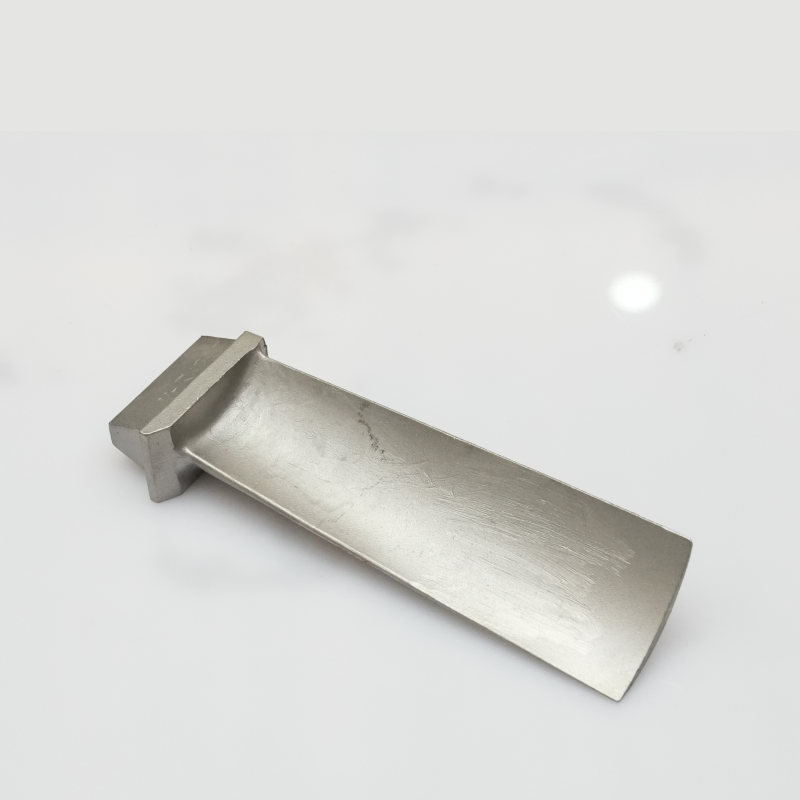
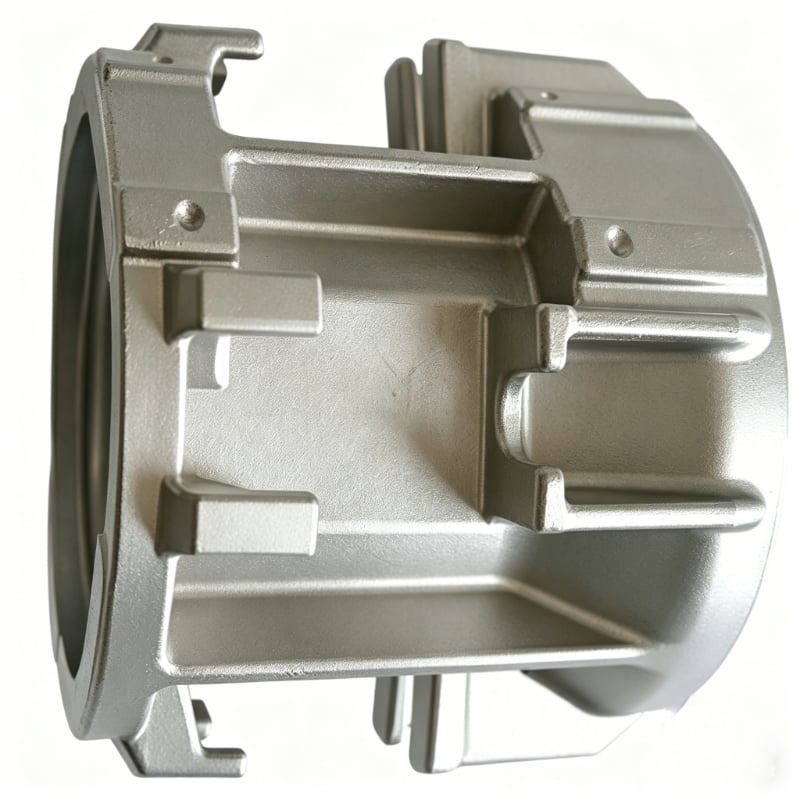
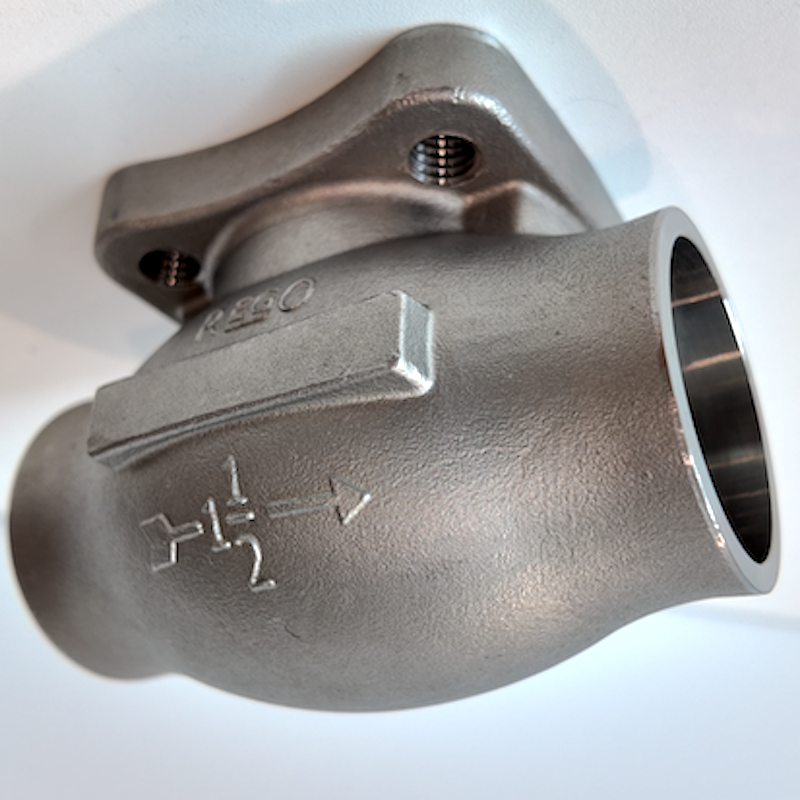
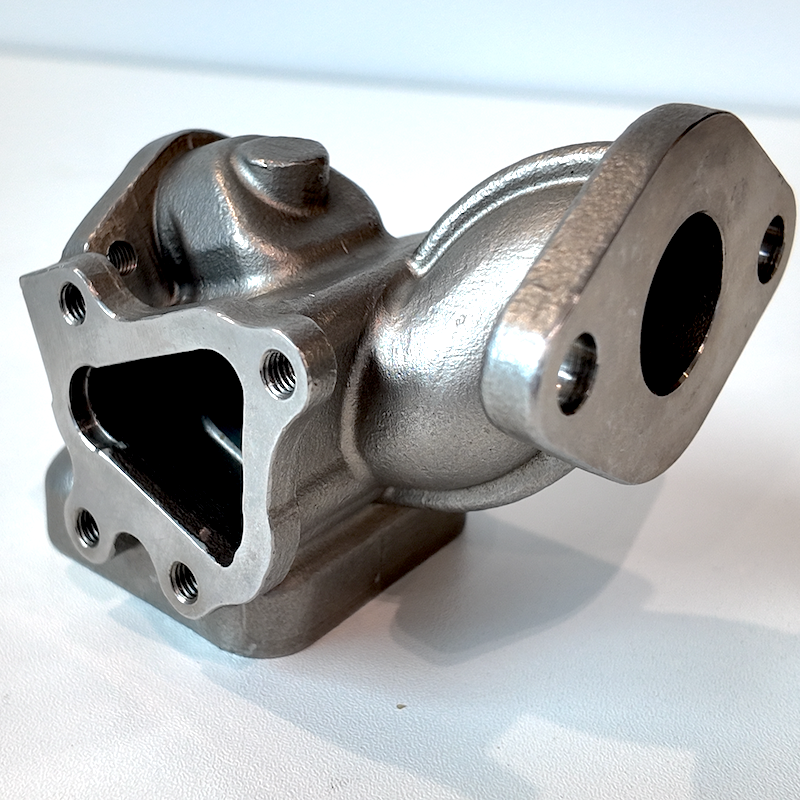
A stainless steel casting company specializes in transforming molten stainless steel alloys into precision-engineered components through advanced foundry processes. These manufacturers serve as critical partners for industries requiring corrosion-resistant, high-strength metal parts that can withstand extreme temperatures, chemical exposure, and mechanical stress. The main function of a stainless steel casting company revolves around converting raw stainless steel materials into custom-designed parts by pouring liquid metal into specially prepared molds, allowing controlled solidification, and then applying finishing treatments to achieve exact specifications. This manufacturing approach enables the production of complex geometries that would be difficult or impossible to create through machining or fabrication alone. The technological features employed by modern stainless steel casting companies include investment casting for intricate details, sand casting for larger components, and lost foam casting for dimensional accuracy. Many facilities utilize computerized simulation software to predict metal flow patterns, identify potential defects before production, and optimize gating systems for superior quality outcomes. Advanced melting furnaces maintain precise temperature control and alloy composition, while spectrometry equipment verifies chemical properties meet stringent standards. Applications for stainless steel castings span numerous sectors including food processing equipment, marine hardware, pharmaceutical machinery, chemical processing plants, power generation facilities, automotive components, aerospace parts, and architectural elements. The versatility of stainless steel grades from austenitic to duplex alloys allows a stainless steel casting company to tailor products for specific environmental challenges. Whether producing valve bodies that resist acidic fluids, pump housings that endure saltwater exposure, or structural fittings that maintain integrity under cyclical loading, these specialized manufacturers provide essential solutions. Quality assurance protocols including non-destructive testing, dimensional verification, and material certification ensure every casting meets customer requirements and industry regulations, making the stainless steel casting company an indispensable resource for engineering projects demanding reliability and longevity.

New Products

Partnering with a stainless steel casting company delivers substantial practical benefits that directly impact your project outcomes and operational efficiency. First and foremost, you gain access to unmatched design flexibility that allows engineers to create intricate shapes with internal passages, undercuts, and complex contours in a single piece rather than assembling multiple components. This consolidation reduces assembly time, eliminates potential leak points, and lowers overall production costs while improving structural integrity. The inherent properties of stainless steel provide exceptional resistance to rust and corrosion, meaning your components maintain their appearance and functionality even when exposed to moisture, chemicals, or harsh weather conditions over extended periods. This durability translates into reduced maintenance expenses, fewer replacement cycles, and improved return on investment compared to components made from carbon steel or other materials that degrade rapidly. A stainless steel casting company offers material versatility with numerous alloy options tailored to specific performance requirements, whether you need magnetic properties, enhanced heat resistance, superior toughness at cryogenic temperatures, or maximum resistance to pitting corrosion in chloride environments. Production efficiency stands as another significant advantage, as casting processes can produce near-net-shape parts that require minimal secondary machining, saving both material waste and labor costs. The ability to incorporate logos, part numbers, or identifying marks directly into the casting eliminates additional marking operations. When you work with an experienced stainless steel casting company, you benefit from their technical expertise in metallurgy, pattern design, and quality control, receiving guidance that helps avoid costly design mistakes and ensures manufacturability from the outset. Scalability represents a key advantage as well, with casting methods accommodating both prototype quantities and high-volume production runs without requiring prohibitively expensive tooling changes. The mechanical properties achieved through casting rival or exceed those of wrought stainless steel in many applications, providing strength, ductility, and impact resistance suitable for demanding service conditions. Lead times often prove shorter than fabrication alternatives since castings emerge from molds in their final form rather than requiring extensive cutting, welding, and forming operations. Environmental benefits include material recyclability, as stainless steel castings can be remelted and reused indefinitely without property degradation. Cost predictability improves because a stainless steel casting company can provide accurate quotes based on weight, complexity, and finishing requirements, helping you budget effectively. Surface finish options range from as-cast textures to mirror polishes, giving you aesthetic choices that match functional needs. Finally, compliance with international standards and certifications ensures your components meet regulatory requirements for industries like food service, medical devices, and pressure vessels, providing peace of mind and facilitating approvals.

Latest News

Basic Principles Of Design Of Precision Casting Gating System

11

May

Basic Principles Of Design Of Precision Casting Gating System

View More
Selection And Application Scope Of Hardness Tester

11

May

Selection And Application Scope Of Hardness Tester

View More
The Role Of Elements In Castings And The Order Of Addition

11

May

The Role Of Elements In Castings And The Order Of Addition

View More
Stainless Steel Castings for Building Facade Systems

11

May

Stainless Steel Castings for Building Facade Systems

View More

Get a Free Quote

Our representative will contact you soon.
Email
Name
Company Name
Message
0/1000

stainless steel casting company

Precision Investment Casting Technology for Complex Components

Precision Investment Casting Technology for Complex Components

A leading stainless steel casting company employs precision investment casting technology to manufacture components with exceptional dimensional accuracy and surface quality that traditional manufacturing methods cannot achieve. This sophisticated process begins with creating a wax or polymer pattern that exactly replicates the desired final part, including all intricate details, thin walls, and complex internal features. Multiple patterns are assembled onto a central sprue system, forming a tree-like configuration that optimizes metal flow and solidification. The pattern assembly receives multiple ceramic shell coatings through repeated dipping in fine refractory slurries and stucco applications, building up a robust mold capable of withstanding the extreme temperatures of molten stainless steel. Once the ceramic shell reaches adequate thickness and strength, the entire assembly undergoes heating that melts away the pattern material, leaving behind a hollow cavity that precisely mirrors the intended component geometry. The stainless steel casting company then preheats these molds to specific temperatures that promote proper metal flow and reduce thermal shock when molten alloy enters the cavity. High-grade stainless steel alloys are melted in induction or arc furnaces under controlled atmospheric conditions that prevent oxidation and ensure chemical composition accuracy. Pouring occurs either through gravity or vacuum-assisted methods that eliminate gas entrapment and improve metal density. As the stainless steel solidifies within the ceramic shell, metallurgical transformations create grain structures that deliver optimal mechanical properties. After complete cooling, the ceramic mold is removed through mechanical vibration and chemical cleaning, revealing the finished casting. The advantages of this investment casting approach for customers are substantial and multifaceted. Component complexity increases dramatically compared to machining, as features like internal cooling channels, lattice structures, and organic shapes become feasible without assembly. Dimensional tolerances typically achieve plus or minus 0.005 inches per inch, reducing or eliminating secondary machining operations that add cost and lead time. Surface finishes emerge from the mold at 125 microinches or smoother, often suitable for immediate use without polishing. Material waste drops significantly because near-net-shape castings require minimal stock removal, and any excess material from gates and risers returns to the melting process. A stainless steel casting company using investment casting can produce components weighing from a few grams to over fifty pounds, accommodating diverse application requirements. The process suits both prototype development and production volumes, offering flexibility as your needs evolve. Quality consistency remains high across production batches because ceramic molds faithfully reproduce pattern details and the controlled melting process maintains alloy specifications.
Comprehensive Alloy Selection for Application-Specific Performance

Comprehensive Alloy Selection for Application-Specific Performance

What distinguishes an exceptional stainless steel casting company from basic metal suppliers is their comprehensive alloy selection expertise and ability to match precise material grades to your specific performance requirements. Stainless steel encompasses a broad family of iron-based alloys containing minimum chromium content that forms a passive oxide layer, providing corrosion resistance, but within this family exist distinct categories with dramatically different properties. Austenitic stainless steels like 304 and 316 grades offer excellent formability, weldability, and corrosion resistance with non-magnetic characteristics, making them ideal for food processing equipment, pharmaceutical vessels, and marine applications where chloride exposure occurs. The 316 variant includes molybdenum additions that significantly enhance resistance to pitting and crevice corrosion in saltwater and acidic environments. When your application demands these properties, a knowledgeable stainless steel casting company will recommend austenitic grades and optimize casting parameters to maintain their beneficial microstructure. Ferritic stainless steels such as 410 and 430 grades provide magnetic properties, good oxidation resistance, and lower cost compared to austenitic types, suitable for automotive exhaust components, heat exchangers, and architectural trim where moderate corrosion resistance suffices. Martensitic stainless steels offer hardenability and high strength after heat treatment, serving applications like pump shafts, valve stems, and turbine blades that require wear resistance and mechanical performance. Duplex stainless steels combine austenitic and ferritic phases in balanced proportions, delivering exceptional strength approximately twice that of austenitic grades while maintaining superior corrosion resistance, particularly against stress corrosion cracking and chloride attack. These advanced alloys excel in offshore oil platforms, chemical processing equipment, and desalination plants. Precipitation hardening grades like 17-4 PH provide the unique combination of high strength, good corrosion resistance, and ease of heat treatment, valuable for aerospace components and high-performance sporting goods. An experienced stainless steel casting company maintains relationships with certified material suppliers, ensuring alloy authenticity through mill certifications and independent laboratory verification. They understand how different elements affect casting behavior, with nickel promoting fluidity, chromium enhancing passivation, molybdenum improving pitting resistance, and nitrogen strengthening austenitic structures. This metallurgical knowledge enables them to recommend alloy modifications or alternative grades when standard specifications prove unsuitable. The company provides material test reports documenting chemical composition, mechanical properties including tensile strength and yield point, hardness values, and impact toughness. They can perform heat treatments like solution annealing or aging to achieve specific property targets. Corrosion testing services validate material performance in simulated service environments before full production. This comprehensive approach to alloy selection ensures your castings perform reliably throughout their intended service life, avoiding premature failures that result from material mismatches.
Rigorous Quality Control Systems Ensuring Consistent Excellence

Rigorous Quality Control Systems Ensuring Consistent Excellence

The commitment to rigorous quality control systems separates a professional stainless steel casting company from operations that merely produce parts without verification. Comprehensive quality assurance begins at the quotation stage with design for manufacturability reviews where experienced engineers evaluate customer drawings to identify potential casting defects, suggest design optimizations, and establish realistic tolerances. Before production starts, the stainless steel casting company creates first article inspection reports that dimensionally verify initial castings against specifications, ensuring tooling accuracy and process capability. Incoming material inspection confirms that raw stainless steel alloys match ordered grades through optical emission spectrometry that analyzes elemental composition within seconds, preventing costly mix-ups that could compromise performance. During melting operations, temperature monitoring andochemically adjusted heats ensure molten metal meets narrow composition windows. Pouring procedures follow documented work instructions that control temperature, rate, and technique to promote defect-free solidification. Visual inspection occurs at multiple stages, with trained personnel examining castings for surface defects like cracks, porosity, inclusions, or dimensional irregularities immediately after shakeout. Non-destructive testing methods provide internal quality verification without damaging parts, including radiographic examination that reveals subsurface voids, liquid penetrant inspection that highlights surface-breaking defects through fluorescent or visible dye indications, magnetic particle testing for ferritic grades that detects cracks and seams, and ultrasonic testing that measures wall thickness and identifies internal discontinuities. Dimensional inspection employs coordinate measuring machines, optical comparators, and precision gauges to verify that critical features fall within specified tolerances, with statistical process control charts tracking trends that might indicate tooling wear or process drift. Mechanical testing on sample castings or test bars cast alongside production parts validates that strength, hardness, and elongation properties meet requirements, while impact testing at specified temperatures confirms toughness for low-temperature service. Pressure testing and leak detection ensure that castings intended for fluid containment applications maintain integrity under operating conditions. A reputable stainless steel casting company maintains documented quality management systems often certified to ISO 9001 standards, with procedures covering every aspect from supplier qualification through final shipment. Traceability systems link each casting to its heat number, allowing tracking back to original material certifications if questions arise during service. Calibration programs ensure measuring equipment maintains accuracy through periodic verification against certified standards. Corrective action procedures address non-conformances systematically, identifying root causes and implementing preventive measures. Final inspection and packaging protect finished castings from damage during transit, with preservation methods appropriate to material grade and customer requirements. Certificate packages accompanying shipments provide material certifications, dimensional reports, and test results that satisfy customer quality requirements and regulatory compliance. This comprehensive quality infrastructure gives you confidence that every casting meets specifications consistently, reducing your inspection burden and supporting your reputation for reliability.

Get a Free Quote

Our representative will contact you soon.
Email
Name
Company Name
Message
0/1000