OEM Carbon Steel Casting - Custom Industrial Components | Durable & Cost-Effective Solutions

Get a Free Quote

Our representative will contact you soon.
Email
Name
Company Name
Message
0/1000

oem carbon steel casting

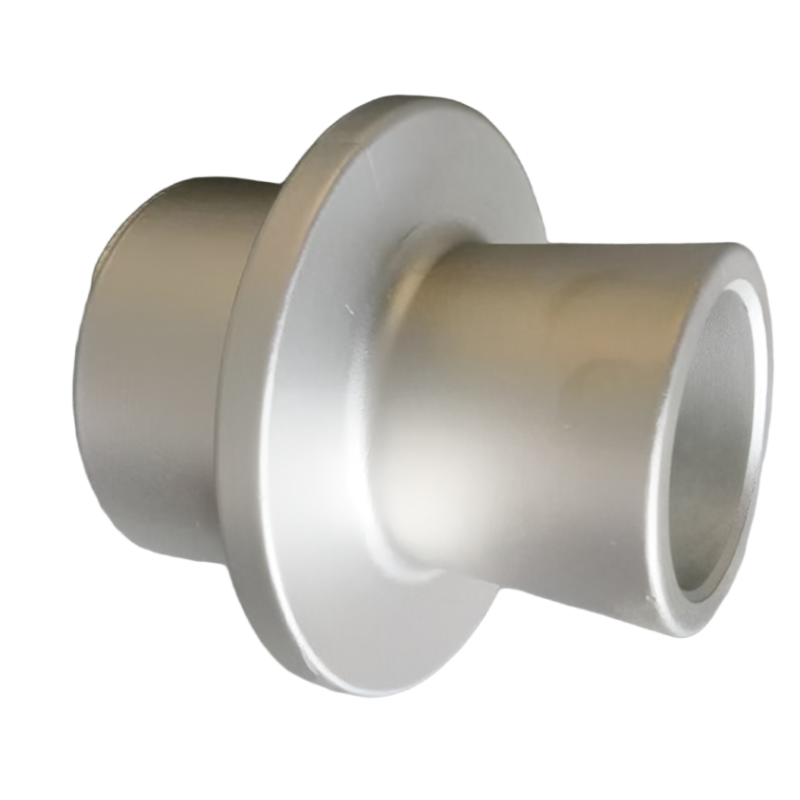
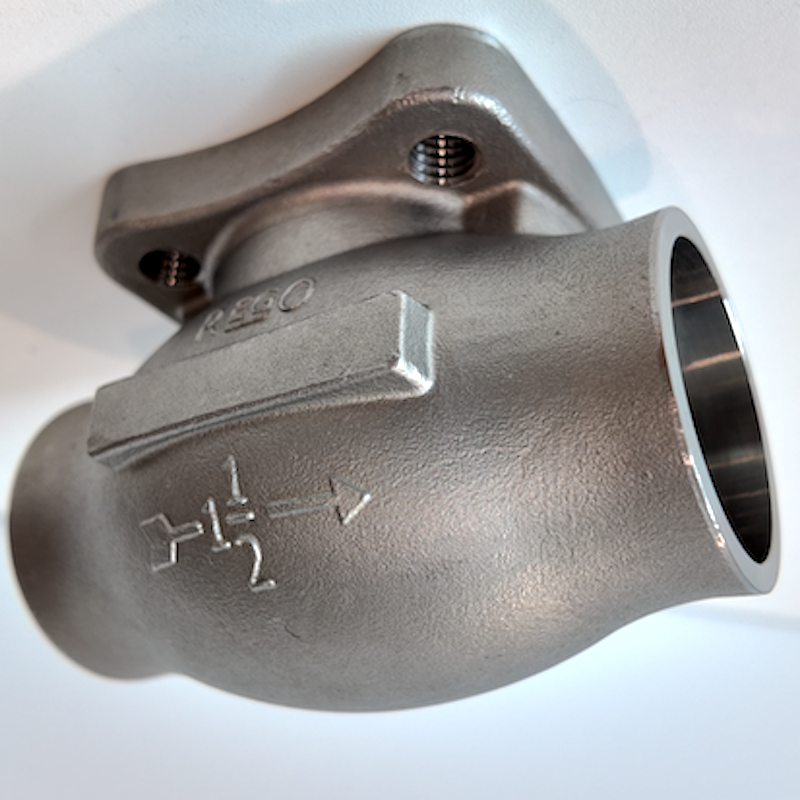
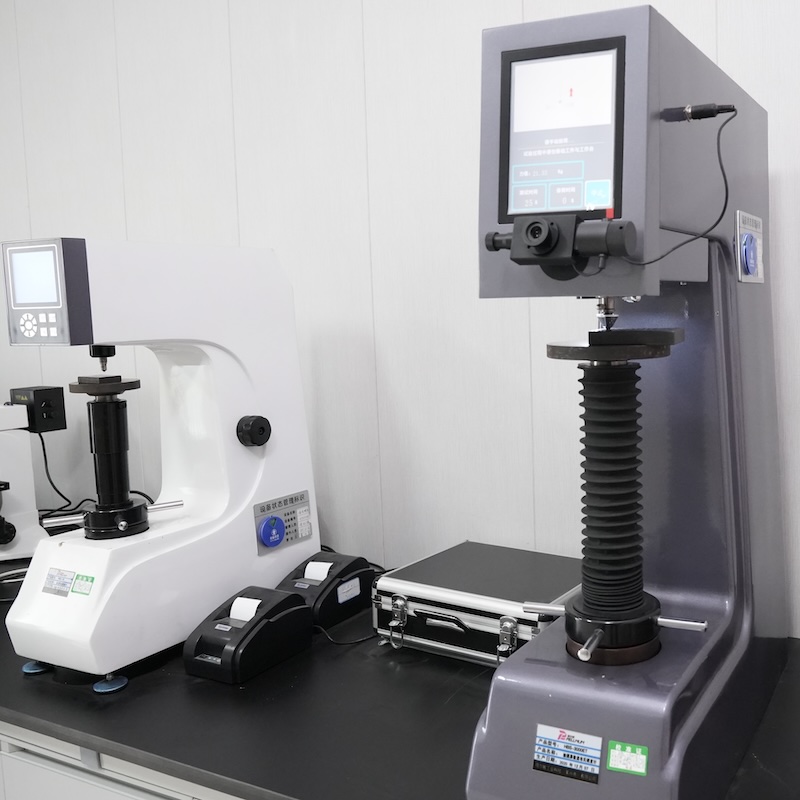
OEM carbon steel casting represents a specialized manufacturing process that delivers custom-designed metal components tailored to specific industrial requirements. This production method involves pouring molten carbon steel into precisely engineered molds to create complex shapes and structures that would be difficult or impossible to achieve through other fabrication techniques. The process combines traditional metallurgical expertise with modern quality control standards to produce durable, high-performance parts for diverse industrial applications. Carbon steel, an alloy primarily composed of iron and carbon with trace amounts of other elements, offers an exceptional balance of strength, durability, and cost-effectiveness, making it the material of choice for countless manufacturing scenarios. The OEM aspect ensures that each casting is manufactured according to exact client specifications, meeting stringent dimensional tolerances and performance criteria. The technological features of OEM carbon steel casting include advanced pattern-making capabilities, controlled cooling processes, and precise chemical composition management. Manufacturers utilize sophisticated melting furnaces that maintain optimal temperatures to ensure proper metal flow and structural integrity. Computer-aided design systems enable engineers to develop intricate mold patterns that capture every detail of the desired finished product. Heat treatment processes such as annealing, normalizing, and quenching can be applied to modify the mechanical properties of the castings, enhancing hardness, tensile strength, or ductility as required. Quality assurance protocols incorporate non-destructive testing methods including ultrasonic inspection, magnetic particle testing, and dimensional verification to guarantee that every casting meets specified standards. Applications for OEM carbon steel casting span numerous industries including automotive manufacturing, agricultural equipment production, construction machinery, mining operations, railway systems, and energy generation facilities. These castings serve as critical components in engine blocks, transmission housings, structural supports, gear assemblies, valve bodies, pump housings, and countless other essential parts. The versatility of the casting process allows manufacturers to produce components ranging from small precision parts weighing mere ounces to massive structural elements exceeding several tons, accommodating the full spectrum of industrial requirements.

New Product Releases

The primary advantage of OEM carbon steel casting lies in its ability to produce complex geometrical shapes with internal cavities and intricate features that would require extensive machining or multiple welded assemblies if manufactured through alternative methods. This capability translates directly into cost savings for customers, as the near-net-shape production reduces material waste and minimizes secondary processing requirements. Companies benefit from shorter production timelines since casting can create finished or near-finished components in a single operation, eliminating the need for multiple manufacturing steps. The economic benefits extend further when producing medium to large production runs, as the initial tooling investment is amortized across many units, resulting in highly competitive per-piece costs. Carbon steel casting delivers exceptional mechanical properties that meet demanding operational requirements. The material exhibits superior tensile strength, allowing components to withstand substantial loads and stresses during service. This strength characteristic ensures long service life and reduces the frequency of replacement, lowering total ownership costs for end users. The inherent toughness of carbon steel provides excellent impact resistance, making castings suitable for applications involving shock loads or dynamic forces. Customers gain reliability advantages since properly designed and manufactured carbon steel castings demonstrate predictable performance characteristics under specified operating conditions. Dimensional accuracy represents another significant benefit, as modern casting techniques achieve tight tolerances that often eliminate or greatly reduce finish machining requirements. This precision ensures proper fit and function when castings are assembled into larger systems, reducing installation time and minimizing adjustment needs. The material consistency throughout each casting provides uniform mechanical properties, eliminating concerns about weak spots or structural variations that might compromise performance. OEM carbon steel casting offers remarkable design flexibility, enabling engineers to optimize component geometry for specific applications. Weight reduction opportunities exist through strategic material placement, using thicker sections only where strength is needed while minimizing material in non-critical areas. This optimization improves fuel efficiency in mobile applications and reduces structural loads in stationary installations. The casting process accommodates design modifications relatively easily compared to forging or machining processes, allowing manufacturers to refine products based on field experience or changing requirements. Surface finish quality achievable through casting often meets functional requirements without additional processing, though finishing operations can be applied when aesthetic considerations matter. The material's excellent weldability facilitates repairs if needed and allows castings to be integrated with fabricated structures. Corrosion resistance can be enhanced through various coating systems, extending service life in challenging environments. Customers appreciate the availability of carbon steel casting suppliers worldwide, ensuring supply chain security and competitive pricing through market dynamics. The established manufacturing infrastructure and extensive experience base within the casting industry provide confidence in consistent quality and reliable delivery schedules.

Latest News

Selection And Application Scope Of Hardness Tester

11

May

Selection And Application Scope Of Hardness Tester

View More
The Role Of Elements In Castings And The Order Of Addition

11

May

The Role Of Elements In Castings And The Order Of Addition

View More
Stainless Steel Castings for Architectural Posts

11

May

Stainless Steel Castings for Architectural Posts

View More
Stainless Steel Castings for Building Facade Systems

11

May

Stainless Steel Castings for Building Facade Systems

View More

Get a Free Quote

Our representative will contact you soon.
Email
Name
Company Name
Message
0/1000

oem carbon steel casting

Exceptional Customization Capabilities for Unique Industrial Requirements

Exceptional Customization Capabilities for Unique Industrial Requirements

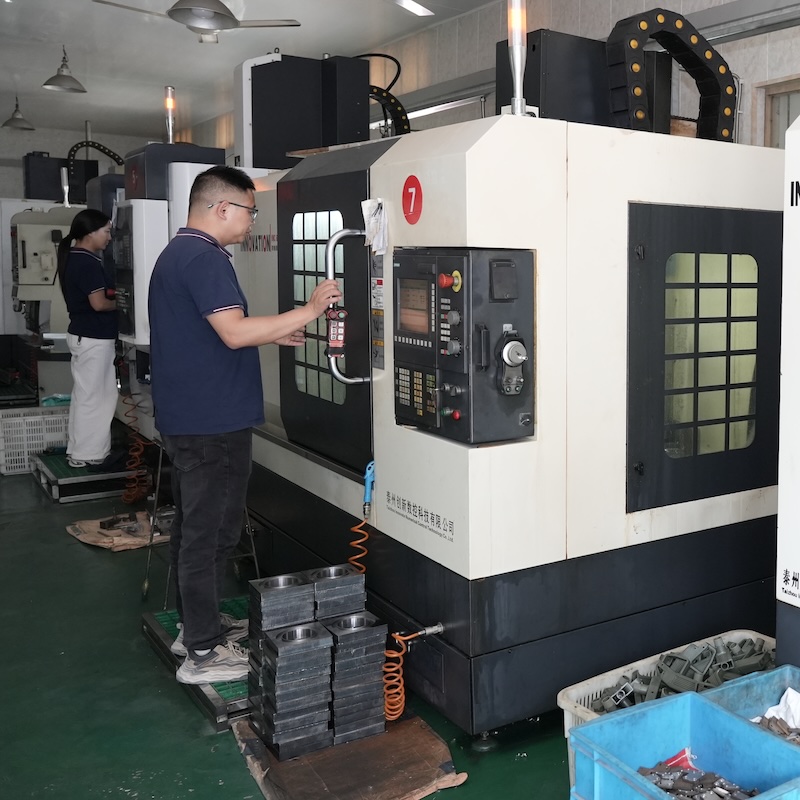
OEM carbon steel casting stands out in the manufacturing landscape due to its extraordinary customization potential, enabling businesses to obtain precisely tailored components that align perfectly with their specific operational demands. Unlike standardized off-the-shelf products, OEM casting begins with a collaborative design process where engineers work closely with clients to understand exact requirements, performance criteria, and application constraints. This partnership approach ensures that every dimensional specification, mechanical property, and functional characteristic is carefully considered and incorporated into the final design. The customization process leverages advanced computer-aided design software that allows engineers to model complex three-dimensional geometries, simulate metal flow during pouring, and predict potential defects before any physical production occurs. This virtual prototyping capability dramatically reduces development time and costs while improving first-time quality. Pattern makers then translate digital designs into physical patterns or core boxes using precision machining centers, 3D printing technologies, or traditional craftsmanship depending on project requirements and production volumes. The flexibility inherent in the casting process accommodates an impressive range of component sizes, from delicate precision parts weighing just a few ounces to massive industrial components exceeding ten tons. This scalability makes OEM carbon steel casting suitable for diverse applications across multiple industry sectors. Chemical composition can be precisely controlled to achieve specific mechanical properties, with carbon content adjusted to balance strength and ductility, while trace elements like manganese, silicon, and phosphorus are carefully managed to optimize performance characteristics. Heat treatment protocols can be customized post-casting to further modify properties, with processes such as stress relieving, normalizing, or quenching and tempering applied according to application requirements. Surface finish specifications can be tailored through various techniques including shot blasting, grinding, or coating applications. The customization extends to quality control procedures, where inspection protocols are developed specifically for each component type, ensuring that critical features receive appropriate verification while optimizing inspection efficiency. Documentation packages can be customized to meet industry standards, customer requirements, or regulatory mandates, providing complete traceability and quality assurance. This comprehensive customization capability empowers customers to optimize their products for performance, cost, and manufacturability, gaining competitive advantages through components designed specifically for their unique applications rather than compromising with generic alternatives.
Superior Durability and Long-Term Performance Reliability

Superior Durability and Long-Term Performance Reliability

The durability characteristics of OEM carbon steel casting provide substantial long-term value for customers operating in demanding industrial environments where component failures result in costly downtime and safety concerns. Carbon steel's inherent metallurgical properties create a material structure that resists mechanical degradation even under sustained stress, repeated loading cycles, and harsh operating conditions. The casting process itself contributes to durability through the formation of uniform grain structures that distribute stresses evenly throughout the component, eliminating the directional weaknesses sometimes present in rolled or forged materials. This isotropy ensures consistent performance regardless of load direction, providing design engineers with confidence when calculating safety factors and service life expectations. The material's excellent fatigue resistance enables castings to endure millions of stress cycles without developing cracks or experiencing failure, a critical characteristic for rotating machinery components, structural elements subject to vibration, and parts experiencing repetitive loading patterns. Wear resistance in carbon steel castings can be enhanced through heat treatment processes that increase surface hardness while maintaining core toughness, creating components that resist abrasive wear while retaining impact resistance. This combination proves particularly valuable in mining equipment, agricultural machinery, and construction applications where components encounter abrasive materials during normal operation. Thermal stability represents another durability advantage, as carbon steel maintains its mechanical properties across wide temperature ranges, performing reliably in both frigid environments and elevated temperature applications up to several hundred degrees. The material does not become brittle at low temperatures like some alloys, nor does it experience significant strength degradation at moderately elevated temperatures. Corrosion resistance, while not carbon steel's strongest attribute in raw form, can be effectively managed through various protective strategies including paint systems, galvanizing, or conversion coatings, extending service life in corrosive environments. The material's response to protective treatments is excellent, with coatings adhering tenaciously to properly prepared surfaces. Structural integrity remains stable over decades of service when components are properly designed and maintained, with many carbon steel castings continuing to perform their intended functions after fifty or more years of continuous use. This longevity translates into reduced lifecycle costs, as the extended replacement intervals decrease procurement expenses, minimize installation labor, and reduce operational disruptions. Predictable aging characteristics allow maintenance planners to schedule inspections and replacements proactively rather than responding to unexpected failures. The material's excellent repairability through welding processes extends component life further, as localized damage or wear can often be corrected through weld buildup and remachining rather than complete replacement, providing additional economic benefits throughout the component's service life.
Cost-Effective Production for Competitive Manufacturing Advantages

Cost-Effective Production for Competitive Manufacturing Advantages

OEM carbon steel casting delivers compelling economic advantages that directly impact customer profitability through reduced component costs, shorter production timelines, and improved supply chain efficiency. The fundamental economics of the casting process favor production efficiency, as the near-net-shape manufacturing approach minimizes material waste by creating components very close to final dimensions, eliminating the substantial material removal required in machining from solid stock. This material efficiency becomes increasingly significant as component size increases, with large castings potentially saving thousands of pounds of steel compared to machined alternatives. The ability to create complex internal passages, cavities, and features during the casting process eliminates costly secondary operations such as deep hole drilling, internal machining, or assembly of multiple parts, consolidating manufacturing steps and reducing labor content. Tooling costs for casting, while representing an upfront investment, prove economical when amortized across production volumes, with break-even points often occurring at surprisingly low quantities, particularly for complex components where alternative manufacturing methods require expensive fixtures, multiple setups, and extensive programming. The tooling longevity in casting operations is impressive, with properly maintained patterns and core boxes producing thousands of castings before requiring replacement, further reducing per-piece costs in ongoing production scenarios. Lead time advantages emerge from the streamlined production process, as casting operations can often deliver components more quickly than fabrication alternatives requiring multiple operations, transfers between departments, and sequential processing steps. This responsiveness benefits customers facing tight project schedules or seeking to minimize inventory carrying costs through just-in-time delivery arrangements. Material costs for carbon steel remain favorable compared to specialty alloys or exotic materials, providing baseline cost advantages while still delivering the mechanical properties required for most industrial applications. The widespread availability of carbon steel and the competitive supplier base ensure stable pricing and supply security, protecting customers from material shortages or price volatility that occasionally affects less common materials. Energy efficiency in modern casting operations contributes to cost competitiveness, as improved furnace designs, heat recovery systems, and process optimization reduce the energy content per casting, benefits that are passed along to customers through competitive pricing. Quality costs are minimized through mature, well-understood processes that achieve high first-time yield rates, reducing scrap and rework expenses that would otherwise increase component prices. The established knowledge base within the casting industry, accumulated over centuries of practice and refined through modern quality systems, provides process stability that translates into consistent costs and reliable delivery performance. Customers benefit from predictable budgeting and reduced procurement risk when sourcing OEM carbon steel castings from qualified suppliers.

Get a Free Quote

Our representative will contact you soon.
Email
Name
Company Name
Message
0/1000