OEM Carbon Steel Casting Solutions - Custom Metal Components for Industrial Applications

Get a Free Quote

Our representative will contact you soon.
Email
Name
Mobile
Company Name
Message
0/1000

oem carbon steel casting

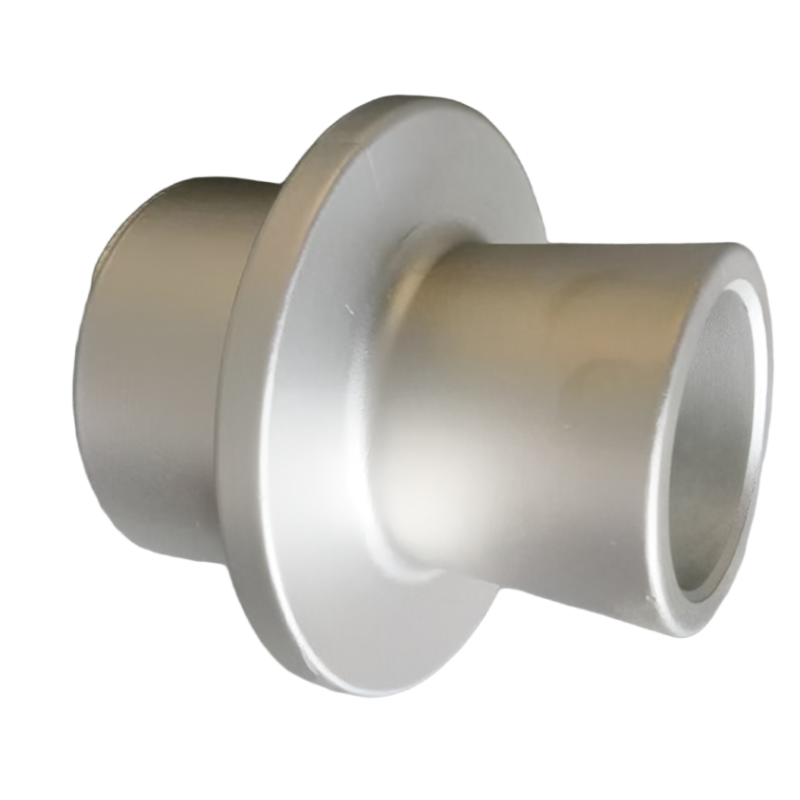
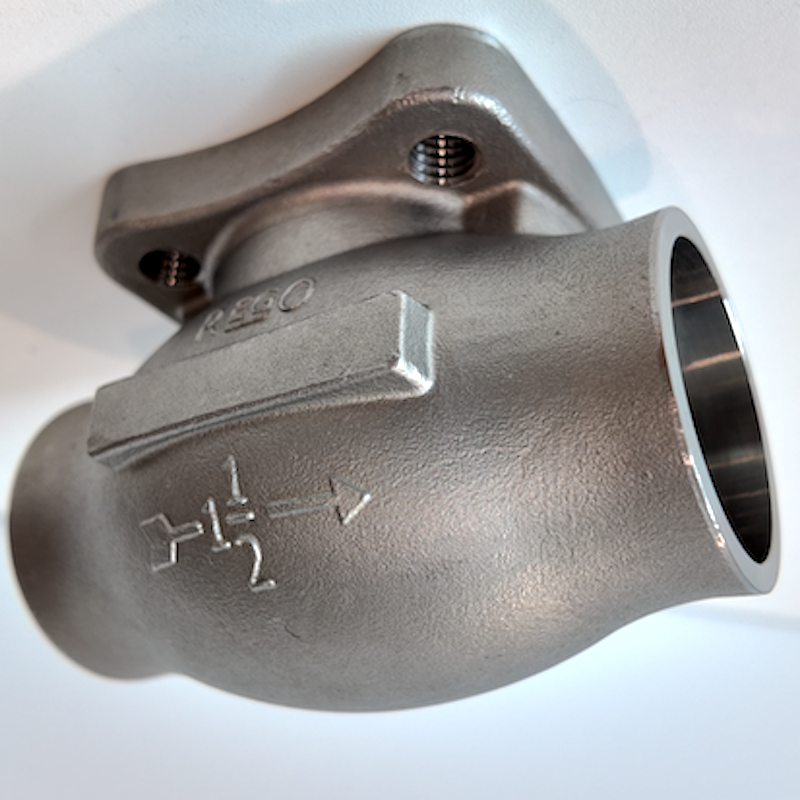
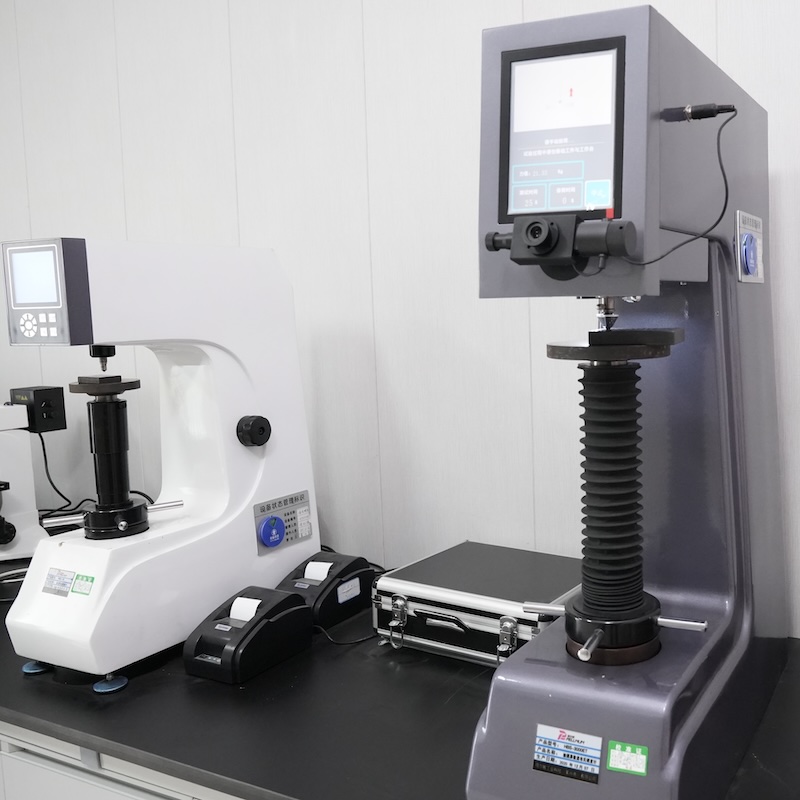
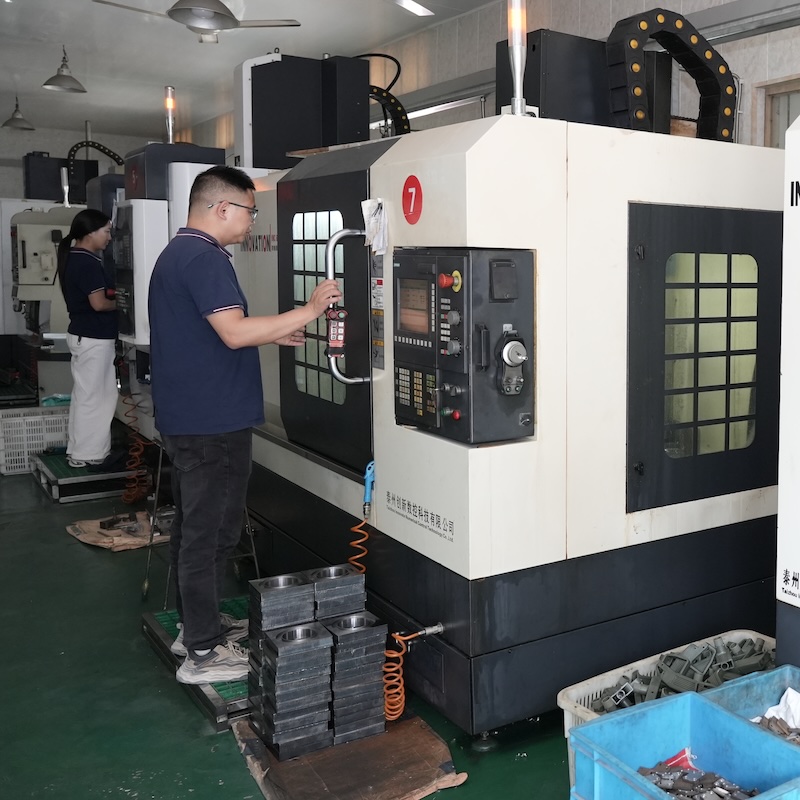
OEM carbon steel casting represents a sophisticated manufacturing process that transforms molten carbon steel into precise, durable components tailored to exact customer specifications. This metalworking technique involves pouring liquid carbon steel into carefully designed molds, allowing manufacturers to create complex shapes and structures that would be difficult or impossible to achieve through other fabrication methods. The process begins with melting high-quality carbon steel at temperatures exceeding 2500 degrees Fahrenheit, then carefully pouring this molten material into sand molds, ceramic molds, or investment casting patterns. As the material cools and solidifies, it takes the exact shape of the mold cavity, producing components with exceptional structural integrity and dimensional accuracy. OEM carbon steel casting serves critical functions across multiple industries, providing essential parts for machinery, automotive systems, construction equipment, agricultural implements, and industrial infrastructure. The technological features of this manufacturing method include remarkable design flexibility, enabling engineers to incorporate intricate geometries, hollow sections, internal passages, and complex surface contours into single-piece castings. Advanced metallurgical control during the casting process ensures consistent material properties throughout each component, with carbon content carefully regulated to achieve specific hardness, tensile strength, and wear resistance characteristics. Modern foundries employ computerized simulation software to optimize mold design, predict solidification patterns, and minimize defects before production begins. Quality control measures include spectroscopic analysis to verify chemical composition, non-destructive testing to detect internal flaws, and dimensional inspection to confirm adherence to engineering specifications. Applications for oem carbon steel casting span numerous sectors, from valve bodies and pump housings in fluid handling systems to gear cases and mounting brackets in heavy equipment, from structural connectors in building frameworks to wear-resistant components in mining machinery. The versatility of carbon steel as a casting material, combined with the precision of modern foundry techniques, makes oem carbon steel casting an indispensable manufacturing solution for producing robust, reliable components that meet demanding operational requirements while maintaining cost-effectiveness for large-scale production runs.

New Product Releases

Choosing oem carbon steel casting for your manufacturing needs delivers substantial practical benefits that directly impact your bottom line and product performance. First and foremost, this production method offers exceptional cost efficiency, particularly for medium to large production volumes. Once the initial mold or pattern is created, manufacturers can produce hundreds or thousands of identical components with minimal incremental cost, spreading tooling expenses across the entire production run. This economy of scale makes oem carbon steel casting significantly more affordable than machining each part from solid stock, especially when dealing with complex geometries that would require extensive cutting operations. The material utilization rate is remarkably high, as excess metal can be recycled back into the melting process, reducing waste and lowering raw material costs. Beyond economics, oem carbon steel casting provides superior design freedom that empowers engineers to optimize component functionality. You can incorporate features like integrated mounting points, reinforcement ribs, weight-reducing hollow sections, and consolidation of multiple parts into single castings, all of which streamline assembly processes and reduce overall system complexity. The mechanical properties of carbon steel castings are exceptionally well-suited for demanding applications, offering excellent tensile strength that resists breaking under load, impressive impact resistance that withstands sudden shocks, and outstanding wear characteristics that extend service life in abrasive environments. Unlike welded fabrications that create stress concentration points and potential failure zones, cast components feature uniform material structure throughout, eliminating weak spots and enhancing reliability. The surface finish of modern carbon steel castings has improved dramatically with advanced molding techniques, often requiring minimal post-casting machining to meet final specifications. This reduction in secondary operations saves both time and money while accelerating delivery schedules. Production lead times for oem carbon steel casting have become increasingly competitive as foundries adopt automated processes and sophisticated quality management systems. You receive components that meet stringent dimensional tolerances right out of the mold, ensuring proper fit and function in your assemblies. The durability of carbon steel castings translates directly into lower maintenance costs and reduced downtime for your customers, building reputation and encouraging repeat business. Corrosion resistance can be enhanced through various surface treatments and coatings, adapting the components to harsh operating environments. The scalability of the casting process means you can easily adjust production volumes to match market demand without significant retooling investments. Whether you need fifty units or fifty thousand, oem carbon steel casting provides a flexible manufacturing solution that grows with your business while maintaining consistent quality standards across every production batch.

Practical Tips

Which Quality Standards Should a Custom Lost Wax Casting Foundry Meet for Export Markets?

05

Jun

Which Quality Standards Should a Custom Lost Wax Casting Foundry Meet for Export Markets?

Selecting a manufacturing partner for precision components intended for international buyers is never a straightforward decision. When the supply chain depends on a custom lost wax casting foundry, procurement engineers and quality managers must go b...
View More
What Factors Affect Surface Finish Quality in Medium Temperature Wax Casting Processes?

05

Jun

What Factors Affect Surface Finish Quality in Medium Temperature Wax Casting Processes?

Surface finish quality is one of the most critical performance indicators in precision investment casting, and it is directly shaped by the variables embedded in the medium temperature wax casting process. Unlike standard casting methods, medium temp...
View More
How Do OEM ODM Precision Casting Services Support Flexible Design and Rapid Prototyping?

26

Jun

How Do OEM ODM Precision Casting Services Support Flexible Design and Rapid Prototyping?

Figure 1: Custom Valve Body Fabricated via Precision Investment Casting, Featuring Crisp Surface Details and Net-Shape Integrity. In today's fast-evolving manufacturing landscape, the ability to move from concept to production-ready component quickly...
View More
What Should Global Buyers Expect from OEM ODM Precision Casting Services Suppliers?

05

Jun

What Should Global Buyers Expect from OEM ODM Precision Casting Services Suppliers?

For global buyers sourcing complex metal components, selecting a reliable partner for oem odm precision casting services is one of the most consequential procurement decisions in a production cycle. The stakes are high: dimensional inaccuracies, inco...
View More

Get a Free Quote

Our representative will contact you soon.
Email
Name
Mobile
Company Name
Message
0/1000

oem carbon steel casting

Unmatched Structural Integrity and Load-Bearing Capacity

Unmatched Structural Integrity and Load-Bearing Capacity

The structural integrity of oem carbon steel casting stands as one of its most compelling advantages, providing engineers and manufacturers with components that deliver reliable performance under the most challenging operational conditions. When molten carbon steel solidifies within a mold, it forms a continuous, homogeneous structure free from the joints, seams, and fasteners that characterize fabricated assemblies. This monolithic construction eliminates weak points where stress concentrations typically initiate cracks and failures, creating components with inherently superior strength characteristics. The metallurgical bonding that occurs during solidification produces uniform grain structures throughout the casting, ensuring consistent mechanical properties in all directions rather than the directional weaknesses sometimes found in rolled or forged materials. This isotropy makes oem carbon steel casting particularly valuable for components subjected to multi-directional loads or unpredictable stress patterns. The carbon content in these castings can be precisely controlled during the melting process, allowing metallurgists to tailor material properties to specific application requirements. Lower carbon concentrations produce more ductile castings with excellent impact resistance, ideal for components that must absorb sudden shocks without fracturing. Higher carbon levels create harder, more wear-resistant surfaces perfect for parts exposed to abrasive contact or sliding friction. This metallurgical flexibility enables a single manufacturing process to serve diverse performance needs across multiple industries. The load-bearing capacity of carbon steel castings derives from both material strength and geometric optimization. Engineers can design castings with strategic material placement, adding thickness in high-stress zones while removing material from lightly loaded areas, achieving optimal strength-to-weight ratios impossible with standard stock shapes. Internal reinforcement ribs can be cast directly into components, providing exceptional stiffness without adding separate structural elements. The ability to create complex three-dimensional geometries means stress distribution can be carefully managed through shape alone, reducing peak stresses and extending fatigue life. Modern computational analysis tools allow designers to simulate loading conditions virtually, identifying potential problem areas before committing to production tooling. This predictive capability minimizes the risk of field failures and ensures components meet or exceed performance specifications. The long-term reliability of oem carbon steel casting has been proven across decades of service in critical applications, from bridge components supporting continuous traffic loads to mining equipment enduring constant impact and abrasion, establishing a track record that gives engineers confidence when specifying these components for demanding new applications.
Cost-Effective Production for Complex Geometries

Cost-Effective Production for Complex Geometries

When manufacturing components with intricate shapes, internal passages, or elaborate surface features, oem carbon steel casting emerges as the most economically viable production method available to modern manufacturers. The fundamental economics of casting favor complexity, as the cost to create a mold capable of producing a highly detailed component differs only marginally from one designed for a simple shape. Once the pattern and mold system are established, each additional casting replicates that complexity without additional expense, making elaborate designs financially accessible even for budget-conscious projects. Consider the alternative approaches for creating complex metal components. Machining from solid stock requires removing material through cutting operations, with costs rising dramatically as design complexity increases. A part requiring extensive milling, drilling, and contouring might consume hours of expensive machine time, generate substantial scrap material, and still struggle to achieve internal features like cooling passages or hollow sections. Fabrication through welding multiple pieces together introduces labor-intensive assembly operations, requires skilled welders, creates potential weak points at joints, and demands additional inspection to verify weld integrity. In contrast, oem carbon steel casting consolidates all these features into a single pouring operation, dramatically reducing both production time and labor costs. The per-unit cost advantage becomes even more pronounced as production volumes increase. While the initial investment in patterns and tooling requires careful consideration, these costs amortize across the entire production run. For quantities exceeding several dozen pieces, casting typically achieves break-even compared to alternative methods, with savings accelerating as volumes grow into hundreds or thousands of units. This scalability makes oem carbon steel casting equally suitable for limited production runs of specialized equipment and high-volume manufacturing of standardized components. Material efficiency contributes significantly to cost-effectiveness. Modern casting processes achieve remarkable precision in controlling metal flow and minimizing excess material, reducing the cleanup and finishing work required after casting. Gates, risers, and other feeding systems necessary for proper mold filling can be designed for easy removal and immediate recycling back into the melting furnace. This closed-loop material flow means virtually all metal purchased eventually becomes part of finished components rather than being lost to waste streams. The ability to cast near-net-shape components, requiring minimal post-casting machining, further enhances economic performance. Many castings need only light grinding or drilling of mounting holes to reach final specifications, avoiding the substantial machining costs associated with heavily oversized forgings or fabrications. Advanced molding techniques now achieve surface finishes and dimensional tolerances that previously required extensive secondary operations, compressing production schedules and reducing handling between process steps. For manufacturers operating in competitive markets where price sensitivity influences purchasing decisions, the cost advantages of oem carbon steel casting can make the difference between winning and losing business while maintaining healthy profit margins.
Customization Flexibility Meeting Exact OEM Requirements

Customization Flexibility Meeting Exact OEM Requirements

The true power of oem carbon steel casting lies in its remarkable adaptability to meet precise original equipment manufacturer specifications, enabling custom solutions that address unique engineering challenges without the constraints imposed by standard catalog components. Every industry faces specialized requirements driven by specific operating environments, performance criteria, regulatory compliance needs, and integration with existing systems. Off-the-shelf parts rarely provide perfect solutions, often forcing engineers to accept compromises that limit performance or complicate assembly. OEM carbon steel casting eliminates these compromises by producing components engineered exactly to your specifications, matching your dimensional requirements, material properties, surface finishes, and functional features without deviation. The customization process begins with collaborative engineering, where foundry specialists work directly with your design team to optimize component geometry for both functional performance and manufacturing efficiency. Experienced casting engineers contribute valuable insights about draft angles, wall thickness uniformity, parting line placement, and gating design that enhance castability while preserving design intent. This partnership approach often identifies opportunities to improve component performance through minor modifications that take advantage of casting-specific capabilities, such as incorporating mounting features, adding identification marks, or integrating wear-resistant surfaces in high-friction areas. The flexibility extends to material selection within the carbon steel family, with compositions ranging from low-carbon grades offering maximum ductility and weldability to high-carbon variants providing exceptional hardness and wear resistance. Alloying additions like manganese for improved hardenability, silicon for enhanced fluidity during pouring, or chromium for corrosion resistance can be incorporated to create custom alloys tailored to specific service conditions. Heat treatment processes including annealing, normalizing, quenching, and tempering further expand the property range achievable from carbon steel castings, allowing metallurgists to dial in precise combinations of hardness, toughness, and ductility. Surface treatment options provide additional customization possibilities, from phosphate coatings that enhance paint adhesion to electroplating for corrosion protection, from shot peening that induces beneficial compressive stresses to carburizing that creates ultra-hard surface layers over tough cores. Production quantities can be adjusted to match your requirements, whether you need prototype quantities for testing and validation, medium runs for specialized equipment, or high-volume production for mass-market products. Modern foundries maintain flexible scheduling systems that accommodate varying order sizes without penalizing smaller customers with prohibitive setup charges. Quality assurance protocols can be customized to address your specific concerns, incorporating additional inspections, testing procedures, or documentation requirements beyond standard practices. Traceability systems track individual castings from raw material receipt through final shipment, providing complete production history for critical applications requiring comprehensive quality records. This level of customization transforms oem carbon steel casting from a simple manufacturing service into a strategic partnership that enhances your product development capabilities, accelerates time-to-market for new designs, and provides competitive differentiation through optimized component performance unavailable from generic suppliers offering only standard configurations.

Get a Free Quote

Our representative will contact you soon.
Email
Name
Mobile
Company Name
Message
0/1000