Industrial Equipment Components: High-Performance Parts for Enhanced Manufacturing Efficiency

Get a Free Quote

Our representative will contact you soon.
Email
Name
Mobile
Company Name
Message
0/1000

industrial equipment components

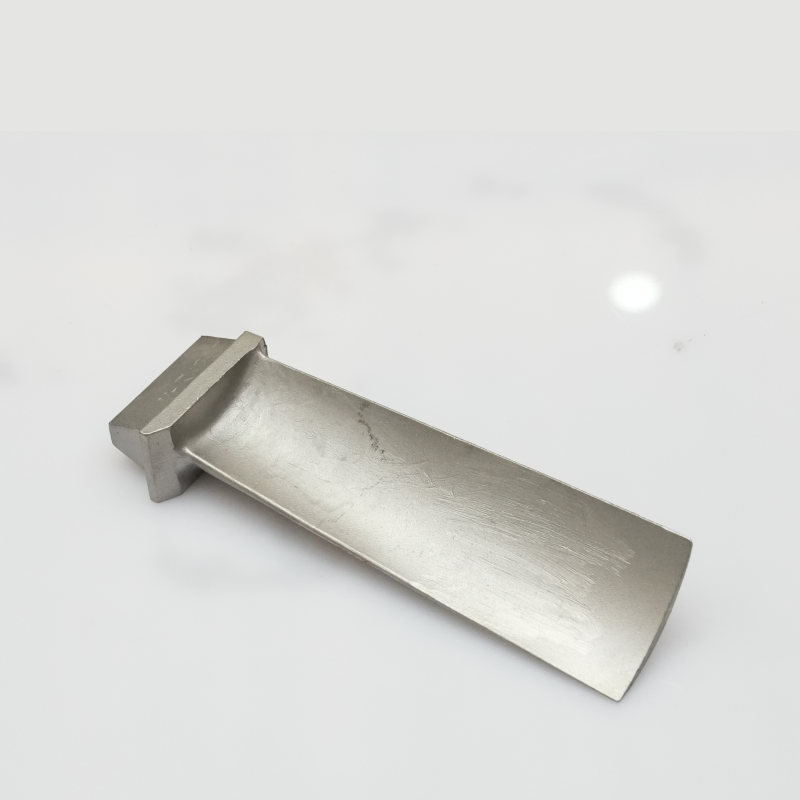
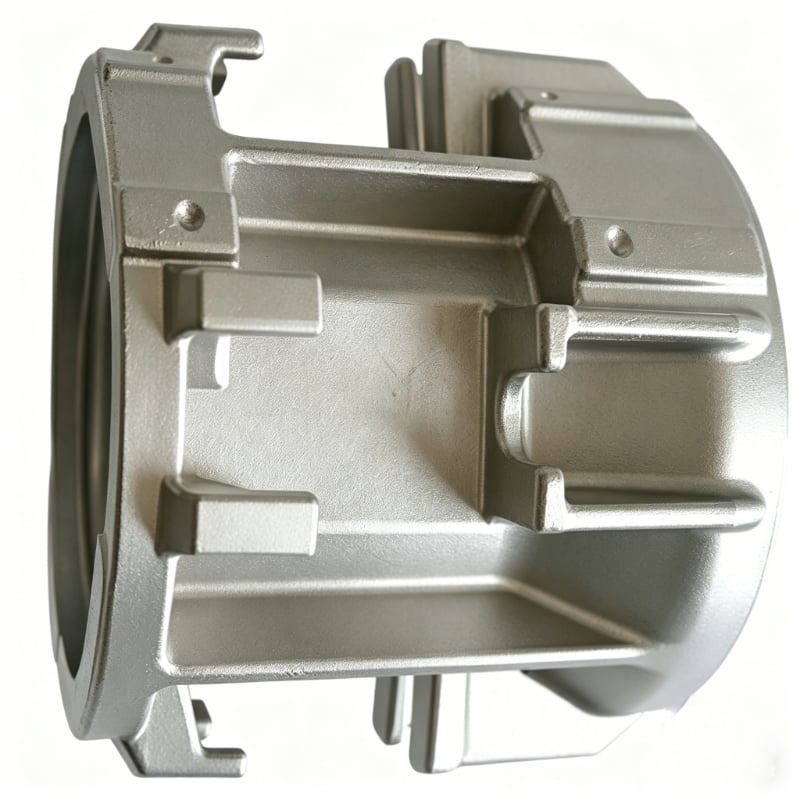
Industrial equipment components serve as the fundamental building blocks that enable manufacturing facilities, processing plants, and production operations to function efficiently and reliably. These critical elements encompass a wide range of mechanical, electrical, and hydraulic parts that work together to create complete operational systems. The main functions of industrial equipment components include power transmission, motion control, structural support, fluid management, and process automation. Each component plays a specific role in ensuring that machinery operates smoothly, safely, and productively within demanding industrial environments. Technological features of modern industrial equipment components have evolved significantly to meet the increasing demands of contemporary manufacturing. Advanced materials such as hardened steel alloys, corrosion-resistant coatings, and engineered polymers provide enhanced durability and longevity. Precision manufacturing techniques ensure tight tolerances and consistent performance across production runs. Many components now incorporate smart technology elements, including sensors and monitoring capabilities that provide real-time data about operational status, wear patterns, and maintenance requirements. Applications for industrial equipment components span virtually every sector of industrial production. In automotive manufacturing, these components facilitate assembly line operations, robotic systems, and quality control processes. The food and beverage industry relies on sanitary-grade components that meet strict hygiene standards while maintaining operational efficiency. Chemical processing facilities utilize specialized components designed to withstand corrosive substances and extreme temperatures. Mining operations depend on heavy-duty components capable of handling substantial loads and harsh environmental conditions. Pharmaceutical manufacturing requires components that ensure precision, cleanliness, and regulatory compliance. Energy production facilities, whether traditional or renewable, incorporate components that manage power generation, distribution, and system monitoring. The versatility and reliability of industrial equipment components make them indispensable across diverse industrial applications, supporting productivity and operational excellence in countless manufacturing and processing environments worldwide.

New Product Recommendations

Industrial equipment components deliver substantial practical benefits that directly impact operational efficiency and bottom-line results for businesses across all sectors. One primary advantage is the significant reduction in downtime that quality components provide. When machinery uses reliable parts, unexpected failures decrease dramatically, allowing production schedules to proceed without costly interruptions. This reliability translates into consistent output and predictable delivery timelines that strengthen customer relationships and business reputation. Another compelling benefit is the extended service life that modern industrial equipment components offer. Advanced manufacturing processes and superior materials mean that components resist wear, corrosion, and fatigue far better than previous generations. This longevity reduces replacement frequency, cutting both parts costs and labor expenses associated with installation and changeover. Businesses find that investing in quality components actually lowers total cost of ownership over the equipment lifecycle. Energy efficiency represents another valuable advantage that industrial equipment components bring to operations. Precisely engineered bearings, seals, and transmission elements minimize friction and power loss, reducing energy consumption throughout the facility. Lower energy usage directly decreases operating costs while also supporting corporate sustainability initiatives and environmental responsibility goals. Many organizations discover that upgraded components pay for themselves through energy savings alone within a reasonable timeframe. Maintenance simplification is yet another practical benefit that cannot be overlooked. Modern industrial equipment components often feature design innovations that make inspection, servicing, and replacement faster and easier. Quick-disconnect fittings, modular designs, and standardized mounting configurations allow maintenance teams to complete tasks efficiently with minimal specialized tools or training. This ease of maintenance reduces labor costs and minimizes the skilled expertise required to keep systems running optimally. Safety improvements are an additional advantage that industrial equipment components provide. Enhanced designs incorporate fail-safe mechanisms, protective features, and warning indicators that help prevent accidents and injuries. Components with better vibration damping reduce noise levels, creating more comfortable working conditions. Pressure relief valves, temperature sensors, and overload protection features safeguard both personnel and equipment from dangerous operating conditions. Performance consistency is another key benefit that quality industrial equipment components deliver. Precision manufacturing ensures that components meet exact specifications, providing predictable behavior under various operating conditions. This consistency allows engineers to design systems with confidence, knowing that components will perform as expected. Production quality becomes more uniform, reducing defects and waste while improving overall product quality and customer satisfaction.

Tips And Tricks

What Makes a Custom Lost Wax Casting Foundry Reliable for Precision Industrial Applications?

05

Jun

What Makes a Custom Lost Wax Casting Foundry Reliable for Precision Industrial Applications?

In precision industrial manufacturing, the reliability of a custom investment casting foundry is not a minor operational detail — it is a fundamental requirement that determines part integrity, production timelines, and ultimately, the safety o...
View More
Why Do Manufacturers Prefer a Silica Sol Investment Casting Supplier for Complex Metal Parts?

05

Jun

Why Do Manufacturers Prefer a Silica Sol Investment Casting Supplier for Complex Metal Parts?

When precision, surface quality, and dimensional accuracy are non-negotiable, manufacturers consistently turn to a trusted silica sol investment casting supplier. This decision is rarely arbitrary. It is driven by a deep understanding of what silica ...
View More
Which Quality Standards Should a Custom Lost Wax Casting Foundry Meet for Export Markets?

05

Jun

Which Quality Standards Should a Custom Lost Wax Casting Foundry Meet for Export Markets?

Selecting a manufacturing partner for precision components intended for international buyers is never a straightforward decision. When the supply chain depends on a custom lost wax casting foundry, procurement engineers and quality managers must go b...
View More
How Do OEM ODM Precision Casting Services Support Flexible Design and Rapid Prototyping?

26

Jun

How Do OEM ODM Precision Casting Services Support Flexible Design and Rapid Prototyping?

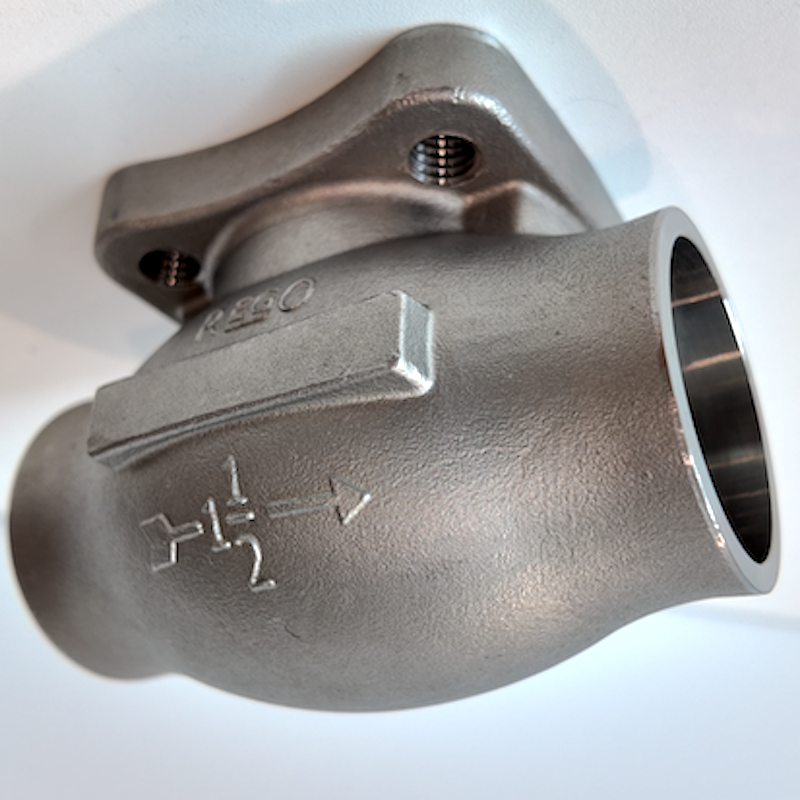
Figure 1: Custom Valve Body Fabricated via Precision Investment Casting, Featuring Crisp Surface Details and Net-Shape Integrity. In today's fast-evolving manufacturing landscape, the ability to move from concept to production-ready component quickly...
View More

Get a Free Quote

Our representative will contact you soon.
Email
Name
Mobile
Company Name
Message
0/1000

industrial equipment components

Superior Durability Through Advanced Material Engineering

Superior Durability Through Advanced Material Engineering

The durability of industrial equipment components has reached unprecedented levels through sophisticated material engineering and innovative manufacturing techniques. Modern components utilize specially formulated alloys that combine multiple metals to achieve optimal properties for specific applications. For instance, bearing components may incorporate chromium for hardness, molybdenum for strength, and nickel for corrosion resistance, creating a material that outperforms traditional options in every measurable category. Surface treatments add another layer of protection and performance enhancement to industrial equipment components. Processes such as nitriding, carbonitriding, and physical vapor deposition create ultra-hard surface layers that resist abrasive wear while maintaining a tough, flexible core that absorbs shock loads. These treated surfaces can achieve hardness levels exceeding that of standard tool steel, dramatically extending component life in abrasive or high-stress environments. The practical importance of this durability cannot be overstated for industrial operations. Extended component life directly translates to reduced maintenance schedules, fewer production interruptions, and lower inventory requirements for spare parts. Facilities can operate with greater confidence, knowing that critical components will continue performing reliably between scheduled maintenance intervals. This reliability is particularly valuable in continuous process industries where unplanned shutdowns result in significant financial losses and potential safety concerns. Furthermore, durable industrial equipment components maintain their precision and performance characteristics throughout their service life. Rather than gradually degrading, quality components sustain tight tolerances and smooth operation until near the end of their useful life, providing consistent performance that supports quality control objectives. Environmental resistance is another critical aspect of component durability. Industrial equipment components designed for harsh environments incorporate protective features against moisture, chemicals, temperature extremes, and contaminants. Sealed bearings prevent ingress of particles and liquids, while special lubricants maintain effectiveness across wide temperature ranges. Corrosion-resistant coatings protect against chemical attack in processing environments. The value proposition for customers centers on total cost optimization rather than simply initial purchase price. While premium industrial equipment components may carry higher upfront costs, their extended service life, reduced maintenance requirements, and elimination of premature failures deliver superior economic value over the ownership period, making them the intelligent choice for organizations focused on operational excellence and financial performance.
Precision Performance for Optimal System Efficiency

Precision Performance for Optimal System Efficiency

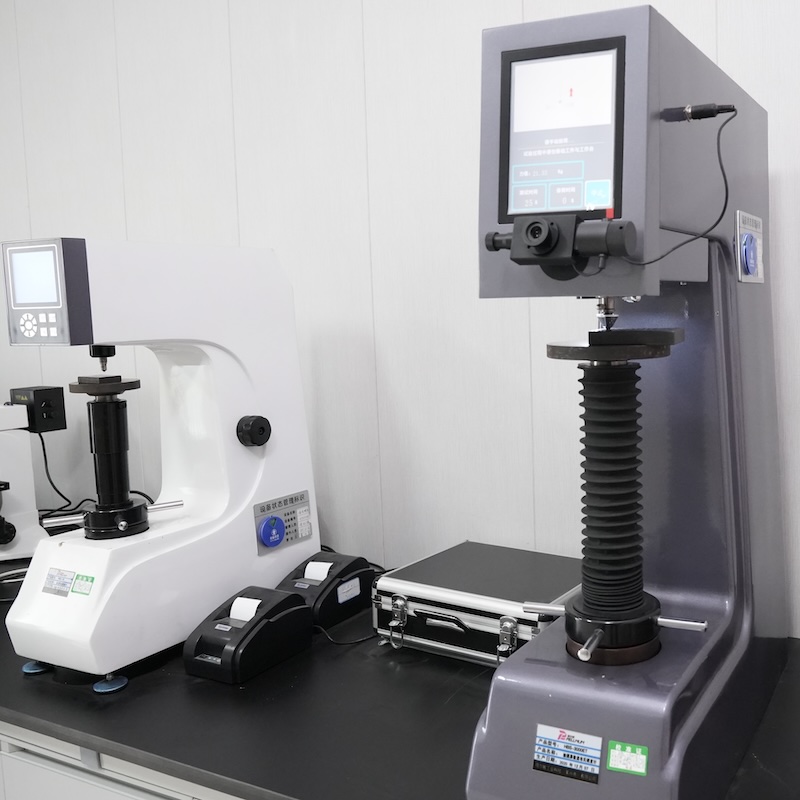
Precision engineering defines the performance capabilities of contemporary industrial equipment components, delivering exacting specifications that enable optimal system efficiency across diverse applications. Manufacturing tolerances measured in micrometers ensure that components fit perfectly within assemblies, eliminating the slack, vibration, and energy losses that plague systems using lower-quality parts. This precision begins with advanced computer-aided design systems that model component behavior under various operating conditions, optimizing geometry for specific performance requirements before manufacturing even begins. The manufacturing processes that create these precise industrial equipment components employ cutting-edge technology and rigorous quality control. Computer numerical control machining centers maintain positioning accuracy within incredibly tight limits, while coordinate measuring machines verify that finished components meet exact specifications. Statistical process control monitors production continuously, identifying trends that might indicate tool wear or process drift before they produce out-of-specification parts. This commitment to precision manufacturing ensures consistent component quality and interchangeability across production batches. The performance benefits of precision industrial equipment components manifest in multiple ways that directly impact operational success. Reduced friction means that less energy is wasted as heat, improving overall system efficiency and lowering energy costs. Smooth operation minimizes vibration, which extends the life of adjacent components and reduces noise levels in the workplace. Precise motion control enables more accurate positioning in automated systems, improving product quality and reducing waste from defective items. These performance improvements are particularly noticeable in high-speed applications where even minor imbalances or irregularities become magnified. Precision components enable machinery to operate at design speeds safely and reliably, maximizing throughput without compromising quality or safety. In applications requiring accurate positioning or measurement, precision components ensure that systems meet specification requirements consistently. Thermal management represents another area where precision industrial equipment components demonstrate their value. Components engineered with exact clearances accommodate thermal expansion predictably, maintaining proper operation across the entire temperature range. This thermal stability prevents binding, excessive wear, or failure due to temperature-related dimensional changes. For customers, precision performance translates into competitive advantages that strengthen market position. Higher production rates, better product quality, lower operating costs, and improved reliability all contribute to enhanced profitability and customer satisfaction. Organizations that specify precision industrial equipment components position themselves for success in increasingly competitive markets where operational excellence differentiates winners from also-rans.
Comprehensive Compatibility and Integration Flexibility

Comprehensive Compatibility and Integration Flexibility

The compatibility and integration flexibility of modern industrial equipment components address one of the most significant challenges facing maintenance managers and system designers: creating cohesive systems from diverse equipment sources while maintaining upgrade paths for future improvements. Standardized interfaces, dimensional specifications, and mounting configurations enable industrial equipment components from different manufacturers to work together seamlessly, avoiding the costly vendor lock-in that plagued earlier industrial systems. This interoperability provides organizations with greater sourcing flexibility and competitive pricing while simplifying inventory management and maintenance operations. Interface standardization represents a crucial aspect of component compatibility. Industrial equipment components designed to industry standards such as ISO, ANSI, or DIN specifications can be substituted or upgraded without requiring modifications to surrounding equipment or system redesign. Mounting bolt patterns, shaft dimensions, electrical connections, and hydraulic port configurations follow established conventions that facilitate component interchange. This standardization dramatically reduces the engineering effort required when replacing failed components or upgrading systems with improved technology. The integration flexibility of industrial equipment components extends beyond simple physical compatibility to encompass functional interoperability as well. Electronic components increasingly incorporate standardized communication protocols that enable seamless data exchange between devices from different manufacturers. Industrial Ethernet, fieldbus systems, and wireless protocols allow sensors, controllers, and actuators to form integrated networks that provide comprehensive system monitoring and control. This connectivity enables advanced features such as predictive maintenance, remote diagnostics, and production optimization that were impossible with earlier isolated components. Modular design principles enhance the integration flexibility of industrial equipment components by creating building-block approaches to system design. Standardized component families allow engineers to configure custom solutions from proven elements rather than designing entirely custom assemblies. This modularity accelerates design cycles, reduces development costs, and improves reliability by utilizing field-proven components rather than untested custom designs. When modifications or expansions become necessary, modular systems accommodate changes far more easily than monolithic alternatives. The practical benefits of compatibility and integration flexibility for customers are substantial and multifaceted. Maintenance inventory requirements decrease when standardized components can service multiple equipment types rather than requiring unique parts for each machine. Supplier relationships become more competitive when multiple sources can provide compatible components. System upgrades can proceed incrementally rather than requiring complete replacements, spreading capital expenditures over time and reducing financial risk. Training requirements decrease when technicians work with standardized components across various systems rather than learning unique specifications for each equipment type. Organizations gain strategic advantages through the flexibility that compatible industrial equipment components provide. Technology evolution can be embraced rather than feared, knowing that improvements can be integrated without disrupting existing operations. Acquisition decisions become simpler when equipment compatibility is assured. Long-term operational costs decrease through the efficiencies that standardization and flexibility enable, improving financial performance and competitive positioning.

Get a Free Quote

Our representative will contact you soon.
Email
Name
Mobile
Company Name
Message
0/1000