ODM Steel Casting Solutions - Custom Metal Components Manufacturing Services

Get a Free Quote

Our representative will contact you soon.
Email
Name
Mobile
Company Name
Message
0/1000

odm steel casting solutions

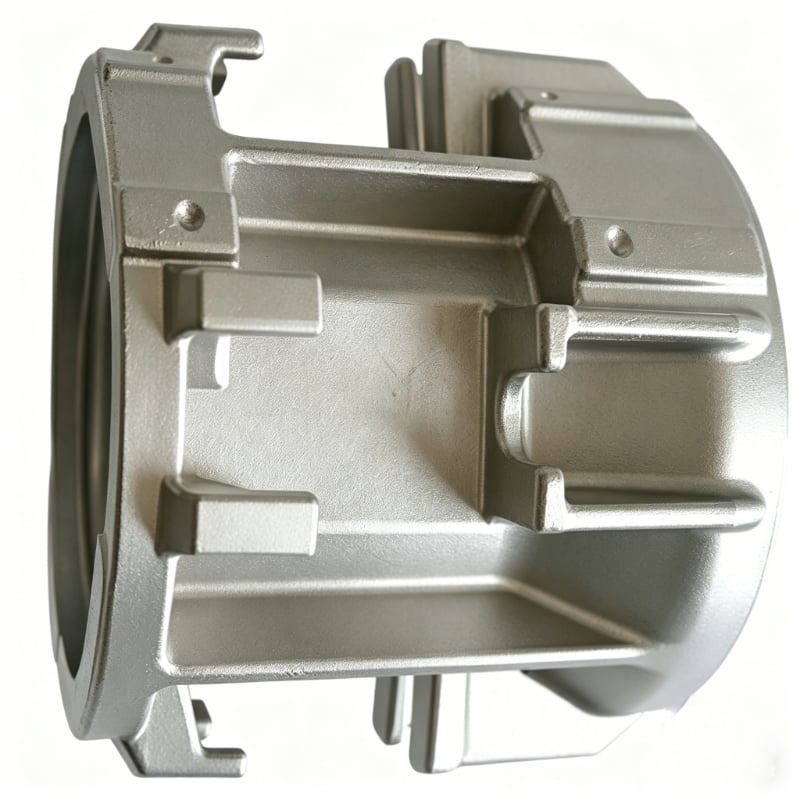
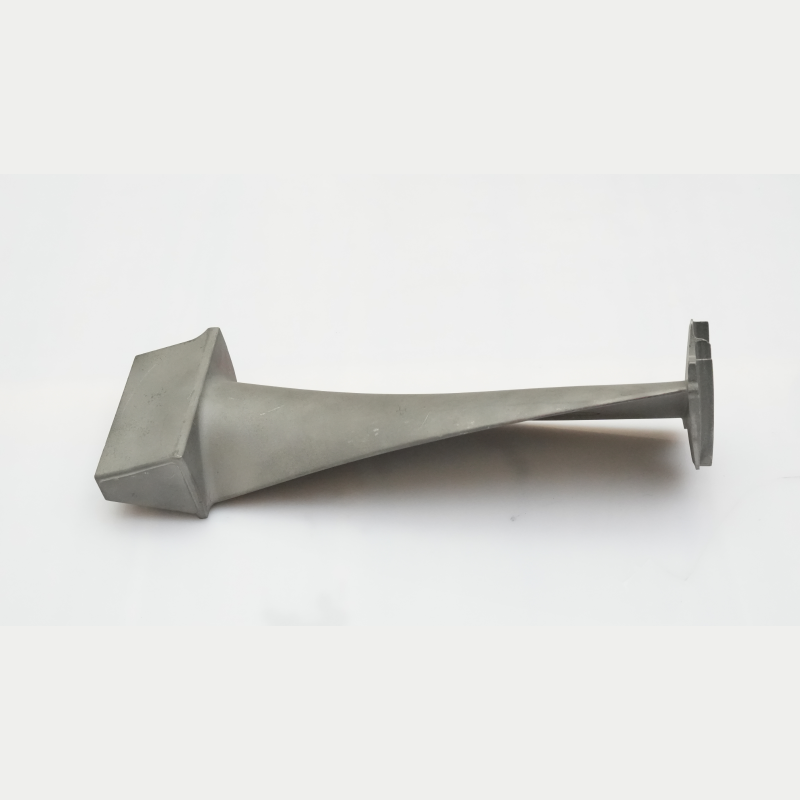
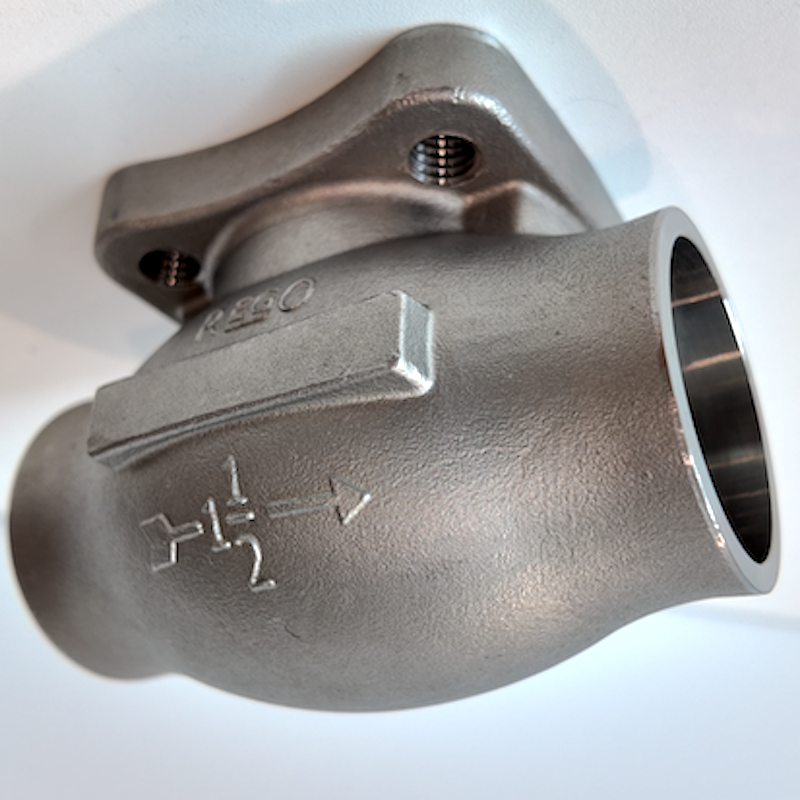
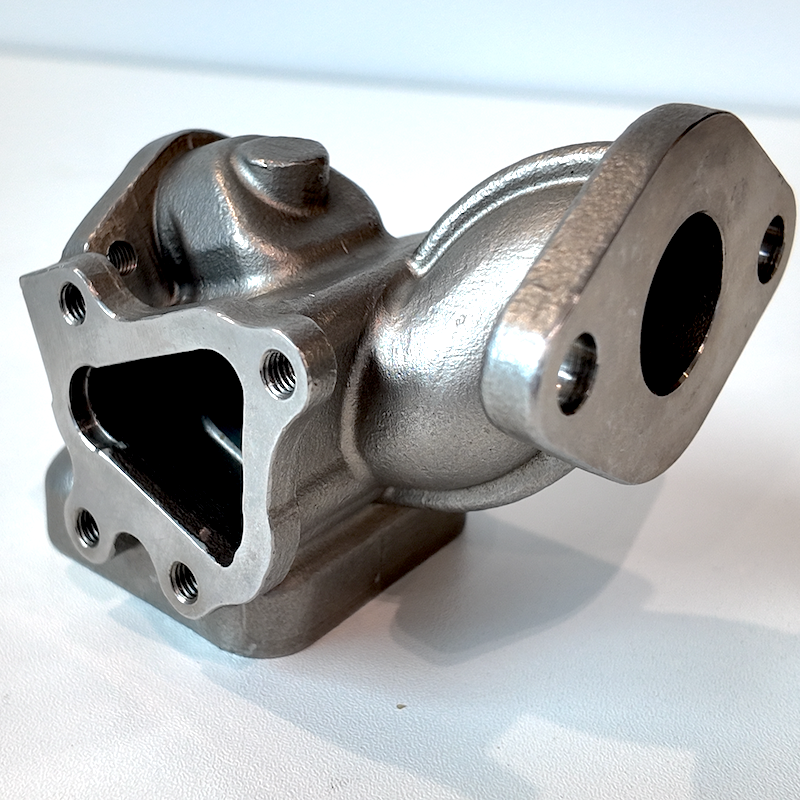
ODM steel casting solutions represent a comprehensive manufacturing approach that combines Original Design Manufacturing capabilities with advanced steel casting technologies to deliver customized metal components for diverse industrial applications. These solutions encompass the entire product development cycle, from initial concept design and engineering analysis through pattern making, mold preparation, metal pouring, heat treatment, and final machining operations. The main function of ODM steel casting solutions is to provide businesses with tailored steel components that meet precise specifications while maintaining cost-effectiveness and production efficiency. The technological features include computer-aided design integration, sophisticated simulation software for predicting casting behavior, precision molding techniques, controlled metallurgical processes, and rigorous quality assurance protocols. Modern ODM steel casting solutions utilize various casting methods such as sand casting, investment casting, and lost foam casting, depending on the complexity, size, and required tolerances of the final product. These solutions incorporate advanced metallurgical expertise to work with numerous steel grades, including carbon steel, alloy steel, stainless steel, and specialty steel formulations. The applications of ODM steel casting solutions span multiple industries including automotive manufacturing, where they produce engine blocks, transmission housings, and structural components; construction equipment, creating heavy-duty parts like excavator buckets and crane components; energy sector applications such as valve bodies, pump casings, and turbine parts; railway systems requiring wheel sets, couplings, and undercarriage components; and marine industry applications including propeller hubs, rudder stocks, and anchor components. The versatility of ODM steel casting solutions allows manufacturers to produce components ranging from small precision parts weighing just a few grams to massive industrial castings exceeding several tons, making this manufacturing approach indispensable for modern industrial production across global markets.

New Products

The advantages of ODM steel casting solutions deliver substantial practical benefits that directly impact your bottom line and operational efficiency. First, you gain access to complete customization capabilities that allow you to create components matching your exact specifications without compromising on design complexity or dimensional accuracy. This flexibility means you can innovate freely without worrying about manufacturing limitations, giving your products a competitive edge in the marketplace. Cost efficiency stands as another major benefit, as ODM steel casting solutions eliminate the need for multiple suppliers and streamline your supply chain management. You work with a single partner who handles design, prototyping, production, and quality control, reducing coordination costs and minimizing communication errors. The economies of scale achieved through integrated manufacturing processes translate to lower per-unit costs, especially for medium to large production runs. Material versatility provides you with options to select the optimal steel grade for your specific application requirements, whether you need superior strength, corrosion resistance, wear resistance, or high-temperature performance. This adaptability ensures your components perform reliably under actual operating conditions, reducing warranty claims and enhancing customer satisfaction. Production speed represents a critical advantage, as ODM steel casting solutions accelerate time-to-market through concurrent engineering practices where design, tooling, and production planning occur simultaneously rather than sequentially. You receive prototypes faster, make iterative improvements more efficiently, and launch products ahead of competitors. Quality assurance built into every stage of the manufacturing process guarantees consistent component performance and dimensional accuracy. Advanced testing methods including spectral analysis, mechanical property testing, non-destructive examination, and dimensional inspection ensure every casting meets or exceeds your specifications. Design support from experienced engineers helps you optimize component geometry for both functionality and manufacturability, potentially reducing weight, improving strength, or simplifying assembly processes. This collaborative approach prevents costly design flaws and ensures your components can be manufactured efficiently at scale. Supply chain reliability becomes a significant competitive advantage, as established ODM steel casting solution providers maintain stable production capacity, raw material sourcing relationships, and logistics networks that keep your operations running smoothly without interruption. Risk mitigation through proven manufacturing processes and quality systems protects your brand reputation and reduces liability exposure. Finally, scalability allows you to adjust production volumes based on market demand without major capital investments, providing the agility needed in dynamic business environments while maintaining consistent quality across all production quantities.

Latest News

Why Do Manufacturers Prefer a Silica Sol Investment Casting Supplier for Complex Metal Parts?

05

Jun

Why Do Manufacturers Prefer a Silica Sol Investment Casting Supplier for Complex Metal Parts?

When precision, surface quality, and dimensional accuracy are non-negotiable, manufacturers consistently turn to a trusted silica sol investment casting supplier. This decision is rarely arbitrary. It is driven by a deep understanding of what silica ...
View More
How Can OEM ODM Precision Casting Services Accelerate New Product Development Cycles?

26

Jun

How Can OEM ODM Precision Casting Services Accelerate New Product Development Cycles?

Bringing a new industrial product from concept to market is rarely a straightforward journey. Engineering teams face relentless pressure to compress timelines, reduce prototype iterations, and deliver production-ready components without sacrificing d...
View More
How Do OEM ODM Precision Casting Services Support Flexible Design and Rapid Prototyping?

26

Jun

How Do OEM ODM Precision Casting Services Support Flexible Design and Rapid Prototyping?

Figure 1: Custom Valve Body Fabricated via Precision Investment Casting, Featuring Crisp Surface Details and Net-Shape Integrity. In today's fast-evolving manufacturing landscape, the ability to move from concept to production-ready component quickly...
View More
Why Are Stainless Steel Investment Castings Preferred for Corrosion Resistant Applications?

26

Jun

Why Are Stainless Steel Investment Castings Preferred for Corrosion Resistant Applications?

In demanding industrial environments where moisture, chemicals, and extreme temperatures are constant threats, material selection is one of the most critical engineering decisions a manufacturer can make. Among the available manufacturing methods, st...
View More

Get a Free Quote

Our representative will contact you soon.
Email
Name
Mobile
Company Name
Message
0/1000

odm steel casting solutions

Advanced Engineering Integration and Design Optimization

Advanced Engineering Integration and Design Optimization

The advanced engineering integration inherent in ODM steel casting solutions represents a transformative approach to component manufacturing that fundamentally changes how businesses develop and produce steel parts. This comprehensive engineering capability begins with collaborative design sessions where experienced metallurgical engineers and casting specialists work directly with your technical team to understand functional requirements, operating environments, performance expectations, and budget constraints. Using state-of-the-art Computer-Aided Design software and sophisticated simulation tools, these engineers create optimized component geometries that balance mechanical performance with casting feasibility. The design optimization process employs finite element analysis to predict stress distribution, identify potential failure points, and refine structural configurations before any physical prototype is produced. This virtual validation dramatically reduces development costs and accelerates the innovation cycle. Computational fluid dynamics simulation models the flow of molten steel through mold cavities, predicting fill patterns, identifying potential defects like porosity or cold shuts, and optimizing gating systems to ensure complete cavity filling and proper solidification. Thermal analysis modeling predicts cooling rates, solidification sequences, and residual stress development, allowing engineers to design appropriate feeding systems and heat treatment protocols that deliver desired mechanical properties throughout the casting. The integration of Design for Manufacturing principles ensures components can be produced efficiently with minimal waste and optimal yield rates. Engineers consider factors like parting line placement, draft angles, core configurations, and dimensional tolerances to create designs that simplify mold making and reduce production complexity. This manufacturing-focused design approach eliminates costly redesign cycles and accelerates the transition from concept to production. Material selection expertise guides you toward the optimal steel grade for your specific application, considering factors like required strength levels, impact resistance, corrosion exposure, operating temperatures, welding requirements, and machining characteristics. Engineers can recommend standard steel grades or develop custom alloy formulations when unique property combinations are needed. The prototyping phase benefits from rapid tooling technologies that produce functional castings quickly for validation testing, allowing you to evaluate form, fit, and function before committing to production tooling investments. Throughout the development process, design documentation, material specifications, and quality standards are meticulously maintained to ensure traceability and facilitate future modifications or scaling. This systematic engineering approach transforms ODM steel casting solutions from simple manufacturing services into strategic partnerships that enhance product performance, reduce total costs, and accelerate competitive advantage in demanding markets.
Superior Quality Control and Metallurgical Excellence

Superior Quality Control and Metallurgical Excellence

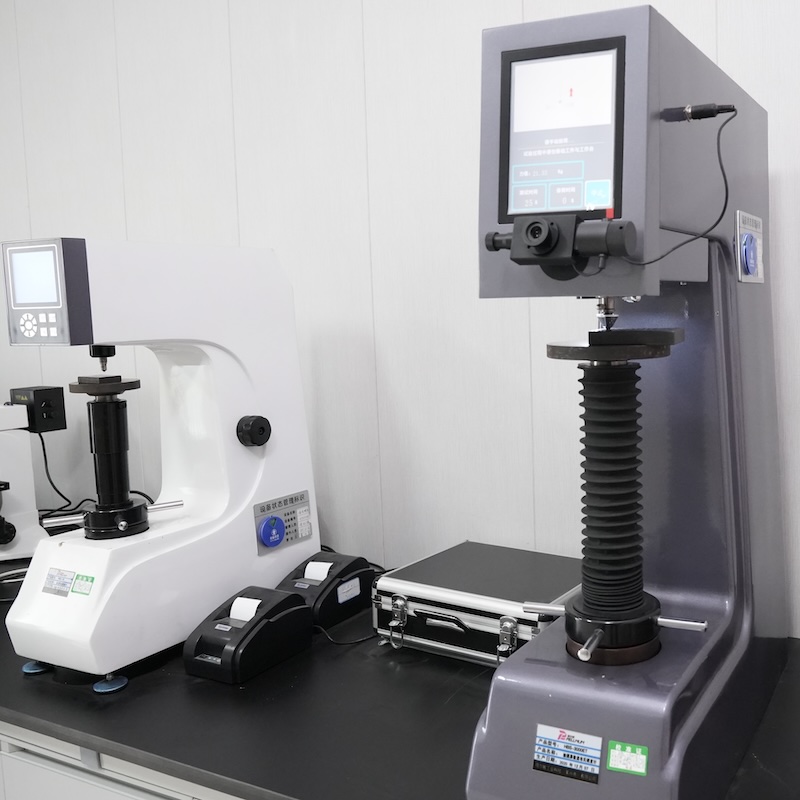
Superior quality control and metallurgical excellence distinguish professional ODM steel casting solutions from basic foundry operations, delivering components with consistent mechanical properties, dimensional accuracy, and long-term reliability that protect your brand reputation and customer relationships. The quality assurance framework begins with incoming material inspection where raw materials including steel scrap, alloying elements, and mold materials undergo rigorous verification testing to confirm chemical composition and physical characteristics meet established specifications. This foundational control prevents contamination and ensures predictable casting behavior. During the melting process, spectrographic analysis monitors the chemical composition of molten steel in real-time, allowing metallurgists to make precise adjustments to carbon content, alloying elements, and impurity levels before pouring begins. This active process control maintains tight compositional tolerances that directly influence mechanical properties like tensile strength, yield strength, hardness, and ductility. Temperature monitoring throughout melting, holding, and pouring operations ensures optimal fluidity for complete mold filling while preventing excessive temperatures that could cause mold erosion or gas absorption. Pouring technique training and standardized procedures ensure consistent fill rates and minimize turbulence that could entrap gases or slag inclusions. Post-casting inspection protocols employ multiple complementary techniques to verify component integrity. Visual inspection identifies surface defects, dimensional measurements confirm critical features meet tolerance requirements, and non-destructive testing methods including ultrasonic examination, magnetic particle inspection, liquid penetrant testing, and radiographic inspection detect internal discontinuities without damaging components. Mechanical property testing on sample coupons cast alongside production components verifies that heat treatment processes achieved target hardness levels, tensile strengths, and impact resistances. Metallographic examination reveals microstructural characteristics including grain size, phase distribution, and inclusion content that influence performance characteristics. Dimensional inspection using coordinate measuring machines provides precise three-dimensional verification of complex geometries, ensuring components will assemble correctly within larger assemblies. Statistical process control methodologies track quality metrics across production runs, identifying trends that might indicate process drift before defects occur, enabling proactive adjustments that maintain consistent output quality. Heat treatment expertise ensures components receive appropriate thermal processing including annealing, normalizing, quenching, or tempering operations that develop optimal microstructures for intended applications. Traceability systems maintain complete documentation linking each casting to specific material heats, production parameters, inspection results, and certifications, facilitating failure analysis if field issues arise and demonstrating compliance with industry standards and customer specifications. This comprehensive quality framework embedded within ODM steel casting solutions provides the confidence that every component will perform as intended throughout its service life, reducing warranty costs, minimizing downtime, and building lasting customer trust that drives repeat business and referrals in competitive industrial markets.
Flexible Production Scalability and Cost Management

Flexible Production Scalability and Cost Management

Flexible production scalability and cost management capabilities embedded in ODM steel casting solutions provide businesses with strategic advantages that support growth, market responsiveness, and financial performance across changing business conditions and demand fluctuations. Unlike captive foundry operations requiring substantial capital investments in facilities, equipment, and specialized workforce, ODM steel casting solutions allow you to access world-class manufacturing capabilities without fixed overhead burdens, converting capital expenditures into variable costs that align with revenue generation. This financial flexibility preserves working capital for core business activities like product development, marketing, and customer service while ensuring access to the production capacity needed to fulfill orders and capture market opportunities. The scalability dimension addresses both volume flexibility and complexity management. For initial product launches or market testing scenarios, ODM steel casting solutions accommodate small batch production economically through flexible tooling approaches and efficient changeover procedures that minimize setup costs. As market demand grows and volumes increase, production can scale seamlessly to larger batch sizes or continuous production runs that leverage economies of scale, reducing per-unit costs while maintaining quality consistency. This scalability works bidirectionally, allowing production reduction during market downturns without stranding capital investments or carrying excess capacity costs. The ability to adjust production volumes dynamically based on actual demand patterns minimizes inventory carrying costs, reduces obsolescence risk, and improves cash flow management. Production planning flexibility accommodates varying lead time requirements, rush orders, and seasonal demand patterns through capacity management strategies and priority scheduling systems. Multiple production technologies available within comprehensive ODM steel casting solutions provide options for optimizing cost-performance tradeoffs based on component characteristics. High-volume standardized components might utilize automated molding lines that maximize throughput and minimize labor content, while complex low-volume specialty parts might employ manual molding techniques that offer greater flexibility without requiring expensive dedicated equipment. Investment casting technologies enable production of intricate geometries with excellent surface finish and tight tolerances for applications where machining reduction justifies higher casting costs, while sand casting provides economical solutions for larger components where some machining is acceptable. This technological diversity ensures you receive the most cost-effective manufacturing approach for each specific component. Geographic production flexibility through ODM steel casting solution providers with multiple facility locations or international partnerships allows you to optimize logistics costs, reduce transportation time, manage currency exposures, and maintain business continuity through supply chain redundancy. Local production options near assembly facilities minimize freight costs and enable just-in-time delivery strategies that reduce inventory requirements. Value engineering collaboration identifies opportunities to reduce component costs through design modifications, material substitutions, tolerance relaxation on non-critical features, or manufacturing process changes that maintain functionality while improving economics. Ongoing cost reduction initiatives and continuous improvement programs systematically identify efficiency gains that are shared with customers through competitive pricing, ensuring long-term cost competitiveness as market pressures intensify and customer expectations evolve in dynamic industrial environments.

Get a Free Quote

Our representative will contact you soon.
Email
Name
Mobile
Company Name
Message
0/1000