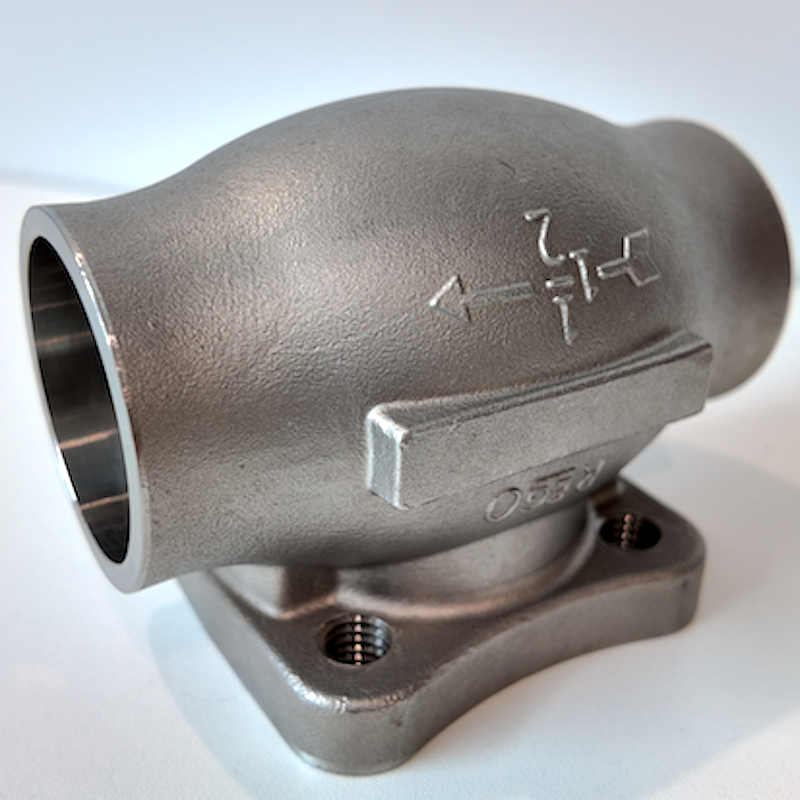
precision metal fabrication
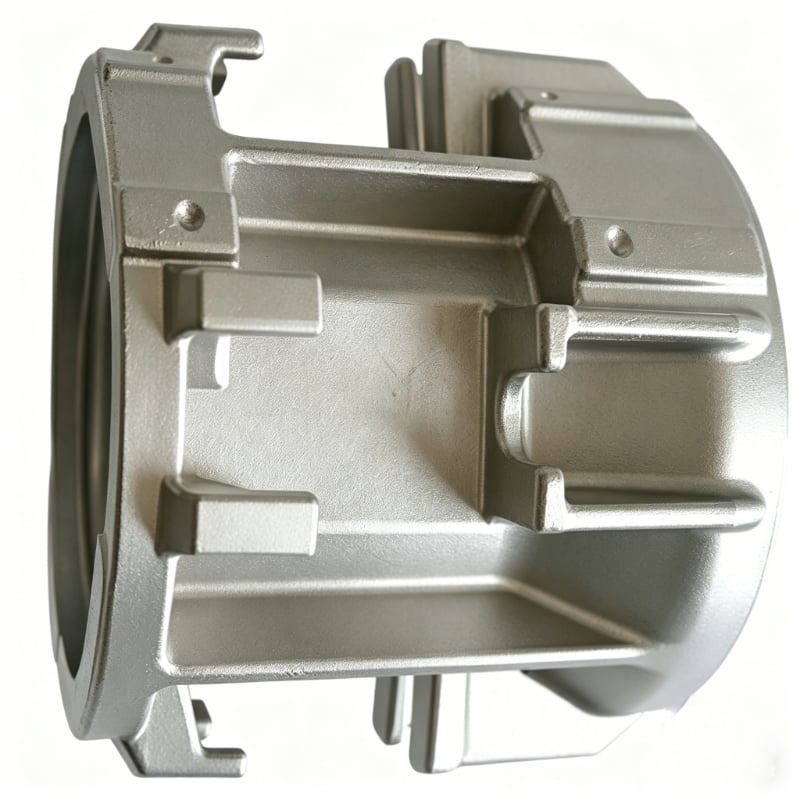
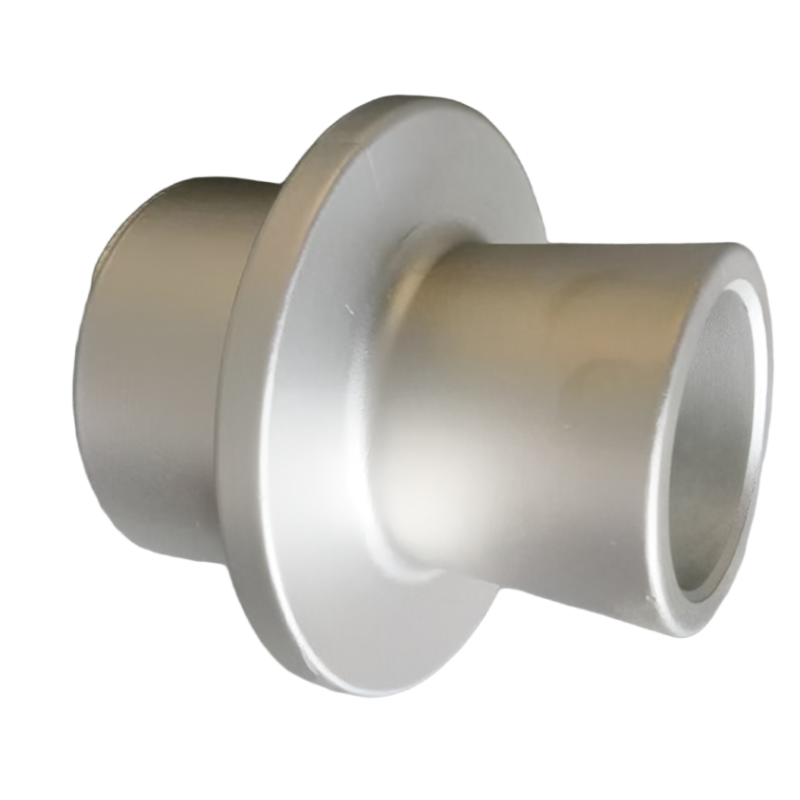
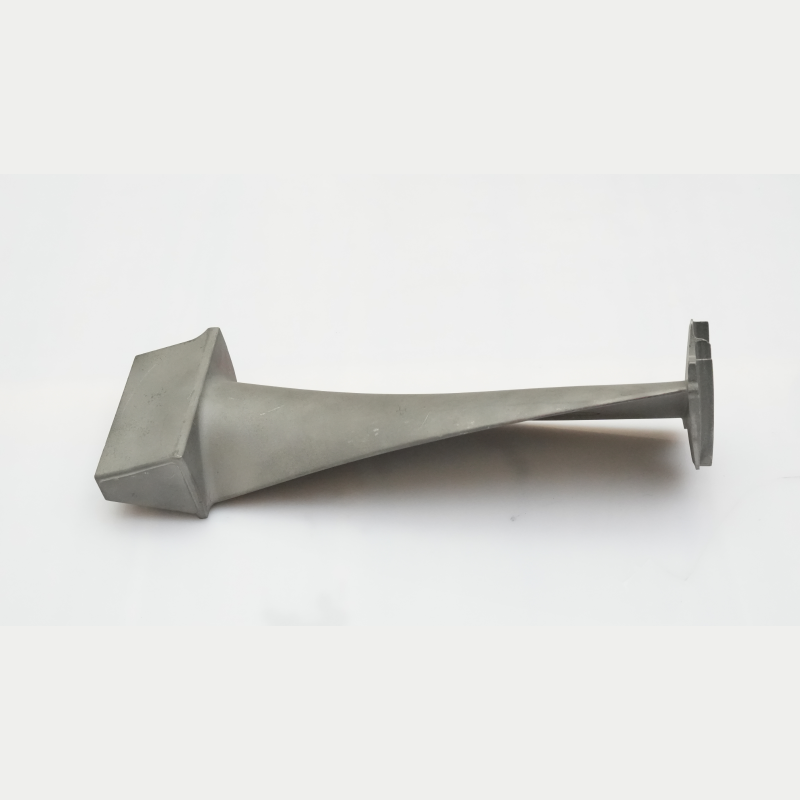
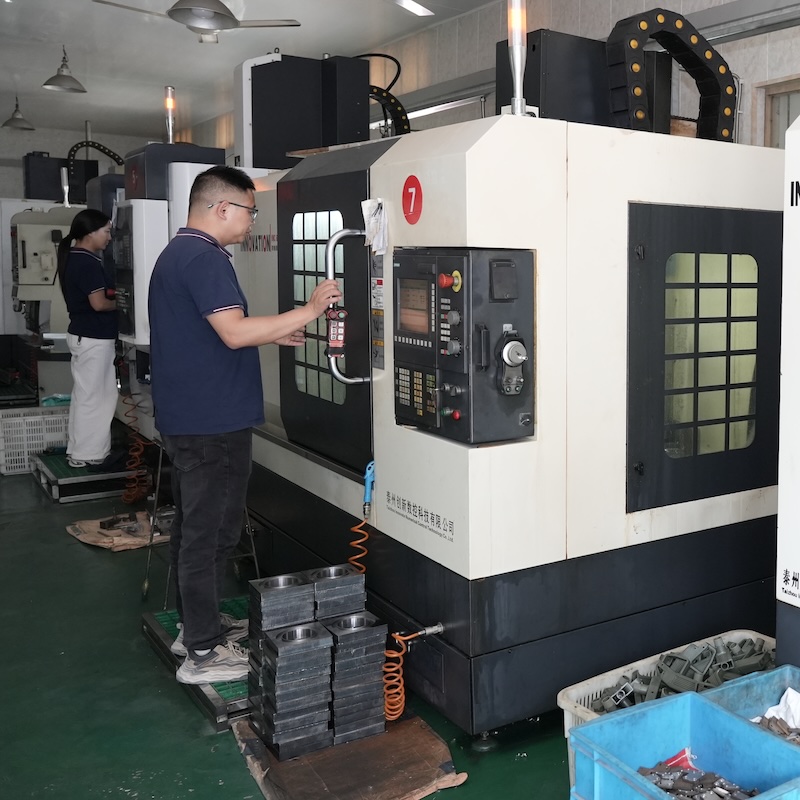
Precision metal fabrication represents a sophisticated manufacturing process that transforms raw metal materials into highly accurate components and assemblies through controlled cutting, forming, and joining techniques. This specialized industrial service combines advanced machinery, skilled craftsmanship, and computer-aided technology to produce metal parts with tight tolerances, often measured in thousandths of an inch. The main functions of precision metal fabrication encompass laser cutting, CNC machining, sheet metal forming, welding, powder coating, and assembly operations that deliver finished products meeting exact specifications. Technological features include computer numerical control systems that guide cutting and forming equipment with exceptional accuracy, laser technology capable of producing intricate patterns without physical contact, and automated quality control systems that verify dimensional accuracy throughout production. Modern precision metal fabrication facilities employ CAD and CAM software to design parts digitally and translate those designs directly into machine instructions, eliminating human error and ensuring consistency across production runs. Applications for precision metal fabrication span numerous industries including aerospace, medical devices, telecommunications, automotive manufacturing, electronics enclosures, industrial equipment, architectural components, and consumer products. Aerospace companies rely on precision metal fabrication for aircraft structural components, engine parts, and instrumentation housings where safety and performance demand exacting standards. Medical device manufacturers utilize these services to create surgical instruments, diagnostic equipment housings, and implantable components that must meet stringent regulatory requirements. The telecommunications sector depends on precision metal fabrication for server racks, antenna components, and protective enclosures that house sensitive electronic equipment. Automotive applications include brackets, chassis components, and specialized hardware that contribute to vehicle performance and safety systems. The versatility of precision metal fabrication allows manufacturers to work with various metals including stainless steel, aluminum, copper, brass, titanium, and specialized alloys, each selected for specific performance characteristics such as strength, corrosion resistance, conductivity, or weight considerations.

 EN
EN