Precision Metal Fabrication Services | Custom Metal Parts Manufacturing Solutions

Get a Free Quote

Our representative will contact you soon.
Email
Name
Company Name
Message
0/1000

precision metal fabrication

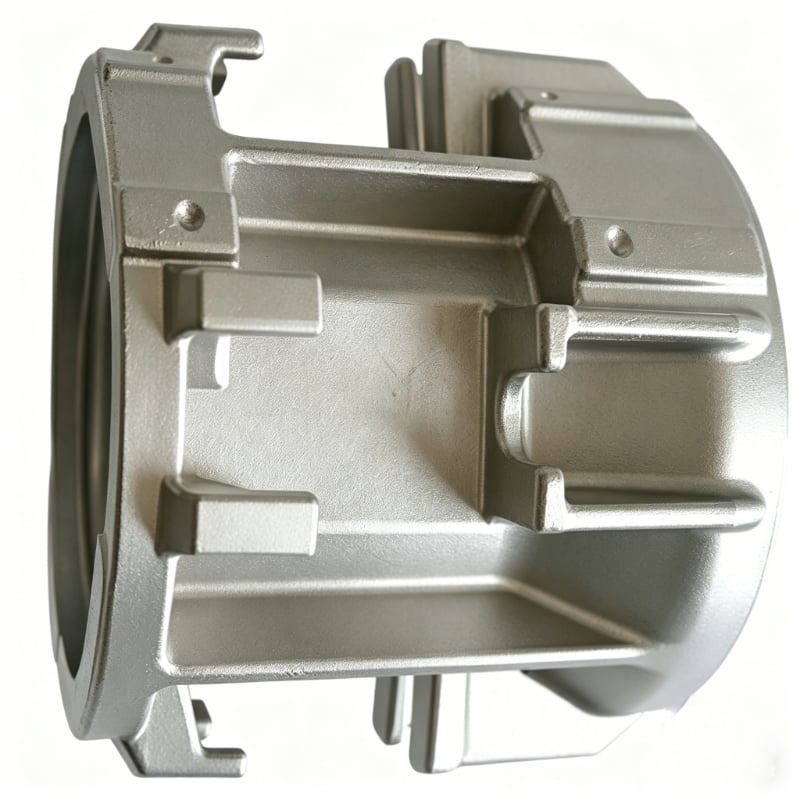
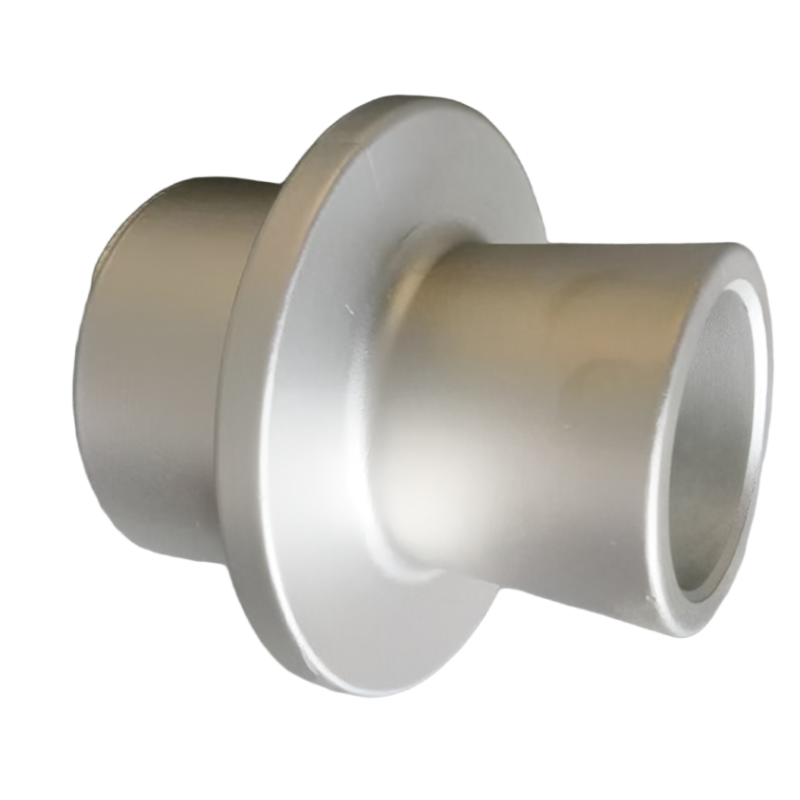
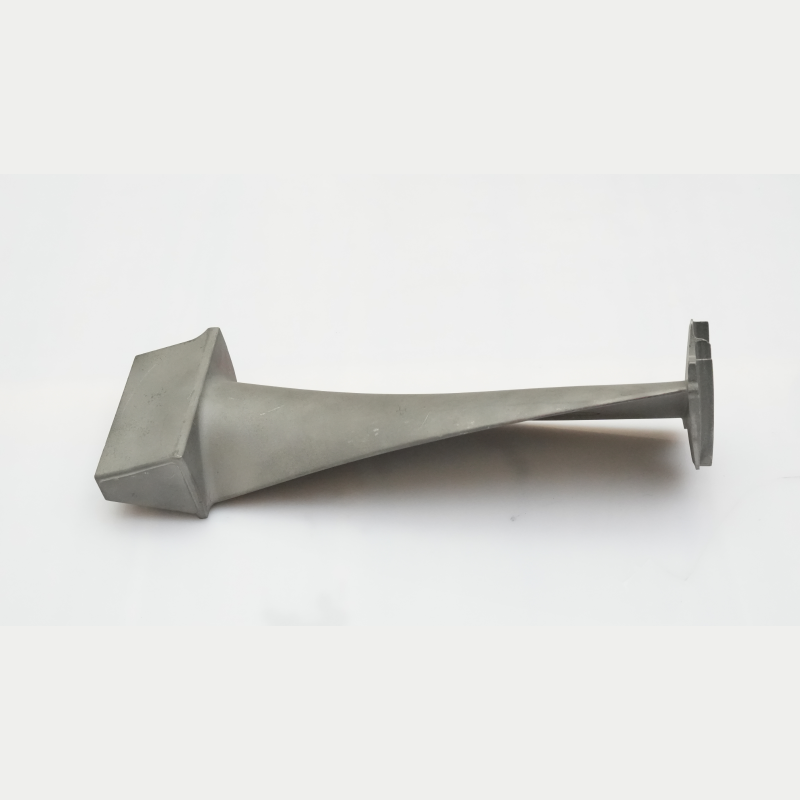
Precision metal fabrication represents a sophisticated manufacturing process that transforms raw metal materials into highly accurate components and assemblies through cutting, bending, machining, and finishing operations. This advanced manufacturing methodology combines traditional metalworking techniques with modern computer-controlled equipment to achieve tolerances measured in thousandths of an inch. The main functions of precision metal fabrication include creating custom metal parts, prototypes, and production runs that meet exact specifications for diverse industrial applications. This process encompasses various technological operations such as laser cutting, CNC machining, waterjet cutting, sheet metal forming, welding, and surface treatment. The technological features that distinguish precision metal fabrication include computer-aided design integration, automated machinery control, quality inspection systems, and advanced material handling capabilities. Modern fabrication facilities utilize CAD/CAM software to translate digital designs into physical products with exceptional accuracy. The process incorporates multiple metalworking disciplines including stamping, punching, shearing, rolling, and assembly to create finished products. Applications for precision metal fabrication span numerous industries including aerospace, automotive, medical devices, electronics, telecommunications, defense, construction, and consumer products. Aerospace companies rely on precision metal fabrication to produce aircraft components that must meet stringent safety standards and weight requirements. The automotive industry uses these services to manufacture engine parts, chassis components, and body panels with consistent quality. Medical device manufacturers depend on precision metal fabrication to create surgical instruments, implants, and diagnostic equipment that require biocompatible materials and sterile production environments. Electronics companies utilize precision metal fabrication for enclosures, heat sinks, brackets, and connectors that protect sensitive components. The construction industry benefits from precision metal fabrication through structural steel components, architectural elements, and building systems that require exact fitment and durability.

New Product Releases

Precision metal fabrication delivers numerous practical benefits that directly impact your product quality, production efficiency, and bottom line. The first major advantage centers on dimensional accuracy, which ensures every component matches your specifications exactly. When parts fit together perfectly the first time, you eliminate costly rework, reduce assembly time, and improve final product performance. This accuracy translates into fewer production delays and satisfied customers who receive reliable products. Another significant benefit involves material optimization, which reduces waste and lowers your material costs. Advanced cutting technologies map out parts efficiently on metal sheets, minimizing scrap and maximizing material usage. This optimization means you purchase less raw material while producing the same quantity of parts, directly improving your profit margins. The versatility of precision metal fabrication allows you to work with various metals including steel, aluminum, stainless steel, copper, brass, and titanium. This flexibility enables you to select the ideal material for each application based on strength requirements, weight considerations, corrosion resistance, and budget constraints. You gain access to diverse manufacturing capabilities under one roof, streamlining your supply chain and reducing coordination challenges. Speed represents another crucial advantage, as modern equipment processes parts rapidly without sacrificing quality. Quick turnaround times help you respond to market demands faster, launch products sooner, and maintain competitive advantages. Automated processes run continuously with minimal supervision, increasing throughput while maintaining consistency. Scalability benefits allow you to start with prototype quantities and seamlessly transition to full production volumes without changing suppliers or processes. This continuity ensures product consistency from initial samples through mass production. Quality control measures integrated throughout the fabrication process catch defects early, preventing problems from reaching your customers. Inspection systems verify dimensions, surface finish, and material properties at multiple production stages. Cost effectiveness emerges from combining multiple operations in efficient workflows that reduce handling, transportation, and administrative expenses. Consolidating fabrication services with a single provider simplifies procurement, reduces inventory carrying costs, and improves cash flow management. The repeatability of precision metal fabrication guarantees that parts produced today match those manufactured months or years later. This consistency proves essential for replacement parts, warranty support, and product line extensions. Customization capabilities enable you to modify designs quickly, adapt to changing requirements, and differentiate your products from competitors. Engineering support from experienced fabricators helps optimize designs for manufacturability, reducing costs while improving performance and durability.

Tips And Tricks

Basic Principles Of Design Of Precision Casting Gating System

11

May

Basic Principles Of Design Of Precision Casting Gating System

View More
Selection And Application Scope Of Hardness Tester

11

May

Selection And Application Scope Of Hardness Tester

View More
The Role Of Elements In Castings And The Order Of Addition

11

May

The Role Of Elements In Castings And The Order Of Addition

View More
Precision Stainless Steel Exhaust Manifold Casting Solution For Luxury Sedan - With Japanese First-Tier Car Brand

11

May

Precision Stainless Steel Exhaust Manifold Casting Solution For Luxury Sedan - With Japanese First-Tier Car Brand

View More

Get a Free Quote

Our representative will contact you soon.
Email
Name
Company Name
Message
0/1000

precision metal fabrication

Advanced Technology Integration for Superior Manufacturing Results

Advanced Technology Integration for Superior Manufacturing Results

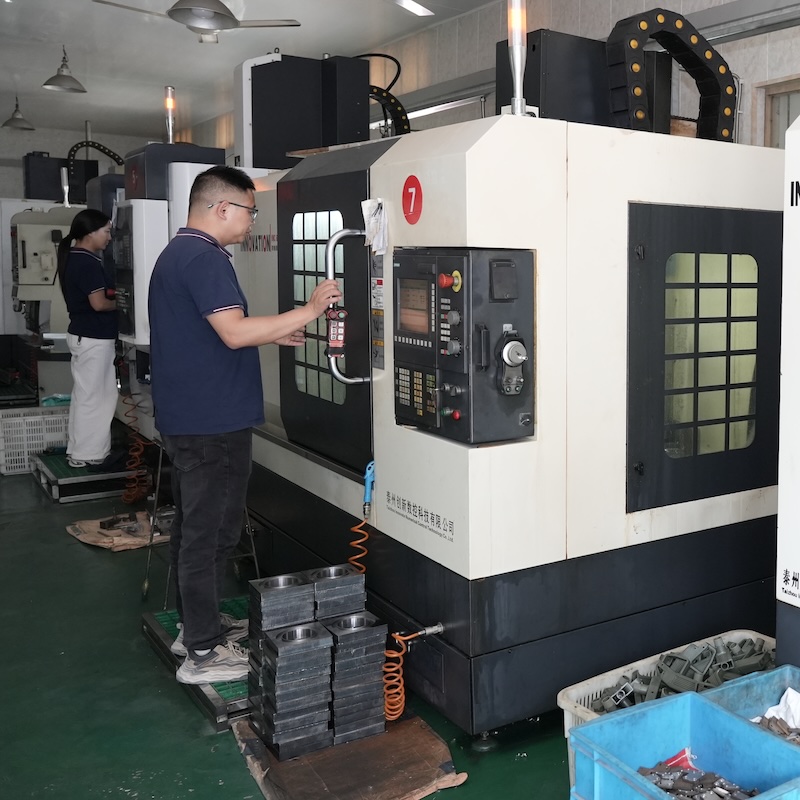
Precision metal fabrication stands apart through its integration of cutting-edge technology that revolutionizes how metal components are produced. Computer Numerical Control systems form the backbone of modern fabrication operations, directing machines with programming precision that human operators cannot match manually. These CNC systems interpret digital design files and execute complex cutting patterns, drilling operations, and forming sequences with micron-level accuracy. Laser cutting technology represents one of the most transformative innovations in precision metal fabrication, using focused light beams to slice through metal with minimal heat distortion and exceptionally narrow kerfs. This non-contact cutting method prevents tool wear, maintains consistent quality throughout production runs, and handles intricate geometries that traditional methods struggle to achieve. Waterjet cutting complements laser technology by processing materials sensitive to heat, cutting through thick sections, and producing parts without heat-affected zones that could compromise material properties. The high-pressure water stream mixed with abrasive particles erodes material precisely along programmed paths. Automated bending machines equipped with sophisticated back-gauge systems position sheet metal accurately for each bend, ensuring consistent angles and dimensions across thousands of parts. These press brakes store multiple program setups, allowing quick changeovers between different part configurations without manual adjustments. CAD/CAM software bridges the gap between design intent and physical production, enabling engineers to visualize parts in three dimensions, simulate manufacturing processes, and optimize tool paths before cutting any material. This digital workflow reduces trial-and-error waste, shortens development cycles, and facilitates design modifications without scrapping tooling investments. Quality inspection technology including coordinate measuring machines, optical comparators, and laser scanning systems verify that finished parts conform to specifications. These measurement tools generate detailed reports documenting dimensional compliance, supporting quality certifications and traceability requirements. Robotic material handling systems move heavy sheets, position workpieces accurately, and unload finished parts without operator fatigue or safety risks. Automation increases productivity while improving workplace safety by removing workers from hazardous operations. The synergy between these technologies creates manufacturing capabilities that deliver consistent results regardless of part complexity or production volume, giving customers confidence that their precision metal fabrication projects will meet exacting standards every time.
Material Expertise and Selection Guidance for Optimal Performance

Material Expertise and Selection Guidance for Optimal Performance

The success of any precision metal fabrication project depends significantly on selecting appropriate materials that balance performance requirements, manufacturing constraints, and cost considerations. Expert fabricators provide valuable guidance throughout this selection process, helping customers understand how different metals behave during fabrication and in final applications. Carbon steel offers excellent strength, weldability, and affordability for structural components, machinery frames, and general-purpose parts where corrosion resistance is not critical. Various grades provide different strength levels, with low-carbon steel offering superior formability for complex shapes and high-carbon steel delivering hardness for wear-resistant applications. Stainless steel excels in environments requiring corrosion resistance, sanitary conditions, or aesthetic appeal. The austenitic grades like 304 and 316 resist rust and staining while maintaining strength across wide temperature ranges. Precision metal fabrication techniques preserve the corrosion resistance of stainless steel through proper handling, cutting methods that minimize heat input, and passivation treatments that restore the protective oxide layer. Aluminum provides exceptional strength-to-weight ratios essential for aerospace, transportation, and portable equipment applications. Its natural oxide coating resists corrosion without additional finishing, while its excellent thermal conductivity makes it ideal for heat exchangers and electronic enclosures. Precision fabrication processes accommodate aluminum's tendency to work-harden during forming, using appropriate tooling and techniques to prevent cracking. Copper and brass deliver superior electrical conductivity for electrical components, thermal management systems, and decorative applications. These materials require specialized cutting parameters and handling procedures to prevent work hardening and maintain surface quality. Titanium serves specialized applications demanding extreme strength, corrosion resistance, and biocompatibility in medical implants and aerospace components. Precision metal fabrication of titanium requires controlled environments, specialized tooling, and careful process management due to its reactivity at elevated temperatures. Understanding material certifications, traceability requirements, and testing standards ensures that fabricated parts meet industry-specific regulations. Material test reports document chemical composition, mechanical properties, and heat treatment conditions, supporting quality assurance programs and regulatory compliance. Fabrication expertise extends to recognizing how different materials respond to various processes, anticipating potential challenges, and recommending design modifications that improve manufacturability. This knowledge prevents costly mistakes, reduces development time, and ensures that finished products perform reliably throughout their service lives. The ability to source materials from certified suppliers, maintain proper inventory controls, and trace materials throughout production provides customers with confidence in product quality and regulatory compliance.
Comprehensive Service Capabilities That Streamline Your Supply Chain

Comprehensive Service Capabilities That Streamline Your Supply Chain

Precision metal fabrication delivers maximum value when providers offer comprehensive services that consolidate multiple manufacturing operations under unified management. This integrated approach eliminates the inefficiencies of coordinating separate vendors for cutting, forming, machining, welding, and finishing operations. Full-service fabricators manage projects from initial concept through final delivery, providing engineering support, prototyping, production, quality assurance, and logistics coordination. Engineering assistance during the design phase helps optimize parts for manufacturing efficiency, identifying opportunities to reduce costs, improve performance, and accelerate production schedules. Design for manufacturability reviews examine tolerances, material selections, bend radii, and assembly methods to ensure that designs can be produced reliably and economically. Prototyping services allow customers to evaluate form, fit, and function before committing to production tooling and large material purchases. Rapid prototyping using flexible fabrication methods produces sample parts quickly for testing, market evaluation, and design validation. Production capabilities scale from small batches to high-volume runs, accommodating changing demand without forcing customers to seek alternative suppliers. Consistent processes, equipment, and quality standards ensure that production parts match approved prototypes exactly. Welding services join components using appropriate techniques including MIG, TIG, spot welding, and robotic welding systems that deliver strong, consistent joints. Certified welders and documented welding procedures ensure structural integrity and meet code requirements for critical applications. Finishing operations including deburring, grinding, powder coating, plating, and anodizing prepare parts for assembly and end-use environments. Surface treatments improve corrosion resistance, enhance appearance, provide electrical insulation, or meet cleanliness standards for medical and food-processing applications. Assembly services combine fabricated components with purchased parts, creating sub-assemblies or complete products ready for installation or sale. Kitting and packaging services organize parts for efficient downstream operations, reducing handling time and preventing damage during transportation. Quality management systems document processes, maintain calibration records, perform inspections, and generate certificates of conformity that satisfy customer and regulatory requirements. ISO certifications, AS9100 aerospace standards, and FDA registrations demonstrate commitment to quality and process control. Inventory management programs stock commonly used parts, reducing lead times and supporting just-in-time delivery schedules that minimize customer inventory carrying costs. Supply chain integration through electronic data interchange, vendor-managed inventory, and collaborative planning systems improves communication and responsiveness. Single-source responsibility simplifies procurement, reduces administrative overhead, and provides clear accountability for project success. Long-term partnerships develop as fabricators learn customer preferences, anticipate needs, and continuously improve processes to deliver better value over time.

Get a Free Quote

Our representative will contact you soon.
Email
Name
Company Name
Message
0/1000