precision metal manufacturing
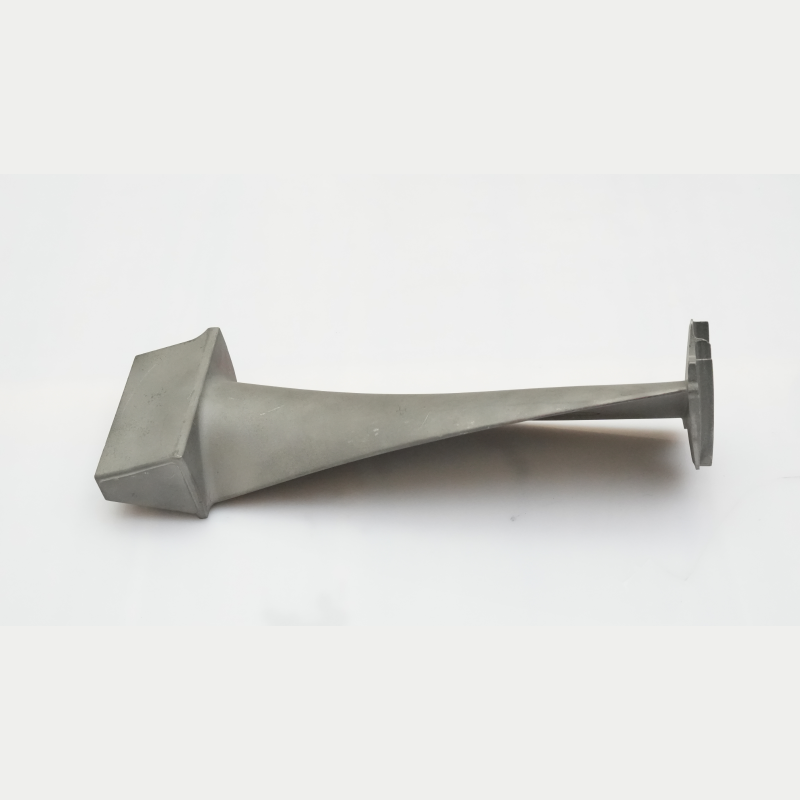
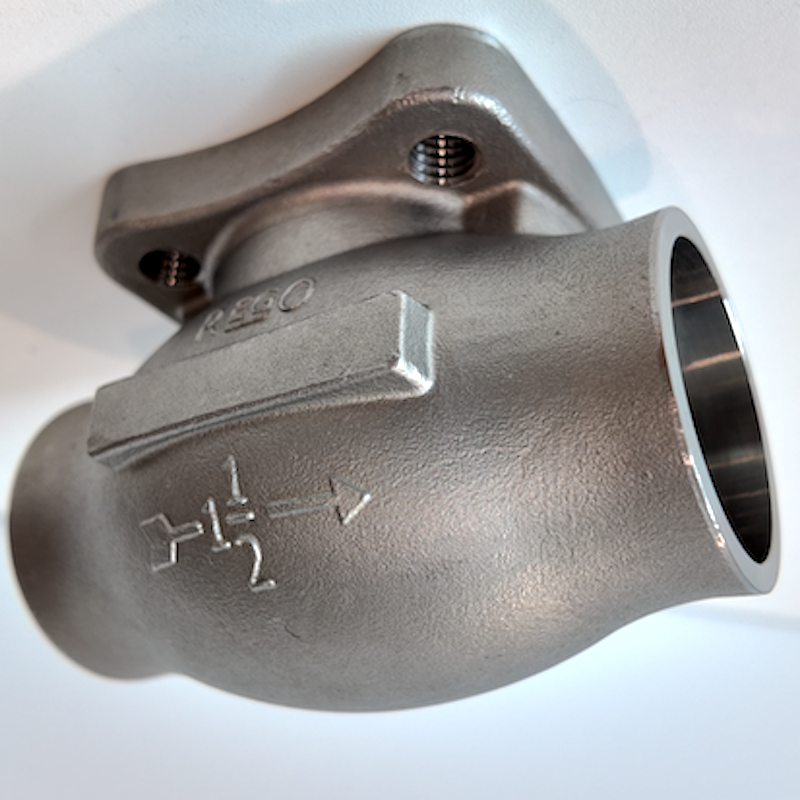
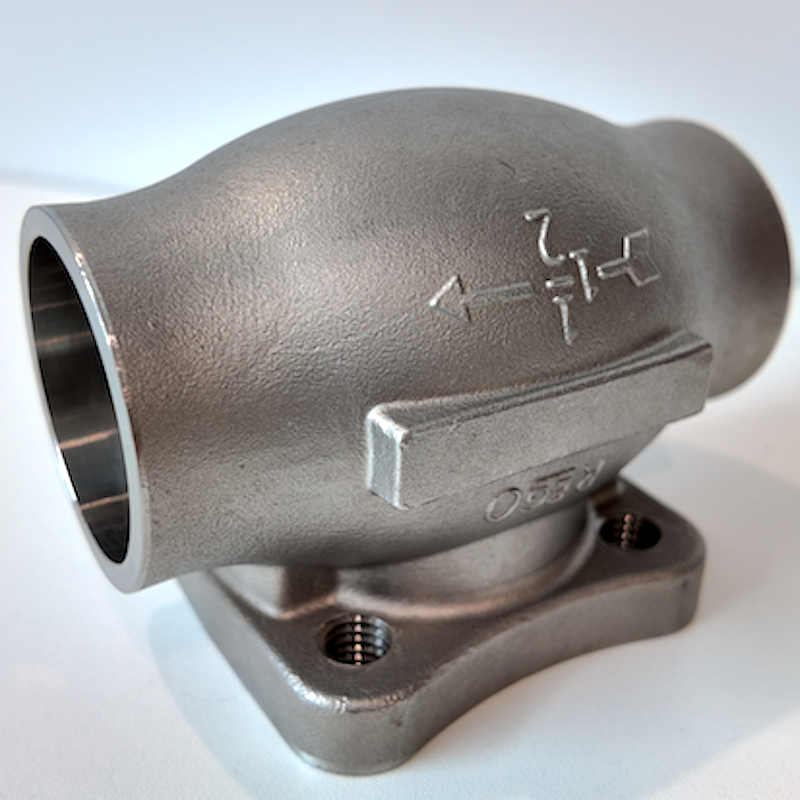
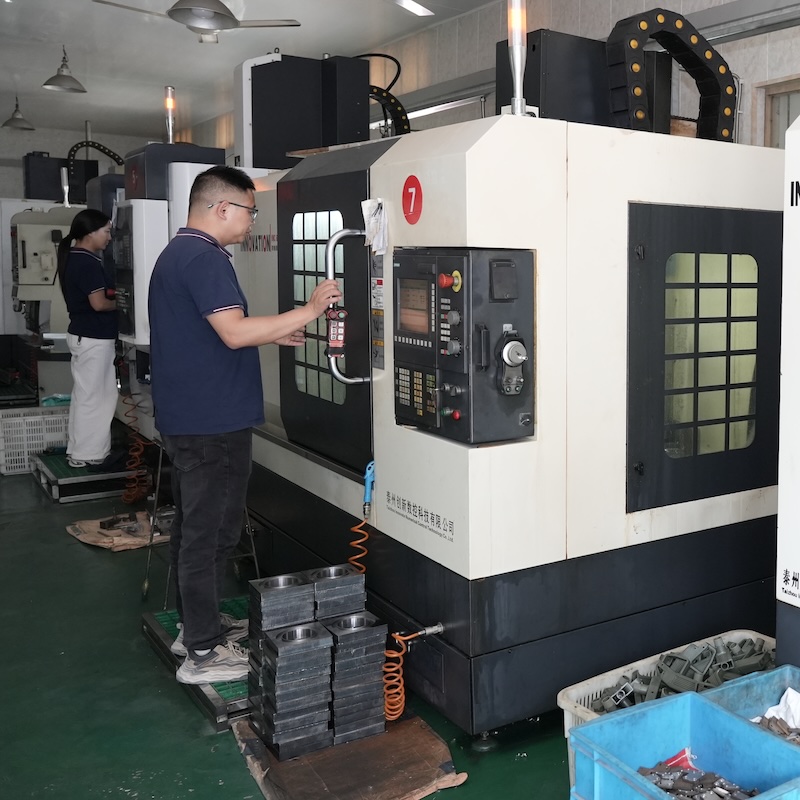
Precision metal manufacturing represents a sophisticated approach to creating metal components with exceptional accuracy and tight tolerances. This advanced manufacturing process combines cutting-edge technology with skilled craftsmanship to produce parts that meet exact specifications, often within tolerances of mere microns. The main functions of precision metal manufacturing encompass machining, stamping, forming, casting, and fabrication processes that transform raw metal materials into finished products with remarkable consistency and quality. Modern precision metal manufacturing facilities utilize computer numerical control machines, laser cutting systems, electrical discharge machining equipment, and automated inspection tools to achieve levels of accuracy that were previously impossible. The technological features of precision metal manufacturing include multi-axis machining capabilities that allow for complex geometries, real-time quality monitoring systems that ensure every piece meets stringent standards, and advanced CAD-CAM integration that streamlines the transition from design to production. These manufacturing processes work with various metals including aluminum, stainless steel, titanium, brass, copper, and specialized alloys, each chosen for specific properties required by the application. The applications of precision metal manufacturing span numerous industries where component accuracy is critical to performance and safety. Aerospace companies rely on precision metal manufacturing to create engine components, structural elements, and intricate assemblies that must withstand extreme conditions while maintaining precise dimensions. Medical device manufacturers depend on this technology to produce surgical instruments, implantable devices, and diagnostic equipment where precision directly impacts patient outcomes. The automotive sector utilizes precision metal manufacturing for engine parts, transmission components, and safety systems that require perfect fitment and reliable performance. Electronics manufacturers need precision metal manufacturing for connectors, housings, and heat sinks that must meet exact specifications for proper functionality. Defense contractors, telecommunications companies, and energy sector organizations also depend heavily on precision metal manufacturing to deliver components that perform flawlessly in demanding environments.

 EN
EN