Precision Metal Manufacturing Services - High Accuracy Components and Parts

Get a Free Quote

Our representative will contact you soon.
Email
Name
Company Name
Message
0/1000

precision metal manufacturing

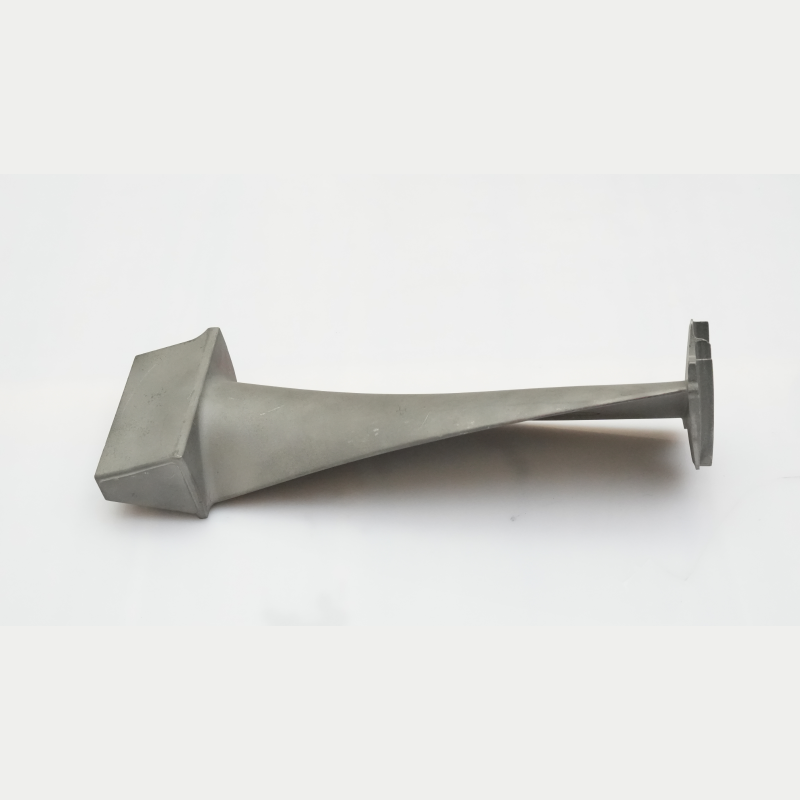
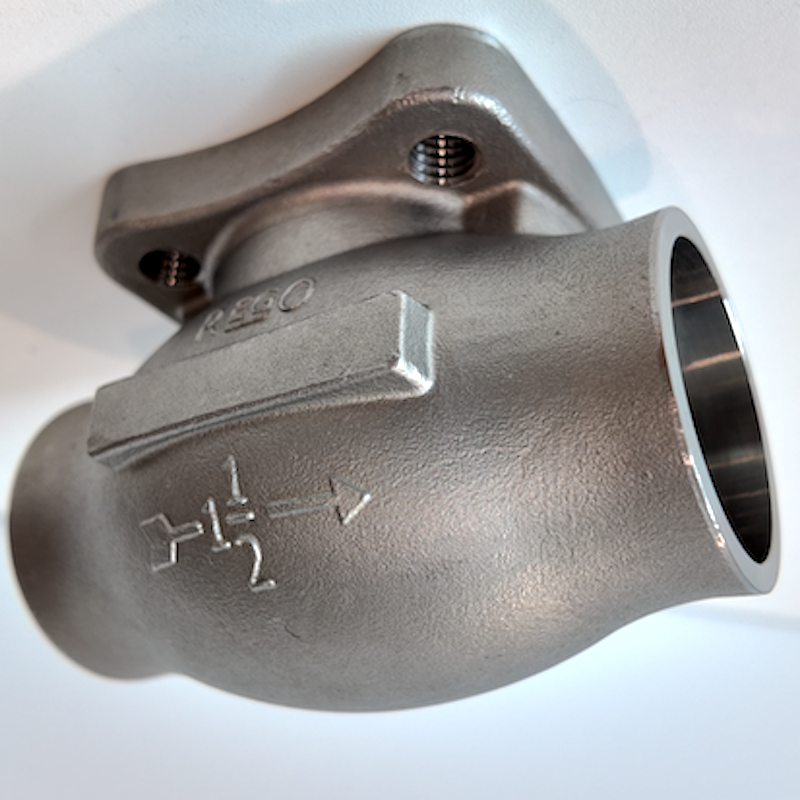
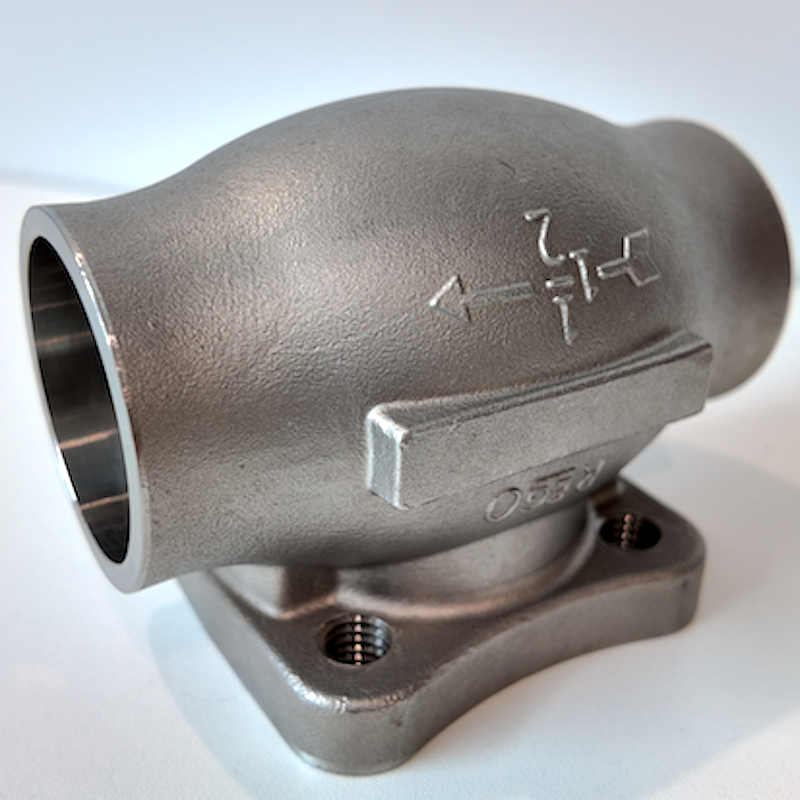
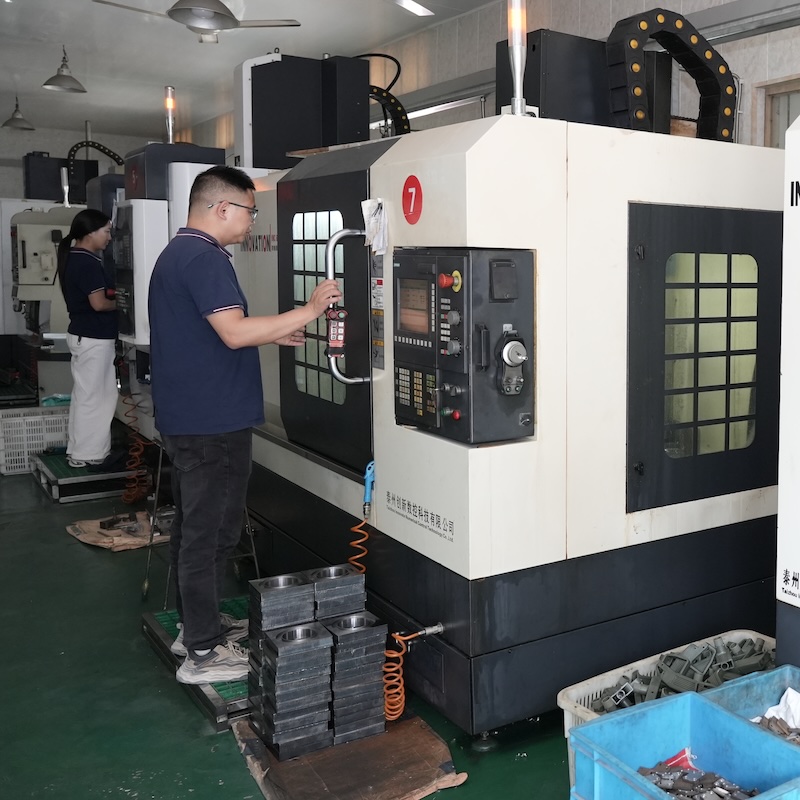
Precision metal manufacturing represents a sophisticated approach to producing metal components with exceptional accuracy and consistency. This advanced manufacturing process combines cutting-edge technology with skilled craftsmanship to create parts that meet stringent dimensional tolerances and quality standards. The main functions of precision metal manufacturing include producing complex geometries, achieving tight tolerances often measured in microns, and delivering components with superior surface finishes. This manufacturing methodology encompasses various techniques such as CNC machining, EDM processing, laser cutting, and advanced forming operations. The technological features of precision metal manufacturing distinguish it from conventional metalworking approaches. Computer numerical control systems enable manufacturers to achieve repeatability across thousands of identical parts while maintaining dimensional accuracy. Advanced measurement systems including coordinate measuring machines and optical comparators ensure every component meets exact specifications. Material versatility stands as another key technological feature, allowing manufacturers to work with diverse metals including aluminum, stainless steel, titanium, brass, copper, and specialized alloys. The applications of precision metal manufacturing span numerous industries where component accuracy directly impacts performance and safety. Aerospace companies rely on precision metal manufacturing for critical aircraft components, engine parts, and structural elements that must withstand extreme conditions. Medical device manufacturers utilize these processes to create surgical instruments, implantable devices, and diagnostic equipment where precision directly affects patient outcomes. Automotive industry applications include transmission components, fuel injection systems, and electronic housings. Electronics manufacturers depend on precision metal manufacturing for connectors, heat sinks, and enclosures that protect sensitive circuitry. Industrial equipment, defense systems, telecommunications hardware, and scientific instruments all benefit from the exacting standards that precision metal manufacturing delivers. The process begins with detailed engineering specifications and computer-aided design models that define exact component requirements. Manufacturing engineers then select appropriate materials, determine optimal production methods, and program sophisticated machinery to execute the manufacturing sequence with minimal human intervention and maximum consistency.

New Product Recommendations

Choosing precision metal manufacturing for your component production delivers tangible benefits that directly impact your bottom line and product performance. The first significant advantage centers on dimensional accuracy that eliminates costly assembly problems and product failures. When components fit together perfectly the first time, you avoid expensive rework, reduce assembly time, and eliminate the frustration of parts that do not function as intended. This accuracy translates to fewer warranty claims, lower rejection rates, and stronger customer satisfaction. Cost efficiency emerges as another compelling advantage despite initial perceptions about pricing. While precision metal manufacturing may require higher upfront investment compared to conventional methods, the total cost of ownership proves substantially lower. You receive components that require no additional finishing, fitting, or modification. The reduction in scrap rates means you pay only for usable parts rather than absorbing losses from defective items. Production consistency allows you to order exactly what you need without safety margins for unusable pieces. Material optimization represents another practical benefit, as precision metal manufacturing maximizes the use of raw materials through efficient cutting strategies and minimal waste generation. Quality consistency across production runs ensures that every component performs identically, eliminating variability that can cause problems in your final products. This consistency proves especially valuable when you need replacement parts months or years after initial production, as precision metal manufacturing can reproduce components with identical specifications. Speed to market accelerates when you partner with precision metal manufacturing providers who can rapidly prototype designs and transition seamlessly to full production. Advanced manufacturing capabilities reduce the time between concept and finished product, helping you launch offerings ahead of competitors. Flexibility in design modifications becomes possible without expensive tooling changes, allowing you to refine products based on testing or customer feedback. Precision metal manufacturing supports complex geometries that would be impossible or prohibitively expensive with traditional methods, unleashing creativity in product development. Surface finish quality eliminates secondary operations, reducing handling time and associated costs. Scalability allows you to start with small batches for market testing and expand to large production volumes using identical processes and quality standards. Documentation and traceability provided by precision metal manufacturing facilities give you complete visibility into material certifications, process parameters, and inspection results. This transparency proves essential for regulated industries and quality management systems. Long-term partnerships with precision metal manufacturing specialists provide access to engineering expertise that can optimize your designs for manufacturability, further reducing costs and improving performance.

Tips And Tricks

Basic Principles Of Design Of Precision Casting Gating System

11

May

Basic Principles Of Design Of Precision Casting Gating System

View More
The Role Of Elements In Castings And The Order Of Addition

11

May

The Role Of Elements In Castings And The Order Of Addition

View More
Stainless Steel Castings for Architectural Posts

11

May

Stainless Steel Castings for Architectural Posts

View More
Precision Stainless Steel Exhaust Manifold Casting Solution For Luxury Sedan - With Japanese First-Tier Car Brand

11

May

Precision Stainless Steel Exhaust Manifold Casting Solution For Luxury Sedan - With Japanese First-Tier Car Brand

View More

Get a Free Quote

Our representative will contact you soon.
Email
Name
Company Name
Message
0/1000

precision metal manufacturing

Unmatched Dimensional Accuracy and Tolerance Control

Unmatched Dimensional Accuracy and Tolerance Control

Precision metal manufacturing delivers dimensional accuracy that fundamentally changes what becomes possible in product design and performance. This capability centers on achieving tolerances measured in thousandths of an inch or even microns, far beyond what conventional manufacturing methods can consistently produce. The importance of this accuracy cannot be overstated for customers developing products where component fit directly determines functionality. Consider applications in aerospace where fuel system components must seal perfectly to prevent leaks at high altitudes and extreme temperatures. Even microscopic dimensional variations can lead to catastrophic failures, making the tolerance control of precision metal manufacturing not just beneficial but absolutely essential. The value this accuracy brings extends beyond safety-critical applications into everyday product performance. Electronics manufacturers designing smartphone components require precision metal manufacturing to create housings and connectors that fit together seamlessly while maintaining minimal device thickness. Medical device companies developing surgical instruments need cutting edges and articulation points manufactured to exact specifications so surgeons can perform delicate procedures with confidence. Automotive engineers designing transmission components require gear teeth and bearing surfaces machined to precise dimensions for smooth operation and extended service life. The technology enabling this dimensional accuracy combines multiple elements working in concert. Computer numerical control systems interpret digital design files and command servo motors with exceptional resolution, positioning cutting tools with micron-level precision. Temperature-controlled manufacturing environments prevent thermal expansion from affecting dimensional accuracy during production. Advanced fixturing systems hold workpieces rigidly while allowing access for multi-axis machining operations. Precision measurement equipment including coordinate measuring machines, optical comparators, and laser scanning systems verify dimensions throughout production rather than just at final inspection. This continuous verification catches deviations immediately, preventing entire batches from falling out of specification. The practical benefits for customers manifest in reduced assembly time as components fit together without force or adjustment. Product reliability improves dramatically when moving parts maintain proper clearances and sealing surfaces mate perfectly. Warranty costs decline as dimensional precision eliminates a major source of field failures. Design innovation accelerates as engineers gain confidence that complex geometries will be manufactured exactly as modeled. For customers in competitive markets, the dimensional accuracy of precision metal manufacturing provides a distinct advantage through superior product performance that customers notice and value.
Advanced Material Capabilities and Surface Quality Excellence

Advanced Material Capabilities and Surface Quality Excellence

Precision metal manufacturing distinguishes itself through the exceptional range of materials it can process and the superior surface quality it achieves on finished components. This versatility proves invaluable for customers whose applications demand specific material properties combined with exacting surface characteristics. The breadth of materials compatible with precision metal manufacturing spans from common aluminum alloys to exotic superalloys developed for extreme environments. Customers can select materials based purely on performance requirements rather than manufacturing limitations. Aerospace applications might specify titanium alloys for their strength-to-weight ratio and corrosion resistance, knowing precision metal manufacturing can machine these notoriously difficult materials to exact tolerances. Medical device manufacturers choose biocompatible stainless steel grades or cobalt-chromium alloys, confident that precision metal manufacturing will maintain material integrity while achieving the necessary geometries. Electronics applications often require copper for thermal management or brass for electromagnetic shielding, both of which precision metal manufacturing handles expertly despite their tendency to deform during conventional machining. The surface quality achieved through precision metal manufacturing eliminates secondary finishing operations that add cost and time to production schedules. Surface roughness values measured in microinches become routine rather than exceptional, with finishes suitable for sealing surfaces, bearing journals, and optical mounting surfaces produced directly from primary manufacturing processes. This surface excellence stems from rigid machine tools that eliminate vibration, optimized cutting parameters that prevent tool marks, and sharp tooling maintained in peak condition. The importance of combining material versatility with surface quality becomes apparent in demanding applications. Hydraulic system components manufactured from stainless steel require both corrosion resistance and surface finishes smooth enough to maintain seal integrity under pressure. Heat exchanger components need materials with high thermal conductivity and surface characteristics that promote efficient heat transfer while resisting fouling. Optical instrument housings demand materials with dimensional stability and surfaces that provide precise mounting references for sensitive components. The value proposition for customers extends beyond technical performance into practical business benefits. Single-source capability for diverse materials simplifies supply chain management and reduces vendor qualification efforts. Elimination of secondary finishing operations shortens lead times and reduces opportunities for damage during handling between processes. Material consistency ensured through certified suppliers and incoming inspection provides confidence that component properties will meet design requirements. For customers developing innovative products, access to advanced materials through precision metal manufacturing enables differentiation in crowded markets through superior performance, extended service life, or reduced weight compared to products manufactured with conventional methods and common materials.
Rapid Prototyping and Scalable Production Flexibility

Rapid Prototyping and Scalable Production Flexibility

Precision metal manufacturing offers a unique combination of rapid prototyping capabilities and seamless scalability to full production volumes, providing customers with flexibility throughout the product development lifecycle. This advantage proves especially valuable in today's fast-paced markets where time to market often determines competitive success. The prototyping phase benefits immensely from precision metal manufacturing approaches that use the same equipment and processes planned for production. Unlike prototype methods that require separate tooling or different manufacturing techniques, precision metal manufacturing creates prototype components with identical material properties and dimensional characteristics as production parts. This consistency eliminates uncertainty when transitioning from prototype to production, as testing results accurately predict production component performance. Engineers can validate designs with confidence, knowing that production parts will behave identically to prototypes. The speed of prototype production accelerates development timelines significantly. Computer-aided manufacturing programs can be generated directly from design files and executed on CNC equipment within days rather than the weeks required to create dedicated tooling. Design iterations happen quickly as engineers refine dimensions, test functionality, and optimize performance. Multiple design variations can be prototyped simultaneously to compare alternatives before committing to production. This rapid iteration capability reduces development risk by identifying problems early when changes cost relatively little compared to modifications after production launch. Scalability represents another dimension of flexibility that precision metal manufacturing provides. Initial production quantities can start at dozens or hundreds of components to support market testing or limited product launches. As demand grows, production volumes scale to thousands or tens of thousands of units using identical processes and quality standards. This scalability eliminates the disruption and risk associated with changing manufacturing methods between low and high volume production. Customers avoid the scenario where production components differ from prototypes due to manufacturing method changes, preventing costly redesigns or quality issues. The economic benefits of this flexibility extend beyond obvious time savings into strategic business advantages. Companies can enter markets faster with prototype-validated products, capturing first-mover advantages. Product line extensions and custom variations become economically viable even at modest volumes. Seasonal demand fluctuations can be accommodated without maintaining excess inventory or capacity. Design improvements can be introduced quickly based on customer feedback or competitive developments. For startups and innovative companies, the flexibility of precision metal manufacturing reduces barriers to market entry by eliminating large minimum order quantities and expensive tooling investments. Established companies benefit from the ability to test new product concepts without disrupting existing production. The combination of rapid prototyping and production scalability fundamentally changes the economics of product development, making innovation less risky and more responsive to market opportunities.

Get a Free Quote

Our representative will contact you soon.
Email
Name
Company Name
Message
0/1000