Superior Material Selection and Metallurgical Properties
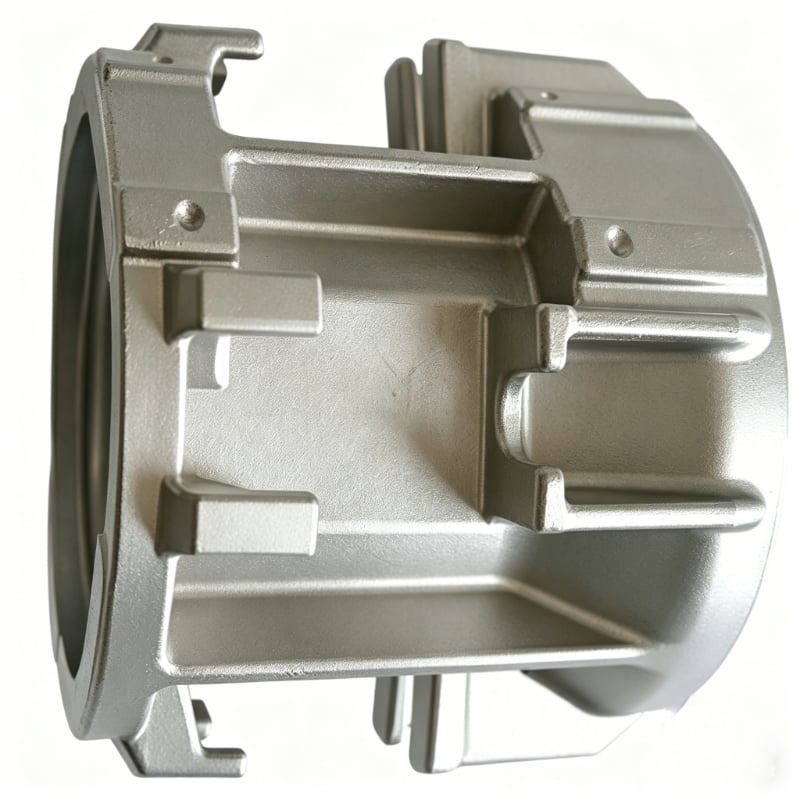
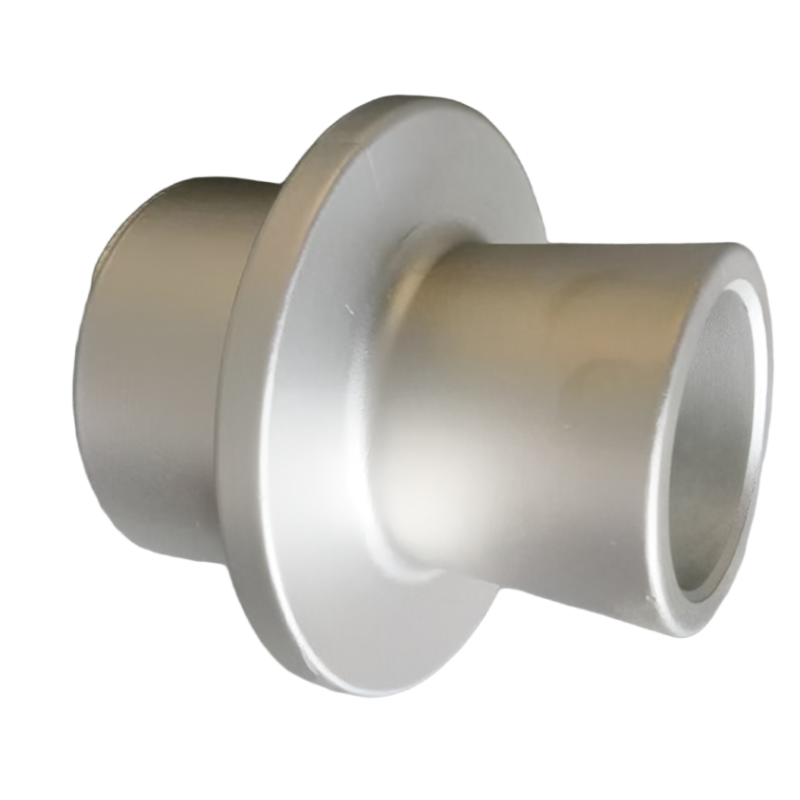
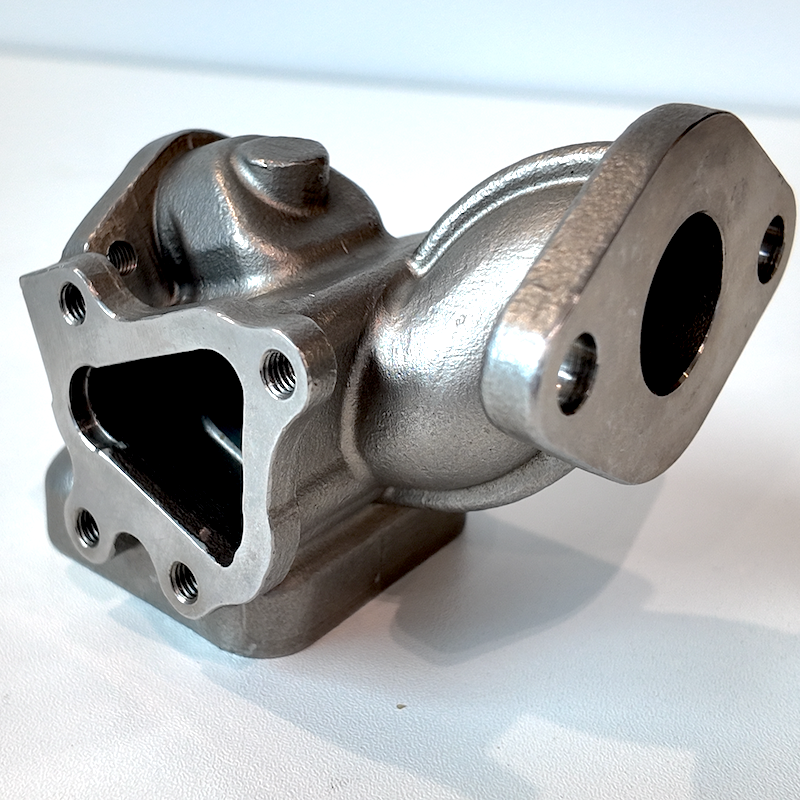
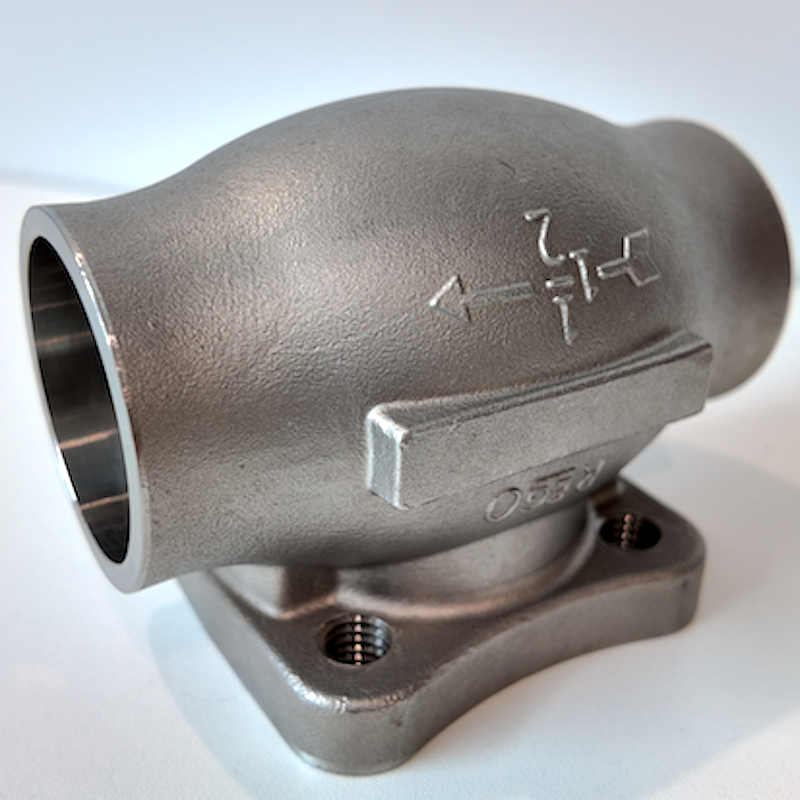
An accomplished custom investment casting supplier offers extensive material expertise and access to diverse alloys that enable optimal performance for specific application requirements. Unlike manufacturing processes limited to specific material types, investment casting accommodates virtually any metal or alloy that can be melted and poured, including materials difficult to machine or form through other methods. This material versatility represents a strategic advantage when engineering components for demanding environments involving extreme temperatures, corrosive conditions, or high mechanical stresses. The custom investment casting supplier maintains relationships with certified material suppliers and operates metallurgical laboratories to verify chemical composition and mechanical properties of castings. Stainless steel alloys, including austenitic, martensitic, and precipitation-hardening grades, are commonly cast for applications requiring corrosion resistance and strength. Carbon and low-alloy steels provide economical solutions for structural components and wear-resistant parts. Aluminum alloys offer excellent strength-to-weight ratios for aerospace and automotive applications where weight reduction directly translates to improved fuel efficiency and performance. Copper-based alloys such as bronze and brass deliver superior electrical conductivity, thermal properties, and corrosion resistance for electrical components, marine hardware, and decorative applications. Superalloys based on nickel, cobalt, and iron provide exceptional high-temperature strength and oxidation resistance essential for turbine components, exhaust systems, and industrial furnace parts. The custom investment casting supplier also works with specialty alloys including titanium for biomedical implants and aerospace components, as well as tool steels for cutting tools and dies. Investment casting produces castings with metallurgical properties that often equal or exceed those of wrought materials because the controlled solidification environment minimizes defects and promotes uniform grain structure. The custom investment casting supplier can further enhance material properties through post-casting heat treatments including solution annealing, precipitation hardening, stress relieving, and tempering. These thermal processes optimize hardness, strength, ductility, and toughness according to application requirements. Material traceability represents another critical aspect that a reputable custom investment casting supplier provides, maintaining detailed records linking each casting to specific heat lots and material certifications. This documentation proves essential for regulated industries such as aerospace, medical devices, and nuclear power where material pedigree must be verified. The ability to cast dissimilar metals in proximity or create composite structures expands design possibilities further, enabling optimization of different regions within a single component for varied functional requirements. Working closely with a knowledgeable custom investment casting supplier ensures you select the ideal material that balances performance requirements, manufacturability considerations, and cost constraints, ultimately delivering components that perform reliably throughout their intended service life.

 EN
EN