Custom Investment Casting Supplier - Precision Metal Components Manufacturing Solutions

Get a Free Quote

Our representative will contact you soon.
Email
Name
Company Name
Message
0/1000

custom investment casting supplier

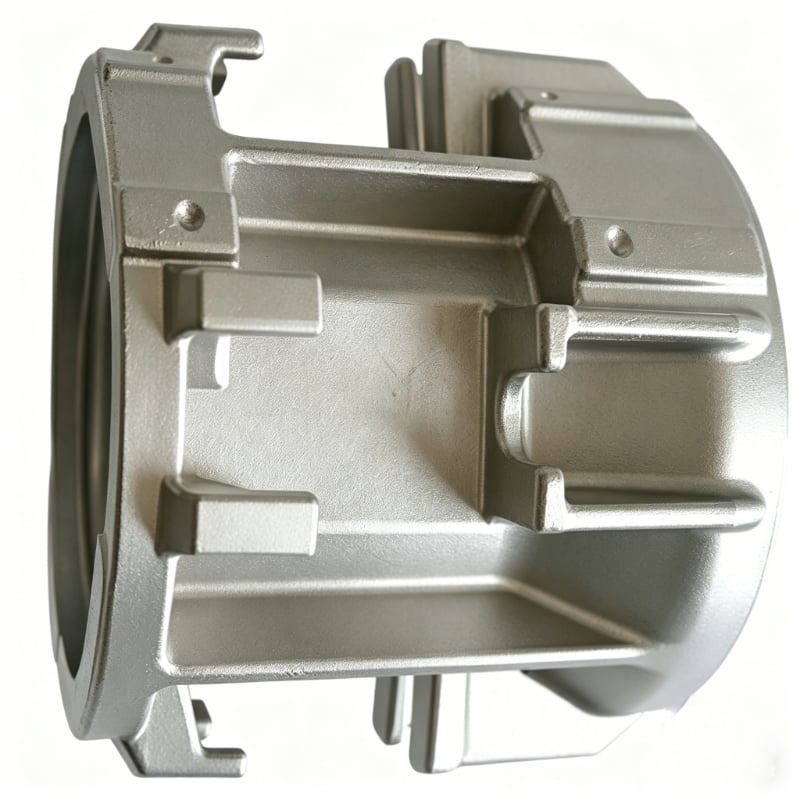
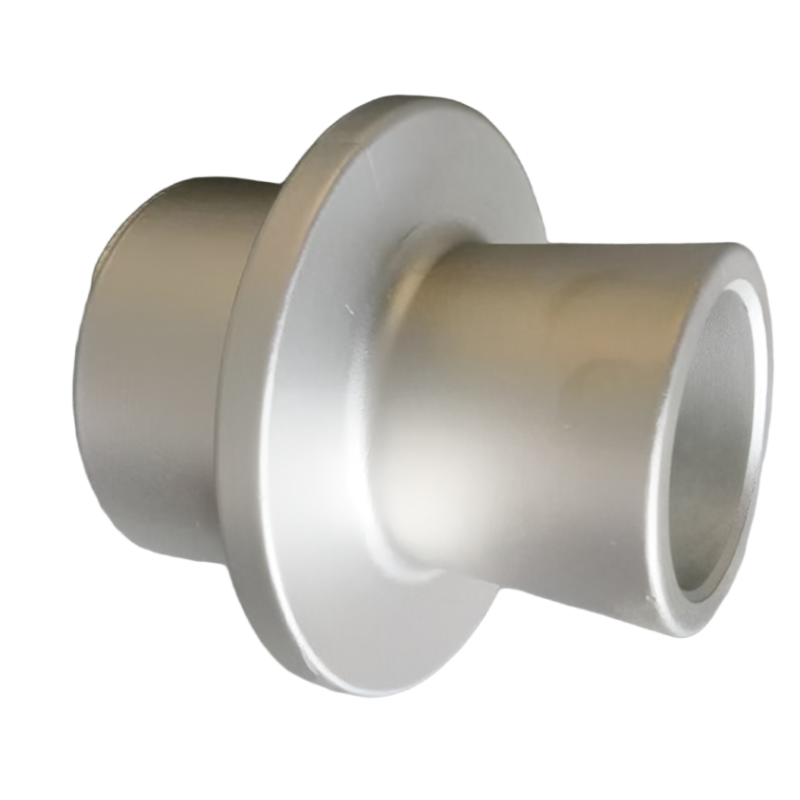
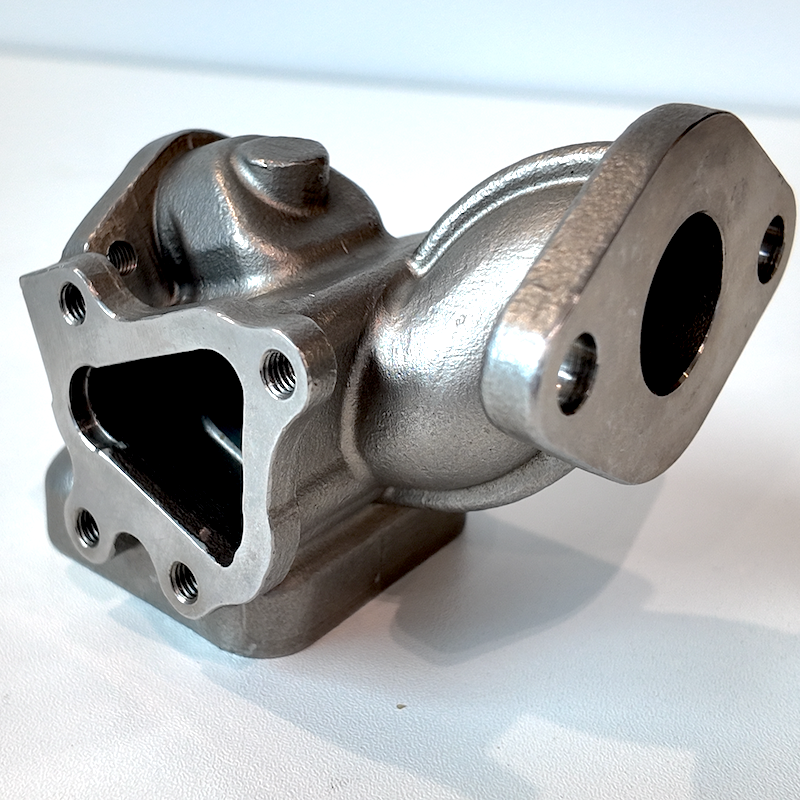
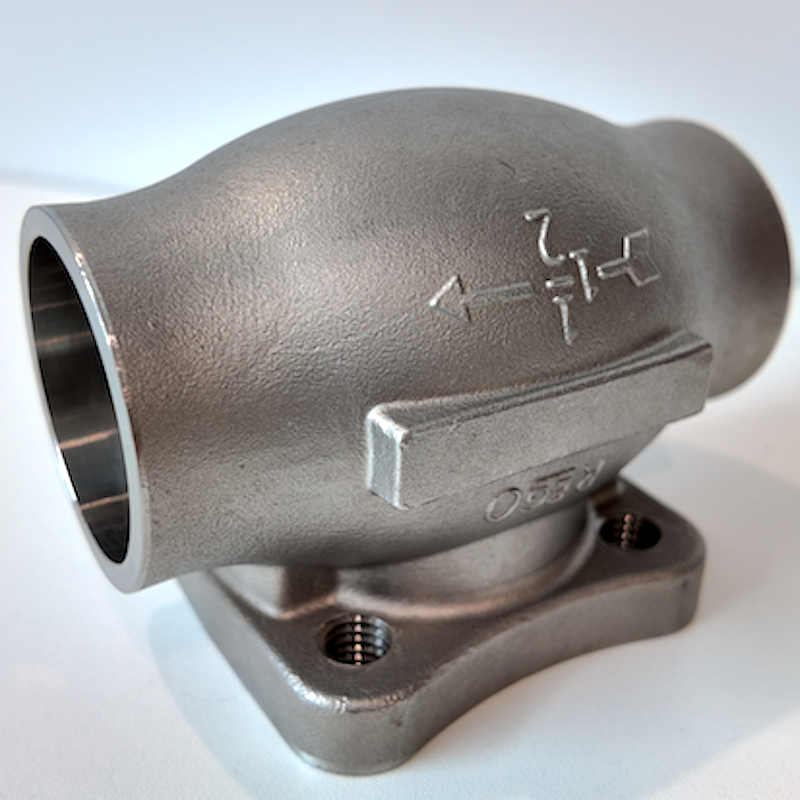
A custom investment casting supplier specializes in producing precision metal components through the investment casting process, also known as lost-wax casting. This manufacturing method involves creating detailed wax patterns that are coated with ceramic material to form molds, which are then heated to remove the wax and filled with molten metal. The custom investment casting supplier serves as a critical partner for industries requiring complex geometries, tight tolerances, and superior surface finishes that would be difficult or impossible to achieve through traditional machining methods. The main functions of a custom investment casting supplier include design consultation, pattern creation, mold development, metal pouring, finishing operations, and quality assurance testing. These suppliers work with various metals and alloys, including stainless steel, carbon steel, aluminum, bronze, and specialty alloys, enabling them to meet diverse application requirements across multiple sectors. Technological features that distinguish professional investment casting suppliers include advanced simulation software for predicting metal flow and solidification, precision wax injection equipment for pattern consistency, automated shell building systems for uniform mold quality, vacuum casting capabilities for superior material properties, and state-of-the-art inspection equipment including coordinate measuring machines and X-ray systems. Applications for custom investment casting span numerous industries such as aerospace, where turbine blades and structural components demand extreme precision and heat resistance; medical devices, which require biocompatible materials and intricate designs; automotive manufacturing, utilizing cast components for engine parts and transmission systems; energy sector equipment, including valve bodies and pump housings; and defense applications, where reliability and performance are paramount. The versatility of the investment casting process allows suppliers to produce components ranging from a few grams to several kilograms, with wall thicknesses as thin as 0.5 millimeters and dimensional tolerances within 0.005 inches, making them indispensable manufacturing partners for companies seeking cost-effective solutions for complex metal parts production.

New Product Recommendations

Working with a custom investment casting supplier delivers numerous practical benefits that directly impact your bottom line and product quality. First, you gain access to exceptional design flexibility that allows you to consolidate multiple parts into single components, reducing assembly time and labor costs significantly. This capability means you can create intricate internal passages, undercuts, and complex external features without expensive secondary machining operations. Second, the process delivers outstanding surface finish quality straight from the mold, typically achieving roughness values between 125 to 250 microinches, which often eliminates the need for additional finishing work and saves both time and money. Third, material efficiency stands out as a major advantage because the investment casting process produces minimal waste compared to traditional machining methods that cut away substantial amounts of material. You essentially pay only for the metal that goes into your finished part, not for chips and scraps that end up as waste. Fourth, the dimensional accuracy achieved through investment casting reduces or eliminates costly machining operations, with tolerances routinely held to within plus or minus 0.005 inches on most dimensions. Fifth, you benefit from excellent repeatability across production runs, ensuring consistent quality whether you order one hundred pieces or one hundred thousand pieces. Sixth, working with a custom investment casting supplier provides access to metallurgical expertise that helps you select the optimal alloy for your specific application requirements, considering factors such as strength, corrosion resistance, temperature performance, and cost. Seventh, the process accommodates both prototype quantities and high-volume production runs, giving you flexibility as your product moves from development through full-scale manufacturing. Eighth, shorter lead times compared to forging or fabrication methods mean you can bring products to market faster and respond more quickly to customer demands. Ninth, you avoid the substantial upfront tooling costs associated with die casting or forging, making investment casting economically viable even for moderate production quantities. Tenth, the as-cast surface quality and near-net-shape capabilities reduce downstream processing requirements, lowering your total manufacturing costs while maintaining the mechanical properties and performance characteristics your applications demand. These combined advantages make partnering with a custom investment casting supplier a strategic decision that enhances product performance while optimizing manufacturing economics across the entire product lifecycle.

Tips And Tricks

Basic Principles Of Design Of Precision Casting Gating System

11

May

Basic Principles Of Design Of Precision Casting Gating System

View More
Selection And Application Scope Of Hardness Tester

11

May

Selection And Application Scope Of Hardness Tester

View More
Stainless Steel Castings for Architectural Posts

11

May

Stainless Steel Castings for Architectural Posts

View More
Stainless Steel Castings for Building Facade Systems

11

May

Stainless Steel Castings for Building Facade Systems

View More

Get a Free Quote

Our representative will contact you soon.
Email
Name
Company Name
Message
0/1000

custom investment casting supplier

Precision Engineering and Complex Geometry Capabilities

Precision Engineering and Complex Geometry Capabilities

The ability of a custom investment casting supplier to produce components with extraordinary geometric complexity represents one of the most compelling reasons manufacturers choose this process over alternative methods. Unlike conventional machining that requires multiple setups and specialized tooling to create complex features, or forging that faces limitations with intricate shapes, investment casting enables the production of parts with internal cavities, varying wall thicknesses, and sophisticated contours in a single operation. This capability stems from the fundamental nature of the process, where molten metal flows into every detail of the ceramic mold cavity, capturing fine features as small as 0.015 inches and reproducing surface textures with remarkable fidelity. A custom investment casting supplier employs advanced computer-aided design software and simulation tools to optimize part geometry before production begins, identifying potential issues such as shrinkage porosity, gas entrapment, or dimensional distortion and making necessary adjustments to the pattern design and gating system. This proactive approach minimizes trial-and-error iterations and accelerates the path from concept to production. The precision inherent in investment casting means that features such as threads, splines, gear teeth, and mounting bosses can often be cast directly into the component rather than machined afterward, dramatically reducing production time and cost. For aerospace applications, this translates into turbine blades with intricate cooling passages that improve engine efficiency, or structural brackets with optimized material distribution that reduce weight without sacrificing strength. Medical device manufacturers benefit from the ability to cast surgical instruments with ergonomic handles and functional features integrated into a single piece, eliminating joints that could harbor bacteria or fail under stress. Industrial equipment producers utilize investment casting to create valve bodies with complex internal flow paths that optimize fluid dynamics, or pump housings with integral mounting features that simplify installation. The dimensional consistency achieved by a professional custom investment casting supplier ensures that parts fit together properly in assemblies without requiring hand-fitting or adjustment, which is particularly important in high-volume production environments where every part must be interchangeable. Furthermore, the excellent surface finish produced by investment casting reduces friction in moving parts, improves fatigue resistance by eliminating stress concentrations, and enhances the appearance of visible components without secondary polishing operations.
Material Versatility and Metallurgical Excellence

Material Versatility and Metallurgical Excellence

A distinguishing characteristic of a qualified custom investment casting supplier is the breadth of materials they can process and the metallurgical expertise they bring to material selection and optimization. Investment casting accommodates an exceptionally wide range of ferrous and non-ferrous alloys, from common stainless steels and carbon steels to exotic superalloys, aluminum alloys, copper alloys, and specialty materials engineered for specific performance requirements. This material versatility allows you to specify exactly the right alloy for your application rather than compromising on material properties due to process limitations. A custom investment casting supplier maintains relationships with certified material suppliers and conducts rigorous incoming inspection to verify chemical composition and material certifications, ensuring that every heat of metal meets specified requirements before it enters production. The melting and pouring operations utilize precisely controlled furnaces that maintain accurate temperature and atmosphere conditions, which is critical for achieving optimal mechanical properties and preventing defects such as inclusions or gas porosity. For applications requiring exceptional strength-to-weight ratios, aluminum investment castings offer substantial advantages over heavier materials while maintaining sufficient mechanical properties for structural applications. Stainless steel castings provide outstanding corrosion resistance for food processing equipment, marine hardware, and chemical processing components, with the investment casting process enabling the use of duplex and super duplex grades that would be difficult to machine economically. Superalloy castings in materials such as Inconel, Hastelloy, and Waspaloy serve high-temperature applications in gas turbines, exhaust systems, and industrial furnaces where material performance at elevated temperatures determines component life and system reliability. A professional custom investment casting supplier employs metallurgists who understand the relationship between alloy composition, casting process parameters, heat treatment procedures, and final mechanical properties, enabling them to optimize each variable for your specific requirements. They conduct comprehensive testing including tensile strength, yield strength, elongation, hardness, impact resistance, and microstructure analysis to verify that castings meet or exceed specification requirements. This metallurgical expertise extends to heat treatment operations such as solution annealing, precipitation hardening, stress relieving, and tempering, which are performed in controlled atmosphere furnaces with documented temperature profiles and holding times. The ability to cast components in their final or near-final metallurgical condition eliminates the material property variations that can occur with welded fabrications or assemblies made from multiple pieces of different materials, resulting in more predictable performance and longer service life in demanding applications.
Cost Efficiency Through Design Optimization and Production Scalability

Cost Efficiency Through Design Optimization and Production Scalability

The economic advantages of partnering with a custom investment casting supplier extend far beyond the unit price of individual components to encompass total cost of ownership considerations including design consolidation, reduced assembly labor, minimized material waste, and scalable production capabilities. Design optimization represents the first opportunity for cost reduction, where engineers at the custom investment casting supplier work collaboratively with your design team to evaluate part geometry and identify opportunities to eliminate unnecessary features, combine multiple components into single castings, and optimize wall thicknesses for strength while minimizing material usage. This design-for-manufacturing approach often reveals that a cast component can replace an assembly of five or six machined parts, dramatically reducing bill-of-material complexity, inventory carrying costs, and assembly labor hours. The investment casting process itself generates minimal material waste because metal goes only where needed, unlike subtractive manufacturing methods that remove substantial amounts of material to create the final shape. This material efficiency becomes particularly significant when working with expensive alloys where raw material represents a large portion of total component cost. A custom investment casting supplier can produce components at near-net-shape, meaning the as-cast dimensions closely approximate final requirements with only minimal machining necessary to achieve critical features such as sealing surfaces or precision bores. This near-net-shape capability reduces machining time by seventy to ninety percent compared to producing the same component from bar stock or plate material, translating directly into lower manufacturing costs and shorter lead times. The scalability of investment casting provides economic advantages across the entire product lifecycle, from prototype development through high-volume production. Initial tooling costs remain moderate compared to die casting or injection molding, making investment casting economically viable for production quantities ranging from ten pieces to hundreds of thousands of pieces annually. A custom investment casting supplier can produce prototype quantities using rapid tooling methods such as printed wax patterns or direct-cast ceramic molds, enabling functional testing and design validation before committing to production tooling. As volumes increase, the supplier transitions to conventional wax injection tooling that provides excellent repeatability and low per-piece pattern costs. This scalability means you avoid the difficult decision of committing to expensive tooling before market demand is proven, while still maintaining a clear path to cost-effective high-volume production. Additionally, the global nature of the investment casting industry allows custom investment casting suppliers to leverage competitive labor rates and operational efficiencies while maintaining quality standards through certified quality management systems and rigorous process controls, delivering components that meet your technical requirements at globally competitive prices that enhance your market position and profitability.

Get a Free Quote

Our representative will contact you soon.
Email
Name
Company Name
Message
0/1000