Premium Stainless Steel Investment Castings Factory - Precision Components Manufacturing

Get a Free Quote

Our representative will contact you soon.
Email
Name
Company Name
Message
0/1000

stainless steel investment castings factory

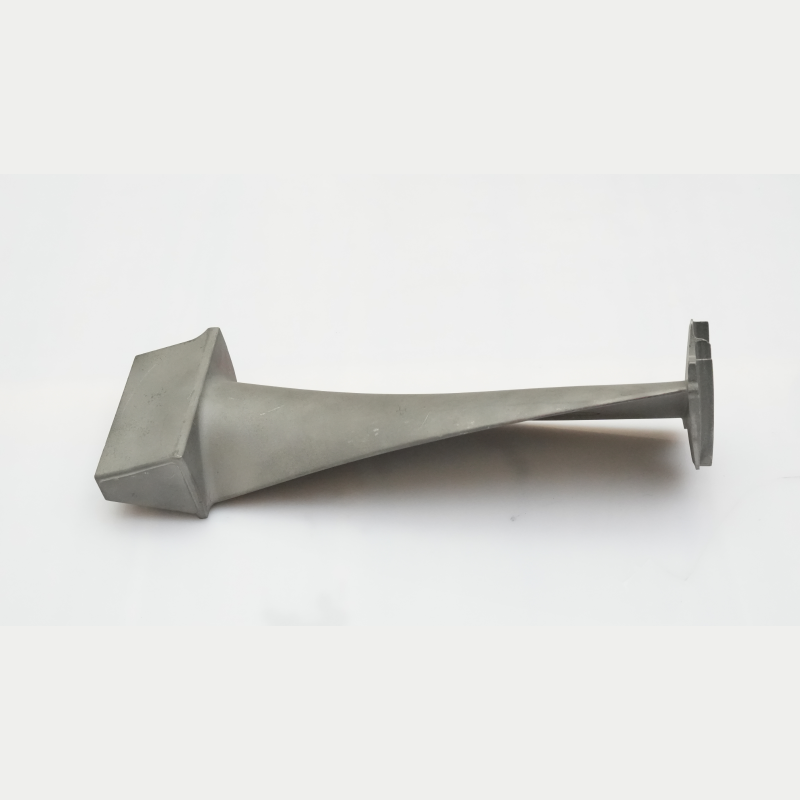
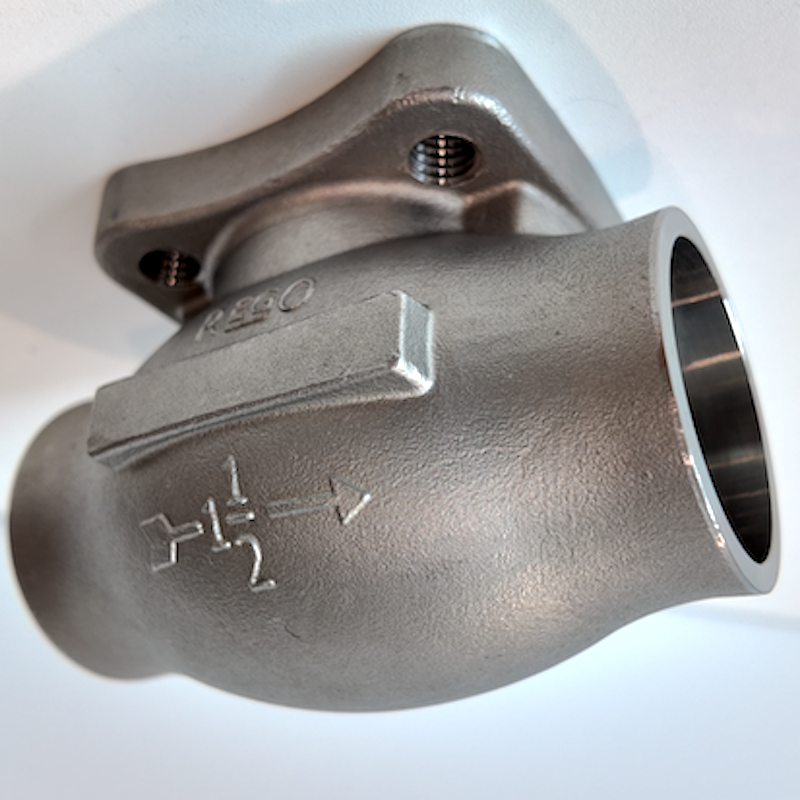
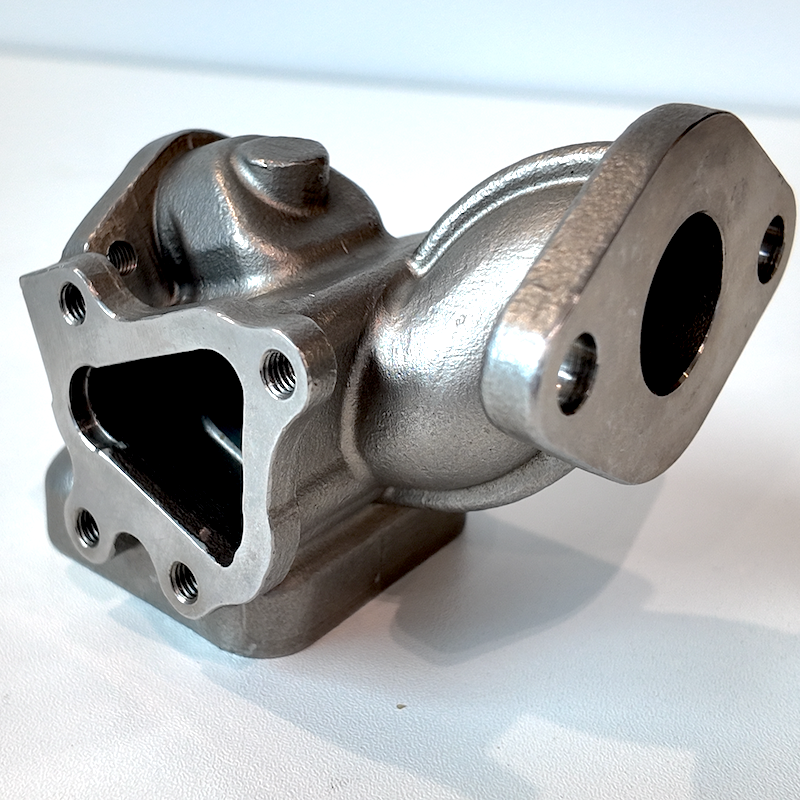
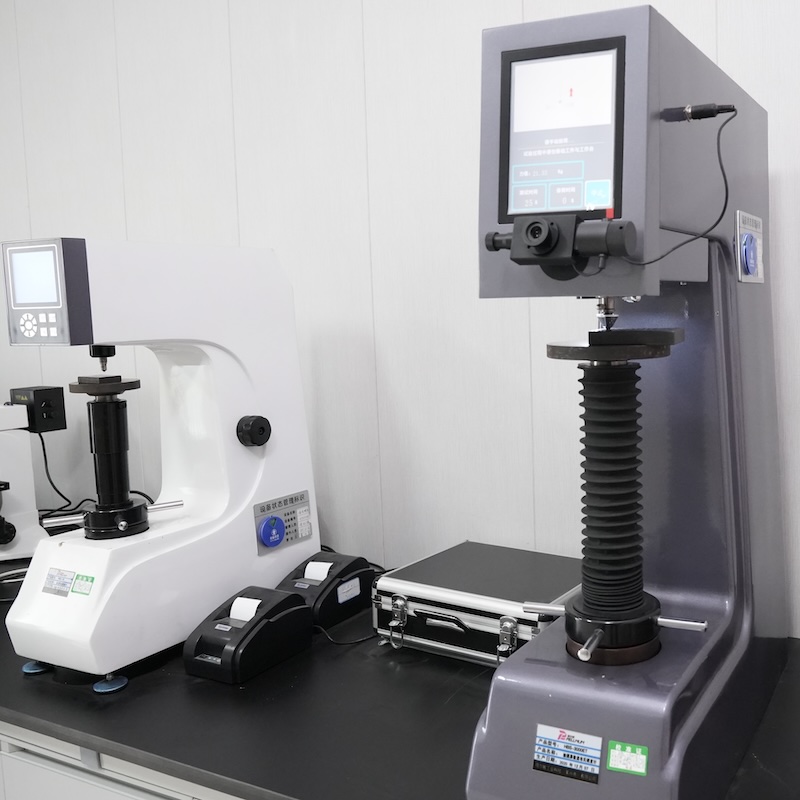
A stainless steel investment castings factory represents a specialized manufacturing facility dedicated to producing precision metal components through the lost-wax casting process. This advanced production environment combines traditional metallurgical expertise with modern technology to create complex stainless steel parts that meet exacting specifications. The factory serves as a critical link in numerous supply chains, transforming raw stainless steel alloys into finished components that industries worldwide depend upon for their operations. The main functions of a stainless steel investment castings factory encompass the entire production cycle, from initial design consultation and pattern creation to final quality inspection and delivery. Engineers work closely with clients to optimize part designs for castability while maintaining functional requirements. The facility houses equipment for wax pattern injection, ceramic shell building, dewaxing, melting, pouring, and finishing operations. These factories typically maintain extensive quality control laboratories equipped with spectrometers, X-ray machines, and mechanical testing devices to ensure every casting meets industry standards. Technological features distinguish modern facilities from conventional foundries. Computer-aided design systems enable precise pattern development and simulation of metal flow during casting. Automated wax injection machines produce consistent patterns with minimal variation. Robotic shell-building systems apply ceramic coatings uniformly, creating molds capable of capturing intricate details down to micrometers. Vacuum melting furnaces eliminate impurities and control alloy composition precisely, while controlled atmosphere furnaces prevent oxidation during heat treatment. Advanced machining centers perform secondary operations with tight tolerances. Applications for products from a stainless steel investment castings factory span virtually every industrial sector. Aerospace companies rely on these castings for turbine blades, structural fittings, and fuel system components where strength-to-weight ratios prove critical. Medical device manufacturers specify investment cast stainless steel for surgical instruments, implantable devices, and diagnostic equipment requiring biocompatibility and corrosion resistance. The food processing industry uses these components in pumps, valves, and mixing equipment where sanitation standards demand smooth surfaces and chemical resistance. Marine hardware, automotive parts, energy sector components, and architectural fittings all benefit from the unique capabilities that investment casting provides in stainless steel materials.

New Product Releases

Choosing a stainless steel investment castings factory offers numerous practical benefits that directly impact your bottom line and product performance. The investment casting process delivers exceptional dimensional accuracy, typically holding tolerances within plus or minus 0.005 inches without machining. This precision reduces or eliminates secondary operations, cutting your overall production costs significantly. You receive parts that fit correctly the first time, reducing assembly time and minimizing rejection rates in your production line. The superior surface finish achieved through investment casting means components come out of the mold smooth and ready for use in many applications. This quality eliminates grinding, polishing, or other surface treatments that add time and expense to traditional manufacturing methods. Your products look professional and function better with surfaces that resist contamination and wear. Design flexibility stands as another major advantage when working with a stainless steel investment castings factory. Engineers can incorporate complex geometries, undercuts, thin walls, and intricate internal passages that would prove impossible or prohibitively expensive with other manufacturing methods. This freedom allows you to optimize part performance without compromise, combining multiple pieces into single castings that reduce assembly requirements and potential failure points. You gain the ability to innovate and differentiate your products in competitive markets. Material efficiency translates directly to cost savings and environmental responsibility. Investment casting uses nearly all the metal charged into the furnace, with minimal waste compared to machining from solid bar stock. Your material costs drop substantially, especially important when working with expensive stainless steel alloys. The process also conserves natural resources and reduces the environmental footprint of your manufacturing operations. Production scalability provides flexibility as your business grows. A stainless steel investment castings factory can economically produce anywhere from prototype quantities to hundreds of thousands of pieces annually. You avoid the high tooling costs associated with die casting or forging, making low-volume production viable. As demand increases, the same tooling and processes scale up efficiently without requiring completely new equipment investments. Quality consistency ensures every part meets specifications throughout production runs. The controlled environment and systematic processes at a stainless steel investment castings factory minimize variation between castings. Statistical process controls identify trends before defects occur, protecting your reputation and reducing warranty claims. You receive components you can trust to perform reliably in demanding applications. Lead time advantages help you respond quickly to market opportunities. The relatively simple tooling required for investment casting means new products reach production faster than alternatives requiring complex hard tooling. Rush orders can be accommodated more easily, keeping your supply chain responsive and your customers satisfied with timely deliveries.

Latest News

The Role Of Elements In Castings And The Order Of Addition

11

May

The Role Of Elements In Castings And The Order Of Addition

View More
Stainless Steel Castings for Architectural Posts

11

May

Stainless Steel Castings for Architectural Posts

View More
Stainless Steel Castings for Building Facade Systems

11

May

Stainless Steel Castings for Building Facade Systems

View More
Precision Stainless Steel Exhaust Manifold Casting Solution For Luxury Sedan - With Japanese First-Tier Car Brand

11

May

Precision Stainless Steel Exhaust Manifold Casting Solution For Luxury Sedan - With Japanese First-Tier Car Brand

View More

Get a Free Quote

Our representative will contact you soon.
Email
Name
Company Name
Message
0/1000

stainless steel investment castings factory

Unmatched Complexity and Precision Engineering Capabilities

Unmatched Complexity and Precision Engineering Capabilities

The stainless steel investment castings factory delivers unparalleled capability to produce geometrically complex components with precision that other manufacturing processes simply cannot match economically. This advantage stems from the fundamental nature of the investment casting process itself, where molten metal replicates every detail of a disposable wax pattern surrounded by a precision ceramic shell mold. The technology enables engineers to design parts with intricate internal cavities, multiple intersecting passages, varying wall thicknesses, and elaborate external features all cast as a single integrated component. Consider the practical implications for product development and cost reduction. Traditional manufacturing approaches would require assembling multiple machined or formed pieces using welds, fasteners, or adhesives to achieve similar functionality. Each joint represents a potential failure point, adds assembly labor, increases inventory complexity, and introduces quality variables. By consolidating these elements into one casting from a stainless steel investment castings factory, you eliminate these concerns while improving structural integrity. The part functions as a monolithic unit with uniform material properties throughout, without stress concentrations at joints or the possibility of connection failures. The precision aspect proves equally valuable across applications. Investment casting routinely achieves dimensional tolerances of plus or minus 0.005 inches on small to medium features, with even tighter control possible on critical dimensions through specialized techniques. Surface finishes typically measure 125 microinches or smoother as-cast, often acceptable for final use without additional processing. This accuracy means components fit properly during assembly without rework or adjustment, reducing production time and eliminating the frustration of parts that do not mate correctly. Quality control becomes simpler when dimensional variation remains minimal throughout production runs. For industries where precision directly impacts performance, such as aerospace propulsion systems or medical surgical instruments, this capability proves essential. A turbine component with airfoil profiles cast to exacting specifications performs more efficiently than one requiring extensive grinding to achieve final contours. A surgical instrument with properly formed gripping surfaces functions better in the hands of medical professionals. The stainless steel investment castings factory provides these precision benefits while working with corrosion-resistant alloys that maintain their properties in challenging service environments, combining geometric accuracy with material performance in ways that create lasting value for customers across diverse industries seeking competitive advantages through superior component design and manufacturing excellence.
Superior Material Properties and Corrosion Resistance Performance

Superior Material Properties and Corrosion Resistance Performance

Stainless steel alloys processed through a stainless steel investment castings factory exhibit exceptional material characteristics that ensure long-term performance in demanding applications where ordinary metals would fail prematurely. The combination of controlled melting practices, proper alloy chemistry, and heat treatment capabilities results in castings with mechanical properties comparable to wrought materials while maintaining the geometric advantages of the casting process. This material excellence provides customers with components that resist corrosion, withstand mechanical stresses, and maintain dimensional stability across temperature extremes and chemical exposures that would destroy lesser materials. The corrosion resistance inherent in stainless steel stems from the chromium content that forms a passive oxide layer on exposed surfaces, protecting the underlying metal from environmental attack. A stainless steel investment castings factory works with numerous alloy families tailored to specific corrosion challenges. Austenitic grades like 304 and 316 offer excellent general corrosion resistance with good fabricability. Martensitic alloys provide higher strength with moderate corrosion protection. Duplex stainless steels combine attributes of both families, delivering superior resistance to chloride stress corrosion cracking. Precipitation hardening grades achieve extremely high strength levels while maintaining reasonable corrosion performance. This alloy diversity allows engineers to select materials optimized for their particular service environment, whether marine atmospheres, chemical processing streams, high-purity food contact, or biological implantation. Material properties extend beyond simple corrosion resistance to encompass mechanical performance under load. Castings from a stainless steel investment castings factory typically exhibit yield strengths from 30,000 to over 200,000 psi depending on alloy selection and heat treatment. Elongation values demonstrate ductility sufficient to absorb shock loads without brittle fracture. Fatigue resistance allows components to endure millions of stress cycles in dynamic applications. High-temperature strength retention means parts continue functioning when heat would soften ordinary materials. These properties result from careful control throughout production, beginning with virgin alloy selection and spectrographic verification of chemistry. Vacuum induction melting eliminates gas porosity and removes trampoline elements that compromise properties. Controlled solidification prevents segregation and ensures uniform microstructure. Solution annealing and precipitation hardening cycles develop optimal combinations of strength and toughness. The practical benefits manifest in extended service life and reduced maintenance costs. Components resist pitting, crevice corrosion, and stress cracking that cause premature failures in carbon steel or aluminum alternatives. Surfaces remain smooth and cleanable, critical for sanitary applications in pharmaceutical or food industries. Dimensional stability prevents loosening, binding, or misalignment as parts age in service. Customers gain reliability and performance confidence that protects their reputation and reduces total cost of ownership across product lifecycles.
Cost-Effective Production Flexibility and Rapid Market Response

Cost-Effective Production Flexibility and Rapid Market Response

A stainless steel investment castings factory provides remarkable production flexibility that enables cost-effective manufacturing across volume ranges from prototype development through high-volume production, giving customers strategic advantages in competitive markets. This scalability stems from the relatively low tooling investment required compared to alternatives like die casting, forging, or machining from solid stock, combined with the ability to optimize processes for different production scenarios. The economic benefits prove particularly valuable for companies navigating uncertain demand forecasts, managing product lifecycles, or pursuing innovation strategies requiring rapid iteration and market testing. Consider the typical product development journey and how a stainless steel investment castings factory supports each phase efficiently. Initial prototype castings allow engineers to evaluate form, fit, and function using actual production materials and processes rather than relying on machined samples or alternative materials that may not accurately represent final part behavior. Tooling costs for prototype investment casting remain modest, often requiring only simple patterns and minimal mold preparation, enabling small quantities at reasonable piece prices. Design iterations proceed quickly as modifications require only pattern changes rather than expensive hard tooling reconstruction. This development efficiency accelerates time-to-market and reduces the financial risk of new product introductions. As products transition from development to low-volume production, the stainless steel investment castings factory continues delivering economic value. Many specialized applications require only hundreds or thousands of pieces annually, volumes where forging dies or permanent molds cannot be justified economically. Investment casting serves these markets profitably using the same basic processes developed during prototyping, with quality and consistency suitable for production applications. Companies avoid being forced into design compromises or alternative materials simply because their volumes do not support conventional high-volume manufacturing approaches. When demand grows, production scales efficiently without radical process changes or massive capital investments. Additional mold sets spread fixed costs across larger quantities, reducing piece prices progressively. Automation opportunities emerge at higher volumes, with robotic handling, automated inspection systems, and optimized furnace loading improving productivity further. The stainless steel investment castings factory adapts to your growth trajectory rather than forcing you to adapt your business to manufacturing constraints. Lead time flexibility provides another strategic advantage. Standard production scheduling accommodates normal demand patterns efficiently, but when urgent requirements arise from unexpected orders or supply chain disruptions, a stainless steel investment castings factory can often respond faster than alternatives requiring long lead time tooling or extensive setup changes. Rush capabilities keep your production lines operating and your customers satisfied even when challenges emerge. The combination of low initial tooling investment, volume scalability, and responsive scheduling creates a manufacturing partnership model that aligns with modern business realities where agility and cost control determine competitive success across industries.

Get a Free Quote

Our representative will contact you soon.
Email
Name
Company Name
Message
0/1000