Industrial Manufacturing Services: Precision Production Solutions for Modern Business

Get a Free Quote

Our representative will contact you soon.
Email
Name
Company Name
Message
0/1000

industrial manufacturing services

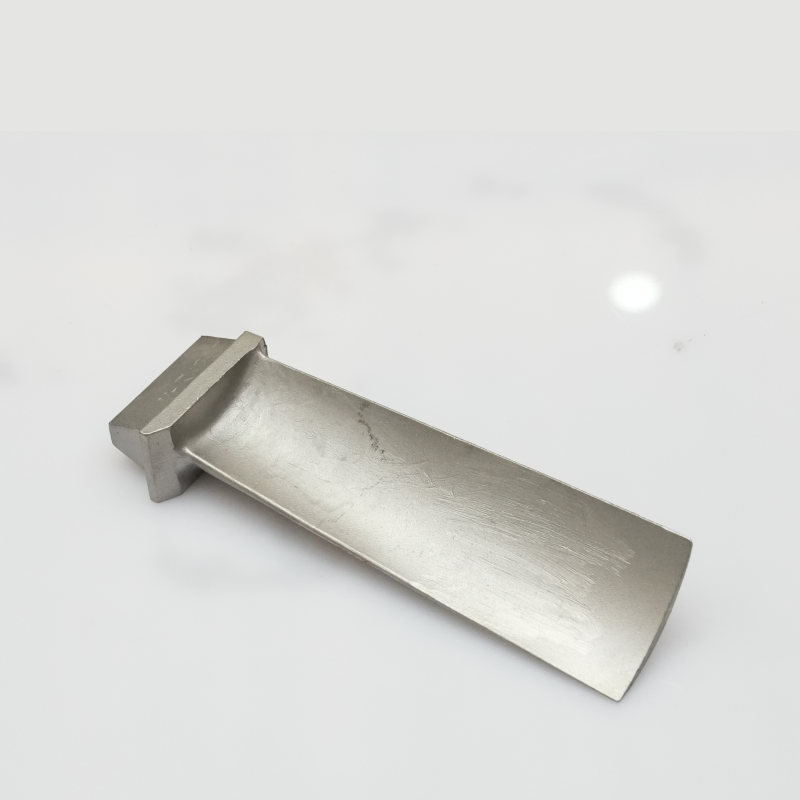
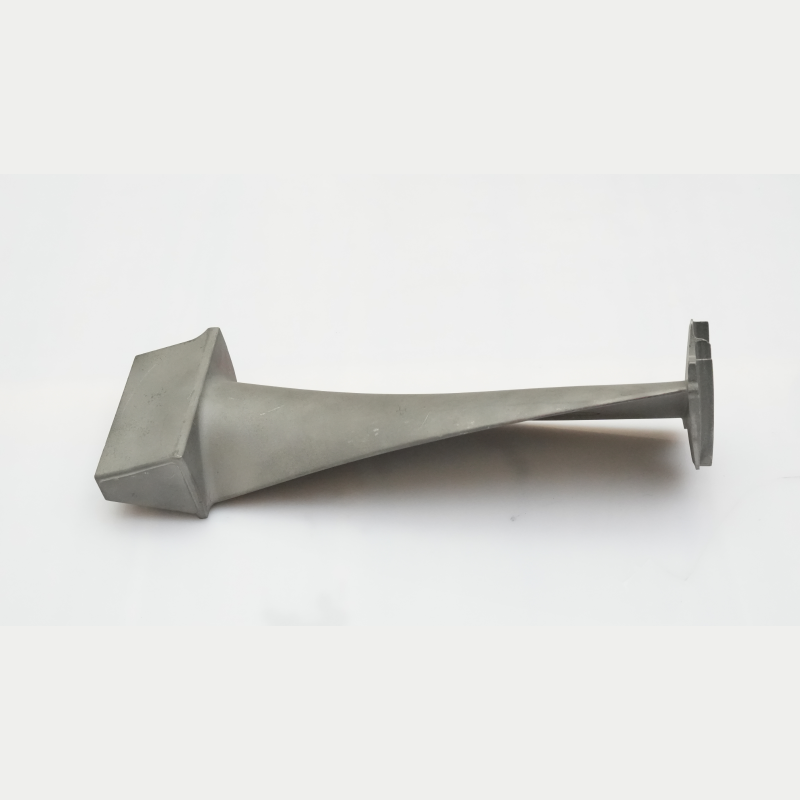
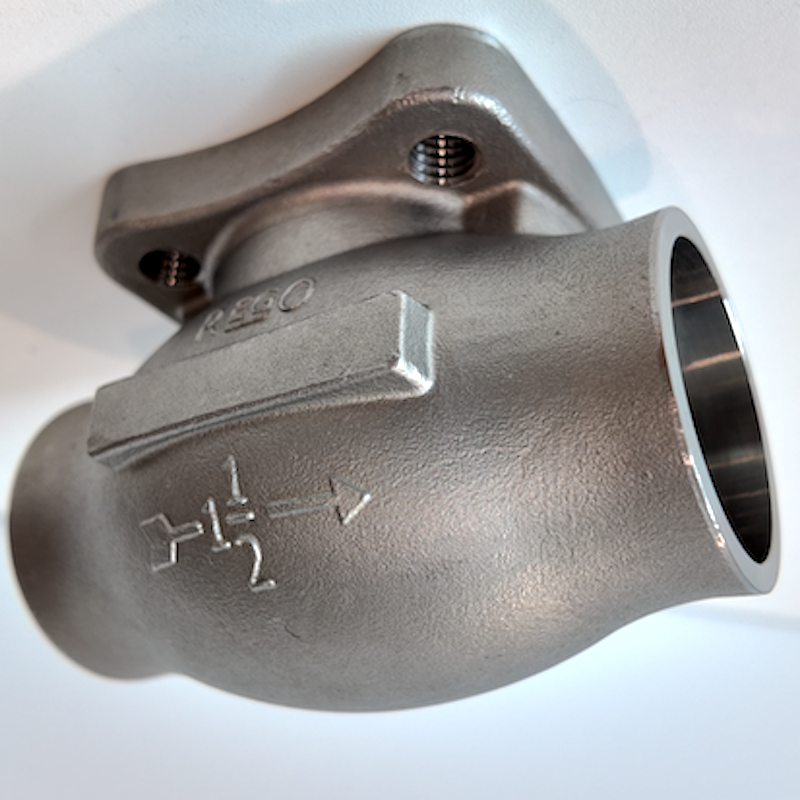
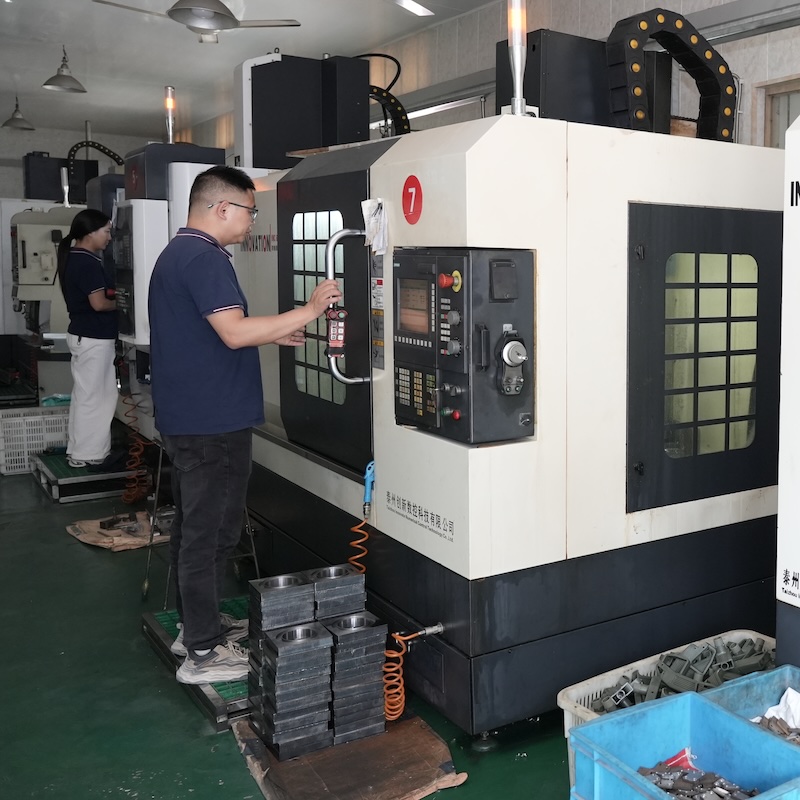
Industrial manufacturing services represent a comprehensive suite of production solutions that transform raw materials into finished goods through specialized processes, equipment, and expertise. These services encompass everything from initial design consultation and prototyping to full-scale production, quality assurance, and logistics management. At their core, industrial manufacturing services provide businesses with access to advanced production capabilities without requiring massive capital investments in facilities and equipment. The main functions include precision machining, metal fabrication, injection molding, assembly operations, surface treatment, and packaging. Modern industrial manufacturing services leverage cutting-edge technologies such as computer numerical control machining, robotic automation, additive manufacturing, and artificial intelligence-driven quality control systems. These technological features enable manufacturers to achieve remarkable precision, consistency, and efficiency in production processes. The integration of Industry 4.0 principles allows for real-time monitoring, predictive maintenance, and data-driven optimization of manufacturing workflows. Applications span virtually every sector of the economy, from automotive and aerospace to medical devices, consumer electronics, and construction equipment. Companies in the pharmaceutical industry rely on these services for sterile production environments and regulatory compliance. The electronics sector benefits from micro-precision assembly and cleanroom manufacturing capabilities. Industrial manufacturing services also support rapid prototyping for startups and established companies developing new products, allowing them to test market viability before committing to large production runs. The flexibility of these services means businesses can scale production up or down based on demand fluctuations without bearing the fixed costs of maintaining their own manufacturing infrastructure. This adaptability makes industrial manufacturing services an essential component of modern supply chain strategies, enabling companies to respond quickly to market changes while maintaining high quality standards and competitive pricing structures.

New Products

Choosing industrial manufacturing services delivers tangible benefits that directly impact your bottom line and operational efficiency. First and foremost, you gain immediate access to specialized expertise that would take years to develop in-house. Your products benefit from engineers and technicians who have solved similar manufacturing challenges across multiple industries, bringing proven solutions to your specific needs. This expertise translates into fewer production errors, faster time-to-market, and higher quality outcomes. Cost efficiency represents another major advantage, as you avoid substantial capital expenditures on machinery, facility space, and ongoing maintenance. Instead of tying up millions in equipment that may become obsolete, you pay only for the manufacturing capacity you actually use. This operational expenditure model improves cash flow and allows you to allocate resources toward product development, marketing, and business growth. Flexibility stands as a crucial benefit in today's dynamic market environment. When demand surges, industrial manufacturing services can quickly scale production to meet orders without leaving you scrambling to hire staff or purchase additional equipment. Conversely, during slower periods, you reduce production without carrying the burden of idle machinery and underutilized workers. Quality assurance protocols embedded within professional manufacturing services protect your brand reputation. These facilities maintain certifications such as ISO 9001, AS9100, or FDA compliance, depending on your industry requirements. Regular audits, statistical process control, and documented procedures ensure every unit meets specifications. You also benefit from risk mitigation, as reputable manufacturing service providers carry appropriate insurance and assume liability for production processes under their control. Speed to market accelerates when you partner with established manufacturing operations. Rather than spending months or years building production capabilities, you can move from approved design to finished product in weeks. This agility proves invaluable when competing against well-funded rivals or responding to emerging market opportunities. Access to advanced technology represents yet another significant advantage. Industrial manufacturing services continuously invest in the latest equipment and software to remain competitive, giving you access to cutting-edge capabilities like multi-axis CNC machines, automated inspection systems, and advanced materials processing without direct investment. Geographic flexibility allows you to manufacture closer to end markets, reducing shipping costs and delivery times while potentially avoiding tariffs and trade restrictions. Finally, partnering with industrial manufacturing services lets your team focus on core competencies like innovation, customer relationships, and strategic planning rather than managing complex production operations.

Tips And Tricks

The Role Of Elements In Castings And The Order Of Addition

11

May

The Role Of Elements In Castings And The Order Of Addition

View More
Stainless Steel Castings for Architectural Posts

11

May

Stainless Steel Castings for Architectural Posts

View More
Stainless Steel Castings for Building Facade Systems

11

May

Stainless Steel Castings for Building Facade Systems

View More
Precision Stainless Steel Exhaust Manifold Casting Solution For Luxury Sedan - With Japanese First-Tier Car Brand

11

May

Precision Stainless Steel Exhaust Manifold Casting Solution For Luxury Sedan - With Japanese First-Tier Car Brand

View More

Get a Free Quote

Our representative will contact you soon.
Email
Name
Company Name
Message
0/1000

industrial manufacturing services

Advanced Precision Engineering and Quality Control Systems

Advanced Precision Engineering and Quality Control Systems

Industrial manufacturing services distinguish themselves through sophisticated precision engineering capabilities that ensure every component meets exacting specifications with minimal variation. These services employ state-of-the-art measurement and inspection technologies, including coordinate measuring machines, optical comparators, and laser scanning systems that verify dimensions to tolerances measured in microns. The precision engineering process begins with thorough design review, where experienced engineers analyze your specifications for manufacturability, identifying potential issues before production begins. This proactive approach prevents costly revisions and delays while optimizing designs for efficient production. During manufacturing, computer-controlled equipment executes operations with repeatability that human operators simply cannot match, ensuring the thousandth part mirrors the first with identical precision. Quality control systems integrate seamlessly throughout the production process rather than occurring only at final inspection. Statistical process control monitors key parameters in real-time, alerting operators to any drift from target values before defects occur. This predictive approach minimizes waste and ensures consistent output quality. Advanced industrial manufacturing services implement comprehensive traceability systems that document every step of production, from raw material certification through final inspection results. This documentation proves invaluable for regulated industries requiring proof of compliance and enables rapid root cause analysis if quality issues emerge. The combination of precision equipment, rigorous process controls, and thorough documentation creates a manufacturing environment where quality becomes built into the product rather than inspected into it. For customers, this translates to fewer returns, enhanced product performance, and stronger brand reputation. The investment that industrial manufacturing services make in precision engineering and quality systems would cost individual companies millions to replicate, yet you access these capabilities at a fraction of that investment. Moreover, these services continuously upgrade their quality systems to incorporate new technologies and methodologies, ensuring you benefit from industry best practices without additional expenditure. Whether your products require medical-grade cleanliness, aerospace-level reliability, or consumer electronics consistency, professional industrial manufacturing services deliver the precision and quality control necessary for success in demanding markets.
Comprehensive Supply Chain Integration and Logistics Management

Comprehensive Supply Chain Integration and Logistics Management

Modern industrial manufacturing services extend far beyond simple production operations to encompass complete supply chain integration that streamlines everything from raw material procurement to finished goods delivery. This comprehensive approach eliminates the complexity and coordination challenges that arise when managing multiple vendors across different production stages. Supply chain integration begins with strategic sourcing, where manufacturing service providers leverage their purchasing power and established supplier relationships to obtain materials at favorable prices with reliable delivery schedules. These providers typically maintain qualified supplier networks that have been vetted for quality, reliability, and ethical business practices, saving you the time and risk of supplier qualification. Inventory management represents another critical component, with sophisticated systems that balance material availability against carrying costs. Just-in-time delivery principles minimize inventory investment while ensuring production never stops due to material shortages. Some industrial manufacturing services offer vendor-managed inventory programs where they assume responsibility for maintaining optimal stock levels based on your production forecasts and historical consumption patterns. Production scheduling systems coordinate multiple manufacturing processes, ensuring components flow smoothly from one operation to the next without bottlenecks or excessive work-in-process inventory. This orchestration becomes particularly valuable for complex products requiring multiple manufacturing technologies such as machining, forming, treating, and assembly. Logistics management extends the supply chain integration through final delivery, with manufacturing service providers often coordinating packaging, labeling, and shipping according to your specifications or directly to your customers in drop-ship arrangements. This turnkey approach reduces your administrative burden while ensuring products arrive safely and on schedule. For companies operating globally, industrial manufacturing services with international locations offer geographic flexibility that reduces shipping costs, shortens lead times, and may provide tariff advantages. They manage the complexities of international trade compliance, including export documentation, customs procedures, and country-specific regulations. The transparency provided by modern supply chain management systems gives you real-time visibility into order status, inventory levels, and shipment tracking. Cloud-based platforms allow you to monitor production progress, review quality data, and manage orders from anywhere with internet access. This visibility enables better planning and more informed business decisions while reducing the uncertainty that plagues traditional manufacturing relationships.
Rapid Prototyping and Scalable Production Flexibility

Rapid Prototyping and Scalable Production Flexibility

Industrial manufacturing services excel at supporting product development through rapid prototyping capabilities that dramatically accelerate innovation cycles while providing clear pathways to full-scale production. This dual capability proves invaluable for companies introducing new products or improving existing designs, as it bridges the gap between concept and commercial reality. Rapid prototyping leverages advanced technologies including 3D printing, CNC machining, and vacuum casting to create functional prototypes in days rather than the weeks or months required by traditional methods. These prototypes allow you to physically evaluate designs, conduct user testing, and identify improvements before committing to expensive production tooling. Multiple design iterations can occur rapidly, with each version incorporating lessons learned from previous prototypes. This iterative approach significantly reduces the risk of costly design flaws appearing only after production begins. Beyond physical prototypes, industrial manufacturing services often provide design for manufacturability analysis that optimizes your product for efficient production. Engineers review designs to identify features that may cause production difficulties, suggest alternative approaches that maintain functionality while improving manufacturability, and estimate production costs at various volume levels. This analysis helps you make informed decisions about design trade-offs between performance, manufacturability, and cost. The transition from prototype to production happens seamlessly when working with integrated industrial manufacturing services, as the same team that built your prototypes understands your product intimately and can efficiently establish production processes. This continuity eliminates the knowledge transfer problems that occur when prototyping and production happen at different facilities. Scalability represents perhaps the most valuable aspect of modern industrial manufacturing services, with systems designed to accommodate production volumes from dozens to millions of units. Low-volume production runs use flexible manufacturing approaches that minimize setup costs and tooling investments, making small batches economically viable. As demand grows, manufacturing processes transition to automated, high-volume methods that dramatically reduce per-unit costs. This scalability allows startups to launch products without massive capital requirements while providing established companies the flexibility to test new markets or seasonal products without overcommitting resources. Manufacturing service providers maintain capacity buffers that accommodate demand fluctuations, ensuring you can increase production quickly when opportunities arise without leaving money on the table due to capacity constraints. The combination of rapid prototyping and scalable production creates a responsive manufacturing partnership that adapts to your business needs throughout the product lifecycle, from initial concept through market maturity.

Get a Free Quote

Our representative will contact you soon.
Email
Name
Company Name
Message
0/1000