Premium Stainless Steel Investment Castings Factory - Precision Manufacturing Solutions

Get a Free Quote

Our representative will contact you soon.
Email
Name
Mobile
Company Name
Message
0/1000

stainless steel investment castings factory

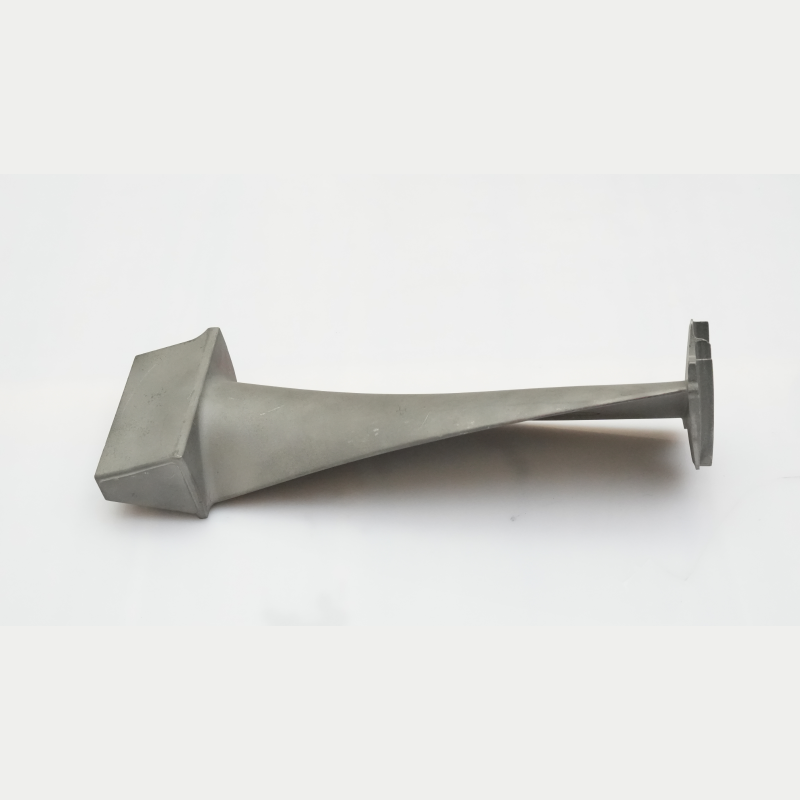
A stainless steel investment castings factory represents a specialized manufacturing facility dedicated to producing precision metal components through the lost-wax casting process. This type of factory combines advanced metallurgical expertise with sophisticated production equipment to create complex stainless steel parts that meet exacting specifications. The main function of such a facility involves transforming raw stainless steel alloys into finished or near-finished components through a multi-stage process that begins with pattern creation and ends with final inspection. The factory typically handles various stainless steel grades including 304, 316, 17-4PH, and duplex alloys, each selected based on specific application requirements. Technologically, these facilities employ state-of-the-art wax injection systems, ceramic shell building stations, high-temperature furnaces capable of reaching temperatures exceeding 1600 degrees Celsius, and precision machining centers. The investment casting method allows manufacturers to produce parts with intricate geometries, thin walls, and complex internal passages that would be difficult or impossible to achieve through conventional manufacturing methods. Quality control systems integrated throughout the production process ensure dimensional accuracy within tolerances as tight as 0.005 inches and surface finishes comparable to machined components. Applications for products from a stainless steel investment castings factory span numerous industries including aerospace, where components must withstand extreme temperatures and pressures; medical devices requiring biocompatible materials and sterile conditions; food processing equipment demanding corrosion resistance and sanitary designs; automotive systems needing lightweight yet durable parts; and marine hardware exposed to harsh saltwater environments. The factory serves both prototype development and high-volume production runs, offering flexibility to accommodate diverse customer needs. Advanced simulation software helps optimize designs before physical production begins, reducing development time and material waste while ensuring the final product meets all performance criteria and regulatory standards.

Popular Products

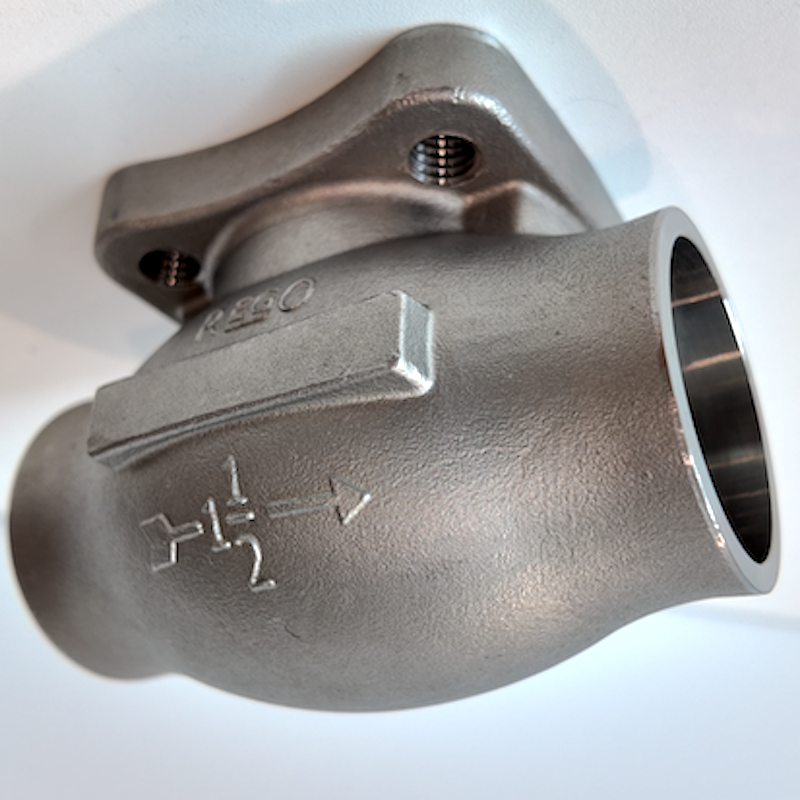
Choosing to work with a stainless steel investment castings factory delivers numerous practical benefits that directly impact your bottom line and product quality. First and foremost, you gain access to exceptional design freedom that allows your engineering team to create parts with complex shapes, undercuts, and fine details without the constraints imposed by other manufacturing methods. This means you can consolidate multiple pieces into a single casting, reducing assembly time, eliminating fasteners, and decreasing potential failure points in your final product. The cost savings become particularly evident in medium to high production volumes, where the per-unit price drops significantly compared to machining from solid stock, which generates substantial material waste. You receive components with excellent surface finish directly from the casting process, often eliminating or minimizing secondary finishing operations that add time and expense to your production schedule. The dimensional consistency achieved through investment casting ensures that parts fit together properly during assembly, reducing rework and quality issues that can disrupt your manufacturing flow. Material versatility represents another significant advantage, as the factory can work with a wide range of stainless steel alloys, allowing you to select the exact composition that balances corrosion resistance, strength, magnetic properties, and cost for your specific application. The process produces parts with uniform mechanical properties throughout the component, unlike welded assemblies where heat-affected zones create weak points. You benefit from faster time-to-market because the factory can produce functional prototypes quickly, enabling design verification and testing before committing to full production tooling. The investment casting process generates minimal material waste compared to subtractive manufacturing methods, supporting your sustainability goals while reducing raw material costs. You also gain the ability to incorporate logos, part numbers, and other identifying marks directly into the casting, eliminating secondary marking operations. The factory provides comprehensive engineering support, helping optimize your designs for manufacturability, suggesting alloy selections, and identifying potential casting issues before they become expensive problems. Quality assurance protocols including dimensional inspection, mechanical testing, and non-destructive examination give you confidence that every component meets your specifications. Finally, the scalability of the process means the same tooling used for prototype quantities can be used for production runs, ensuring consistency from initial samples through ongoing supply.

Latest News

How Does a Precision Investment Casting Manufacturer Ensure Consistent Quality Across Global Supply Chains?

05

Jun

How Does a Precision Investment Casting Manufacturer Ensure Consistent Quality Across Global Supply Chains?

In today's interconnected industrial landscape, sourcing complex metal components across international borders presents a formidable quality challenge. the manufacturer must navigate an intricate web of raw material sourcing, multi-stage production c...
View More
How Can OEM ODM Precision Casting Services Accelerate New Product Development Cycles?

26

Jun

How Can OEM ODM Precision Casting Services Accelerate New Product Development Cycles?

Bringing a new industrial product from concept to market is rarely a straightforward journey. Engineering teams face relentless pressure to compress timelines, reduce prototype iterations, and deliver production-ready components without sacrificing d...
View More
How Do OEM ODM Precision Casting Services Support Flexible Design and Rapid Prototyping?

26

Jun

How Do OEM ODM Precision Casting Services Support Flexible Design and Rapid Prototyping?

Figure 1: Custom Valve Body Fabricated via Precision Investment Casting, Featuring Crisp Surface Details and Net-Shape Integrity. In today's fast-evolving manufacturing landscape, the ability to move from concept to production-ready component quickly...
View More
Why Are Stainless Steel Investment Castings Preferred for Corrosion Resistant Applications?

26

Jun

Why Are Stainless Steel Investment Castings Preferred for Corrosion Resistant Applications?

In demanding industrial environments where moisture, chemicals, and extreme temperatures are constant threats, material selection is one of the most critical engineering decisions a manufacturer can make. Among the available manufacturing methods, st...
View More

Get a Free Quote

Our representative will contact you soon.
Email
Name
Mobile
Company Name
Message
0/1000

stainless steel investment castings factory

Precision Manufacturing Capabilities for Complex Geometries

Precision Manufacturing Capabilities for Complex Geometries

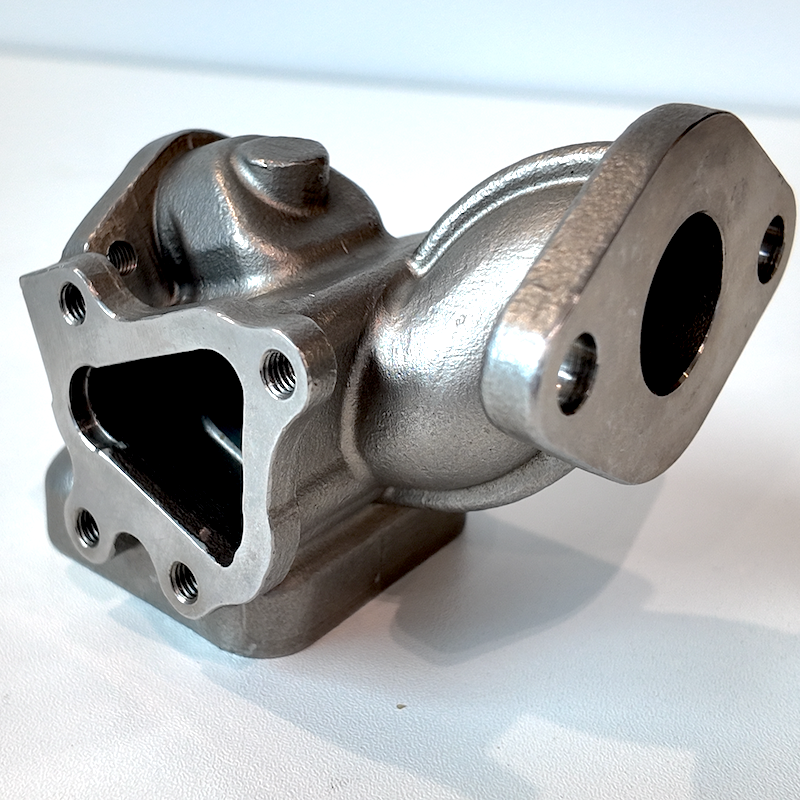
A stainless steel investment castings factory excels at producing components with intricate three-dimensional shapes that challenge or exceed the capabilities of alternative manufacturing processes. This precision manufacturing capability stems from the fundamental nature of the investment casting process itself, which creates parts by pouring molten metal into ceramic molds formed around highly detailed wax patterns. The factory employs advanced wax pattern creation methods, including injection molding for high-volume production and rapid prototyping technologies for custom or low-quantity requirements. These patterns capture every design detail with remarkable fidelity, including thin walls down to 0.030 inches, small holes, complex curves, and sharp transitions that would require multiple setups and specialized tooling with conventional machining. The ceramic shell building process uses multiple layers of progressively coarser ceramic materials, creating a mold that withstands the extreme temperatures of molten stainless steel while reproducing fine surface details. This capability proves invaluable when designing components like pump impellers with twisted vanes, valve bodies with internal flow passages, surgical instruments with ergonomic grips, or architectural hardware with decorative elements. Engineers working with a stainless steel investment castings factory can specify features such as undercuts, internal cavities, and zero-draft angles that would require expensive secondary operations or make manufacturing impossible through other methods. The factory maintains dimensional tolerances typically ranging from plus or minus 0.005 to 0.010 inches on most features, with even tighter tolerances achievable on critical dimensions through post-casting machining operations. This precision extends to wall thickness control, ensuring uniform material distribution that optimizes strength while minimizing weight. The capability to cast complex geometries enables product designers to implement organic shapes that follow stress patterns, improve fluid dynamics, enhance ergonomics, or achieve aesthetic goals without compromising structural integrity. Furthermore, the factory can integrate multiple functional features into a single component, such as mounting bosses, threaded inserts, and alignment pins, reducing part count and assembly complexity. This consolidation strategy not only lowers manufacturing costs but also improves product reliability by eliminating potential leak paths and mechanical joints that might loosen over time. The precision manufacturing capabilities of a stainless steel investment castings factory ultimately empower your engineering team to innovate without being constrained by manufacturing limitations.
Superior Material Properties and Corrosion Resistance

Superior Material Properties and Corrosion Resistance

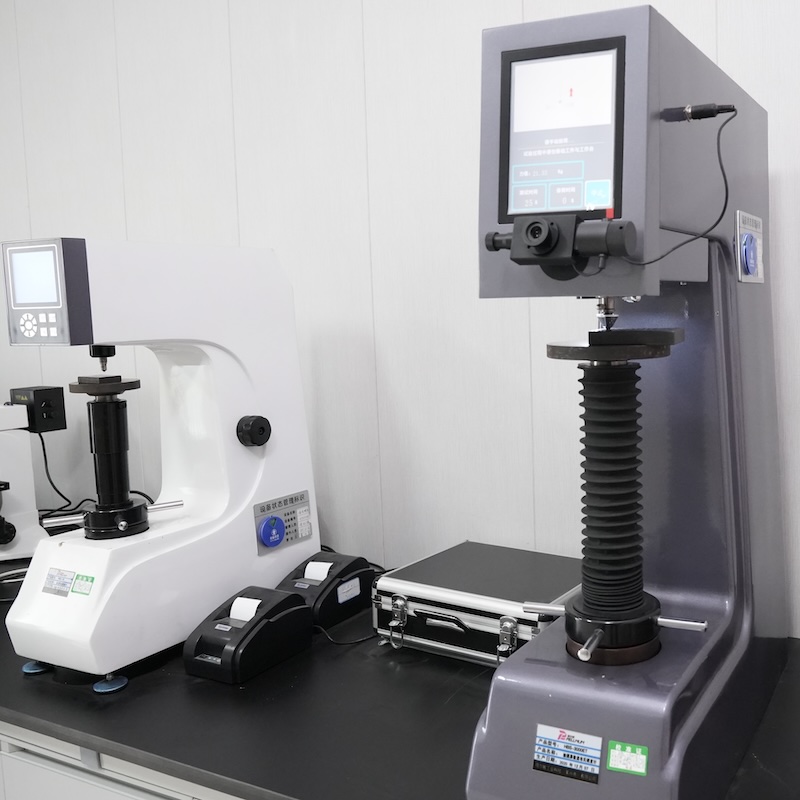
The stainless steel investment castings factory delivers components with exceptional material properties specifically engineered to withstand demanding operating environments where corrosion resistance, strength, and durability are paramount. Stainless steel alloys used in investment casting contain chromium, nickel, molybdenum, and other alloying elements that form a passive oxide layer on the surface, providing inherent protection against rust, chemical attack, and environmental degradation. The factory works with an extensive range of stainless steel grades, each formulated to address specific performance requirements. Austenitic grades like 304 and 316 offer excellent corrosion resistance and maintain their properties across a wide temperature range, making them ideal for food processing equipment, chemical handling systems, and marine applications. The 316 variant adds molybdenum for enhanced resistance to chlorides and acidic environments, particularly valuable in coastal installations and pharmaceutical manufacturing. Martensitic stainless steels such as 410 and 17-4PH provide higher strength and hardness, suitable for components like fasteners, shafts, and mechanical parts that must resist wear and maintain dimensional stability under load. Precipitation-hardening grades can be heat-treated after casting to achieve strength levels approaching those of high-strength steel alloys while retaining good corrosion resistance. The casting process itself contributes to material integrity by producing a uniform grain structure throughout the component, avoiding the directional properties and potential weaknesses associated with wrought materials. Investment cast stainless steel components exhibit consistent mechanical properties in all directions, providing predictable performance regardless of loading orientation. The factory conducts rigorous material testing including tensile strength, yield strength, elongation, and impact resistance measurements to verify that each heat of material meets specification requirements. This quality assurance extends to chemical composition analysis using spectrographic equipment that confirms the precise percentages of alloying elements. The superior corrosion resistance of stainless steel investment castings translates directly into longer service life for your products, reducing maintenance costs, minimizing downtime, and enhancing customer satisfaction. Components installed in challenging environments such as offshore oil platforms, wastewater treatment facilities, or food production lines continue performing reliably for years or decades without surface degradation. The material properties also support hygienic requirements in medical and food industry applications, where smooth surfaces resist bacterial growth and withstand repeated sterilization or cleaning cycles. Temperature stability allows cast stainless steel parts to function effectively from cryogenic conditions to elevated temperatures exceeding 800 degrees Celsius in certain alloys, accommodating applications in aerospace propulsion systems, heat exchangers, and industrial furnaces.
Cost-Effective Production with Minimal Secondary Operations

Cost-Effective Production with Minimal Secondary Operations

A stainless steel investment castings factory provides a cost-effective manufacturing solution that minimizes your overall production expenses through reduced material waste, fewer secondary operations, and streamlined assembly processes. The economic advantages begin with material utilization, as the investment casting process typically achieves material efficiency exceeding 85 percent, meaning the vast majority of the stainless steel alloy becomes part of the finished component rather than being machined away as scrap. This efficiency becomes increasingly important as raw material costs fluctuate and sustainability concerns drive businesses to minimize waste streams. The near-net-shape capability of investment casting means components emerge from the process requiring little or no additional machining, particularly for non-critical dimensions and surfaces. The factory produces parts with surface finishes ranging from 125 to 250 microinches as-cast, often suitable for final use without polishing or grinding. When machining is necessary for critical features such as sealing surfaces or threaded holes, the limited amount of stock removal keeps secondary operation costs minimal. This stands in stark contrast to manufacturing from bar stock or plate, where material removal can exceed 70 percent and require multiple machining setups with different cutting tools. The factory also eliminates welding operations that would otherwise be necessary to create complex assemblies from simpler fabricated components. Welding introduces variables including operator skill, heat distortion, porosity risks, and the need for post-weld stress relief, all of which add cost and potential quality issues. A single investment casting replaces multiple welded pieces, providing superior structural integrity while reducing labor hours and inspection requirements. Tooling costs for investment casting remain reasonable compared to other precision manufacturing processes, with pattern equipment and ceramic mold materials representing the primary expenses. For production quantities exceeding several hundred pieces, the per-unit tooling cost becomes negligible, making the process economically attractive for both medium and high volumes. The factory offers design optimization services that identify opportunities to simplify geometries, reduce weight, or incorporate additional features without significantly impacting casting costs. This collaborative approach helps you maximize value from the investment casting process. Assembly time reduction represents another significant cost benefit, as integrated features eliminate fasteners, reduce part count, and simplify joining operations. Fewer parts mean lower inventory carrying costs, reduced purchasing administration, and simplified supply chain management. The dimensional consistency of investment cast components ensures predictable fit-up during assembly, reducing adjustment time and minimizing scrap from parts that do not meet assembly tolerances. Quality costs decrease as well, since the uniform properties and integral construction of cast components reduce failure rates compared to welded or mechanically fastened assemblies. The factory implements statistical process control and ongoing capability studies to maintain production consistency, giving you confidence in every shipment.

Get a Free Quote

Our representative will contact you soon.
Email
Name
Mobile
Company Name
Message
0/1000