soluções integradas de fundição e usinagem
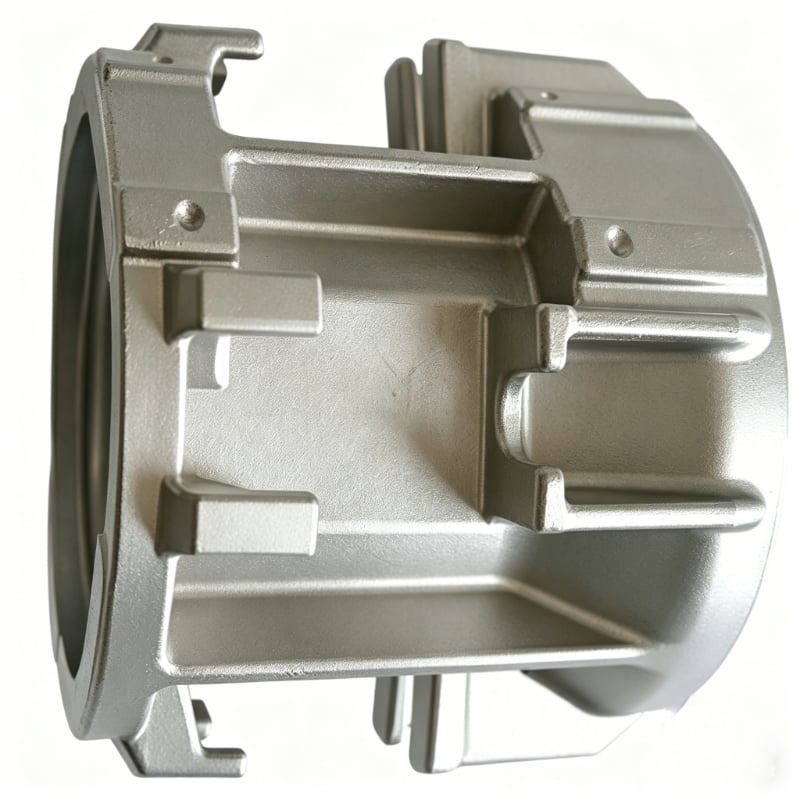
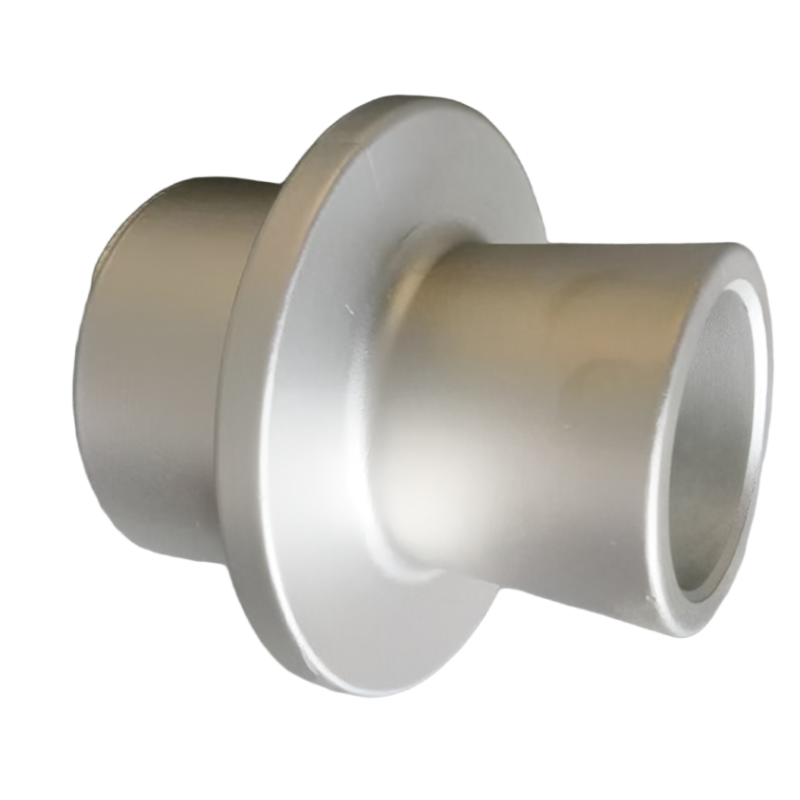
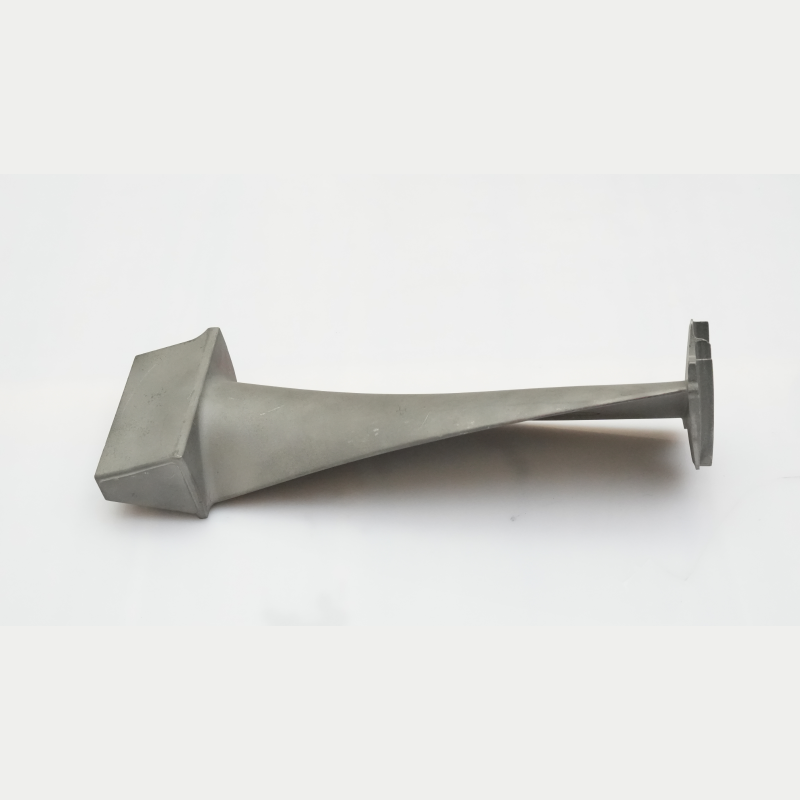
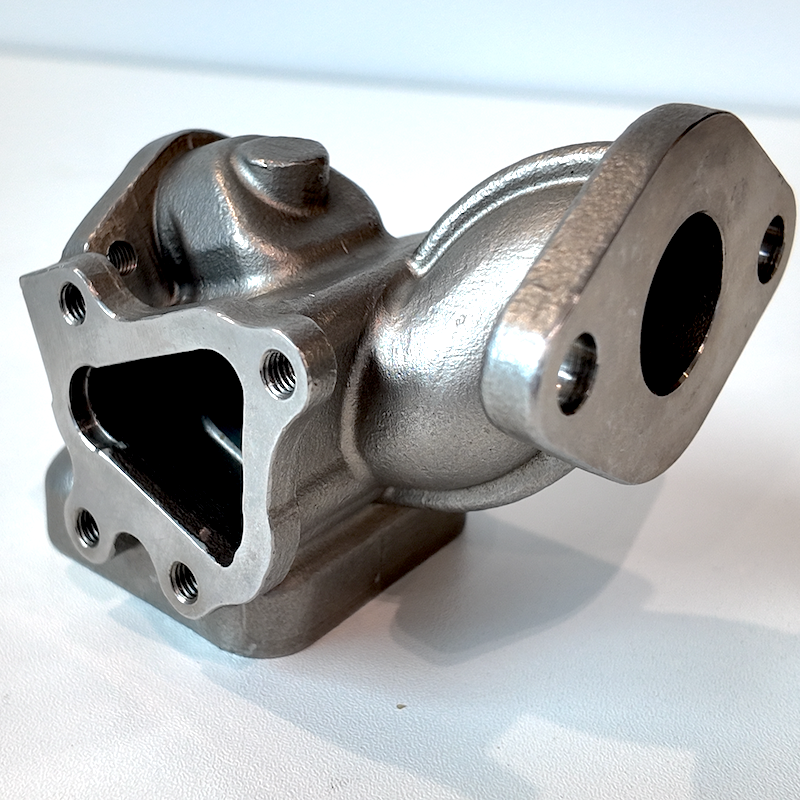
As soluções integradas de fundição e usinagem representam uma abordagem abrangente de fabricação que combina processos tradicionais de fundição metálica com operações de usinagem de precisão, sob um único quadro de serviços integrado. Essa metodologia holística otimiza a produção ao eliminar a necessidade de múltiplos fornecedores e reduzir o tempo de transporte entre diferentes etapas de fabricação. As principais funções dessas soluções integradas incluem o projeto de modelos, a criação de moldes, a vazão do metal, o tratamento térmico, o corte de precisão, a perfuração, a fresagem, a retificação e o acabamento superficial final. Ao consolidar essas operações, os fabricantes conseguem manter um controle mais rigoroso sobre os padrões de qualidade ao longo de todo o ciclo produtivo. As características tecnológicas dessa abordagem englobam sistemas avançados de projeto assistido por computador (CAD), que otimizam simultaneamente a geometria da peça fundida e as operações subsequentes de usinagem. As instalações integradas modernas utilizam equipamentos de última geração, como centros de usinagem CNC, linhas automatizadas de fundição e sofisticados instrumentos de controle de qualidade, garantindo precisão dimensional e integridade do material. Essa integração permite ajustes em tempo real durante a produção, minimizando desperdícios e maximizando a eficiência. As aplicações dessas soluções integradas abrangem diversos setores industriais, incluindo a fabricação automotiva, componentes aeroespaciais, máquinas industriais, equipamentos para o setor de energia, componentes marítimos e implementos agrícolas. Tais soluções revelam-se particularmente valiosas na produção de componentes metálicos complexos que exigem tanto formas intrincadas, obtidas por meio da fundição, quanto tolerâncias precisas, exigidas pela usinagem. O processo é compatível com diversos materiais, tais como ligas de alumínio, aços de diferentes classes, ferro fundido, bronze e composições metálicas especializadas. Essa versatilidade torna as soluções integradas de fundição e usinagem adequadas tanto para o desenvolvimento de protótipos quanto para séries de produção em grande volume, oferecendo escalabilidade capaz de se adaptar às necessidades comerciais em constante evolução, mantendo, contudo, padrões de qualidade consistentes em todos os níveis de produção.

 EN
EN