Integrated Casting and Machining Solutions - Complete Metal Fabrication Services

Get a Free Quote

Our representative will contact you soon.
Email
Name
Company Name
Message
0/1000

integrated casting and machining solutions

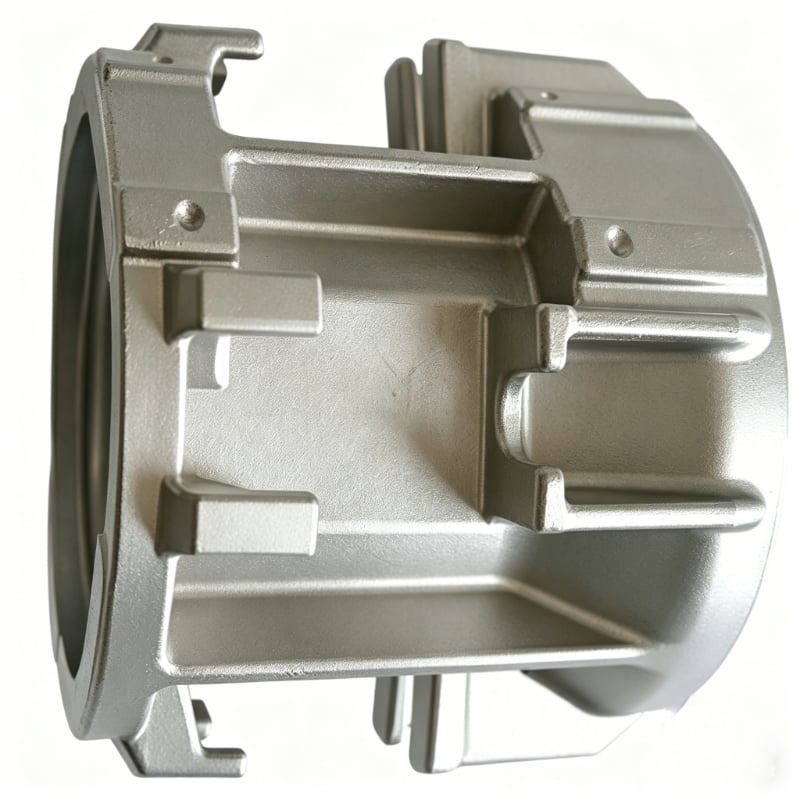
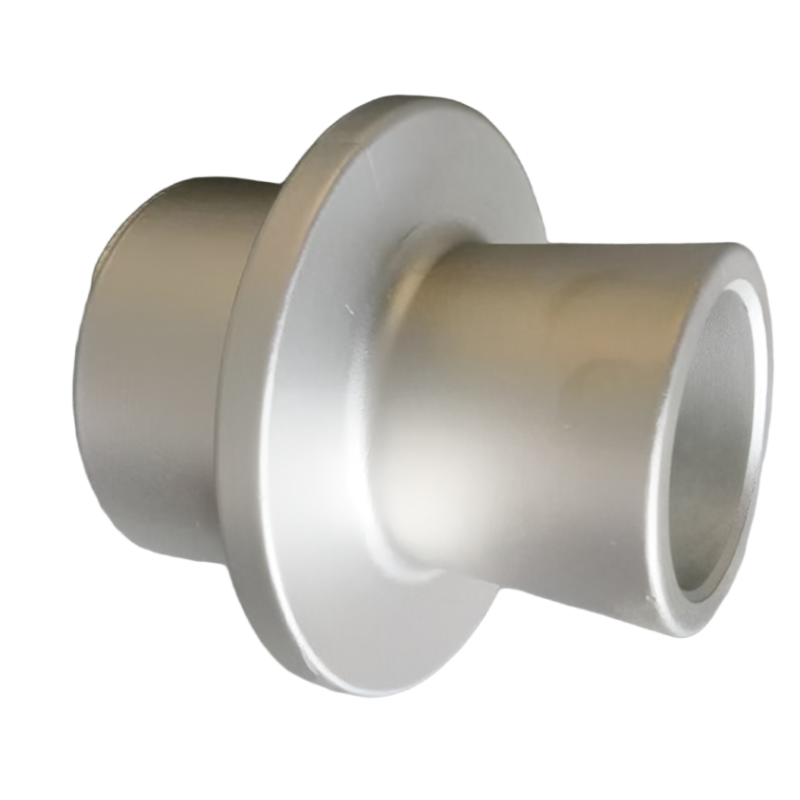
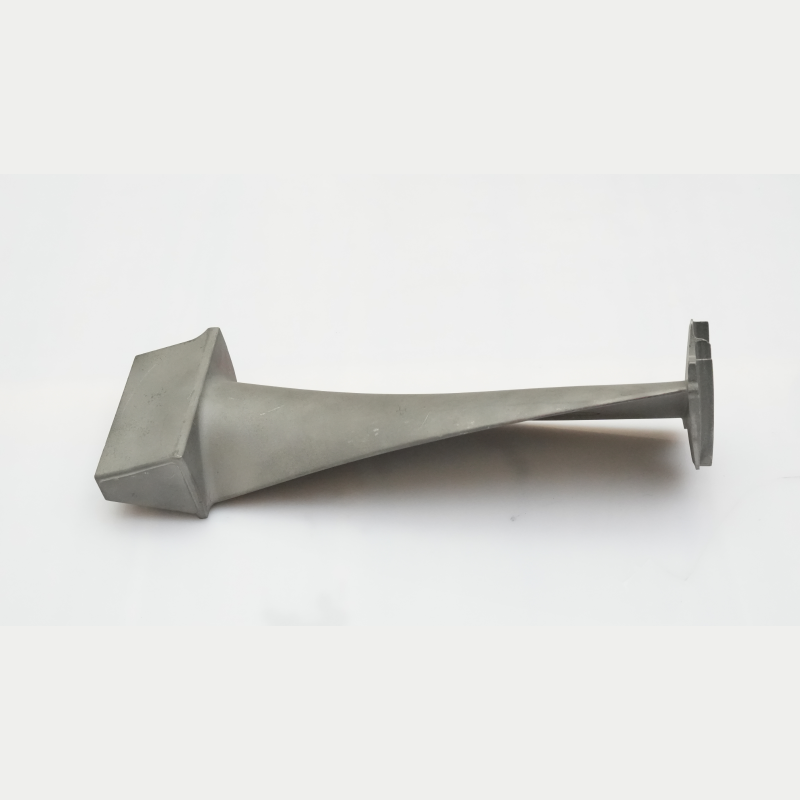
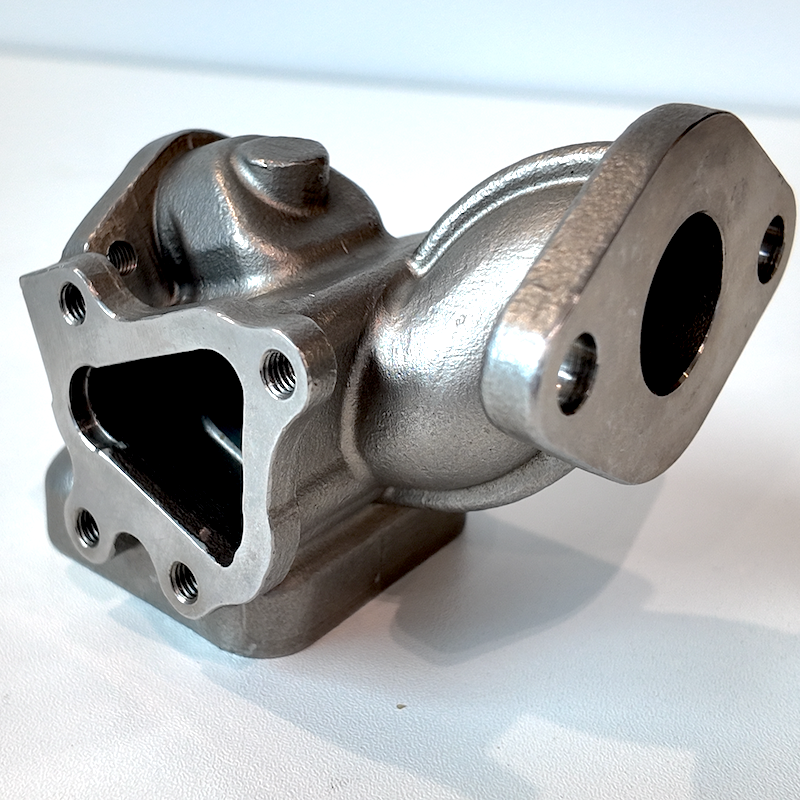
Integrated casting and machining solutions represent a comprehensive manufacturing approach that combines metal casting processes with precision machining operations under one unified service umbrella. This innovative methodology streamlines production by eliminating the traditional separation between foundry work and mechanical finishing, creating a seamless workflow from raw material to finished component. The main functions of integrated casting and machining solutions encompass pattern design, mold creation, metal pouring, heat treatment, and subsequent CNC machining operations including milling, turning, drilling, and grinding. By consolidating these processes, manufacturers can produce complex metal parts with intricate geometries while maintaining tight tolerances and superior surface finishes. Technological features of integrated casting and machining solutions include advanced CAD/CAM software integration, real-time quality control systems, automated material handling equipment, and state-of-the-art inspection technologies such as coordinate measuring machines and non-destructive testing apparatus. These systems employ various casting methods including sand casting, investment casting, die casting, and permanent mold casting, each selected based on specific project requirements. The machining phase utilizes multi-axis CNC equipment capable of handling diverse materials ranging from aluminum and brass to steel and exotic alloys. Applications for integrated casting and machining solutions span numerous industries including automotive manufacturing, aerospace engineering, marine equipment production, industrial machinery fabrication, energy sector components, agricultural equipment, and medical device manufacturing. These solutions prove particularly valuable for producing engine blocks, transmission housings, pump bodies, valve components, turbine parts, structural brackets, and custom industrial equipment. The integration ensures dimensional accuracy, reduces lead times, minimizes material waste, and provides customers with a single point of contact throughout the entire manufacturing process, significantly simplifying project management and quality assurance procedures while delivering cost-effective results.

New Products

Choosing integrated casting and machining solutions delivers substantial practical benefits that directly impact your bottom line and production efficiency. First, this approach dramatically reduces your overall project timeline because parts move seamlessly from casting to machining without transportation delays or coordination hassles between multiple vendors. You gain faster turnaround times, which means quicker product launches and improved market responsiveness. Second, working with a single provider for both casting and machining eliminates communication gaps that often cause errors and rework. You explain your requirements once, and the entire team understands your vision from start to finish, reducing misunderstandings and ensuring consistent quality throughout production. Third, integrated casting and machining solutions offer significant cost savings through streamlined logistics and reduced handling. You avoid duplicate setup fees, multiple shipping charges, and administrative overhead associated with managing separate suppliers. The consolidated approach also reduces material waste because casting parameters are optimized with final machining requirements in mind from the beginning. Fourth, quality control becomes more robust when one team oversees the entire process. Issues are identified and corrected immediately rather than discovered after parts have moved to another facility. This proactive quality management results in fewer defects, less scrap, and higher first-pass yield rates. Fifth, you benefit from enhanced design flexibility because engineers who understand both casting and machining can suggest modifications that improve manufacturability and reduce costs without compromising functionality. They can recommend wall thickness adjustments, draft angles, and machining allowances that optimize both processes simultaneously. Sixth, inventory management becomes simpler as you track orders with one supplier rather than coordinating between multiple vendors. This simplification reduces administrative burden and minimizes the risk of parts getting lost in transit between facilities. Seventh, integrated casting and machining solutions provide better traceability for compliance and quality documentation. Complete manufacturing records remain with one provider, making audits straightforward and ensuring regulatory requirements are met efficiently. Eighth, you gain access to comprehensive technical expertise under one roof, with specialists who collaborate to solve complex manufacturing challenges. This collective knowledge accelerates problem-solving and drives continuous improvement in your products. Finally, building a long-term relationship with a single integrated provider creates partnership advantages including priority scheduling, preferential pricing, and dedicated support that helps your business grow sustainably.

Tips And Tricks

Basic Principles Of Design Of Precision Casting Gating System

11

May

Basic Principles Of Design Of Precision Casting Gating System

View More
Selection And Application Scope Of Hardness Tester

11

May

Selection And Application Scope Of Hardness Tester

View More
Stainless Steel Castings for Building Facade Systems

11

May

Stainless Steel Castings for Building Facade Systems

View More
Precision Stainless Steel Exhaust Manifold Casting Solution For Luxury Sedan - With Japanese First-Tier Car Brand

11

May

Precision Stainless Steel Exhaust Manifold Casting Solution For Luxury Sedan - With Japanese First-Tier Car Brand

View More

Get a Free Quote

Our representative will contact you soon.
Email
Name
Company Name
Message
0/1000

integrated casting and machining solutions

Seamless Process Integration Eliminates Production Bottlenecks

Seamless Process Integration Eliminates Production Bottlenecks

The cornerstone advantage of integrated casting and machining solutions lies in their ability to create an uninterrupted manufacturing flow that eliminates traditional production bottlenecks. When casting and machining operations exist as separate entities, parts must be transported between facilities, inspected multiple times, and queued in different production schedules. Each transition point introduces delays, handling risks, and coordination challenges that extend lead times and increase costs. Integrated casting and machining solutions eliminate these friction points by housing all operations within a coordinated system where parts flow naturally from one process to the next without leaving the production environment. This seamless integration means that freshly cast components can move directly to machining stations while still maintaining optimal material properties, reducing the need for additional heat treatments and preserving dimensional stability. The production team can monitor parts continuously throughout their transformation, making real-time adjustments to casting parameters based on machining feedback and vice versa. This dynamic optimization is impossible when processes are separated across different vendors. Furthermore, integrated facilities can schedule casting and machining operations in tandem, ensuring that machine time is reserved precisely when cast parts will be ready, eliminating idle time and maximizing equipment utilization. The elimination of inter-facility transportation also removes risks of damage during shipping, loss of parts in transit, and the environmental impact associated with multiple freight movements. For customers, this translates to predictable delivery schedules, reduced total cycle time, and the ability to respond quickly to market demands or design changes. When modifications are needed, integrated providers can implement changes across both casting and machining processes simultaneously, maintaining consistency and accelerating iterations. The consolidated approach also simplifies project management dramatically, as customers work with a single project manager who coordinates all aspects of production rather than juggling communications with multiple vendors. This unified point of contact understands your complete requirements and can provide comprehensive updates without the fragmented information typical of multi-vendor relationships. The value proposition becomes especially compelling for complex components requiring tight tolerances, where the ability to control every manufacturing variable from initial mold creation through final surface finishing determines success or failure in meeting specifications.
Superior Quality Control Through Unified Manufacturing Oversight

Superior Quality Control Through Unified Manufacturing Oversight

Quality assurance reaches its highest level when integrated casting and machining solutions place all production stages under unified oversight and accountability. Traditional separated processes create quality control challenges because different vendors may interpret specifications differently, use varying measurement standards, or prioritize different quality attributes. When problems arise, determining responsibility becomes contentious, and corrective actions are delayed while vendors point fingers at each other. Integrated casting and machining solutions eliminate these quality risks by establishing a single quality management system that governs every production step from initial material verification through final inspection. Quality engineers who understand both casting metallurgy and precision machining can identify potential issues before they occur, implementing preventive measures that address root causes rather than symptoms. For example, if machining reveals internal porosity in cast components, the integrated team can immediately adjust casting parameters such as pouring temperature, gating design, or cooling rates without waiting for feedback loops between separate companies. This rapid response capability prevents defect propagation and maintains production momentum. Advanced quality control in integrated casting and machining solutions employs sophisticated measurement technologies including coordinate measuring machines, optical comparators, and surface roughness testers that verify dimensions and finishes throughout production rather than only at final inspection. Statistical process control methods track trends across both casting and machining operations, enabling predictive interventions that maintain processes within optimal parameters. Material traceability is comprehensive, with complete documentation linking finished parts back through machining operations to specific casting batches and raw material lots. This traceability proves invaluable for industries with strict regulatory requirements such as aerospace and medical devices, where complete manufacturing history must be available for audit and certification purposes. The integrated approach also facilitates more effective validation and qualification processes because protocol execution remains consistent under one quality system rather than requiring harmonization across multiple vendor procedures. Customers benefit from higher confidence in delivered parts, fewer warranty issues, and stronger defensibility in liability situations. The unified quality culture also drives continuous improvement more effectively because lessons learned in machining operations inform casting process enhancements and vice versa, creating a virtuous cycle of quality advancement that separated vendors cannot achieve.
Cost Efficiency Through Optimized Resource Utilization and Reduced Overhead

Cost Efficiency Through Optimized Resource Utilization and Reduced Overhead

The financial advantages of integrated casting and machining solutions extend far beyond simple price comparisons, encompassing systemic cost reductions that improve overall project economics and long-term competitiveness. When manufacturers coordinate casting and machining internally, they optimize resource allocation across both processes, eliminating the duplicate overhead costs inherent in multi-vendor relationships. Instead of two separate companies each maintaining sales teams, quality departments, and administrative staff to support your project, integrated providers spread these fixed costs across a unified operation, passing savings directly to customers. Material utilization improves dramatically because casting engineers design components with precise machining allowances rather than conservative overages typical when foundries work independently without detailed knowledge of subsequent machining requirements. This optimization reduces raw material consumption and machining time, cutting costs in both process stages. Integrated casting and machining solutions also enable more efficient production scheduling that minimizes work-in-process inventory and associated carrying costs. Rather than casting large batches to achieve economies of scale before shipping to separate machine shops, integrated facilities can produce smaller lots that move immediately to machining, reducing inventory investment and storage requirements. Energy efficiency gains materialize through coordinated heat treatment processes, where parts can leverage residual heat from casting for subsequent thermal processing rather than requiring complete reheating cycles. Transportation costs vanish when parts remain within a single facility, eliminating freight charges, packaging materials, and the administrative burden of managing logistics between multiple locations. The reduced handling also decreases damage and rejection rates, lowering total cost per acceptable part. Setup cost advantages emerge because engineering work for casting pattern creation and machining fixture design occurs collaboratively rather than sequentially, reducing total engineering hours and accelerating time-to-production. When design changes become necessary, integrated providers implement modifications across both processes simultaneously at lower total cost than coordinating separate change orders with multiple vendors. Volume flexibility represents another economic benefit, as integrated casting and machining solutions can economically produce smaller quantities that would be unviable when setup costs are duplicated across separate suppliers. This flexibility enables just-in-time manufacturing strategies that reduce inventory risk and improve cash flow. Long-term partnership with integrated providers also yields pricing stability and preferential treatment during capacity constraints, providing competitive advantages that compound over time and strengthen supply chain resilience.

Get a Free Quote

Our representative will contact you soon.
Email
Name
Company Name
Message
0/1000