Exceptional Versatility Across Materials and Design Complexity
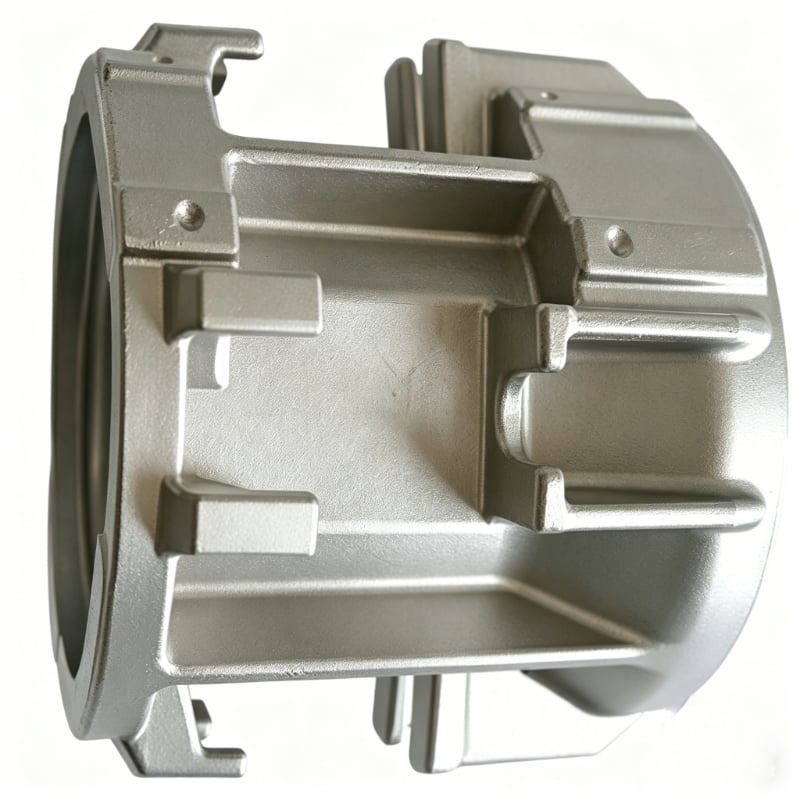
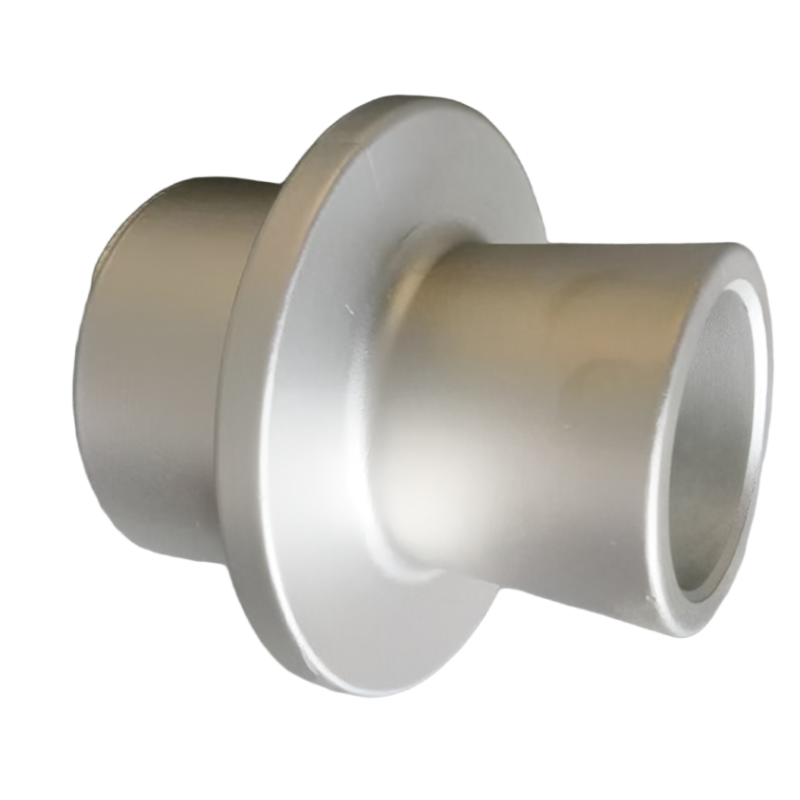
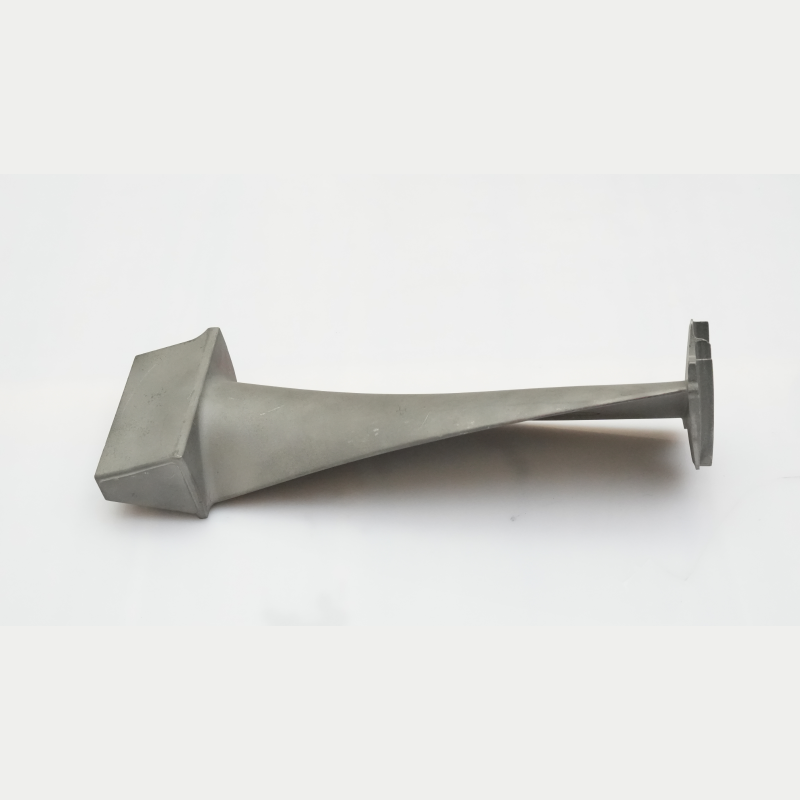
The remarkable versatility of CNC machining for automotive parts addresses diverse manufacturing challenges that automotive applications present. This adaptability spans both the materials processed and the geometric complexity achievable, making it an indispensable solution for modern vehicle production. Regarding materials, CNC systems handle everything from soft aluminum alloys used in engine blocks to exotic titanium alloys found in high-performance exhaust systems. Hardened tool steels for transmission gears, brass for electrical fittings, various grades of stainless steel for exhaust components, and engineering plastics for interior trim all machine successfully with appropriate tooling and parameter adjustments. This material flexibility matters greatly because optimal automotive design requires selecting the right material for each application based on strength, weight, corrosion resistance, thermal properties, and cost considerations. CNC machining for automotive parts accommodates these varied requirements without requiring completely different manufacturing equipment or processes. The geometric versatility proves equally impressive. Complex three-dimensional shapes with compound curves, deep pockets, thin walls, and intricate internal passages are produced routinely. Features impossible to create through casting or forging alone become achievable through CNC machining for automotive parts. Consider turbocharger housings with precisely contoured internal passages that optimize airflow, or cylinder heads with intricate coolant channels that manage thermal loads effectively. These components demand capabilities that only advanced CNC machining provides. The importance of this versatility extends to customization and specialized applications. Racing teams require unique components tailored to specific competition requirements. Restoration projects need replacement parts for vehicles no longer in production. Custom vehicle builders seek one-of-a-kind pieces that express individual design visions. CNC machining for automotive parts serves all these needs economically because programming changes replace expensive tooling investments. The value delivered to customers includes problem-solving capabilities that overcome design constraints. Engineers can specify optimal solutions without artificially limiting designs to what conventional manufacturing can produce. Complex assemblies sometimes consolidate into single machined components, reducing part counts, eliminating fasteners, and improving reliability. Manufacturers gain flexibility to respond to market demands quickly, introducing new products or variants without lengthy preparation periods. The versatility of CNC machining for automotive parts also supports continuous improvement initiatives. Design modifications implement rapidly, allowing iterative refinement based on testing results or customer feedback. This adaptability proves crucial in competitive automotive markets where innovation drives success and customer preferences evolve constantly. Ultimately, this versatility transforms manufacturing from a constraint into an enabler of better automotive design and performance.

 EN
EN