CNC Machined Metal Parts - Precision Components for Superior Manufacturing Quality

Get a Free Quote

Our representative will contact you soon.
Email
Name
Mobile
Company Name
Message
0/1000

cnc machined metal parts

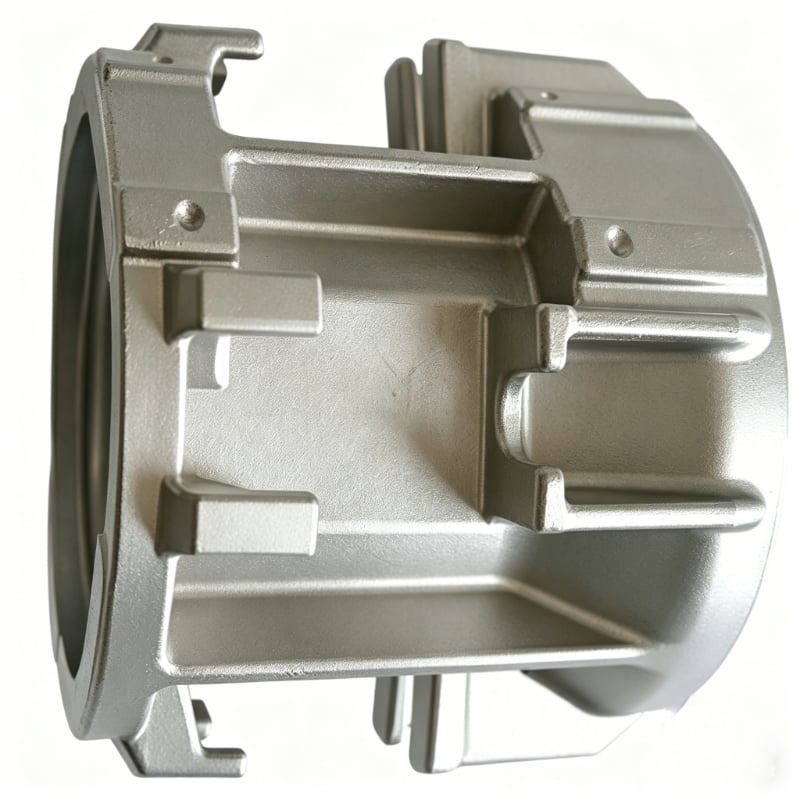
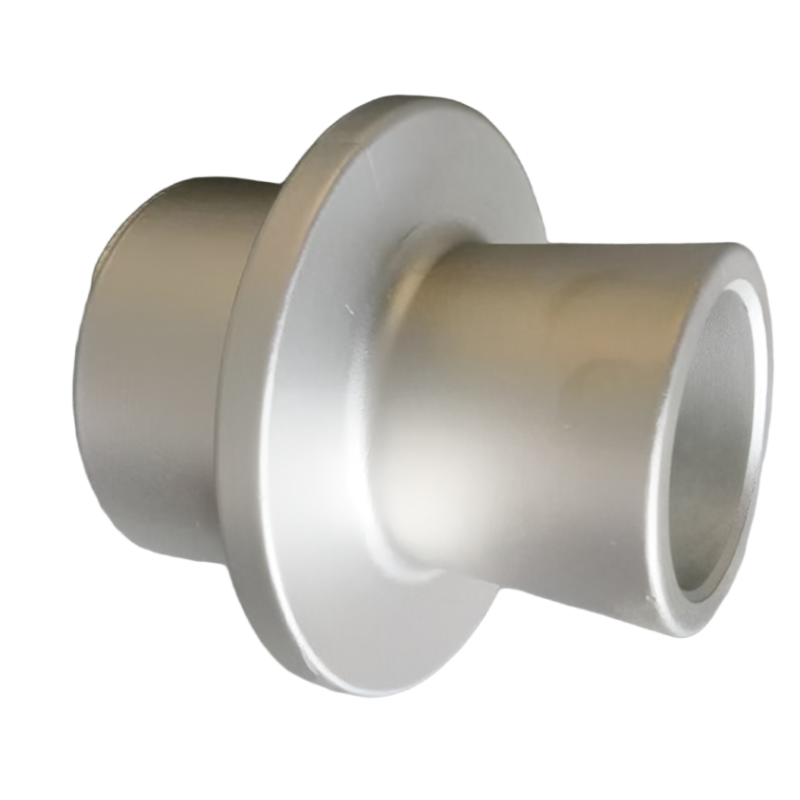
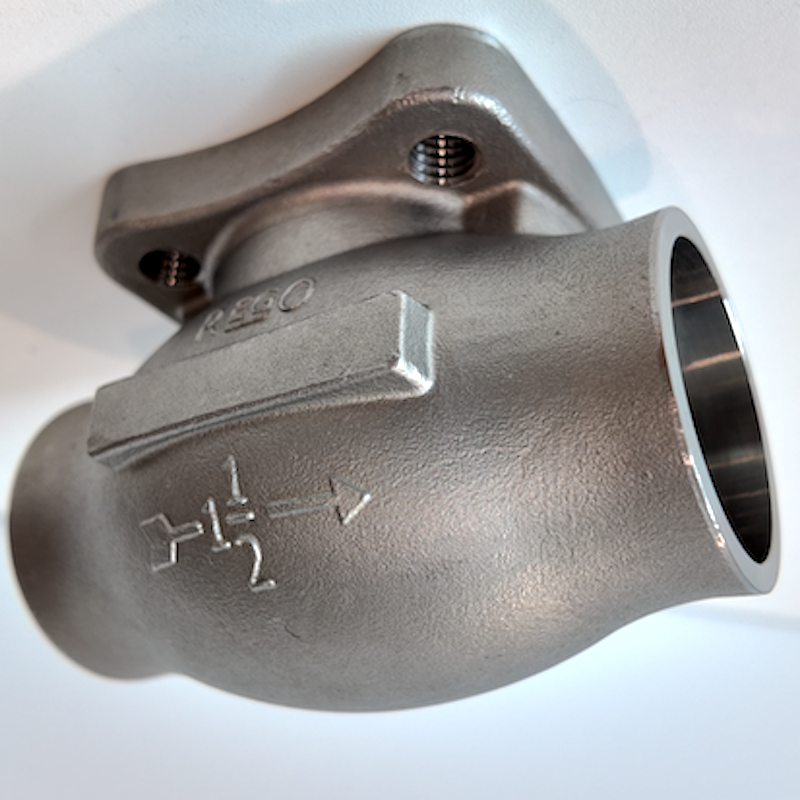
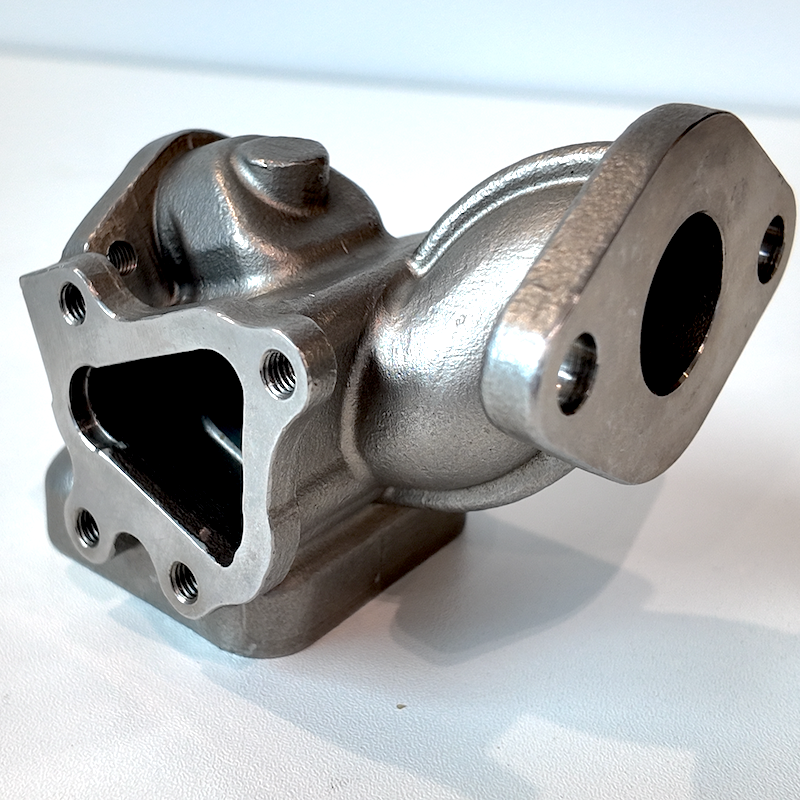
CNC machined metal parts represent precision-engineered components manufactured through computer numerical control technology that transforms raw metal materials into exact specifications required for diverse industrial applications. This advanced manufacturing process utilizes pre-programmed computer software to control machinery tools, mills, lathes, and grinders that shape metal with exceptional accuracy. The main functions of cnc machined metal parts include providing structural integrity, enabling mechanical movement, facilitating electrical conductivity, and ensuring thermal management across various systems. These components serve as critical building blocks in everything from aerospace assemblies to medical devices, automotive systems to consumer electronics. The technological features that distinguish cnc machined metal parts include tolerances as tight as 0.001 inches, repeatability that ensures consistency across thousands of units, multi-axis capabilities that allow complex geometries, and compatibility with numerous metal alloys including aluminum, stainless steel, brass, copper, titanium, and specialized materials. Modern CNC machining centers can perform multiple operations in a single setup, incorporating milling, drilling, tapping, boring, and turning processes without manual intervention. This automation eliminates human error while maximizing precision throughout production runs. Applications for cnc machined metal parts span virtually every manufacturing sector where dimensional accuracy matters. In aerospace, these parts form critical components of engines, landing gear, and flight control systems where failure is not an option. Medical equipment manufacturers rely on cnc machined metal parts for surgical instruments, implantable devices, and diagnostic equipment housings. The automotive industry incorporates these precision components in engine blocks, transmission housings, suspension systems, and braking mechanisms. Electronics manufacturers use cnc machined metal parts for heat sinks, enclosures, connectors, and mounting brackets. Industrial machinery, robotics, telecommunications equipment, and defense systems all depend on the reliability and precision that cnc machined metal parts deliver consistently.

New Product Releases

The advantages of cnc machined metal parts deliver tangible benefits that directly impact your product quality, production efficiency, and bottom line profitability. First, precision accuracy ensures that every component meets exact specifications without deviation, eliminating the costly rework and rejection rates associated with traditional manufacturing methods. When you order cnc machined metal parts, you receive components that fit perfectly the first time, reducing assembly time and minimizing quality control expenses. Second, production speed accelerates your time to market because CNC machines operate continuously with minimal supervision, running 24 hours daily when needed to meet demanding deadlines. This rapid manufacturing capability means you can respond quickly to customer orders, capitalize on market opportunities, and maintain competitive advantages in fast-moving industries. Third, material versatility gives you freedom to select the optimal metal for each application without changing manufacturing processes, whether you need lightweight aluminum for portable devices, corrosion-resistant stainless steel for marine environments, or high-strength titanium for aerospace components. Fourth, design flexibility allows engineers to create complex geometries that would be impossible or prohibitively expensive using conventional machining methods, enabling innovation in product development without manufacturing constraints limiting creativity. Fifth, consistency guarantees that the thousandth cnc machined metal part matches the first one identically, providing reliability in mass production that builds customer confidence and reduces warranty claims. Sixth, cost efficiency emerges through reduced labor requirements, minimized material waste, and elimination of expensive tooling changes, making small batch production economically viable alongside large volume runs. Seventh, surface finish quality comes directly from the machine without requiring secondary operations in many cases, saving time and preserving dimensional accuracy while achieving aesthetic requirements. Eighth, scalability permits you to start with prototype quantities and seamlessly transition to full production volumes using the same manufacturing process and specifications, reducing development risks and ensuring product consistency from initial samples through market launch. Ninth, documentation provides complete traceability with digital records of every manufacturing parameter, supporting quality certifications and regulatory compliance requirements in regulated industries. These practical advantages translate directly into reduced costs, faster delivery, superior quality, and greater customer satisfaction that strengthens your market position and supports business growth objectives.

Practical Tips

Why Do Manufacturers Prefer a Silica Sol Investment Casting Supplier for Complex Metal Parts?

05

Jun

Why Do Manufacturers Prefer a Silica Sol Investment Casting Supplier for Complex Metal Parts?

When precision, surface quality, and dimensional accuracy are non-negotiable, manufacturers consistently turn to a trusted silica sol investment casting supplier. This decision is rarely arbitrary. It is driven by a deep understanding of what silica ...
View More
What Factors Affect Surface Finish Quality in Medium Temperature Wax Casting Processes?

05

Jun

What Factors Affect Surface Finish Quality in Medium Temperature Wax Casting Processes?

Surface finish quality is one of the most critical performance indicators in precision investment casting, and it is directly shaped by the variables embedded in the medium temperature wax casting process. Unlike standard casting methods, medium temp...
View More
How Do OEM ODM Precision Casting Services Support Flexible Design and Rapid Prototyping?

26

Jun

How Do OEM ODM Precision Casting Services Support Flexible Design and Rapid Prototyping?

Figure 1: Custom Valve Body Fabricated via Precision Investment Casting, Featuring Crisp Surface Details and Net-Shape Integrity. In today's fast-evolving manufacturing landscape, the ability to move from concept to production-ready component quickly...
View More
Why Are Stainless Steel Investment Castings Preferred for Corrosion Resistant Applications?

26

Jun

Why Are Stainless Steel Investment Castings Preferred for Corrosion Resistant Applications?

In demanding industrial environments where moisture, chemicals, and extreme temperatures are constant threats, material selection is one of the most critical engineering decisions a manufacturer can make. Among the available manufacturing methods, st...
View More

Get a Free Quote

Our representative will contact you soon.
Email
Name
Mobile
Company Name
Message
0/1000

cnc machined metal parts

Unmatched Precision and Dimensional Accuracy

Unmatched Precision and Dimensional Accuracy

The precision capabilities of cnc machined metal parts establish new standards for dimensional accuracy that traditional manufacturing simply cannot match, delivering measurable benefits throughout your product lifecycle. Computer-controlled machining eliminates the variables and inconsistencies inherent in manual operations, where operator fatigue, skill variations, and human judgment affect outcomes. Instead, cnc machined metal parts achieve tolerances as tight as plus or minus 0.0005 inches routinely, with specialized applications reaching even finer precision when specifications demand. This accuracy level means that mating components fit together perfectly without gaps, misalignments, or interference issues that compromise assembly efficiency or product performance. For manufacturers, this precision translates into dramatically reduced rejection rates during quality inspection, virtually eliminating the expensive scrap and rework that erode profit margins. The repeatability inherent in CNC manufacturing ensures that every cnc machined metal part in a production run maintains identical dimensions, so the first piece and the ten-thousandth piece interchange seamlessly in assembly operations. This consistency proves particularly valuable in industries where component interchangeability is critical, such as aerospace maintenance operations that require replacement parts to function identically to original equipment decades after initial production. The dimensional stability of cnc machined metal parts also extends product lifespan because precisely fitted components minimize wear, reduce vibration, and prevent premature failure modes associated with loose tolerances. Engineering teams gain confidence to design products with tighter clearances and more efficient packaging, knowing that manufacturing capabilities will deliver the accuracy their designs require. Quality control processes become more streamlined because cnc machined metal parts consistently pass inspection criteria, reducing the time and resources devoted to measurement and verification activities. The precision advantage also enables lighter weight designs because engineers can specify minimum material thickness with confidence that manufacturing variations will not compromise structural integrity. In medical applications, this accuracy ensures that implantable cnc machined metal parts integrate seamlessly with human anatomy, while in optical systems, precision mounting surfaces maintain critical alignments that determine performance. The investment in cnc machined metal parts pays dividends through reduced warranty claims, enhanced customer satisfaction, and brand reputation built on reliability that precision manufacturing makes possible.
Superior Material Properties and Finish Quality

Superior Material Properties and Finish Quality

The material integrity and surface characteristics of cnc machined metal parts provide functional advantages that extend far beyond aesthetic considerations, directly impacting performance, durability, and application suitability. Unlike casting or forming processes that can introduce porosity, inclusions, or grain structure irregularities, cnc machined metal parts begin with high-quality metal stock that maintains consistent properties throughout the component. The machining process preserves these inherent material characteristics while creating precise geometries, ensuring that mechanical properties like tensile strength, hardness, and fatigue resistance meet design specifications reliably. This material consistency proves critical in structural applications where component failure could have catastrophic consequences, giving engineers confidence in performance predictions based on published material data. The surface finish achieved through CNC machining ranges from functional roughness specifications to mirror-polish quality, depending on application requirements, all accomplished through controlled cutting parameters without requiring separate finishing operations in many cases. Smooth surfaces on cnc machined metal parts reduce friction in moving assemblies, minimizing wear and extending service intervals while improving energy efficiency. In fluid handling applications, fine surface finishes enable laminar flow, reduce pressure drops, and prevent particle entrapment that could cause contamination or system failure. The absence of draft angles, parting lines, and other artifacts from alternative manufacturing processes means cnc machined metal parts offer complete design freedom for optimal functionality rather than compromises dictated by manufacturing limitations. Corrosion resistance benefits from quality surface finishes because smooth surfaces provide fewer initiation sites for oxidation and chemical attack, particularly important in marine, chemical processing, and outdoor applications. The work hardening that occurs during machining can actually enhance surface properties, creating a wear-resistant skin that improves durability without additional treatments. Heat dissipation improves with the excellent surface contact that precision cnc machined metal parts achieve, critical for electronics cooling and thermal management applications. Material selection flexibility allows specifying exotic alloys for extreme environments, with CNC machining accommodating everything from soft brass to hardened tool steels and superalloys. The combination of material integrity and surface quality in cnc machined metal parts delivers reliability that reduces maintenance costs, extends replacement intervals, and enhances overall system performance across demanding applications.
Rapid Production Flexibility and Economic Efficiency

Rapid Production Flexibility and Economic Efficiency

The production versatility and cost effectiveness of cnc machined metal parts revolutionize manufacturing economics by eliminating traditional barriers between prototyping and production while optimizing resource utilization. Unlike processes requiring expensive dedicated tooling, hard tooling, or molds that lock you into specific designs and minimum quantities, CNC machining uses standard cutting tools and fixtures that adapt quickly to different cnc machined metal parts without significant setup costs. This flexibility means prototype development proceeds rapidly because you can test design iterations without waiting weeks for tooling fabrication or investing thousands of dollars before seeing the first sample. Design modifications incorporate easily by simply updating the computer program, allowing engineering changes to implement within hours rather than the weeks or months required when tooling changes are necessary. For businesses, this agility translates into faster time to market, reduced development costs, and ability to respond to customer feedback during product refinement stages. The economic advantages extend to production volumes because cnc machined metal parts remain cost-competitive even for small and medium batch sizes that would be prohibitively expensive using traditional manufacturing methods. You can economically produce exactly the quantity needed without pressure to order excessive inventory to justify tooling investments, improving cash flow and reducing warehousing costs. Material efficiency in CNC machining minimizes waste because computer-optimized tool paths remove only necessary material, and metal chips generated during machining retain value for recycling, offsetting material costs. The unattended operation capability of modern CNC equipment means cnc machined metal parts can be produced during nights and weekends without labor cost premiums, maximizing equipment utilization and reducing per-piece costs. Multi-axis machining centers complete complex cnc machined metal parts in single setups, eliminating the time, handling, and accuracy losses associated with multiple operations and fixtures. Production scheduling gains flexibility because CNC machines switch between different part numbers quickly, allowing mixed production runs that respond to actual demand rather than forcing long runs of single items. Quality costs decrease dramatically because the inherent accuracy of cnc machined metal parts reduces inspection requirements, eliminates rework, and minimizes scrap rates that burden conventional manufacturing. The digital nature of CNC programming creates permanent documentation that ensures future production runs exactly replicate initial specifications, providing consistency across years of production without the knowledge loss and variation drift common in manual manufacturing processes.

Get a Free Quote

Our representative will contact you soon.
Email
Name
Mobile
Company Name
Message
0/1000