Precision CNC Machined Metal Parts - Custom Manufacturing Solutions for Every Industry

Get a Free Quote

Our representative will contact you soon.
Email
Name
Company Name
Message
0/1000

cnc machined metal parts

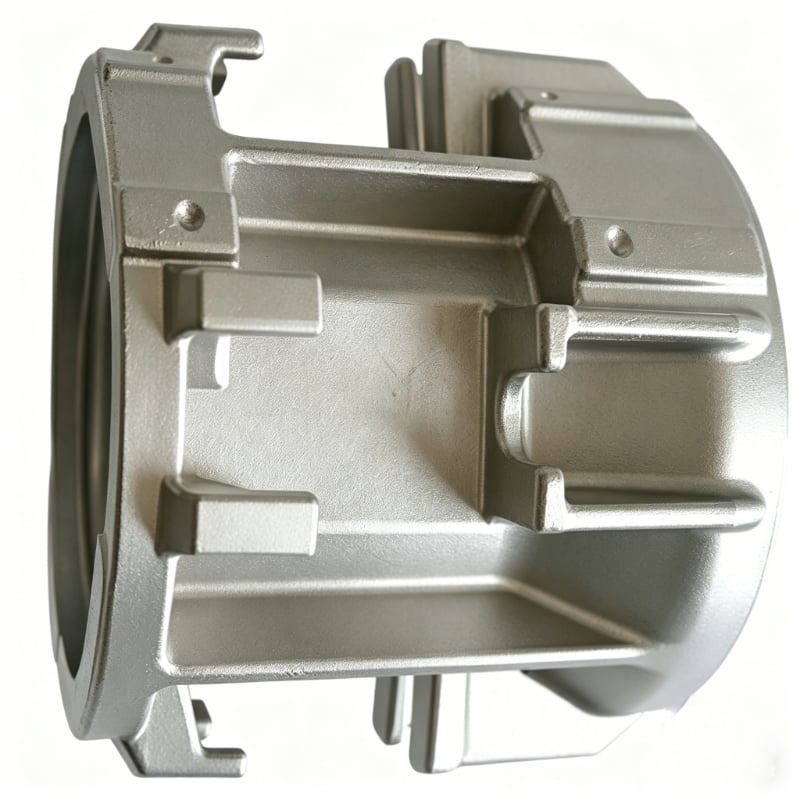
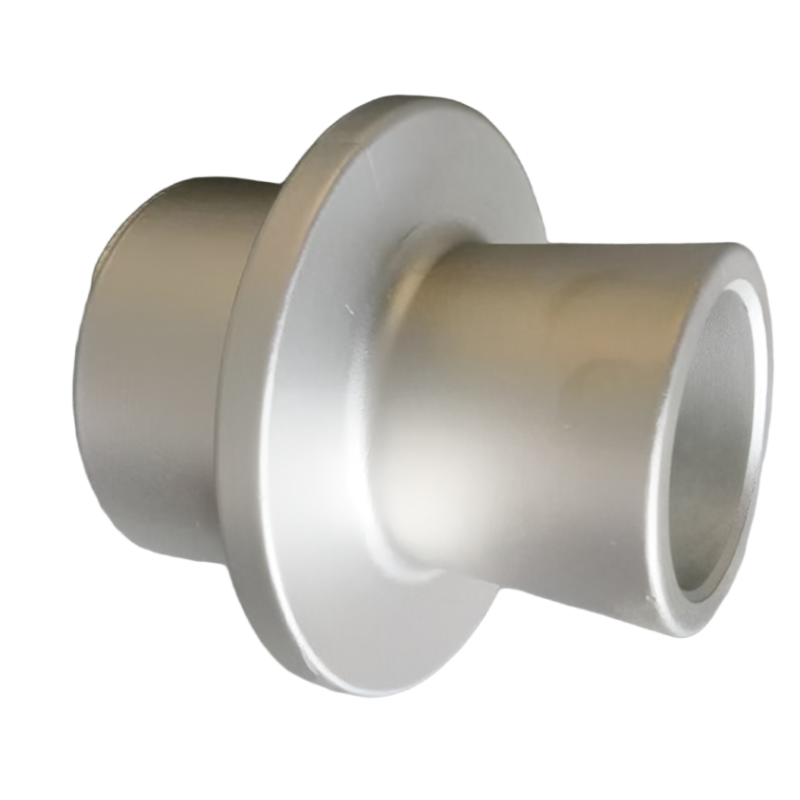
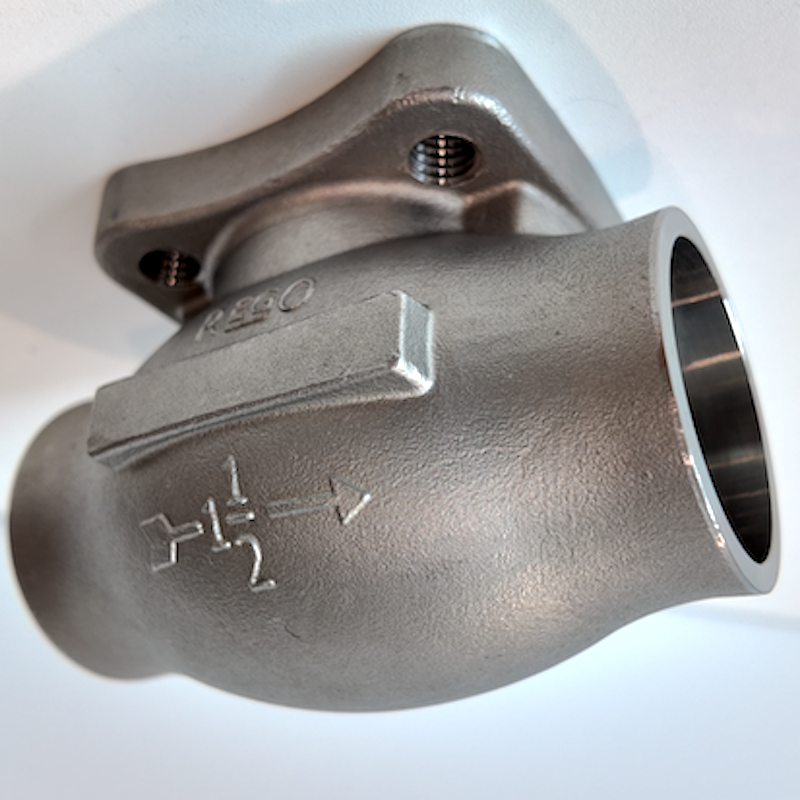
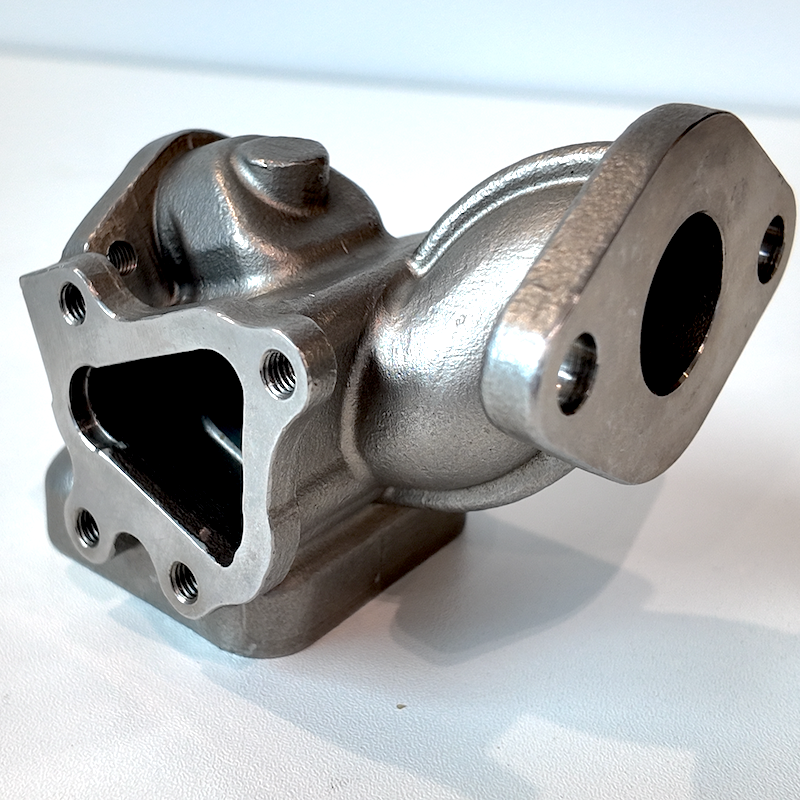
CNC machined metal parts represent a cornerstone of modern manufacturing, delivering precision-engineered components that serve countless industries worldwide. Computer Numerical Control machining transforms raw metal materials into finished products through automated cutting, drilling, milling, and turning operations controlled by programmed instructions. This manufacturing method produces metal components with exceptional accuracy, consistency, and repeatability that manual machining simply cannot achieve. The process begins with digital design files that guide sophisticated machinery to remove material from metal blocks, sheets, or bars until the desired shape emerges. CNC machined metal parts can be fabricated from aluminum, steel, brass, copper, titanium, and various specialized alloys, each selected for specific performance characteristics. The technology excels at creating complex geometries, intricate details, and tight tolerances that might measure within thousandths of an inch. Industries ranging from aerospace and automotive to medical devices and electronics rely heavily on these precision components. The versatility of CNC machining allows manufacturers to produce everything from tiny fasteners and connectors to large structural brackets and housings. Modern CNC equipment operates with multiple axes of movement, enabling the creation of sophisticated three-dimensional shapes that would be impossible through conventional methods. The technological advancement in CNC machined metal parts continues to evolve with improved software, faster machines, and enhanced tooling systems. Quality control measures integrate seamlessly into the production process, with automated inspection ensuring every component meets exact specifications. This manufacturing approach supports both prototype development and high-volume production runs, making it suitable for businesses of all sizes. The application scope spans industrial machinery, consumer products, defense equipment, renewable energy systems, and countless other sectors that demand reliable metal components with precise dimensions and superior surface finishes.

New Product Releases

Choosing CNC machined metal parts offers numerous practical benefits that directly impact your bottom line and product quality. First and foremost, the precision achieved through computer-controlled machining eliminates human error and ensures every component matches your exact specifications. This accuracy translates to better-fitting assemblies, reduced waste, and fewer rejected parts during quality inspection. The repeatability of CNC machined metal parts means that whether you order ten pieces or ten thousand, each one will be virtually identical to the others. This consistency proves invaluable when you need replacement parts or when scaling production volumes. The speed of CNC machining dramatically reduces lead times compared to traditional manufacturing methods. Once programming is complete, machines can run continuously with minimal supervision, producing parts around the clock. This efficiency helps you meet tight deadlines and respond quickly to market demands. Material versatility stands as another significant advantage, as CNC equipment handles various metals without requiring extensive retooling. You can switch between aluminum, stainless steel, or brass projects relatively quickly, giving you flexibility in material selection based on performance requirements and budget constraints. The surface finish quality of CNC machined metal parts often eliminates or minimizes secondary operations like polishing or deburring. Smooth surfaces and clean edges come straight from the machine, saving additional processing time and expense. Complex designs that would challenge conventional manufacturing become straightforward with CNC technology. Internal cavities, undercuts, precise angles, and intricate patterns are all achievable without specialized fixtures or complicated setups. Cost efficiency improves significantly, especially for medium to large production runs. While initial programming requires investment, the automated nature reduces labor costs per unit as volume increases. The reduction in material waste also contributes to cost savings, as CNC machines optimize cutting paths to use raw materials efficiently. Customization becomes economically viable since design changes only require software adjustments rather than physical tool modifications. Quality assurance improves because CNC machined metal parts maintain dimensional stability throughout production runs. The controlled environment and precise movements prevent variations that might occur with manual operations. This reliability means fewer quality issues, less rework, and greater customer satisfaction. The technology also supports rapid prototyping, allowing you to test designs quickly before committing to full production. You can iterate designs efficiently, making improvements based on actual physical parts rather than theoretical models alone.

Practical Tips

Basic Principles Of Design Of Precision Casting Gating System

11

May

Basic Principles Of Design Of Precision Casting Gating System

View More
Selection And Application Scope Of Hardness Tester

11

May

Selection And Application Scope Of Hardness Tester

View More
Stainless Steel Castings for Architectural Posts

11

May

Stainless Steel Castings for Architectural Posts

View More
Precision Stainless Steel Exhaust Manifold Casting Solution For Luxury Sedan - With Japanese First-Tier Car Brand

11

May

Precision Stainless Steel Exhaust Manifold Casting Solution For Luxury Sedan - With Japanese First-Tier Car Brand

View More

Get a Free Quote

Our representative will contact you soon.
Email
Name
Company Name
Message
0/1000

cnc machined metal parts

Unmatched Precision and Dimensional Accuracy

Unmatched Precision and Dimensional Accuracy

The precision capabilities of CNC machined metal parts set them apart as the premier choice for applications demanding exact specifications. Modern CNC equipment achieves tolerances as tight as plus or minus 0.0001 inches, a level of accuracy that ensures perfect functionality in critical applications. This microscopic precision matters tremendously in industries like aerospace, where even minute deviations can compromise safety and performance. Medical device manufacturers depend on this accuracy to create implants and surgical instruments that must fit perfectly within biological constraints. The computer-controlled nature of the process eliminates the variability inherent in manual operations, where operator fatigue, skill differences, or environmental factors might introduce inconsistencies. CNC machines follow programmed instructions with unwavering precision, executing the same movements with identical results across thousands of cycles. This reliability proves essential when components must integrate seamlessly into larger assemblies. Consider automotive applications where engine parts must mate with exact clearances to prevent leaks, reduce friction, and maximize efficiency. The dimensional stability of CNC machined metal parts ensures that bearings seat properly, gears mesh smoothly, and seals create perfect interfaces. Electronic enclosures benefit from precise dimensions that guarantee proper alignment of circuit boards, connectors, and mounting hardware. The accuracy extends beyond external dimensions to include internal features like threaded holes, counterbores, and precision-located mounting points. Each feature maintains its specified position relative to others, creating parts that function as designed without requiring manual adjustment or fitting. Quality control becomes more straightforward because CNC machined metal parts exhibit minimal variation between pieces. Inspection processes can use automated measurement systems that quickly verify dimensions against CAD models. When parts consistently meet specifications, assembly operations flow smoothly without delays caused by fitment issues. The precision also enables the creation of parts with optimized weight distribution and material usage. Engineers can specify thin walls, precise radii, and carefully calculated geometries knowing the manufacturing process will faithfully reproduce their designs. This capability supports lightweighting initiatives crucial in transportation applications where every gram matters for fuel efficiency. The long-term performance advantages of precision-made components include reduced wear, lower maintenance requirements, and extended service life, all stemming from proper fit and function.
Superior Material Properties and Finish Quality

Superior Material Properties and Finish Quality

CNC machined metal parts deliver exceptional material integrity and surface characteristics that directly influence performance and longevity. Unlike casting or molding processes that might introduce porosity or internal stresses, CNC machining works with solid metal stock that maintains consistent material properties throughout. This structural integrity ensures predictable mechanical behavior under stress, heat, and dynamic loading conditions. The machining process preserves the grain structure of metals, maintaining the strength and durability inherent in the raw material. Surface finish quality achieved through CNC machining often rivals or exceeds that of ground or polished parts, depending on tooling selection and machining parameters. Smooth surfaces reduce friction in moving parts, minimize wear, and improve aesthetic appeal for visible components. The finish quality also affects corrosion resistance, as smoother surfaces provide fewer nucleation sites for oxidation or chemical attack. Manufacturers can specify surface roughness values, and CNC operations will consistently achieve those targets across all parts in a production run. This control over surface characteristics proves valuable in hydraulic and pneumatic applications where sealing surfaces must meet specific smoothness requirements to prevent leakage. The ability to work with various metal alloys expands design possibilities significantly. Aluminum offers lightweight strength ideal for aerospace and portable equipment. Stainless steel provides corrosion resistance essential for medical, food processing, and marine applications. Titanium combines strength with biocompatibility for implantable medical devices. Brass machines beautifully and offers excellent electrical conductivity for connectors and terminals. Each material brings specific advantages, and CNC technology accommodates them all without compromising precision. The machining process also allows for selective hardening and heat treatment of specific areas while maintaining tight tolerances elsewhere. Parts can undergo additional processing like anodizing, plating, or coating after machining, with the precise dimensions providing ideal substrates for these treatments. The material removal process creates stress-free components compared to forming operations that might introduce residual stresses leading to warping or dimensional instability over time. This stability ensures CNC machined metal parts maintain their specifications throughout their service life, even when exposed to temperature variations or mechanical loading. The versatility in material selection combined with superior finish quality makes these components suitable for applications ranging from decorative architectural hardware to demanding industrial machinery where both appearance and performance matter equally.
Scalability and Economic Efficiency Across Production Volumes

Scalability and Economic Efficiency Across Production Volumes

CNC machined metal parts offer remarkable economic advantages and production flexibility that adapt to your specific business needs, whether producing prototypes or manufacturing thousands of units. The digital nature of CNC programming means that transitioning from prototype to production requires no physical tooling changes, eliminating the substantial costs associated with mold creation or dedicated fixtures. This characteristic makes low-volume production economically viable, allowing small businesses and startups to access precision metal components without prohibitive upfront investments. For prototype development, CNC machining enables rapid iteration cycles where design modifications translate directly into updated programs, and new parts emerge within hours rather than weeks. This speed accelerates product development timelines, helping you reach market faster than competitors relying on traditional manufacturing methods. As production volumes increase, the per-unit cost of CNC machined metal parts decreases substantially because programming and setup costs distribute across more pieces. The automated nature of CNC operations reduces direct labor requirements, with single operators often supervising multiple machines simultaneously. This efficiency translates to competitive pricing even for complex parts with extensive machining requirements. The consistency of CNC production eliminates the scrap and rework costs that plague less precise manufacturing methods. When every part meets specifications on the first attempt, material utilization improves dramatically, and quality assurance expenses decrease. The technology also supports just-in-time manufacturing strategies, where parts are produced as needed rather than requiring large inventory stockpiles that tie up capital. Quick changeover capabilities mean production schedules can accommodate mixed part runs efficiently, manufacturing different components sequentially without lengthy downtime between jobs. This flexibility proves invaluable for companies serving diverse markets or offering customized products. The long-term economic benefits extend beyond immediate production costs to include reduced warranty claims and improved customer satisfaction resulting from consistently high-quality parts. Equipment durability and reliability mean CNC machined metal parts contribute to overall system longevity, decreasing total cost of ownership for end users. The investment in CNC technology also future-proofs manufacturing capabilities, as software updates and tooling improvements continuously enhance capabilities without requiring complete equipment replacement. For businesses evaluating manufacturing options, the scalability of CNC machining provides a clear path from initial concept through high-volume production, all while maintaining the precision and quality that distinguish premium products in competitive markets. The economic efficiency becomes particularly apparent in industries with frequent design updates or seasonal demand fluctuations, where the flexibility to adjust production volumes without financial penalties provides significant competitive advantage.

Get a Free Quote

Our representative will contact you soon.
Email
Name
Company Name
Message
0/1000