Investment Casting with CNC Machining: Precision Metal Parts Manufacturing Solutions

Get a Free Quote

Our representative will contact you soon.
Email
Name
Company Name
Message
0/1000

investment casting with cnc machining

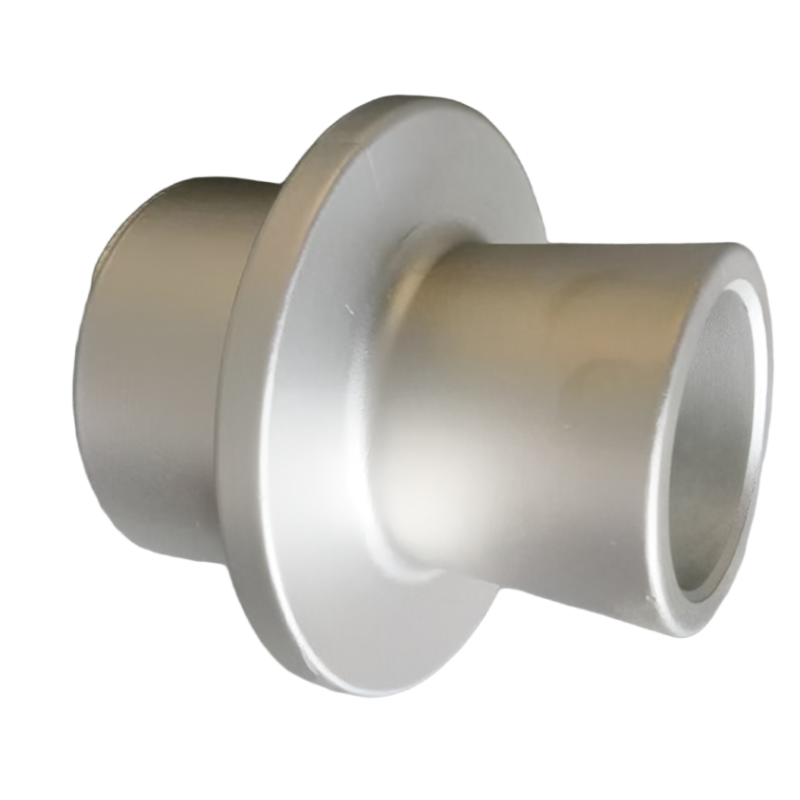
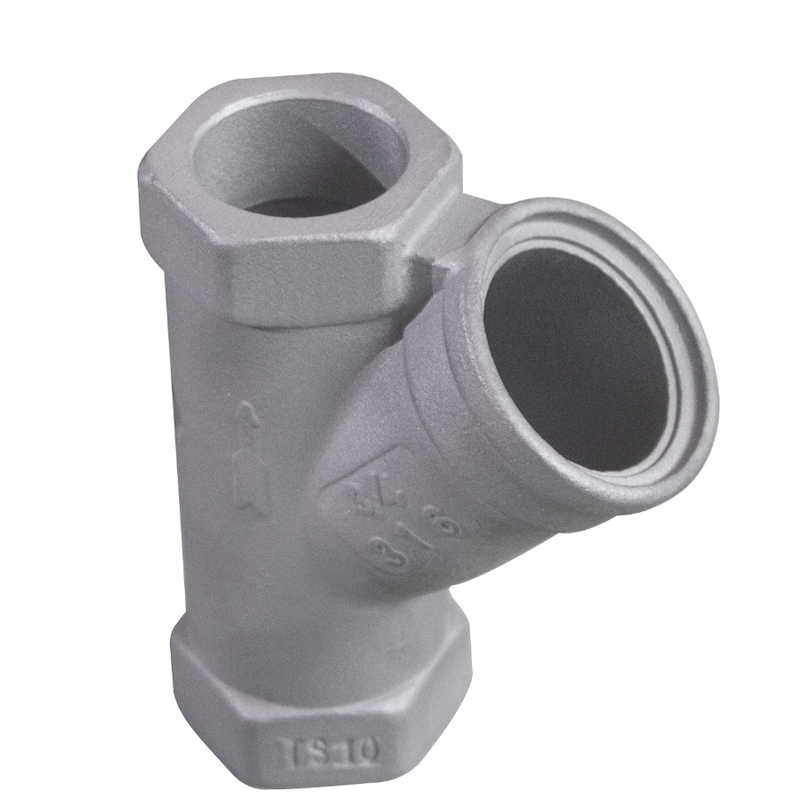
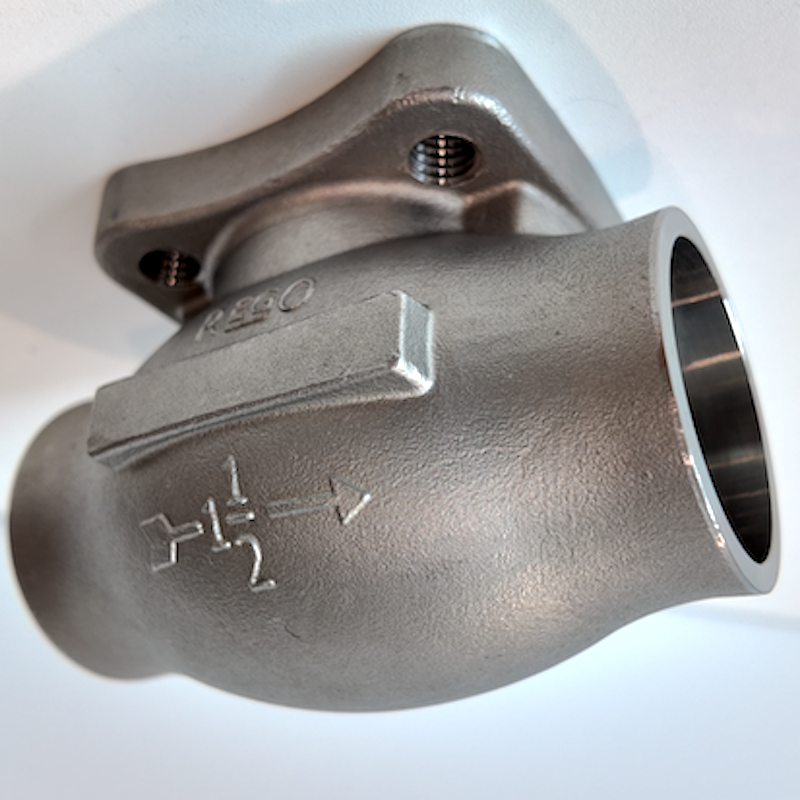
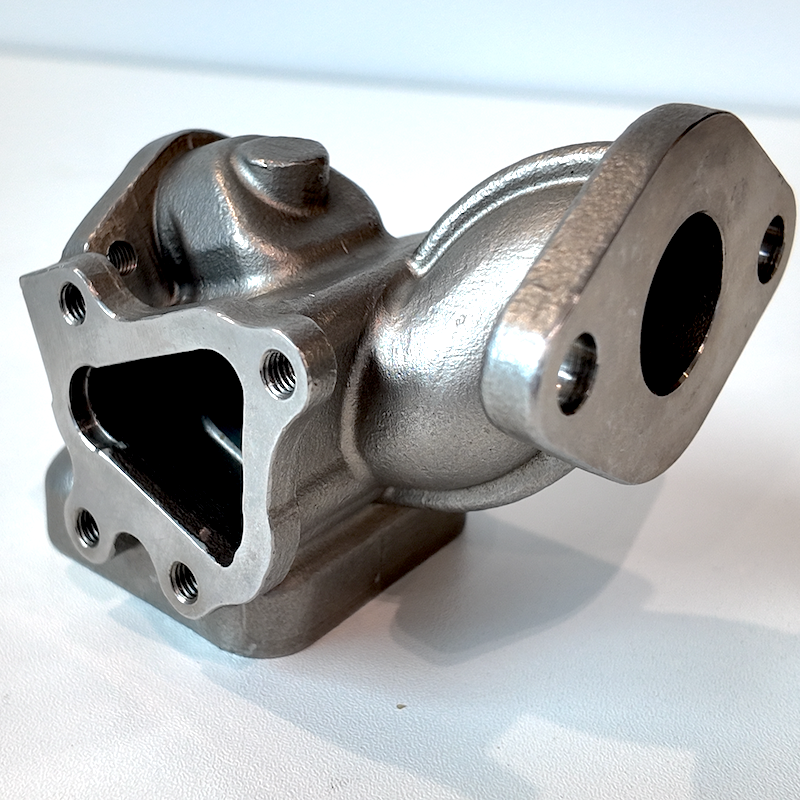
Investment casting with CNC machining represents a powerful manufacturing combination that delivers exceptional precision and quality for complex metal components. This integrated approach merges the design flexibility of investment casting with the tight tolerances of computer numerical control machining to produce parts that meet demanding specifications across various industries. Investment casting, also known as lost-wax casting, begins by creating a wax pattern that replicates the desired component. This pattern gets coated with ceramic material to form a mold, and once the ceramic hardens, the wax melts away, leaving a cavity for molten metal. After pouring and solidifying the metal, the ceramic shell breaks away to reveal the cast part. However, investment casting with CNC machining takes this process further by adding precision machining operations to refine critical features, surfaces, and dimensions. The main functions of investment casting with CNC machining include producing intricate geometries that would be difficult or impossible to achieve through machining alone, while simultaneously ensuring that critical dimensions meet exact specifications through subsequent CNC operations. This combined methodology offers technological features such as near-net-shape casting that minimizes material waste, followed by multi-axis CNC machining for precision finishing of specific features like threads, bores, mounting surfaces, and tight-tolerance dimensions. The process accommodates a wide range of metal alloys including stainless steel, carbon steel, aluminum, bronze, and specialty alloys. Applications span numerous sectors: aerospace components like turbine blades and structural fittings, medical devices including surgical instruments and implants, automotive parts such as transmission components and engine parts, industrial machinery components, defense equipment, and oil and gas industry hardware. The versatility of investment casting with CNC machining makes it ideal for both prototype development and high-volume production runs, offering manufacturers a cost-effective solution for complex parts that demand both intricate shapes and precise specifications.

New Products

Choosing investment casting with CNC machining delivers significant practical benefits that directly impact your bottom line and product quality. This combined manufacturing approach reduces overall production costs by minimizing material waste, as investment casting creates near-net-shape parts that require less machining stock removal compared to parts machined from solid billets. You save money on raw materials while also reducing machining time, which translates to lower labor costs and faster turnaround times. The design freedom offered by investment casting with CNC machining allows you to consolidate multiple components into a single part, eliminating assembly steps, reducing inventory complexity, and improving overall product reliability by minimizing potential failure points. Your products benefit from superior surface finishes and dimensional accuracy, with investment casting providing smooth as-cast surfaces on most features while CNC machining delivers precision on critical dimensions down to tolerances of plus or minus 0.001 inches or tighter. This precision ensures proper fit and function in assemblies, reducing rejection rates and warranty claims. The process accommodates complex internal passages, undercuts, and intricate external geometries that would require expensive multi-setup machining operations if produced entirely through CNC methods. You gain flexibility in material selection, as investment casting with CNC machining works with virtually any castable metal alloy, allowing you to optimize material properties for specific performance requirements such as strength, corrosion resistance, temperature resistance, or weight reduction. Production scalability represents another key advantage, as the same process works efficiently for low-volume custom parts and high-volume production runs, with tooling costs that remain reasonable compared to other manufacturing methods. Quality consistency improves through this combined approach because investment casting produces uniform material properties throughout the part, while CNC machining ensures repeatable precision on critical features across entire production batches. Lead times decrease compared to pure machining approaches, especially for complex parts, because investment casting removes the bulk of material quickly and CNC machining focuses only on features requiring tight tolerances. Your engineering teams appreciate the ability to optimize part designs specifically for this manufacturing combination, incorporating features that leverage the strengths of both processes. Environmental benefits include reduced material waste, lower energy consumption compared to machining from solid stock, and efficient use of manufacturing resources, supporting your sustainability initiatives while maintaining cost effectiveness and quality standards.

Practical Tips

Basic Principles Of Design Of Precision Casting Gating System

11

May

Basic Principles Of Design Of Precision Casting Gating System

View More
The Role Of Elements In Castings And The Order Of Addition

11

May

The Role Of Elements In Castings And The Order Of Addition

View More
Stainless Steel Castings for Building Facade Systems

11

May

Stainless Steel Castings for Building Facade Systems

View More
Precision Stainless Steel Exhaust Manifold Casting Solution For Luxury Sedan - With Japanese First-Tier Car Brand

11

May

Precision Stainless Steel Exhaust Manifold Casting Solution For Luxury Sedan - With Japanese First-Tier Car Brand

View More

Get a Free Quote

Our representative will contact you soon.
Email
Name
Company Name
Message
0/1000

investment casting with cnc machining

Exceptional Dimensional Accuracy Through Hybrid Manufacturing

Exceptional Dimensional Accuracy Through Hybrid Manufacturing

Investment casting with CNC machining delivers unmatched dimensional accuracy by strategically combining two complementary manufacturing technologies that each excel in different aspects of part production. The investment casting process begins by producing components that closely approximate final dimensions, typically achieving tolerances of plus or minus 0.005 to 0.010 inches on most features without additional processing. This near-net-shape capability provides an excellent starting point, creating the overall part geometry with minimal excess material while maintaining good surface quality on non-critical features. Where investment casting with CNC machining truly excels is in the subsequent precision machining operations that refine specific features to exact specifications. CNC machining centers equipped with multiple axes can hold tolerances of plus or minus 0.001 inches or even tighter on critical dimensions such as mounting holes, bearing surfaces, sealing faces, and threaded features. This hybrid approach allows manufacturers to achieve precision where it matters most while avoiding unnecessary machining on features where cast tolerances prove acceptable, optimizing both quality and cost. The dimensional stability of cast parts provides an ideal foundation for machining operations because the casting process relieves internal stresses during solidification and cooling, resulting in components less prone to distortion during subsequent machining. CNC equipment can precisely locate critical features relative to cast datums, ensuring proper alignment and fit in assemblies. For complex parts with intricate internal passages or cooling channels, investment casting with CNC machining enables manufacturers to cast these difficult-to-machine features while CNC operations focus on external surfaces and precision bores that require exact dimensions. Quality control becomes more effective with this combined methodology because inspection can verify cast dimensions separately from machined features, allowing early detection of potential issues and reducing scrap rates. The repeatability of both investment casting and CNC machining ensures consistent part-to-part dimensions across production runs, which proves essential for interchangeable parts in assemblies and replacement components in service applications. Advanced manufacturers employ coordinate measuring machines and statistical process control to monitor dimensions throughout production, maintaining tight tolerances and ensuring every component meets specifications before shipping to customers.
Superior Material Properties and Structural Integrity

Superior Material Properties and Structural Integrity

Investment casting with CNC machining produces components with superior material properties and structural integrity that outperform parts manufactured through alternative methods in demanding applications. The investment casting portion of this process creates parts with uniform, fine-grained microstructures throughout the entire component because molten metal fills the ceramic mold completely and solidifies in a controlled manner. This uniform microstructure translates directly to consistent mechanical properties including tensile strength, yield strength, hardness, and impact resistance across all sections of the part, eliminating weak zones that might exist in welded assemblies or parts with inconsistent material composition. The casting process allows metallurgists to precisely control alloy composition and heat treatment procedures, optimizing material properties for specific performance requirements such as high-temperature strength in turbine components, corrosion resistance in marine applications, or biocompatibility in medical implants. When CNC machining operations follow investment casting, the machining process does not compromise the favorable material properties established during casting because machining removes only small amounts of material from specific features rather than working the entire part extensively. This preservation of as-cast material properties ensures that finished components maintain the strength, fatigue resistance, and durability engineered into the original casting. Investment casting with CNC machining eliminates joints and welds that often represent weak points in fabricated assemblies, as a single cast component replaces multiple pieces that would otherwise require joining. This monolithic construction improves reliability and reduces the risk of failure at connection points, particularly important in safety-critical applications like aerospace structural components or medical devices. The process accommodates a vast range of engineering alloys including stainless steels that resist corrosion, tool steels that maintain hardness, aluminum alloys that minimize weight, titanium alloys that offer excellent strength-to-weight ratios, cobalt-chrome alloys for biomedical applications, and specialty superalloys for extreme temperature environments. Manufacturers can select the optimal material for each application, knowing that investment casting with CNC machining will deliver parts with the full benefit of that material's properties. Internal soundness represents another advantage, as modern investment casting techniques combined with proper gating design and solidification control produce components free from porosity, inclusions, and other defects that could compromise structural integrity or lead to premature failure in service.
Cost-Effective Production for Complex Geometries

Cost-Effective Production for Complex Geometries

Investment casting with CNC machining offers remarkable cost effectiveness for manufacturing complex geometries that would be prohibitively expensive or technically impractical to produce through conventional machining alone. The economic advantages stem from multiple factors working together throughout the production process to minimize costs while maintaining high quality standards. Material utilization represents the first major cost benefit, as investment casting creates near-net-shape parts that closely approximate final dimensions, requiring removal of minimal excess material during subsequent CNC machining operations. This efficient use of raw materials becomes particularly significant when working with expensive alloys such as titanium, stainless steel, or specialty metals where material costs constitute a substantial portion of total part cost. Compared to machining parts entirely from solid bar stock or plate, investment casting with CNC machining can reduce material consumption by sixty to eighty percent, translating directly to lower material expenses and reduced waste disposal costs. Manufacturing time decreases substantially because investment casting removes the bulk of material quickly through the casting process rather than through time-consuming machining operations that slowly cut away excess metal. CNC machining focuses only on features requiring tight tolerances or specific surface finishes, dramatically reducing machine time, tool wear, and labor costs compared to parts produced entirely through subtractive manufacturing methods. Tooling costs remain reasonable for investment casting with CNC machining, particularly for medium to high production volumes, as the investment in casting patterns and ceramic shell materials distributes across multiple parts, while CNC programming and fixturing costs stay relatively low since machining operations address only select features rather than the entire part geometry. Design consolidation enabled by this manufacturing combination generates additional cost savings by allowing engineers to incorporate features from multiple components into a single cast and machined part, eliminating separate pieces, reducing assembly labor, decreasing inventory requirements, and improving overall product reliability. Complex features such as internal passages, thin walls, intricate external contours, and undercuts that would require multiple setups, special tooling, or advanced multi-axis machining when produced conventionally can be cast directly into the part geometry at minimal additional cost, with CNC machining reserved for critical dimensions and surfaces. Production flexibility allows manufacturers to optimize batch sizes economically, as investment casting with CNC machining works efficiently for both prototype quantities and high-volume production runs without requiring massive capital investment in dedicated automation equipment, making this approach accessible to companies of various sizes and production requirements.

Get a Free Quote

Our representative will contact you soon.
Email
Name
Company Name
Message
0/1000