Cast and Machined Components - Precision Engineered Parts for Industrial Applications

Get a Free Quote

Our representative will contact you soon.
Email
Name
Mobile
Company Name
Message
0/1000

cast and machined components

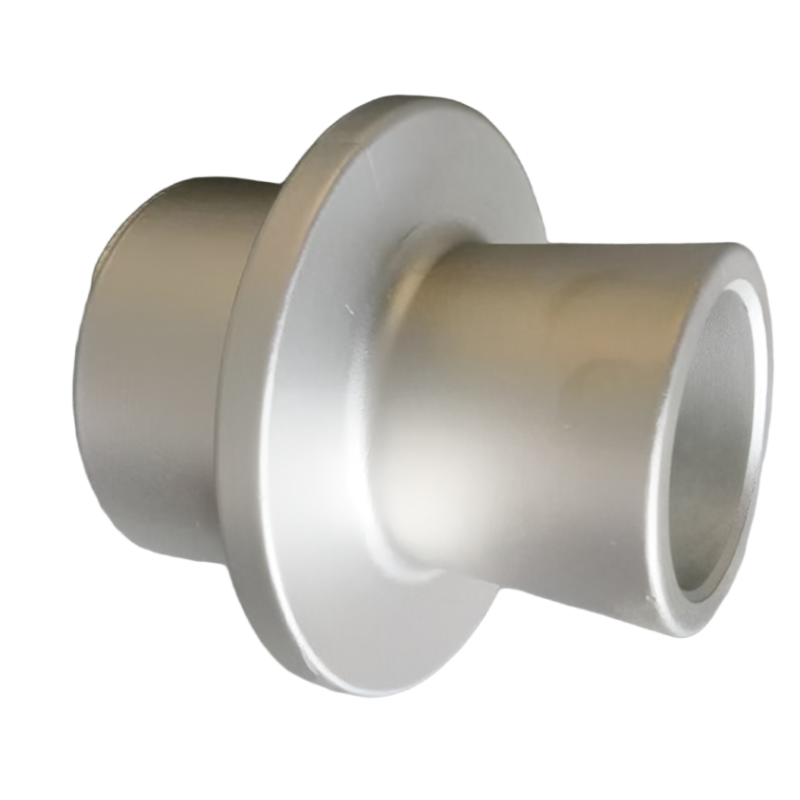
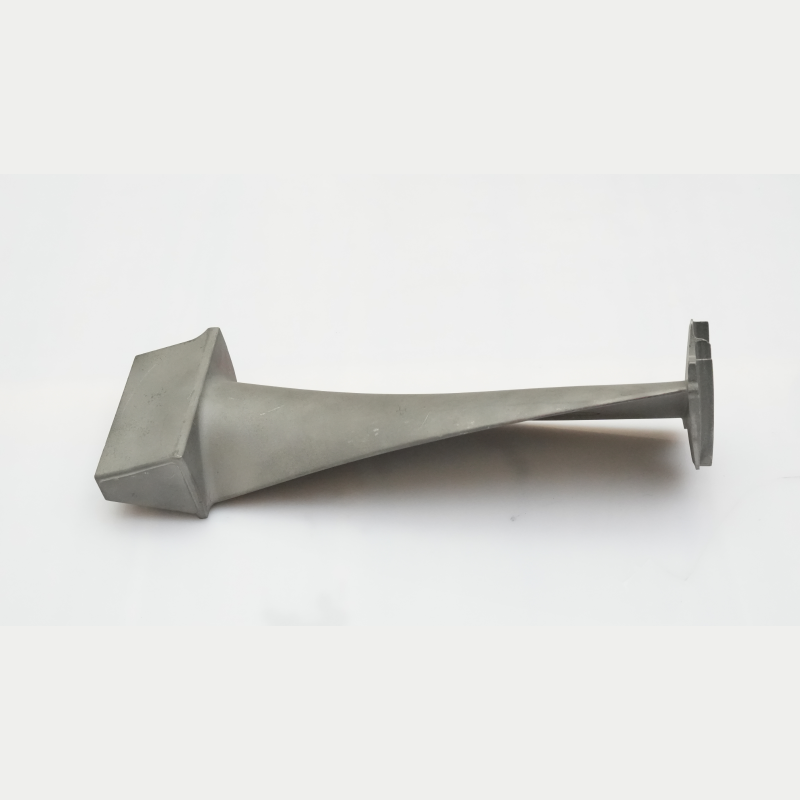
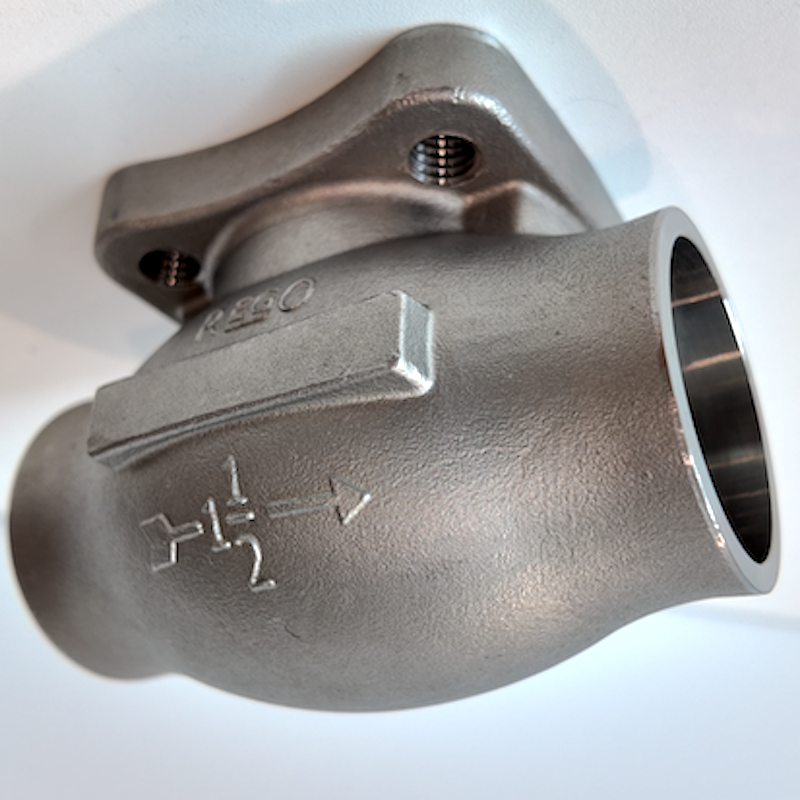
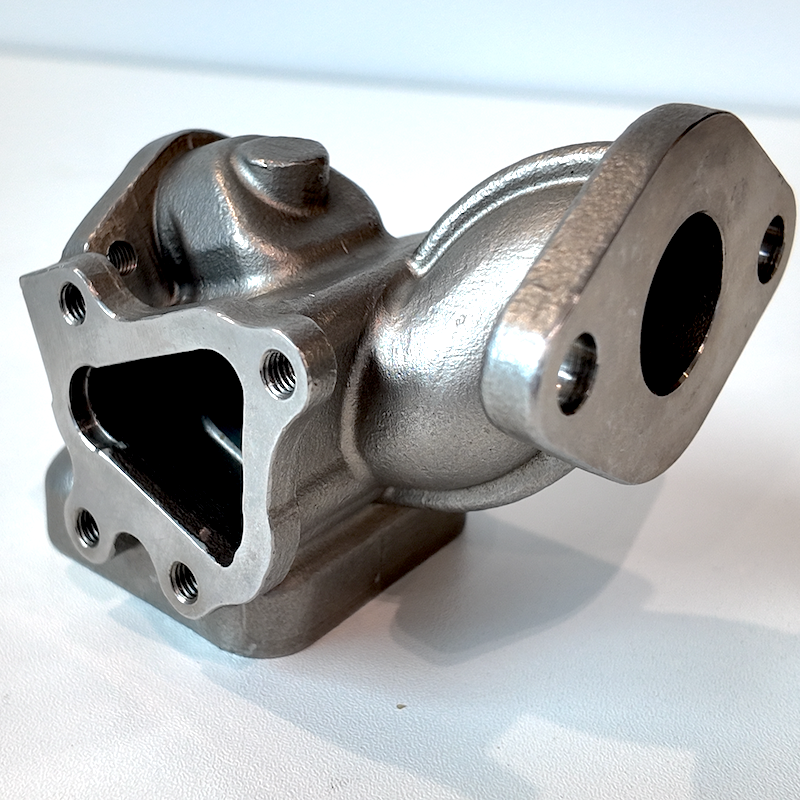
Cast and machined components represent a fundamental category of precision-engineered parts that combine two essential manufacturing processes to deliver superior quality products across numerous industries. These components begin their life through casting, where molten metal is poured into molds to create near-net shapes, followed by precision machining operations that refine dimensions, improve surface finishes, and add intricate features that casting alone cannot achieve. The primary function of cast and machined components is to provide robust, reliable parts that meet exact specifications while maintaining cost-effectiveness for medium to high-volume production runs. The technological features of these components include exceptional dimensional accuracy, enhanced mechanical properties, and the ability to produce complex geometries that would be impractical or impossible to create through machining alone. The casting process allows manufacturers to work with various metals and alloys, including aluminum, steel, iron, bronze, and specialized alloys, each selected based on the specific application requirements such as strength, corrosion resistance, or weight considerations. Following the casting stage, CNC machining operations refine critical surfaces, bore precise holes, cut threads, and create tight-tolerance features that ensure perfect fitment with mating components. Applications for cast and machined components span across automotive manufacturing, aerospace systems, industrial machinery, hydraulic equipment, valve bodies, pump housings, engine blocks, transmission cases, agricultural equipment, construction machinery, and countless other sectors where durability and precision are paramount. The versatility of this manufacturing approach makes it ideal for producing parts ranging from small brackets and fittings to large structural components weighing several hundred pounds, all while maintaining consistent quality standards that modern industries demand for reliable operation and extended service life.

New Product Recommendations

Cast and machined components offer significant practical benefits that directly impact your bottom line and operational efficiency. First and foremost, this combined manufacturing approach delivers exceptional cost savings compared to parts made entirely through machining from solid stock. By casting the basic shape first, you eliminate the need to remove large amounts of material through expensive machining operations, which reduces both material waste and production time. This efficiency translates to lower per-piece costs, especially for medium to high production volumes where tooling investments are amortized across many units. The strength and durability of these components provide another compelling advantage. The casting process creates a grain structure that flows naturally with the part geometry, resulting in components that resist stress and fatigue better than welded assemblies. When you combine this inherent strength with the precision that machining provides, you get parts that perform reliably under demanding conditions for extended periods, reducing maintenance costs and downtime. Versatility in design represents another major benefit. Cast and machined components allow you to incorporate complex internal passages, varying wall thicknesses, and intricate external features that would require multiple operations or assembly steps with other manufacturing methods. This design freedom enables you to optimize part performance while minimizing weight and material usage. The production timeline for these components often proves faster than alternative methods. Once casting patterns and machining programs are established, manufacturers can produce parts consistently and quickly, helping you meet tight delivery schedules and maintain adequate inventory levels without excessive lead times. Quality consistency stands out as a crucial advantage. Modern foundries and machine shops utilize advanced quality control systems that monitor every stage of production, ensuring each component meets your specifications. This consistency reduces rejection rates, simplifies assembly processes, and enhances the reliability of your final products. The surface finish quality achievable through machining critical areas means these components often require no additional finishing operations, saving time and expense. Environmental benefits also deserve mention, as the efficient material usage and reduced waste generation associated with cast and machined components support sustainability goals while maintaining manufacturing excellence. Finally, the widespread availability of suppliers experienced in producing these components means you have access to competitive pricing, technical expertise, and proven manufacturing capabilities that reduce risk and ensure project success.

Practical Tips

What Factors Affect Surface Finish Quality in Medium Temperature Wax Casting Processes?

05

Jun

What Factors Affect Surface Finish Quality in Medium Temperature Wax Casting Processes?

Surface finish quality is one of the most critical performance indicators in precision investment casting, and it is directly shaped by the variables embedded in the medium temperature wax casting process. Unlike standard casting methods, medium temp...
View More
How Can OEM ODM Precision Casting Services Accelerate New Product Development Cycles?

26

Jun

How Can OEM ODM Precision Casting Services Accelerate New Product Development Cycles?

Bringing a new industrial product from concept to market is rarely a straightforward journey. Engineering teams face relentless pressure to compress timelines, reduce prototype iterations, and deliver production-ready components without sacrificing d...
View More
How Do OEM ODM Precision Casting Services Support Flexible Design and Rapid Prototyping?

26

Jun

How Do OEM ODM Precision Casting Services Support Flexible Design and Rapid Prototyping?

Figure 1: Custom Valve Body Fabricated via Precision Investment Casting, Featuring Crisp Surface Details and Net-Shape Integrity. In today's fast-evolving manufacturing landscape, the ability to move from concept to production-ready component quickly...
View More
Why Are Stainless Steel Investment Castings Preferred for Corrosion Resistant Applications?

26

Jun

Why Are Stainless Steel Investment Castings Preferred for Corrosion Resistant Applications?

In demanding industrial environments where moisture, chemicals, and extreme temperatures are constant threats, material selection is one of the most critical engineering decisions a manufacturer can make. Among the available manufacturing methods, st...
View More

Get a Free Quote

Our representative will contact you soon.
Email
Name
Mobile
Company Name
Message
0/1000

cast and machined components

Superior Material Utilization and Cost Efficiency

Superior Material Utilization and Cost Efficiency

Cast and machined components excel in material utilization efficiency, delivering substantial economic advantages that benefit manufacturers across all production scales. The casting process creates a near-net shape that closely approximates the final part geometry, meaning the component starts with material distributed roughly where it needs to be in the finished product. This intelligent approach to material placement dramatically reduces the amount of metal that must be removed during subsequent machining operations. When you compare this to manufacturing the same component entirely through machining from solid bar stock or plate, the material savings become immediately apparent. Traditional machining might require removing sixty to eighty percent of the starting material to achieve the desired shape, with all that removed metal becoming expensive scrap or chips that must be recycled. With cast and machined components, you typically remove only ten to thirty percent of material during machining, focusing these operations exclusively on critical surfaces that require tight tolerances or superior finishes. This efficiency generates multiple cost benefits throughout your supply chain. Raw material expenses decrease substantially because you purchase only slightly more metal than the finished component actually contains. Machining time reduces significantly because cutting tools spend their time refining surfaces rather than hogging away large volumes of material, which extends tool life and reduces tooling costs. Energy consumption drops proportionally with reduced machining time, lowering your operational expenses and environmental footprint. The speed advantage compounds in production settings where manufacturers can cast multiple components simultaneously in a single pour, then machine them efficiently using modern CNC equipment with automated tool changers and multi-axis capabilities. This parallelization of the casting process combined with efficient machining creates a production rhythm that delivers completed components faster and more economically than alternative methods. For businesses managing inventory costs and cash flow, these efficiency gains translate to lower capital tied up in work-in-process inventory and faster conversion of raw materials into sellable products. The economic benefits extend beyond direct manufacturing costs to impact product competitiveness in the marketplace, enabling you to offer better pricing to customers while maintaining healthy profit margins that sustain business growth and innovation.
Exceptional Strength and Mechanical Performance

Exceptional Strength and Mechanical Performance

The structural integrity and mechanical performance characteristics of cast and machined components surpass many alternative manufacturing methods, delivering reliability that keeps critical systems operating under demanding conditions. The casting process creates a metallurgical structure where grain boundaries flow naturally with the component geometry, following the shape of the part rather than being interrupted by welds or joints. This continuous grain flow pattern distributes mechanical stresses more evenly throughout the component, preventing stress concentration points that could initiate cracks or failures under load. When components experience cyclical loading, impact forces, or sustained pressure, this favorable grain structure provides superior fatigue resistance that extends service life significantly compared to fabricated alternatives. The ability to select optimal alloy compositions for specific applications further enhances mechanical performance. Foundries can pour cast and machined components in specialized alloys engineered for particular property combinations such as high tensile strength with excellent corrosion resistance, or exceptional hardness combined with good machinability. This material flexibility allows engineers to match component properties precisely to application requirements without compromise. The machining operations that follow casting add another dimension of performance enhancement by creating surfaces with controlled roughness, accurate dimensions, and proper geometric relationships. Precisely machined bearing surfaces reduce friction and wear, accurately bored holes ensure proper alignment of assembled systems, and carefully machined sealing surfaces prevent leaks in hydraulic and pneumatic applications. The combination of cast strength with machined precision means these components maintain their critical dimensions and surface characteristics throughout extended service periods, even when subjected to vibration, temperature fluctuations, and chemical exposure. Heat treatment processes can be applied between casting and machining or after final machining to further optimize mechanical properties, allowing manufacturers to achieve specific hardness levels, enhance toughness, or relieve residual stresses. This processing flexibility creates components that perform predictably across wide temperature ranges and challenging environmental conditions. For industries where component failure could result in costly downtime, safety hazards, or damage to associated equipment, the proven reliability of cast and machined components provides essential peace of mind backed by decades of successful field performance across countless applications worldwide.
Design Flexibility and Complex Geometry Capabilities

Design Flexibility and Complex Geometry Capabilities

Cast and machined components provide unmatched design flexibility that empowers engineers to create optimized parts incorporating features and geometries impossible or impractical with other manufacturing methods. The casting process excels at producing complex three-dimensional shapes with internal cavities, varying wall thicknesses, integrated mounting features, and organic curves that would require extensive machining time or multiple welded pieces if created through alternative approaches. This capability allows designers to consolidate multiple separate parts into single integrated components, eliminating assembly operations, reducing potential failure points, and decreasing overall system weight. Internal passages for fluid flow, cooling channels, or weight reduction can be cast directly into components using cores that are later removed, creating features that cannot be accessed or produced through machining alone. This design freedom enables optimization of fluid dynamics in valve bodies and pump housings, creation of lightweight structures with internal reinforcing ribs in aerospace applications, and integration of complex mounting geometries in automotive components. The subsequent machining operations add precision features exactly where needed without compromising the overall design intent established through casting. Engineers can specify tight tolerances on critical mating surfaces while allowing more relaxed tolerances on non-critical areas, optimizing manufacturing efficiency without sacrificing performance. Complex bolt patterns, precisely positioned dowel holes, threaded connections, and accurate bearing bores can be machined with repeatability measured in thousandths of an inch, ensuring proper function and interchangeability. The combination of casting and machining also facilitates design iteration and improvement. When product requirements change or performance enhancements are identified, engineers can often modify machining operations or adjust casting patterns more economically than retooling for entirely different manufacturing processes. This adaptability supports continuous improvement initiatives and product evolution without requiring complete redesigns or massive capital investments. The aesthetic possibilities should not be overlooked either, as cast and machined components can incorporate company logos, part numbers, and decorative features directly into the casting, with machined surfaces providing attractive contrasts in texture and finish. For custom applications and specialized equipment, this design flexibility proves invaluable, allowing manufacturers to create exactly the component needed rather than compromising with standard parts that do not fully meet requirements. The collaborative relationship between design engineering and manufacturing expertise that develops during the creation of cast and machined components often yields innovative solutions that improve product performance while reducing costs, delivering competitive advantages that strengthen market position and customer satisfaction.

Get a Free Quote

Our representative will contact you soon.
Email
Name
Mobile
Company Name
Message
0/1000