Precision Machined Castings - High-Quality Custom Metal Components with Tight Tolerances

Get a Free Quote

Our representative will contact you soon.
Email
Name
Mobile
Company Name
Message
0/1000

precision machined castings

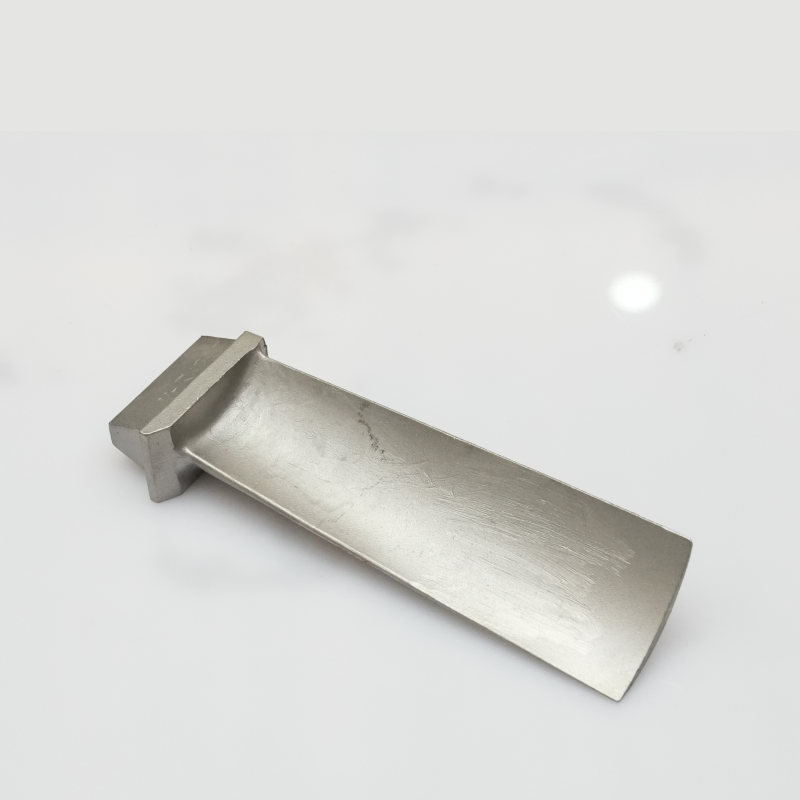
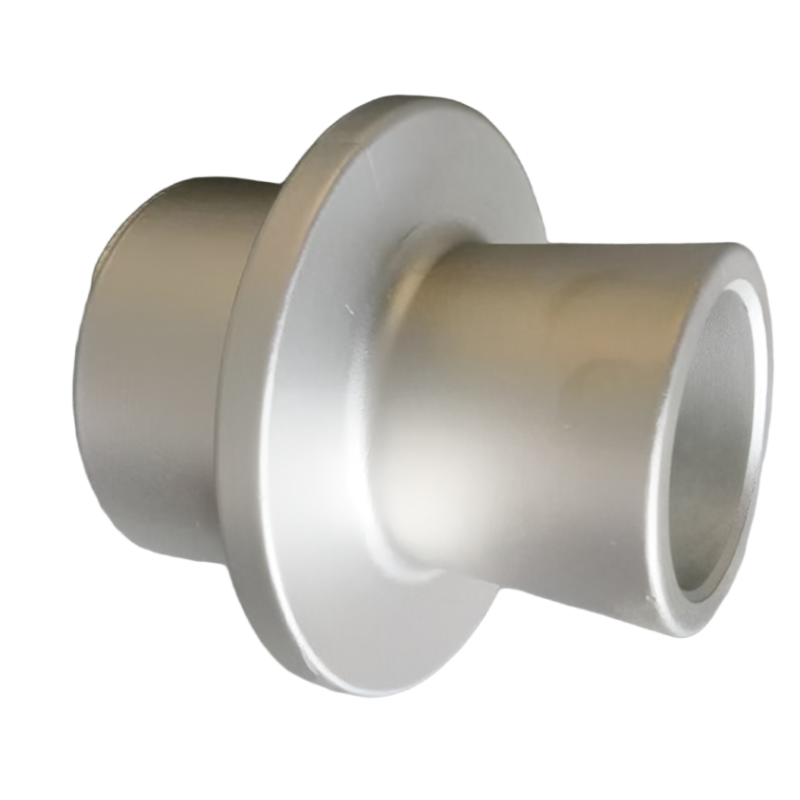
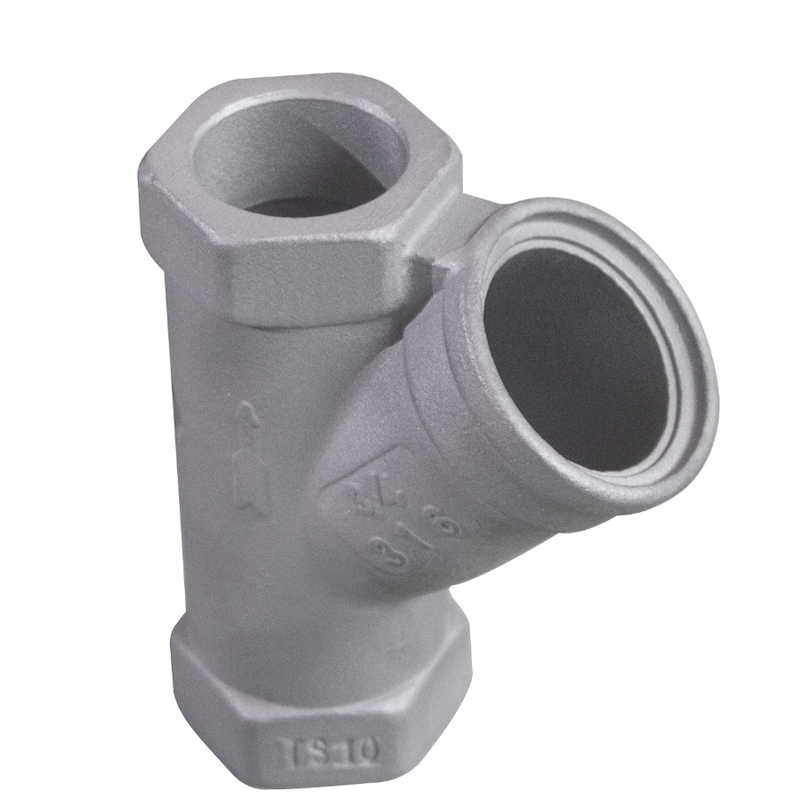
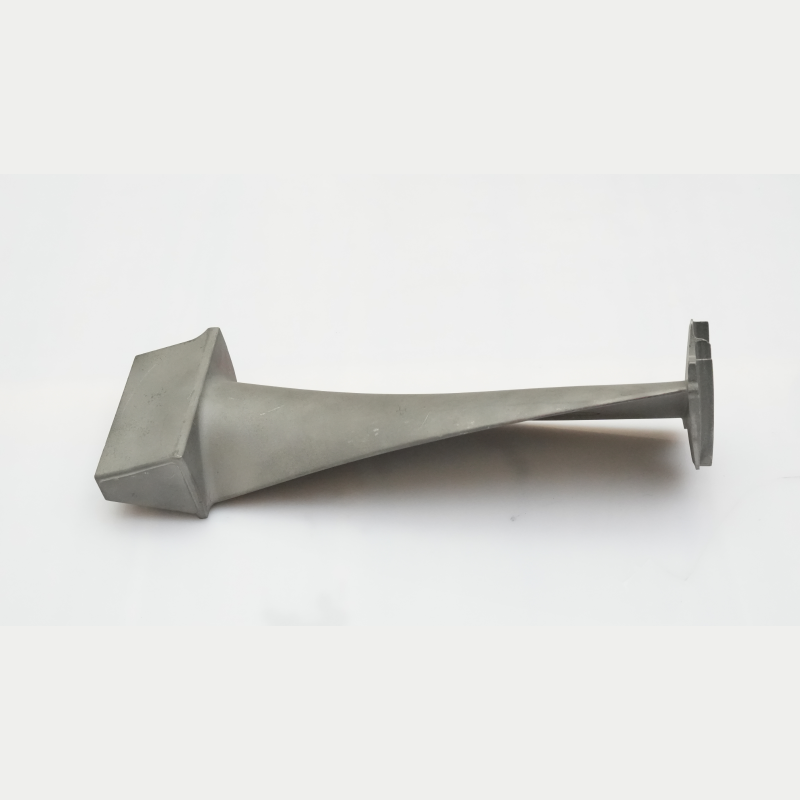
Precision machined castings represent a manufacturing solution that combines traditional casting methods with advanced machining techniques to deliver components with exceptional accuracy and surface quality. These products begin as metal castings created through investment casting, sand casting, or die casting processes, then undergo precision CNC machining to achieve tight tolerances and refined surface finishes. The main functions of precision machined castings include providing structural integrity, dimensional accuracy, and functional reliability for complex mechanical assemblies. These components serve critical roles in transmitting forces, housing delicate mechanisms, and maintaining precise alignments in operating equipment. Technologically, precision machined castings leverage the material efficiency of casting processes while incorporating the dimensional control of modern machining operations. The casting phase allows manufacturers to create intricate geometries and internal features that would be difficult or impossible to produce through machining alone. This includes complex cooling channels, integrated mounting features, and lightweight internal structures. Following the casting process, CNC machining operations refine critical surfaces, bore accurate holes, create threaded connections, and establish precise mounting interfaces. This dual-process approach optimizes material usage while delivering the exactness required for demanding applications. Applications for precision machined castings span numerous industries including aerospace, automotive, medical devices, industrial machinery, energy generation, and defense systems. In aerospace applications, these components form engine housings, transmission cases, and structural brackets where weight reduction and strength are paramount. Automotive manufacturers utilize precision machined castings for engine blocks, transmission components, suspension parts, and powertrain assemblies. Medical device applications include surgical instrument components, imaging equipment frames, and prosthetic joint assemblies where biocompatibility and precision are essential. Industrial machinery relies on precision machined castings for pump housings, valve bodies, gearbox cases, and hydraulic manifolds. The versatility of precision machined castings makes them indispensable across manufacturing sectors requiring the combination of complex shapes with exacting dimensional requirements and superior mechanical properties.

New Product Releases

Choosing precision machined castings delivers substantial practical benefits that directly impact your project success and bottom line. First, you gain significant cost savings compared to producing parts entirely through machining from solid stock. The casting process creates the basic shape using less raw material and requiring fewer machining operations, which translates to lower material costs and reduced manufacturing time. This efficiency becomes especially valuable when producing medium to large quantities or components with complex internal features. Second, precision machined castings offer superior design flexibility that allows you to incorporate features that would be prohibitively expensive or technically impossible with other manufacturing methods. You can integrate mounting bosses, internal passages, weight-reducing ribs, and complex contours directly into the cast form. This design freedom enables you to optimize component performance while minimizing weight and material usage. Third, you receive components with excellent mechanical properties tailored to your specific application requirements. The casting process allows selection from a wide range of materials including aluminum alloys, steel alloys, stainless steel, bronze, and specialized metals. Each material brings specific characteristics such as corrosion resistance, high strength, wear resistance, or thermal conductivity. Fourth, precision machined castings provide shortened lead times for complex components. Since the casting creates the near-net shape quickly, machining operations focus only on critical surfaces and features requiring tight tolerances. This targeted approach reduces overall production time compared to extensive machining operations. Fifth, you benefit from consistent quality and repeatability across production runs. Modern casting facilities employ process controls and quality systems that ensure each casting meets specifications before machining begins. The subsequent CNC machining operations add further precision and consistency, delivering parts that fit and function correctly every time. Sixth, precision machined castings support sustainable manufacturing practices by minimizing material waste. The casting process uses material efficiently, and any excess material from machining operations can often be recycled. This efficiency reduces environmental impact while lowering material costs. Seventh, you gain access to technical expertise from manufacturers who understand both casting and machining processes. This combined knowledge helps optimize your designs for manufacturability, potentially identifying cost-saving opportunities or performance improvements you might not have considered. Finally, precision machined castings offer excellent scalability, allowing you to start with prototype quantities and scale to high-volume production using the same basic manufacturing approach, providing consistency throughout your product lifecycle.

Latest News

What Makes a Custom Lost Wax Casting Foundry Reliable for Precision Industrial Applications?

05

Jun

What Makes a Custom Lost Wax Casting Foundry Reliable for Precision Industrial Applications?

In precision industrial manufacturing, the reliability of a custom investment casting foundry is not a minor operational detail — it is a fundamental requirement that determines part integrity, production timelines, and ultimately, the safety o...
View More
What Factors Affect Surface Finish Quality in Medium Temperature Wax Casting Processes?

05

Jun

What Factors Affect Surface Finish Quality in Medium Temperature Wax Casting Processes?

Surface finish quality is one of the most critical performance indicators in precision investment casting, and it is directly shaped by the variables embedded in the medium temperature wax casting process. Unlike standard casting methods, medium temp...
View More
How Should Buyers Choose a Reliable Medium Temperature Wax Casting Service Provider?

26

Jun

How Should Buyers Choose a Reliable Medium Temperature Wax Casting Service Provider?

Selecting the right manufacturing partner for medium temperature wax casting is one of the most consequential decisions a procurement professional or product engineer can make. The process, which involves injecting wax into precision dies at carefull...
View More
How Can OEM ODM Precision Casting Services Accelerate New Product Development Cycles?

26

Jun

How Can OEM ODM Precision Casting Services Accelerate New Product Development Cycles?

Bringing a new industrial product from concept to market is rarely a straightforward journey. Engineering teams face relentless pressure to compress timelines, reduce prototype iterations, and deliver production-ready components without sacrificing d...
View More

Get a Free Quote

Our representative will contact you soon.
Email
Name
Mobile
Company Name
Message
0/1000

precision machined castings

Exceptional Dimensional Accuracy and Surface Quality

Exceptional Dimensional Accuracy and Surface Quality

Precision machined castings deliver dimensional accuracy and surface quality that meets the most demanding engineering specifications, providing reliability you can measure and verify. The manufacturing process achieves this exceptional precision through a carefully controlled sequence that begins with quality casting production and culminates in precision CNC machining operations. During the casting phase, manufacturers use proven techniques such as investment casting for intricate details, sand casting for larger components, or die casting for high-volume production. Each method produces castings with predictable dimensions that serve as the foundation for subsequent machining. The real precision advantage emerges during the machining phase, where CNC equipment removes material from critical surfaces to achieve tolerances as tight as plus or minus 0.001 inches or better depending on requirements. This level of accuracy ensures that components fit together correctly, operate smoothly, and maintain performance over extended service lives. Surface quality receives equal attention, with machining operations producing finishes ranging from general-purpose textures to mirror-polished surfaces depending on functional requirements. Smooth surfaces reduce friction in moving parts, improve seal integrity, enhance corrosion resistance, and create professional appearances for visible components. For precision machined castings used in hydraulic systems, smooth bore finishes prevent seal damage and reduce leakage. In rotating assemblies, precisely machined bearing surfaces minimize vibration and extend component life. Medical applications benefit from surface finishes that facilitate sterilization and prevent bacterial contamination. The combination of accurate dimensions and quality surfaces eliminates the trial-and-error fitting often required with less precise manufacturing methods. Assembly operations proceed smoothly because parts mate correctly the first time, reducing labor costs and avoiding rework. Maintenance becomes more predictable because wear patterns remain consistent and replacement parts interchange reliably. Quality control systems verify dimensional accuracy and surface quality throughout production, using coordinate measuring machines, surface roughness testers, and inspection fixtures to confirm that every precision machined casting meets specifications before shipment. This rigorous approach to quality gives you confidence that components will perform as designed, reducing warranty claims and enhancing your reputation for reliability.
Optimized Material Properties and Structural Integrity

Optimized Material Properties and Structural Integrity

Precision machined castings provide optimized material properties and structural integrity that directly enhance component performance, durability, and safety in demanding applications. The casting process fundamentally differs from other manufacturing methods in how it develops material characteristics, offering distinct advantages for load-bearing and stress-critical components. When molten metal solidifies in a mold, the cooling process creates a grain structure throughout the entire component, resulting in consistent material properties in all directions. This uniformity proves especially valuable for components subjected to complex loading conditions or multidirectional stresses. Manufacturers can select from an extensive range of casting alloys specifically formulated to deliver properties matching your application requirements. Aluminum alloys offer excellent strength-to-weight ratios for aerospace and automotive applications where weight reduction improves fuel efficiency and performance. Steel casting alloys provide superior strength and toughness for heavy machinery and structural components experiencing high loads and impact forces. Stainless steel castings deliver corrosion resistance for chemical processing, marine environments, and food processing equipment. Bronze and brass castings offer wear resistance and low friction characteristics for bearings, bushings, and sliding components. Specialized alloys address unique requirements such as high-temperature stability for exhaust components, magnetic properties for electrical applications, or biocompatibility for medical implants. The structural integrity of precision machined castings extends beyond base material properties to include design features that enhance strength and reduce weight simultaneously. Internal ribs, gussets, and varying wall thicknesses can be incorporated during casting to position material exactly where structural analysis indicates it provides maximum benefit. This optimization eliminates excess material from low-stress areas while reinforcing high-stress regions, creating components that achieve required strength at minimum weight. The subsequent machining operations preserve this optimized structure while adding precision features, maintaining the strength advantages established during casting. Heat treatment processes further enhance material properties, with options including solution treating, aging, annealing, normalizing, or stress relieving depending on alloy and application requirements. These thermal processes modify grain structure, relieve residual stresses, increase hardness, improve ductility, or enhance other properties as needed. Testing and certification verify that material properties meet specifications, with options for mechanical testing, chemical analysis, non-destructive testing, and material certifications that document compliance with industry standards and regulatory requirements.
Cost-Effective Production for Complex Geometries

Cost-Effective Production for Complex Geometries

Precision machined castings deliver cost-effective production solutions for complex geometries that would be prohibitively expensive or technically impractical to manufacture using alternative methods. This economic advantage stems from the fundamental efficiency of casting processes in creating intricate shapes with minimal material waste and reduced manufacturing steps. When you design components with internal cavities, undercuts, variable cross-sections, or integrated features, machining these elements entirely from solid material requires extensive tool paths, multiple setups, specialized tooling, and significant machine time. Each of these factors adds cost while increasing the risk of errors and producing substantial material waste as chips and scrap. Casting circumvents these challenges by forming the complex geometry directly as molten metal solidifies, creating the basic shape in a single operation regardless of geometric complexity. This approach proves especially economical for components with internal passages such as fluid channels, cooling circuits, or weight-reduction cavities that would require deep drilling, electrical discharge machining, or other time-consuming processes if produced by machining alone. The precision machining that follows casting focuses only on critical surfaces requiring tight tolerances, threaded holes, seal grooves, and mounting interfaces. This targeted machining approach dramatically reduces CNC programming time, cutting tool costs, machine occupation time, and overall production expenses compared to complete machining from solid stock. Material cost savings add another economic dimension, particularly for expensive alloys where minimizing waste directly impacts component cost. Casting uses material efficiently by forming the shape close to final dimensions, with machining removing only the minimal amount necessary to achieve required accuracy and surface finish. For larger components, this efficiency can reduce material costs by fifty percent or more compared to machining from solid billets. Production volume flexibility provides additional economic benefits, with precision machined castings offering favorable economics across a wide range of quantities. Prototype and low-volume production uses cost-effective mold materials and processes, while high-volume production justifies investment in more durable tooling that reduces per-piece costs further. This scalability allows you to optimize manufacturing approach as product volumes change over time without requiring fundamental design changes. Secondary operations integrate efficiently with precision machined castings, including assembly, welding, surface treatments, and finishing processes. The dimensional accuracy achieved through machining ensures consistent fit-up for welded assemblies and reliable attachment of fasteners, seals, and other components, reducing assembly time and improving final product quality while controlling overall manufacturing costs.

Get a Free Quote

Our representative will contact you soon.
Email
Name
Mobile
Company Name
Message
0/1000