Precision Machined Castings - High-Quality Custom Metal Components with Tight Tolerances

Get a Free Quote

Our representative will contact you soon.
Email
Name
Company Name
Message
0/1000

precision machined castings

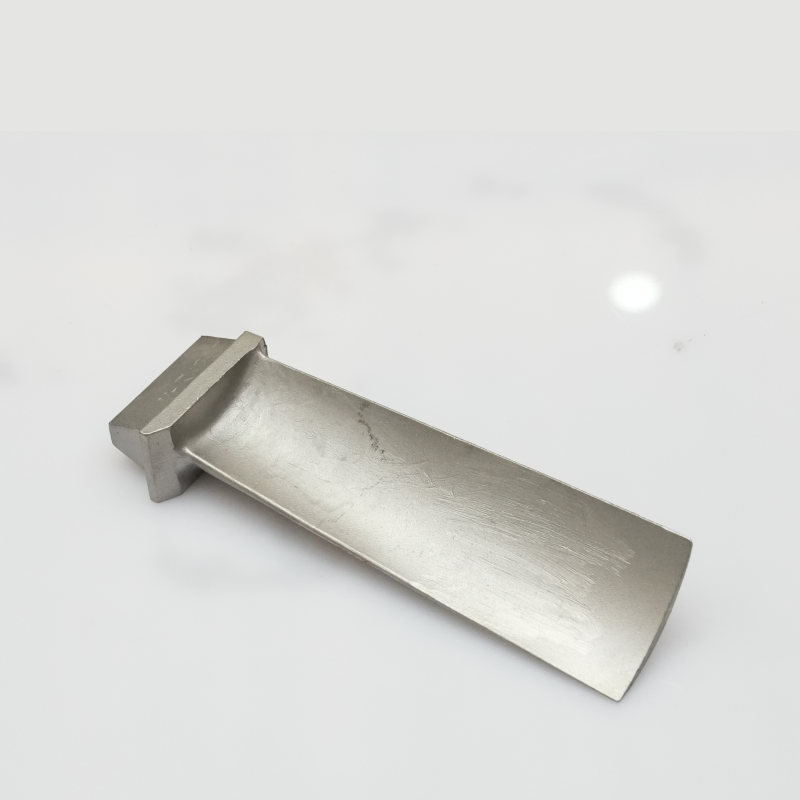
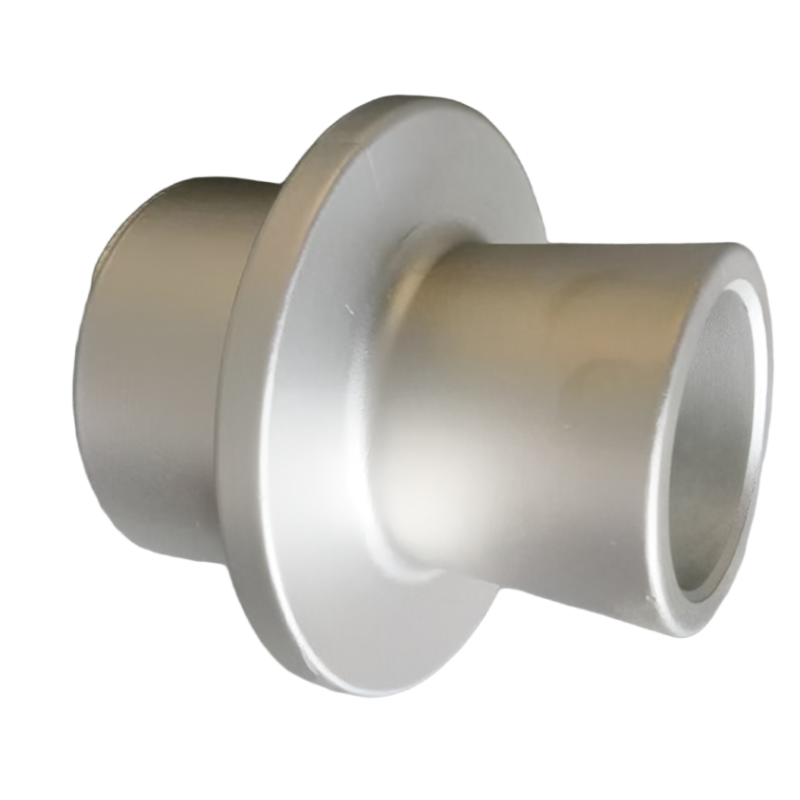
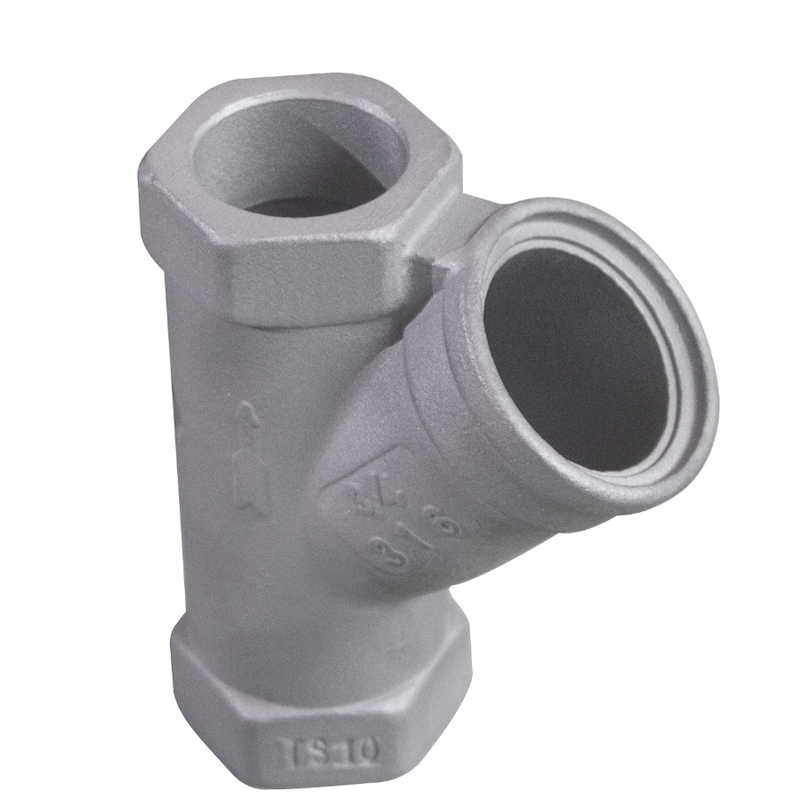
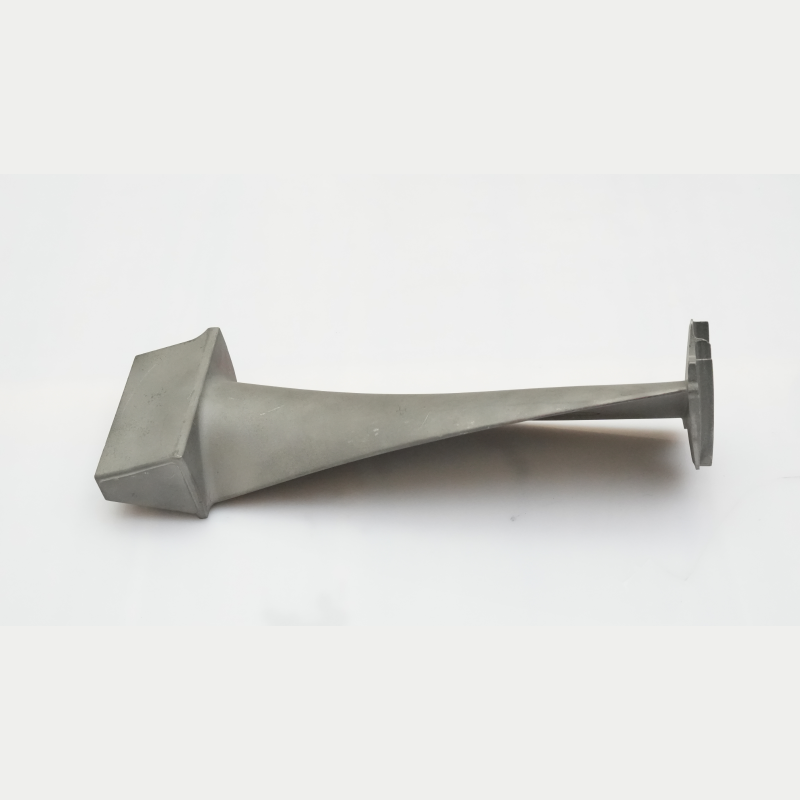
Precision machined castings represent a manufacturing solution that combines the cost-effectiveness of casting processes with the accuracy of precision machining operations. These components start as cast metal parts produced through various casting methods such as sand casting, investment casting, or die casting, which are then subjected to precise machining operations to achieve tight tolerances and superior surface finishes. The main function of precision machined castings is to deliver complex metal components that meet exacting specifications while maintaining structural integrity and reducing production costs. The casting process allows manufacturers to create intricate shapes and internal geometries that would be extremely difficult or impossible to produce through machining alone, while the subsequent precision machining ensures that critical surfaces, holes, and dimensions meet exact requirements. Technological features of precision machined castings include the ability to work with diverse materials such as aluminum, steel, iron, bronze, and specialized alloys, each selected based on the specific application requirements. Advanced casting techniques minimize porosity and internal defects, creating a solid foundation for subsequent machining operations. Computer numerical control technology enables manufacturers to achieve tolerances as tight as plus or minus 0.001 inches on machined surfaces, ensuring consistent quality across production runs. Applications for precision machined castings span numerous industries including automotive, aerospace, heavy equipment, pumps and valves, marine, energy, and industrial machinery. In automotive applications, these components serve as engine blocks, transmission housings, and suspension parts. Aerospace manufacturers rely on precision machined castings for aircraft structural components and engine parts where weight savings and strength are paramount. The pump and valve industry uses these components for housings and bodies that require both complex internal passages and precise mounting surfaces. This manufacturing approach offers an optimal balance between design flexibility, material efficiency, production speed, and dimensional accuracy, making it an ideal choice for both high-volume production and specialized components requiring complex geometries with critical tolerances.

New Products

Choosing precision machined castings delivers substantial benefits that directly impact your bottom line and product performance. First and foremost, this manufacturing method significantly reduces material waste compared to producing parts entirely through machining from solid stock. When you start with a near-net-shape casting, you remove only the material necessary to achieve final specifications, rather than cutting away large portions of expensive raw material. This efficiency translates directly into lower material costs, especially when working with expensive alloys or large components. The production speed advantage becomes evident when comparing timelines to fully machined alternatives. Casting allows you to create complex internal features, thin walls, and intricate external geometries in a single pour, eliminating hours or even days of machining time that would be required to achieve similar features through cutting operations alone. Your production schedules become more predictable and shorter, enabling faster time-to-market for new products. Design flexibility stands as another major advantage of precision machined castings. You can incorporate features such as internal cooling channels, complex curved surfaces, variable wall thicknesses, and integrated mounting points that would require multiple machined parts to be welded or fastened together if produced through conventional machining. This design freedom enables engineers to optimize part performance while reducing assembly requirements and potential failure points. The strength characteristics of precision machined castings often exceed those of fabricated alternatives because the component forms as a single, continuous piece of metal without welds or joints that can create weak points. The grain structure developed during controlled cooling provides excellent mechanical properties, and modern casting processes can achieve material properties very close to wrought materials. Cost savings multiply as production volumes increase. While the initial tooling investment for casting may be higher than for simple machined parts, the per-unit cost decreases dramatically with volume. For medium to high production runs, precision machined castings typically cost 30 to 70 percent less than fully machined equivalents. Quality and consistency improve through this combined approach. Casting provides repeatable geometry from part to part, while precision machining ensures that critical dimensions and surfaces meet exact specifications every time. Modern quality control methods including coordinate measuring machines and statistical process control maintain tight tolerances throughout production runs. Environmental benefits also deserve consideration. Using less raw material means reduced mining and processing impacts. The efficient manufacturing process consumes less energy overall compared to extensive machining operations. Many foundries now recycle scrap material, further reducing environmental footprint. Finally, precision machined castings offer excellent surface finish options. While as-cast surfaces may be adequate for non-critical areas, machined surfaces provide the smooth finishes required for sealing surfaces, bearing bores, and aesthetic requirements, all within a single component.

Tips And Tricks

Basic Principles Of Design Of Precision Casting Gating System

11

May

Basic Principles Of Design Of Precision Casting Gating System

View More
The Role Of Elements In Castings And The Order Of Addition

11

May

The Role Of Elements In Castings And The Order Of Addition

View More
Stainless Steel Castings for Architectural Posts

11

May

Stainless Steel Castings for Architectural Posts

View More
Precision Stainless Steel Exhaust Manifold Casting Solution For Luxury Sedan - With Japanese First-Tier Car Brand

11

May

Precision Stainless Steel Exhaust Manifold Casting Solution For Luxury Sedan - With Japanese First-Tier Car Brand

View More

Get a Free Quote

Our representative will contact you soon.
Email
Name
Company Name
Message
0/1000

precision machined castings

Superior Cost Efficiency Through Optimized Material Usage and Reduced Production Time

Superior Cost Efficiency Through Optimized Material Usage and Reduced Production Time

Precision machined castings deliver exceptional cost efficiency by combining two complementary manufacturing processes in a way that maximizes the strengths of each while minimizing their individual limitations. The casting process creates a near-net-shape component that closely approximates the final part geometry, requiring only strategic machining on critical surfaces rather than extensive material removal throughout the entire component. This approach fundamentally changes the economics of part production compared to traditional fully machined alternatives. When manufacturers produce parts entirely from solid bar stock or plate, they must remove all material that does not belong in the final component, generating substantial scrap that represents wasted material costs and machining time. With precision machined castings, the bulk of the component geometry exists from the moment the casting solidifies, and machining operations focus exclusively on surfaces requiring tight tolerances, precise dimensions, or superior finishes. For large components, this difference in material utilization can represent thousands of dollars in raw material savings per part. The economic advantages extend beyond material costs into labor and equipment utilization. Machining operations that might require dozens of hours on complex fully machined parts reduce to just a few hours when working from a cast blank. This reduction in machining time decreases labor costs, reduces wear on expensive machining equipment, and increases production capacity without additional capital investment in machinery. Manufacturing facilities can produce more parts with existing equipment, improving return on investment for production infrastructure. Tooling costs require consideration in the overall economic picture. Creating casting patterns, molds, or dies does involve upfront investment, but this cost amortizes rapidly across production volumes. For runs exceeding even a few dozen parts, the per-unit tooling cost becomes negligible compared to the savings in material and machining time. For high-volume production, the economic advantage becomes overwhelming, with precision machined castings often costing less than half the price of fully machined equivalents. Energy consumption represents another often-overlooked economic factor. Machining operations consume significant electrical power to remove material through cutting, and extensive machining generates substantial heat that must be managed through coolant systems. Casting processes, while energy-intensive, create the bulk of the part geometry in a single operation. The combined energy footprint of casting plus limited machining typically proves lower than extensive machining operations, reducing operational costs and supporting sustainability objectives that increasingly influence purchasing decisions and corporate responsibility goals.
Enhanced Design Flexibility Enabling Complex Geometries and Integrated Features

Enhanced Design Flexibility Enabling Complex Geometries and Integrated Features

The design flexibility inherent in precision machined castings empowers engineers to create components that would be prohibitively expensive, functionally compromised, or simply impossible to produce through other manufacturing methods. This flexibility stems from the fundamental nature of casting processes, which form parts by pouring molten metal into molds that define the component shape. Unlike machining, which can only remove material from the outside of a workpiece or through drilled holes, casting can create complex internal passages, undercuts, re-entrant angles, and varying wall thicknesses that conform to functional requirements rather than manufacturing limitations. Consider components requiring internal cooling channels, such as engine blocks, mold bases, or high-performance industrial equipment housings. With precision machined castings, these channels form during the casting process using cores that create hollow passages within the solid part. Attempting to create similar cooling channels through machining would require drilling intersecting passages and plugging ends, resulting in potential leak points, limited passage geometries, and extensive additional operations. The cast approach provides superior performance with integrated features that form as part of the initial component. The ability to vary wall thickness throughout a component delivers both functional and economic benefits. Structural analysis might indicate that certain areas of a component require substantial thickness for strength while other sections can be much thinner. Casting allows designers to add material precisely where needed for strength, rigidity, or heat dissipation while minimizing weight and material costs in non-critical areas. This optimization proves particularly valuable in aerospace and automotive applications where weight reduction directly improves fuel efficiency and performance. Complex external geometries that would require multiple setups, specialized tooling, or multi-axis machining become straightforward with casting. Organic curves, integrated mounting bosses, ribbing for reinforcement, and aesthetic surface details can all form in the casting process. Subsequent precision machining then focuses only on functional surfaces such as mounting faces, bearing bores, threaded holes, and sealing surfaces. This division of labor between casting and machining allows each process to contribute what it does best. Consolidating multiple parts into a single precision machined casting eliminates assembly operations, reduces part count, and removes potential failure points associated with fasteners or welds. What might have required fabricating and joining five separate machined components can often become a single casting with machined features, reducing inventory complexity, assembly labor, and quality control requirements while improving structural integrity through elimination of joints that can loosen, leak, or fail under stress.
Exceptional Mechanical Properties and Structural Integrity for Demanding Applications

Exceptional Mechanical Properties and Structural Integrity for Demanding Applications

Precision machined castings deliver mechanical properties and structural integrity that meet or exceed the requirements of demanding applications across industries where component failure is not an option. Modern casting technologies have advanced significantly, producing components with material properties that rival or match wrought materials while maintaining the geometric and economic advantages of cast forms. Understanding these property advantages helps explain why critical applications in aerospace, automotive, energy, and heavy equipment industries specify precision machined castings for components subjected to high stresses, extreme temperatures, and harsh operating environments. The metallurgical structure that develops during controlled casting solidification creates a continuous grain structure throughout the component without the interruptions that welds or mechanical joints introduce. This structural continuity means that loads distribute evenly through the component rather than concentrating at joined interfaces where failures often initiate. For applications involving cyclic loading, vibration, or impact, this continuous structure significantly improves fatigue life and reliability. Stress concentrations that exist at weld toes or fastener holes in fabricated assemblies are absent in monolithic precision machined castings, improving durability and extending service life. Material selection flexibility allows engineers to specify alloys optimized for specific application requirements. Aluminum castings provide excellent strength-to-weight ratios for applications where mass reduction improves performance. Steel castings deliver exceptional strength and toughness for heavy-duty applications involving high loads or impact. Specialized alloys such as stainless steels offer corrosion resistance for chemical processing or marine environments, while bronze alloys provide wear resistance and low friction for bearing applications. Investment casting processes can work with superalloys for extreme temperature applications in aerospace and energy generation. This material versatility ensures that precision machined castings can meet virtually any combination of mechanical, thermal, and environmental requirements. Quality control processes throughout casting and machining operations ensure consistent mechanical properties. Non-destructive testing methods such as x-ray inspection, ultrasonic testing, and magnetic particle inspection detect internal defects before machining, preventing defective castings from advancing through production. Mechanical testing of sample castings from each batch verifies that material properties meet specifications. Dimensional inspection using coordinate measuring machines confirms that machined features meet drawing requirements. This comprehensive quality approach provides confidence that every precision machined casting will perform as designed throughout its service life. Heat treatment processes further enhance mechanical properties when applications demand maximum performance. Castings can undergo solution treating, aging, quenching, tempering, or stress relieving depending on material and application requirements. These thermal processes optimize hardness, strength, ductility, and residual stress states to match service conditions. The combination of optimized casting metallurgy, precision machining, and appropriate heat treatment produces components with exceptional and predictable performance characteristics that engineers can confidently incorporate into critical applications where reliability and longevity are essential.

Get a Free Quote

Our representative will contact you soon.
Email
Name
Company Name
Message
0/1000