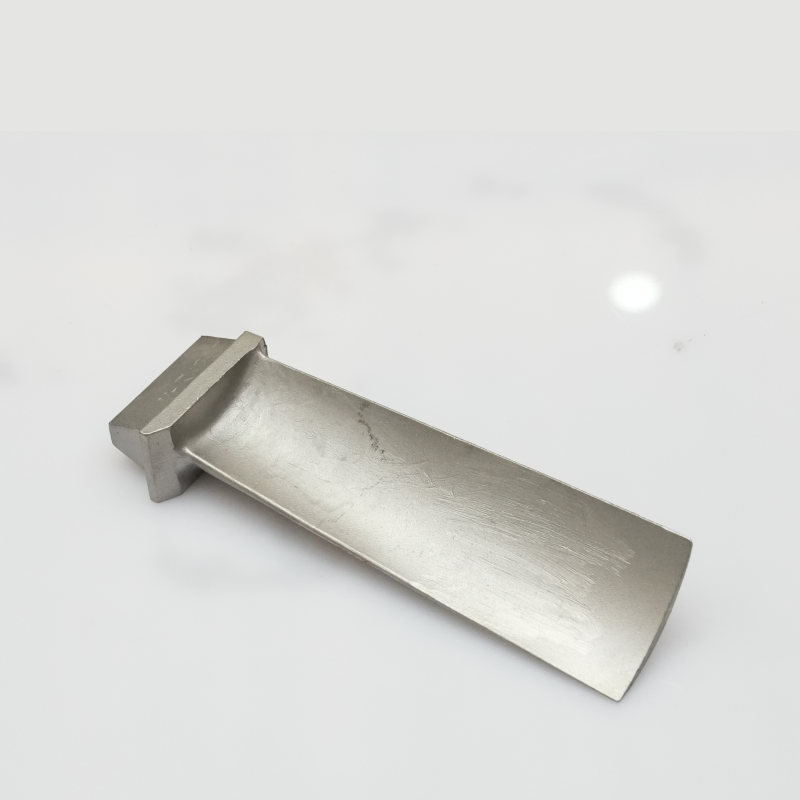
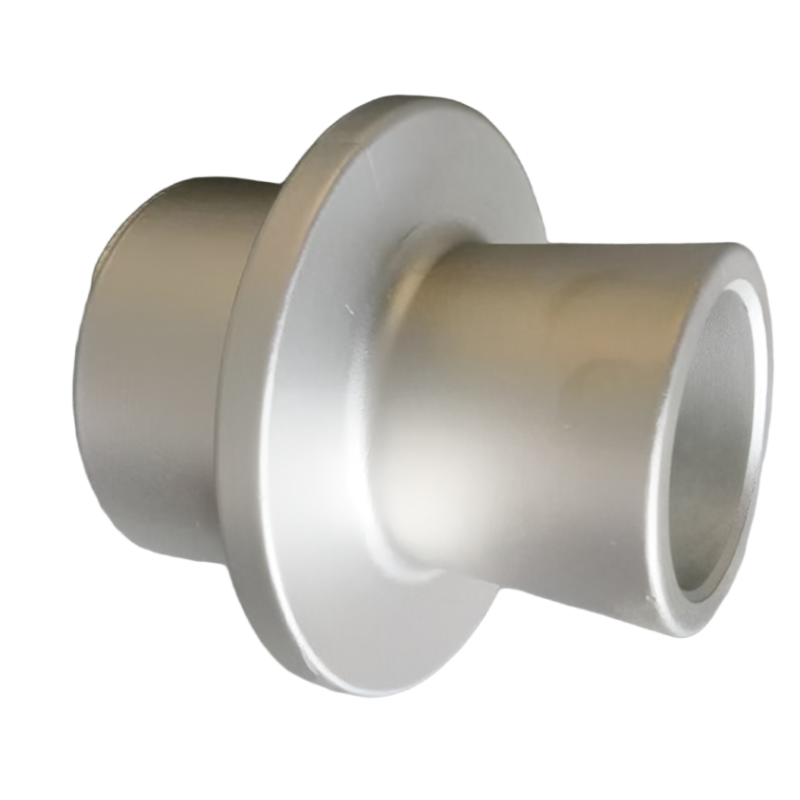
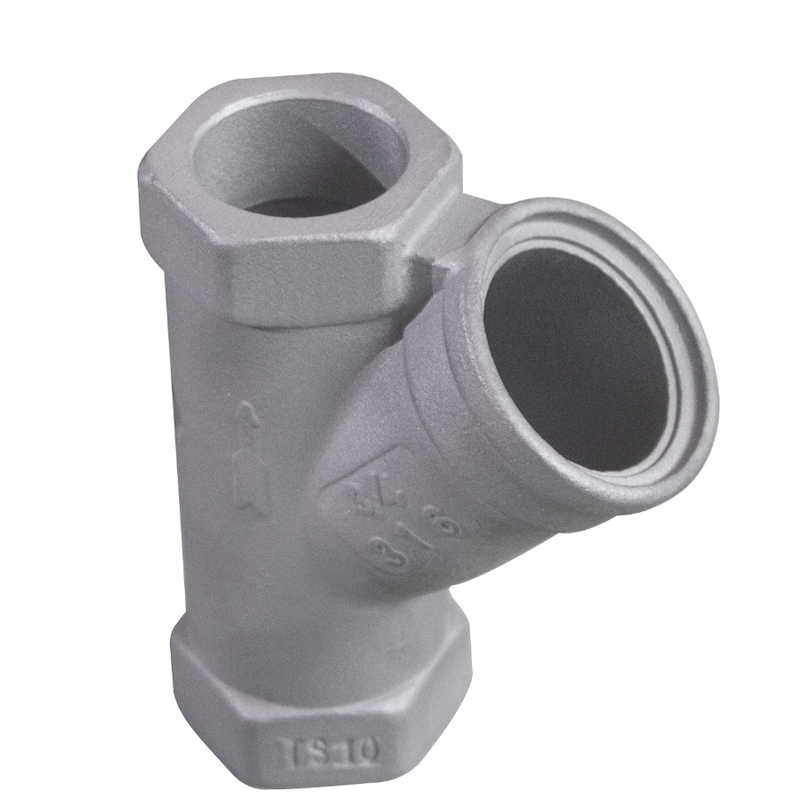
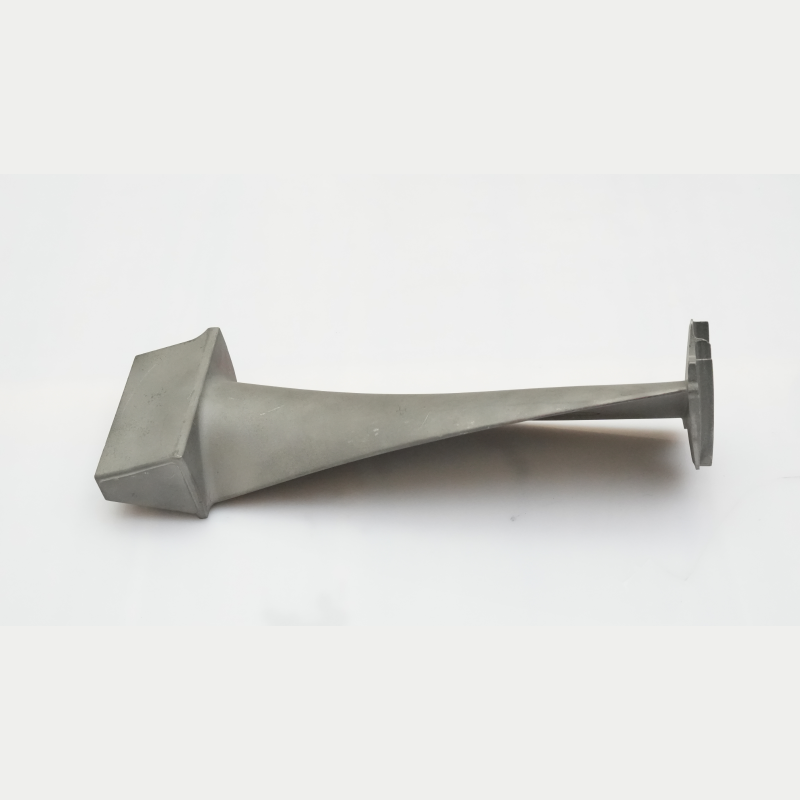
درستی سے مشین کی گئی ڈھلائیاں
درستی سے مشین کی گئی ڈھلائی کے اجزاء ایک تیاری کا حل پیش کرتے ہیں جو روایتی ڈھلائی کے طریقوں کو جدید مشیننگ کے طریقوں کے ساتھ ملانے پر مبنی ہے، تاکہ انتہائی درست اور بہترین سطحی معیار کے اجزاء فراہم کیے جا سکیں۔ یہ مصنوعات سرمایہ داری کی ڈھلائی (انویسٹمنٹ کاسٹنگ)، ریت کی ڈھلائی (سنڈ کاسٹنگ) یا خانہ بدوش ڈھلائی (ڈائی کاسٹنگ) کے ذریعے تیار کردہ دھاتی ڈھلائیوں سے شروع ہوتی ہیں، پھر انہیں تنگ اجازتی حدود (ٹولرنسز) اور بہترین سطحی ختم (فنشز) حاصل کرنے کے لیے درستی سے سی این سی مشیننگ کے عمل سے گزارا جاتا ہے۔ درستی سے مشین کی گئی ڈھلائی کے اجزاء کے بنیادی افعال میں پیچیدہ مکینیکل اسمبلیوں کے لیے ساختی مضبوطی، بعدی درستگی (ڈائمنشنل ایکیوریسی) اور عملی قابل اعتمادی (فنکشنل ریلائیبلٹی) فراہم کرنا شامل ہیں۔ یہ اجزاء آپریٹنگ آلات میں طاقت کے منتقل ہونے، نازک مکینزم کو محفوظ رکھنے اور درست ترتیب (الائنمنٹ) برقرار رکھنے کے لیے انتہائی اہم کردار ادا کرتے ہیں۔ ٹیکنالوجی کے لحاظ سے، درستی سے مشین کی گئی ڈھلائی کے اجزاء ڈھلائی کے عمل کی مواد کی کارآمدی کو استعمال کرتے ہیں جبکہ جدید مشیننگ کے عمل کی بعدی کنٹرول کو بھی شامل کرتے ہیں۔ ڈھلائی کا مرحلہ صنعت کاروں کو ایسی پیچیدہ ہندسیات (جیومیٹریز) اور اندرونی خصوصیات تیار کرنے کی اجازت دیتا ہے جو صرف مشیننگ کے ذریعے تیار کرنا مشکل یا ناممکن ہوگا۔ اس میں پیچیدہ ٹھنڈا کرنے کے چینلز، اندرونی منسلک کرنے کی خصوصیات، اور ہلکی وزن والی اندرونی ساختیں شامل ہیں۔ ڈھلائی کے عمل کے بعد، سی این سی مشیننگ کے عمل سے اہم سطحوں کو بہتر بنایا جاتا ہے، درست چھید کیے جاتے ہیں، تھریڈڈ کنکشنز تیار کیے جاتے ہیں، اور درست منسلک کرنے کے رابطے (مونٹنگ انٹرفیسز) قائم کیے جاتے ہیں۔ اس دو مرحلہ وار طریقہ کار سے مواد کے استعمال کو بہتر بنایا جاتا ہے جبکہ طلب کردہ سخت ترین درخواستوں کے لیے درستگی فراہم کی جاتی ہے۔ درستی سے مشین کی گئی ڈھلائی کے اجزاء کے استعمال مختلف شعبوں میں ہوتے ہیں، بشمول ہوائی جہاز سازی، خودکار گاڑیاں، طبی آلات، صنعتی مشینری، توانائی کی پیداوار اور دفاعی نظام۔ ہوائی جہاز سازی کے شعبے میں، یہ اجزاء انجن کے ہاؤسنگز، ٹرانسمیشن کے کیسز اور ساختی بریکٹس تشکیل دیتے ہیں جہاں وزن کم کرنا اور مضبوطی سب سے اہم ہوتی ہے۔ خودکار گاڑیوں کے صنعت کار درستی سے مشین کی گئی ڈھلائی کے اجزاء کو انجن بلاکس، ٹرانسمیشن کے اجزاء، سسپنشن کے حصے اور پاور ٹرین اسمبلیز کے لیے استعمال کرتے ہیں۔ طبی آلات کے شعبے میں اس کا استعمال سرجری کے آلات کے اجزاء، تصویر کشی کے آلات کے فریمز اور پروتھیٹک جوائنٹ اسمبلیز میں کیا جاتا ہے جہاں حیاتیاتی سازگاری (بائیو کمپیٹیبلٹی) اور درستگی ضروری ہوتی ہے۔ صنعتی مشینری درستی سے مشین کی گئی ڈھلائی کے اجزاء کو پمپ کے ہاؤسنگز، والو کے باڈیز، گیئر باکس کے کیسز اور ہائیڈرولک منی فولڈز کے لیے استعمال کرتی ہے۔ درستی سے مشین کی گئی ڈھلائی کے اجزاء کی تنوع پسندی انہیں ان تمام تیاری کے شعبوں میں لازمی بناتی ہے جہاں پیچیدہ شکلوں کو بالکل درست بعدی ضروریات اور عمدہ مکینیکل خصوصیات کے ساتھ جوڑنا ہوتا ہے۔

 EN
EN