Precision Casting and Machining Services | High-Quality Metal Components Manufacturing

Get a Free Quote

Our representative will contact you soon.
Email
Name
Mobile
Company Name
Message
0/1000

precision casting and machining

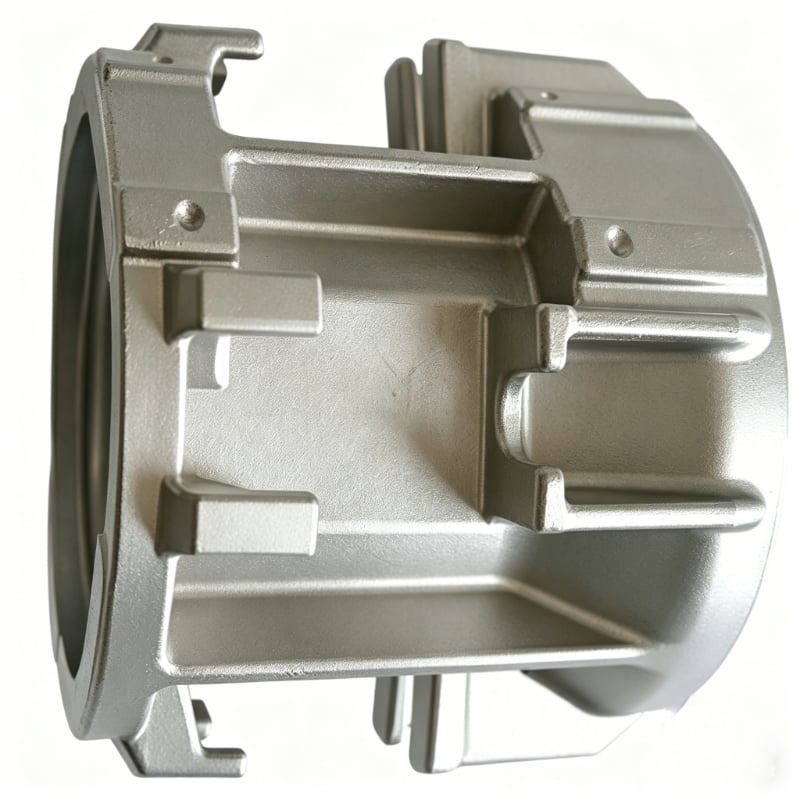
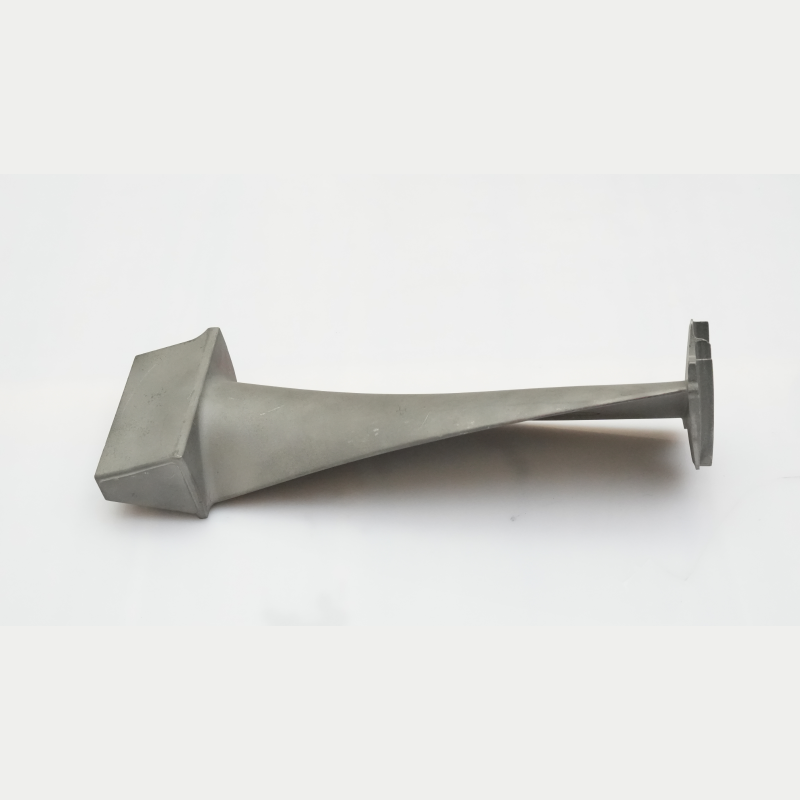
Precision casting and machining represents a sophisticated manufacturing approach that combines two essential processes to create high-quality metal components with exceptional accuracy and surface finish. This integrated methodology begins with precision casting, also known as investment casting or lost-wax casting, which produces near-net-shape parts with intricate geometries and fine details. The process involves creating a wax pattern, coating it with ceramic material, melting away the wax, and pouring molten metal into the resulting mold cavity. Following the casting phase, precision machining operations refine the component further, removing excess material and achieving tight tolerances that casting alone cannot deliver. The main functions of precision casting and machining include producing complex metal parts with minimal material waste, achieving dimensional accuracy within microns, creating components with smooth surface finishes, and manufacturing parts that require both intricate internal features and precise external dimensions. Technological features of this combined approach include computer-aided design integration, advanced mold-making techniques, controlled solidification processes, multi-axis CNC machining capabilities, and quality inspection systems that ensure every component meets exact specifications. The applications span numerous industries where performance and reliability are critical. Aerospace manufacturers rely on precision casting and machining for turbine blades, structural brackets, and engine components that must withstand extreme temperatures and stresses. Medical device producers use these processes to create surgical instruments, implants, and diagnostic equipment components with biocompatible materials and sterile surface finishes. Automotive industry applications include transmission housings, suspension components, and specialized engine parts that demand both strength and weight optimization. Industrial equipment manufacturers utilize precision casting and machining for pump housings, valve bodies, and machinery components that require corrosion resistance and dimensional stability. The energy sector employs these techniques for oil and gas equipment, power generation components, and renewable energy system parts that must perform reliably in challenging environments.

Popular Products

Choosing precision casting and machining for your component manufacturing needs delivers substantial practical benefits that directly impact your bottom line and product performance. First and foremost, this combined approach dramatically reduces material waste compared to traditional machining from solid stock, which means you pay less for raw materials while supporting environmental sustainability goals. The near-net-shape capability of the casting process means less excess material needs removal during machining operations, cutting down on production time and tool wear costs. You gain access to complex geometries that would be impossible or prohibitively expensive to machine from solid material, including internal passages, undercuts, and intricate surface details that enhance component functionality. The ability to cast multiple features into a single part eliminates the need for assembly operations, reducing labor costs and eliminating potential failure points where separate pieces would otherwise join together. Surface quality achieved through precision casting and machining surpasses what either process delivers alone, giving your products a professional appearance while improving performance characteristics like reduced friction and better fluid flow dynamics. Material versatility stands out as another significant advantage, as this manufacturing method works effectively with stainless steels, aluminum alloys, titanium, copper alloys, and specialized materials that suit your specific application requirements. You benefit from faster time-to-market because precision casting produces parts closer to final dimensions, requiring less machining time than conventional methods and enabling quicker prototype development and production ramp-up. Dimensional consistency across production runs ensures that every component fits perfectly in your assemblies, reducing quality control issues and customer returns. The strength and integrity of cast components often exceed those of fabricated or welded alternatives because the metal forms as a single continuous structure without joints or seams that create weak points. Cost-effectiveness improves particularly for medium to high volume production, where tooling investments amortize across many parts and per-piece costs drop significantly. Flexibility in design modifications allows you to refine components through iterations without massive retooling expenses, supporting continuous improvement initiatives and adaptation to changing market demands. Quality assurance becomes more manageable with modern inspection technologies that verify both cast features and machined dimensions, giving you confidence that components meet specifications before they reach your assembly line or customers.

Latest News

Why Do Manufacturers Prefer a Silica Sol Investment Casting Supplier for Complex Metal Parts?

05

Jun

Why Do Manufacturers Prefer a Silica Sol Investment Casting Supplier for Complex Metal Parts?

When precision, surface quality, and dimensional accuracy are non-negotiable, manufacturers consistently turn to a trusted silica sol investment casting supplier. This decision is rarely arbitrary. It is driven by a deep understanding of what silica ...
View More
Which Quality Standards Should a Custom Lost Wax Casting Foundry Meet for Export Markets?

05

Jun

Which Quality Standards Should a Custom Lost Wax Casting Foundry Meet for Export Markets?

Selecting a manufacturing partner for precision components intended for international buyers is never a straightforward decision. When the supply chain depends on a custom lost wax casting foundry, procurement engineers and quality managers must go b...
View More
How Can OEM ODM Precision Casting Services Accelerate New Product Development Cycles?

26

Jun

How Can OEM ODM Precision Casting Services Accelerate New Product Development Cycles?

Bringing a new industrial product from concept to market is rarely a straightforward journey. Engineering teams face relentless pressure to compress timelines, reduce prototype iterations, and deliver production-ready components without sacrificing d...
View More
What Should Global Buyers Expect from OEM ODM Precision Casting Services Suppliers?

05

Jun

What Should Global Buyers Expect from OEM ODM Precision Casting Services Suppliers?

For global buyers sourcing complex metal components, selecting a reliable partner for oem odm precision casting services is one of the most consequential procurement decisions in a production cycle. The stakes are high: dimensional inaccuracies, inco...
View More

Get a Free Quote

Our representative will contact you soon.
Email
Name
Mobile
Company Name
Message
0/1000

precision casting and machining

Superior Design Freedom and Complexity Management

Superior Design Freedom and Complexity Management

Precision casting and machining unlocks unprecedented design possibilities that transform how engineers approach component development and optimization. Traditional manufacturing methods impose significant constraints on part geometry, forcing designers to compromise between ideal functionality and production feasibility. This combined approach eliminates many of those limitations, empowering you to create components that truly serve their intended purpose without unnecessary design compromises. The casting phase produces intricate internal cavities, complex external contours, and variable wall thicknesses that would require extensive machining time or multiple operations if starting from solid material. Think about components with cooling channels, weight-reduction pockets, or aerodynamic profiles that enhance performance while minimizing mass. These features become economically viable through precision casting and machining rather than remaining theoretical concepts that cost too much to implement. The process accommodates sharp corners, smooth transitions, and detailed surface textures that contribute to both aesthetic appeal and functional performance. Engineers can integrate mounting bosses, alignment features, and connection points directly into the cast design, reducing part count in assemblies and simplifying installation procedures. This design freedom extends to material distribution, allowing you to place metal precisely where structural requirements demand it while minimizing excess material in low-stress areas. The result is optimized strength-to-weight ratios that improve product performance and reduce operational costs in applications where weight matters. Complex components that previously required multiple pieces welded or fastened together can now be consolidated into single cast parts, eliminating joints that create potential failure points and simplifying supply chain management. The machining phase refines critical surfaces, adds precision features like threaded holes or bearing seats, and achieves tolerances that match the most demanding engineering specifications. This complementary relationship between casting and machining means you get the best of both worlds: the geometric complexity and material efficiency of casting combined with the dimensional precision and surface quality of machining. Your development team can iterate designs more freely, testing different configurations and optimizing performance characteristics without being constrained by manufacturing limitations that stifle innovation.
Exceptional Material Properties and Performance Reliability

Exceptional Material Properties and Performance Reliability

Precision casting and machining delivers components with superior material properties and structural integrity that directly translate to longer service life and better performance in demanding applications. The casting process creates a uniform grain structure throughout the component as molten metal solidifies in a controlled environment, resulting in consistent mechanical properties without the directional weaknesses that can occur in rolled or forged materials. This metallurgical advantage means your components resist fatigue, handle stress loads more effectively, and maintain dimensional stability across temperature variations and operational cycles. The absence of seams, welds, or joints eliminates stress concentrators that typically initiate crack formation and component failure, giving you products that last longer and require less frequent replacement. Material selection flexibility allows you to specify alloys optimized for your exact application requirements, whether you need corrosion resistance for marine environments, high-temperature strength for thermal applications, or biocompatibility for medical devices. The combined process maintains material properties throughout manufacturing because machining operations remove only minimal amounts of material and do not alter the internal structure created during casting. Surface integrity achieved through precision machining eliminates defects, contamination, and rough spots that could compromise performance or accelerate wear in service. Components produced through precision casting and machining exhibit predictable behavior under load, simplifying engineering calculations and reducing safety factors that add unnecessary weight and cost. The fine-grained microstructure typical of precision castings provides excellent fatigue resistance, making components suitable for applications with cyclic loading where repeated stress reversals would otherwise cause premature failure. You can specify post-casting heat treatments that further enhance material properties, achieving specific hardness levels, improving toughness, or relieving residual stresses that might otherwise cause dimensional changes over time. Quality control measures integrated throughout production verify material composition, detect internal defects through non-destructive testing, and confirm mechanical properties through sample testing, ensuring every component meets your specifications. The reliability of components produced through precision casting and machining reduces warranty claims, minimizes downtime in critical applications, and builds customer confidence in your products. Performance consistency across production batches means that components installed today will behave identically to those installed months or years from now, simplifying spare parts management and supporting long-term product support commitments.
Economic Efficiency and Scalable Production Capabilities

Economic Efficiency and Scalable Production Capabilities

Precision casting and machining provides outstanding economic value through reduced production costs, efficient material utilization, and scalability that adapts to your business growth and changing market demands. The initial investment in tooling and process development pays dividends across the product lifecycle as per-unit costs decrease with production volume and material waste remains minimal throughout manufacturing runs. Unlike machining from solid stock, which may remove eighty percent or more of the starting material as chips, precision casting uses material efficiently by forming components close to final shape, with machining operations removing only what is necessary to achieve precise dimensions and surface finishes. This material efficiency translates directly to lower raw material costs, particularly important when working with expensive alloys like titanium or specialized stainless steels where material represents a significant portion of component cost. Production speed increases because casting produces multiple components simultaneously in a single pour, and machining operations focus only on critical features rather than removing large amounts of material. The time savings accelerate your production schedule, reduce labor costs per component, and enable faster response to customer orders or market opportunities. Tooling longevity contributes to economic advantages as ceramic molds for precision casting and machining fixtures remain effective through thousands of production cycles before requiring replacement or refurbishment. Setup procedures become routine and repeatable, reducing the skill level required for production operations and minimizing the risk of costly errors or quality issues. Scalability allows you to start with modest production volumes while maintaining economical per-piece costs, then increase output as demand grows without redesigning components or making substantial additional investments in manufacturing infrastructure. The flexibility to adjust production schedules accommodates seasonal demand variations, prototype development, and custom orders without disrupting established production flows for standard components. Inventory management improves because shorter lead times and reliable production schedules reduce the need for large buffer stocks, freeing working capital and warehouse space for other business priorities. Quality costs decrease as the inherent accuracy of precision casting and machining reduces inspection requirements, minimizes rework, and virtually eliminates scrap from out-of-tolerance components. You gain competitive advantages through lower production costs that support aggressive pricing strategies or improved profit margins while maintaining product quality that differentiates your offerings in the marketplace.

Get a Free Quote

Our representative will contact you soon.
Email
Name
Mobile
Company Name
Message
0/1000