Precision Casting and Machining Services | High-Accuracy Custom Metal Components Manufacturing

Get a Free Quote

Our representative will contact you soon.
Email
Name
Company Name
Message
0/1000

precision casting and machining

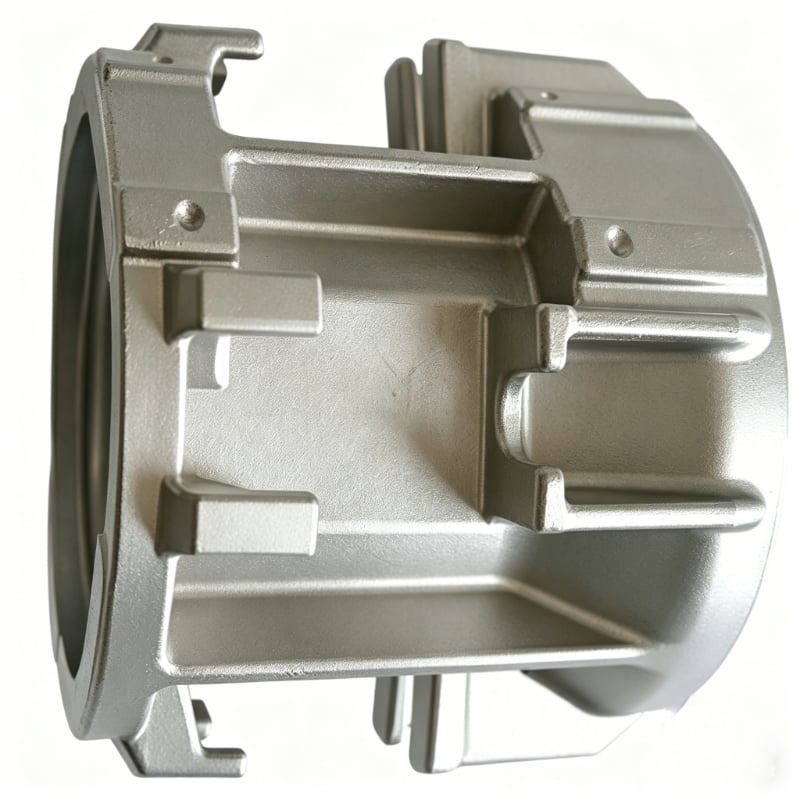
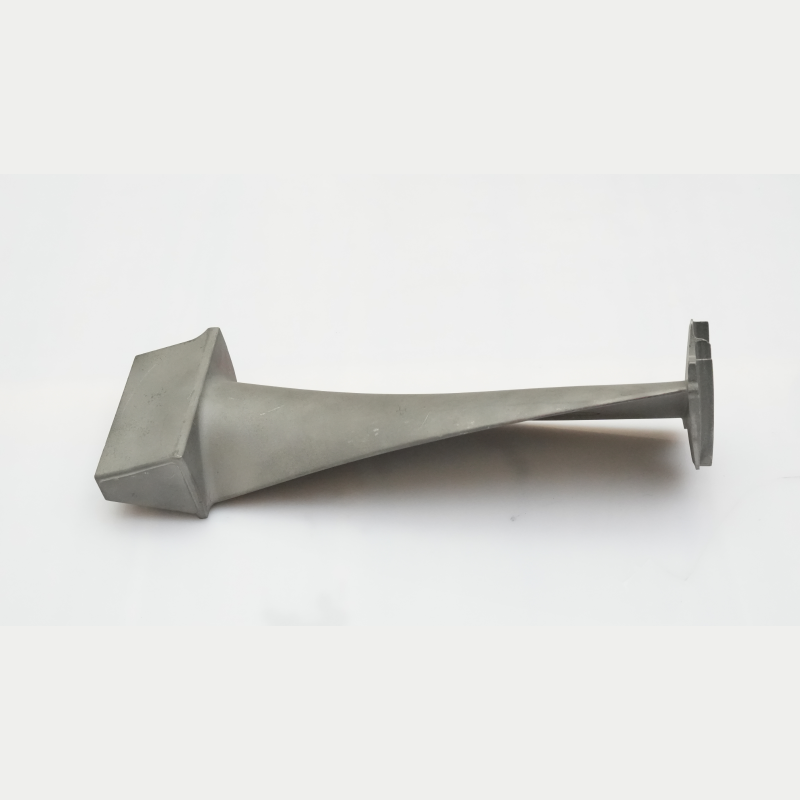
Precision casting and machining represents a sophisticated manufacturing approach that combines two critical production techniques to deliver components with exceptional accuracy and surface quality. This integrated process begins with precision casting, where molten metal is poured into carefully designed molds to create near-net-shape parts with intricate geometries. Following the casting phase, precision machining refines these components through controlled material removal, achieving tight tolerances and superior finishes that meet exacting specifications. The main functions of precision casting and machining include producing complex metal parts with dimensional accuracy, creating components that require minimal post-processing, and manufacturing products that demand both structural integrity and aesthetic appeal. Technological features of this combined methodology encompass advanced mold design utilizing computer-aided engineering, controlled solidification processes that minimize defects, multi-axis CNC machining capabilities for intricate detail work, and quality control systems employing coordinate measuring machines and optical inspection tools. The process accommodates various materials including stainless steel, aluminum alloys, bronze, brass, and specialized metal compositions, making it versatile across industries. Applications span aerospace components such as turbine blades and structural fittings, automotive parts including engine blocks and transmission housings, medical devices like surgical instruments and implant components, industrial equipment such as valve bodies and pump housings, and marine hardware requiring corrosion resistance. The precision casting and machining process excels in producing small to medium batch sizes where customization is essential, allowing manufacturers to achieve complex features that would be impossible or economically unfeasible through other methods. This approach reduces material waste compared to traditional machining from solid stock, shortens production timelines by starting with near-final shapes, and delivers consistent results across production runs, making it an invaluable solution for demanding applications where quality cannot be compromised.

New Product Recommendations

Companies choosing precision casting and machining gain numerous practical benefits that directly impact their bottom line and product quality. First, this method significantly reduces material waste because the casting process creates components close to their final shape, requiring minimal material removal during machining. Traditional machining from solid blocks can waste up to seventy percent of raw material, while precision casting and machining typically achieves material utilization rates exceeding eighty-five percent, translating to substantial cost savings on expensive metals. Second, the process enables manufacturers to create complex internal passages, undercuts, and intricate external features that would require multiple setups or prove impossible with conventional machining alone. This design freedom allows engineers to optimize parts for performance rather than manufacturing limitations, resulting in lighter components with improved functionality. Third, production timelines shorten considerably because casting provides the basic shape rapidly, and subsequent machining operations focus only on critical surfaces requiring tight tolerances. This combination reduces overall manufacturing time by forty to sixty percent compared to complete machining from raw stock. Fourth, precision casting and machining delivers superior mechanical properties because the casting process can be controlled to optimize grain structure and material density, while strategic machining preserves these beneficial characteristics. Fifth, cost efficiency improves dramatically for medium-volume production runs, typically between fifty and five thousand units, where tooling costs are amortized effectively while maintaining flexibility for design variations. Sixth, surface finish quality reaches exceptional levels through precision machining, achieving roughness values below point-eight micrometers when required, suitable for applications where smoothness affects performance or appearance. Seventh, dimensional consistency across production batches remains remarkably stable, with statistical process control ensuring that components meet specifications reliably, reducing rejection rates and inspection costs. Eighth, the method accommodates rapid prototyping and design iteration, allowing companies to test concepts quickly before committing to high-volume production. Ninth, environmental benefits accrue through reduced energy consumption compared to extensive machining operations and lower scrap generation requiring recycling. Tenth, manufacturers gain competitive advantages by offering customers shorter lead times, better pricing on complex parts, and the ability to incorporate last-minute design improvements without prohibitive cost penalties, making precision casting and machining an intelligent choice for businesses seeking manufacturing excellence.

Practical Tips

Basic Principles Of Design Of Precision Casting Gating System

11

May

Basic Principles Of Design Of Precision Casting Gating System

View More
Selection And Application Scope Of Hardness Tester

11

May

Selection And Application Scope Of Hardness Tester

View More
Stainless Steel Castings for Architectural Posts

11

May

Stainless Steel Castings for Architectural Posts

View More
Precision Stainless Steel Exhaust Manifold Casting Solution For Luxury Sedan - With Japanese First-Tier Car Brand

11

May

Precision Stainless Steel Exhaust Manifold Casting Solution For Luxury Sedan - With Japanese First-Tier Car Brand

View More

Get a Free Quote

Our representative will contact you soon.
Email
Name
Company Name
Message
0/1000

precision casting and machining

Exceptional Dimensional Accuracy and Repeatability

Exceptional Dimensional Accuracy and Repeatability

Precision casting and machining achieves dimensional accuracy levels that set industry benchmarks, delivering components with tolerances as tight as plus or minus zero point zero two five millimeters on critical features. This exceptional accuracy stems from the synergistic combination of controlled casting processes and advanced machining technologies. During the casting phase, sophisticated mold design incorporating shrinkage compensation and thermal analysis ensures that solidified components maintain dimensional stability. Modern investment casting techniques using ceramic shell molds can achieve surface finishes of one hundred twenty-five microinches directly from the casting process, providing an excellent foundation for subsequent machining operations. When precision machining follows, computer numerical control equipment with five-axis capabilities and thermal compensation systems maintains positioning accuracy within microns, even during extended production runs. The repeatability of precision casting and machining proves equally impressive, with statistical process control data showing capability indices exceeding one point six seven for critical dimensions across thousands of parts. This consistency eliminates the variability that plagues less sophisticated manufacturing methods, where dimensional drift between first and last pieces in a production run can cause assembly problems and functional failures. For customers, this translates into components that fit perfectly every time, reducing assembly labor, eliminating costly rework, and ensuring that end products perform reliably throughout their service life. Industries such as aerospace and medical devices, where dimensional accuracy directly affects safety and regulatory compliance, particularly value this attribute of precision casting and machining. The measurement and verification processes integrated throughout production provide documented evidence of conformance, supporting quality management systems and traceability requirements. Furthermore, the ability to hold tight tolerances on both external and internal features simultaneously gives designers freedom to create optimized geometries without compromising manufacturability, enabling innovation that delivers competitive advantages in the marketplace.
Cost-Effective Solution for Complex Geometries

Cost-Effective Solution for Complex Geometries

Precision casting and machining provides an economically superior approach for manufacturing components with complex geometries that would otherwise require extensive machining time or multiple-piece assemblies. The cost-effectiveness becomes particularly evident when analyzing the complete production economics rather than simply comparing process rates. Traditional machining of intricate parts from solid billets involves removing large volumes of material, consuming significant machine time, wearing out expensive cutting tools rapidly, and generating substantial scrap that must be recycled. In contrast, precision casting and machining begins with a near-net-shape component, where the casting process has already formed the basic geometry, internal cavities, and complex external features. Machining operations then focus exclusively on surfaces requiring precise dimensions or superior finishes, typically representing only fifteen to twenty-five percent of the total component volume. This targeted approach reduces machining time by sixty to seventy-five percent compared to complete machining, directly lowering labor costs and equipment utilization expenses. Tool wear decreases proportionally because fewer cutting operations are required, extending tool life and reducing tooling costs. The economic advantages extend beyond direct manufacturing expenses to encompass material costs, where precision casting and machining achieves material buy-to-fly ratios of three-to-one or better, compared to ratios of ten-to-one or higher for complex machined parts. For expensive materials like titanium alloys or nickel-based superalloys, these material savings alone can justify the process selection. Additionally, precision casting and machining eliminates the need for multiple-piece assemblies that would otherwise be required to create complex shapes, removing welding or fastening operations, reducing part count, and improving structural integrity. The tooling investment for precision casting and machining remains moderate, with casting patterns and machining fixtures typically costing less than complex multi-station machining setups. This moderate tooling cost makes the process economically viable for production quantities starting around one hundred units, much lower than the thousands of units typically required to justify dedicated transfer line machining. Customers benefit from lower piece prices, faster quotation-to-delivery cycles, and the flexibility to incorporate design improvements without prohibitive re-tooling expenses, making precision casting and machining an intelligent choice for cost-conscious procurement.
Superior Material Properties and Performance Characteristics

Superior Material Properties and Performance Characteristics

Precision casting and machining delivers components with superior material properties and performance characteristics that exceed those achievable through alternative manufacturing methods. The metallurgical advantages begin during the casting process, where controlled solidification creates favorable grain structures and material density. Investment casting, a common precision casting technique, produces components with fine, uniform grain structures because the molten metal solidifies in ceramic molds that extract heat predictably. This controlled cooling prevents the coarse grain formation and porosity that can occur in sand casting or rapid cooling processes, resulting in components with excellent mechanical properties including higher tensile strength, improved fatigue resistance, and enhanced ductility. The homogeneous material structure throughout the component ensures consistent performance, eliminating weak zones that might fail under stress. When precision machining follows casting, strategic planning ensures that material removal operations do not compromise these favorable metallurgical characteristics. Surface machining can actually enhance properties by removing any surface defects from casting and creating compressive residual stresses that improve fatigue life in cyclically loaded applications. Precision casting and machining accommodates specialized heat treatments applied either after casting or after final machining, optimizing material properties for specific applications. Solution annealing, precipitation hardening, stress relieving, and other thermal processes can be integrated seamlessly into the production sequence, developing material properties unattainable through other methods. The process flexibility extends to material selection, supporting virtually any castable alloy including stainless steels, aluminum alloys, copper alloys, and exotic materials like Inconel or Hastelloy. This broad material compatibility allows engineers to specify the optimal alloy for each application rather than compromising based on manufacturing constraints. For applications involving corrosion resistance, precision casting and machining produces components without the joints, crevices, or dissimilar metal contacts that create corrosion vulnerabilities in fabricated assemblies. The monolithic structure provides uniform corrosion resistance and eliminates galvanic corrosion concerns. In high-temperature applications, precision casting and machining creates components with controlled grain orientation and minimal residual stress, preventing creep deformation and maintaining dimensional stability throughout the operating temperature range. These superior material properties and performance characteristics translate directly into longer service life, reduced maintenance requirements, and improved reliability for customers, justifying the selection of precision casting and machining for critical applications where component failure carries significant consequences.

Get a Free Quote

Our representative will contact you soon.
Email
Name
Company Name
Message
0/1000