Premium Cast and Machined Components - Precision Manufacturing Solutions for Industry

Get a Free Quote

Our representative will contact you soon.
Email
Name
Company Name
Message
0/1000

cast and machined components

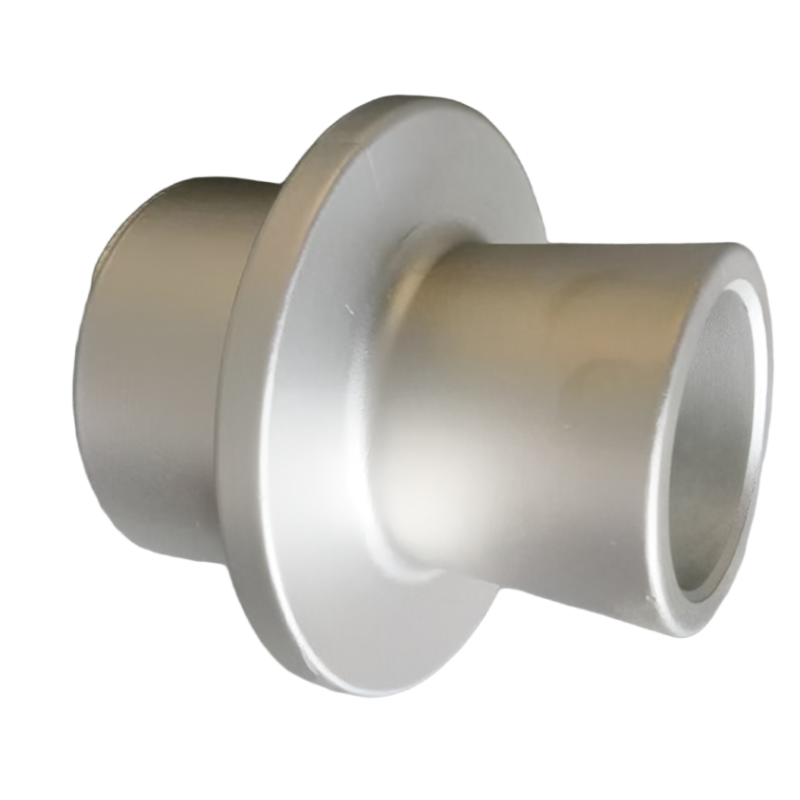
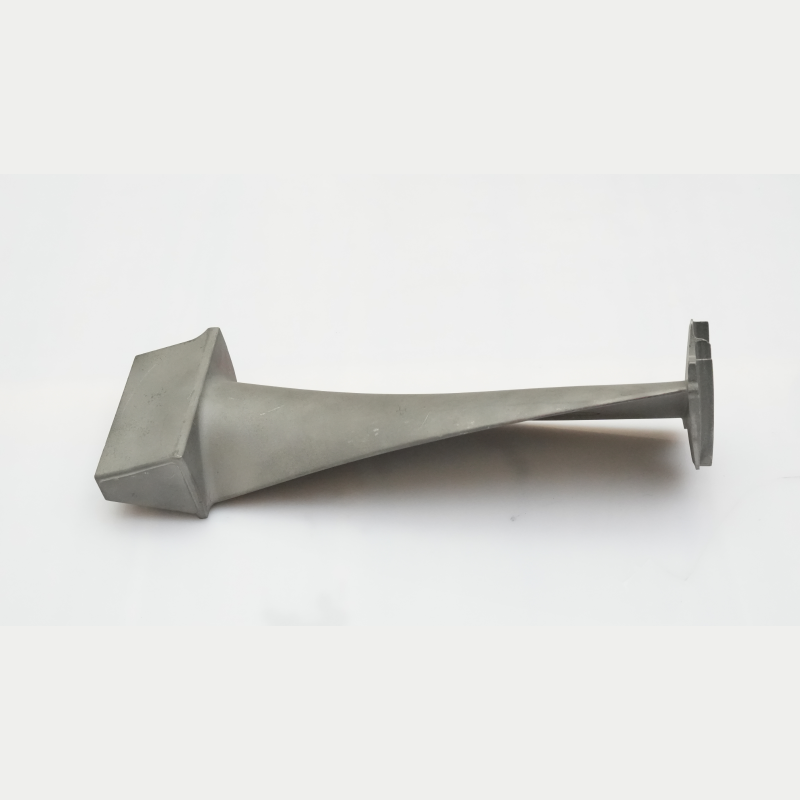
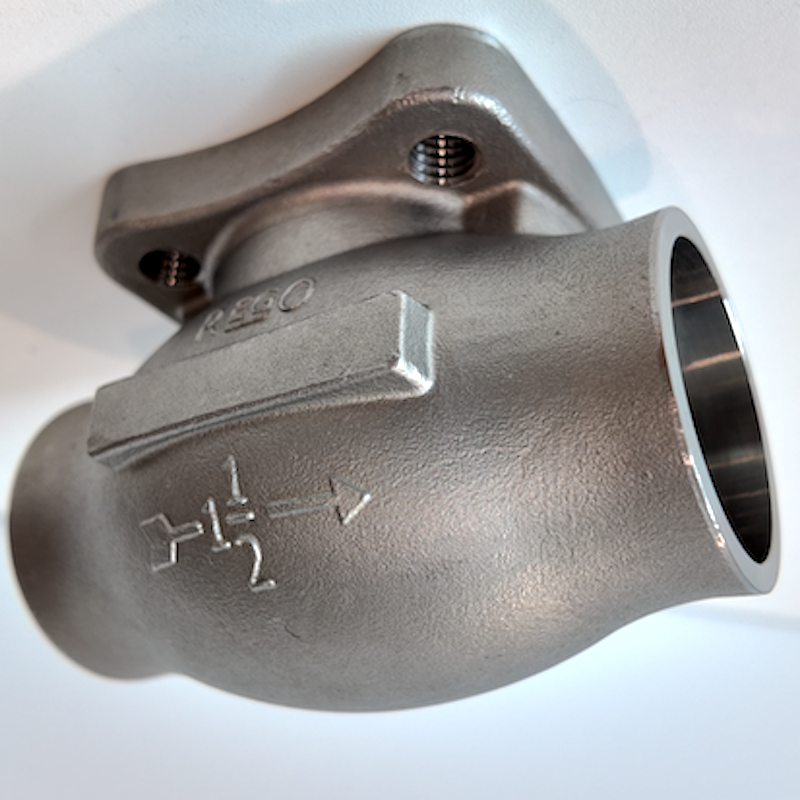
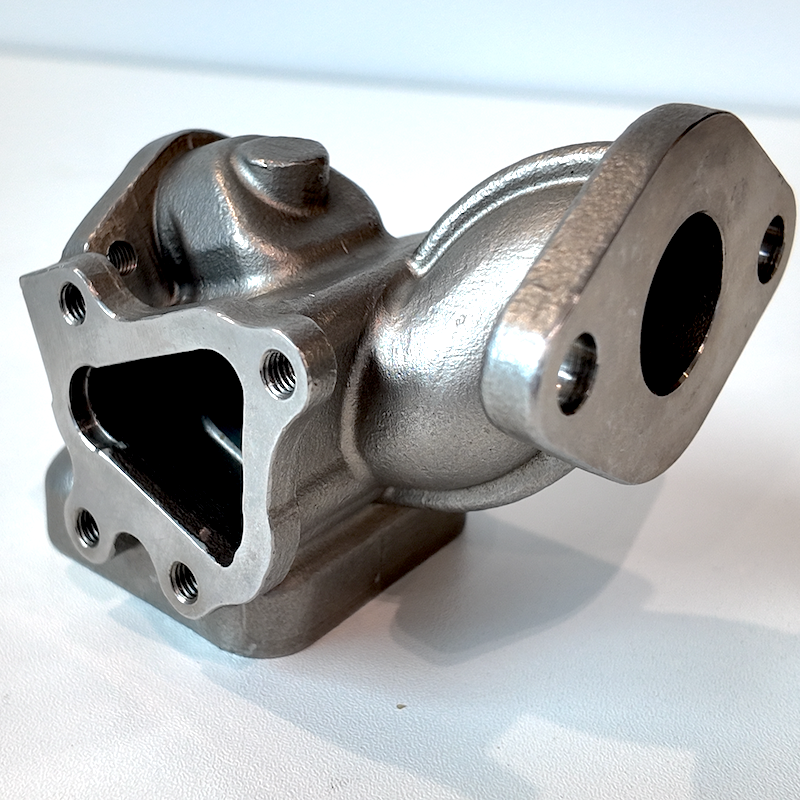
Cast and machined components represent a sophisticated manufacturing solution that combines traditional casting processes with precision machining operations to create high-performance parts for diverse industrial applications. These components begin their journey as cast metal pieces, formed by pouring molten material into carefully designed molds, and then undergo precise machining operations to achieve exact specifications and superior surface finishes. The main functions of cast and machined components include providing structural integrity in mechanical assemblies, facilitating smooth mechanical motion through precisely machined surfaces, and delivering reliable performance in demanding operational environments. The technological features that distinguish these components involve the integration of casting's ability to create complex geometries with machining's capacity to deliver tight tolerances and excellent surface quality. This dual-process approach allows manufacturers to produce parts that would be impossible or economically unfeasible using either method alone. Cast and machined components find applications across numerous sectors including automotive manufacturing, where they serve as engine blocks, transmission housings, and suspension components; aerospace engineering, where weight reduction and precision are paramount; industrial machinery, providing robust housings and mounting structures; marine equipment, offering corrosion-resistant solutions for harsh environments; and energy generation systems, where reliability under extreme conditions is essential. The versatility of cast and machined components stems from their ability to accommodate various materials including aluminum alloys, steel, iron, bronze, and specialty metals, each selected based on specific performance requirements such as strength, weight, thermal conductivity, or corrosion resistance. Modern manufacturing facilities employ advanced technologies including computer-aided design, simulation software, and CNC machining centers to ensure consistent quality and dimensional accuracy throughout production. The combination of casting and machining processes enables cost-effective production of complex parts while maintaining the precision necessary for critical applications.

Popular Products

Cast and machined components deliver exceptional value through numerous practical benefits that directly impact your operational efficiency and bottom line. First and foremost, these components offer remarkable cost savings compared to parts manufactured through alternative methods. The casting process allows for economical production of complex shapes that would require extensive machining time if started from solid stock, while subsequent machining operations add precision only where needed, eliminating wasteful material removal. This strategic combination reduces both material costs and production time, translating into competitive pricing without compromising quality. The durability of cast and machined components stands as another significant advantage, as the casting process creates parts with inherent strength characteristics while machining ensures perfect fit and function. This durability means longer service life, fewer replacements, and reduced maintenance expenses over the component's operational lifetime. Design flexibility represents a powerful benefit, enabling engineers to create intricate internal passages, varying wall thicknesses, and integrated features that optimize performance while minimizing weight. This flexibility accelerates product development cycles and allows for innovative solutions to complex engineering challenges. The superior surface finish achieved through machining operations ensures smooth operation in moving assemblies, reduces friction and wear, and provides aesthetically pleasing appearances for visible components. Quality consistency across production runs gives you confidence in assembly processes and final product performance, as modern manufacturing controls ensure each component meets exact specifications. The wide material selection available for cast and machined components allows you to choose the optimal balance of properties for your specific application, whether prioritizing strength, weight reduction, thermal management, or environmental resistance. Lead time advantages emerge from the ability to produce multiple components simultaneously through casting, while CNC machining operations can run continuously with minimal supervision. Environmental benefits include efficient material utilization, as casting uses precisely calculated amounts of metal and machining generates recyclable chips, supporting your sustainability initiatives. The proven reliability of cast and machined components in critical applications provides peace of mind, knowing that your equipment will perform consistently under demanding conditions. Technical support from experienced manufacturers helps optimize designs for manufacturability, potentially identifying cost-saving modifications without sacrificing functionality. Finally, the scalability of production accommodates everything from prototype quantities to high-volume manufacturing runs, supporting your business growth without requiring process changes or tooling investments.

Practical Tips

Basic Principles Of Design Of Precision Casting Gating System

11

May

Basic Principles Of Design Of Precision Casting Gating System

View More
Selection And Application Scope Of Hardness Tester

11

May

Selection And Application Scope Of Hardness Tester

View More
Stainless Steel Castings for Architectural Posts

11

May

Stainless Steel Castings for Architectural Posts

View More
Stainless Steel Castings for Building Facade Systems

11

May

Stainless Steel Castings for Building Facade Systems

View More

Get a Free Quote

Our representative will contact you soon.
Email
Name
Company Name
Message
0/1000

cast and machined components

Precision Engineering Meets Cost-Effective Manufacturing

Precision Engineering Meets Cost-Effective Manufacturing

The integration of casting and machining processes in producing cast and machined components represents a breakthrough in balancing precision requirements with manufacturing economics. This unique combination addresses a fundamental challenge that has long confronted engineers and procurement professionals: how to obtain parts with exacting dimensional tolerances and surface finish requirements without incurring prohibitive costs. The casting phase establishes the component's basic geometry, creating complex three-dimensional forms that would be extremely time-consuming and wasteful to machine from solid billets. During casting, molten metal fills carefully engineered molds, forming intricate features such as internal cavities, varying cross-sections, and integrated mounting points that exist within the final part. This near-net-shape manufacturing approach means the cast preform already closely resembles the finished component, requiring only strategic machining operations on critical surfaces. The subsequent machining phase targets specific features demanding tight tolerances, such as bearing surfaces, mounting faces, threaded holes, and precision bores. Modern CNC machining centers execute these operations with repeatability measured in thousandths of an inch, ensuring perfect interchangeability across production quantities. This selective application of precision machining keeps costs reasonable while delivering the accuracy essential for proper function. The economic advantages extend beyond direct manufacturing costs to encompass reduced inventory requirements, as the reliability and consistency of cast and machined components minimize the need for safety stock. Quality assurance processes integrated throughout production catch potential issues early, preventing costly downstream corrections. The combination approach also enables faster time-to-market for new products, as casting molds can be produced and proven while machining programs are developed in parallel. For customers, this translates into competitive pricing structures that make high-quality components accessible across various budget levels. The manufacturing efficiency achieved through this dual-process methodology supports both custom one-off projects and high-volume production runs, providing flexibility to match your specific procurement needs. Investment in advanced manufacturing equipment by component suppliers ensures continuous improvement in capability and capacity, delivering increasing value over time as process refinements reduce cycle times and improve yields.
Unmatched Versatility Across Materials and Applications

Unmatched Versatility Across Materials and Applications

Cast and machined components distinguish themselves through extraordinary versatility that allows them to serve successfully across an incredibly diverse range of industries, applications, and operating conditions. This adaptability stems from the fundamental flexibility of both casting and machining processes to work with numerous metal alloys, each offering distinct property profiles suited to specific performance requirements. Aluminum alloys provide excellent strength-to-weight ratios combined with superior thermal conductivity, making them ideal for aerospace components, automotive parts requiring weight reduction, and heat dissipation applications in electronics. Steel castings deliver exceptional tensile strength and impact resistance for heavy-duty industrial machinery, construction equipment, and structural components subjected to high stress loads. Iron castings offer excellent vibration damping characteristics and wear resistance, finding homes in machine tool bases, engine blocks, and brake components. Bronze and copper alloys provide outstanding corrosion resistance and electrical conductivity for marine applications, fluid handling systems, and electrical components. Specialty alloys including stainless steels, nickel-based superalloys, and titanium serve extreme environments in chemical processing, power generation, and medical devices. The machining phase accommodates all these materials with appropriate tooling and parameters, ensuring optimal surface integrity regardless of base material. Application versatility extends across temperature ranges from cryogenic conditions in liquefied gas systems to elevated temperatures in exhaust components and turbine housings. Cast and machined components function reliably in corrosive chemical environments, underwater marine installations, abrasive mining operations, and sterile medical settings. Size ranges span from miniature precision components weighing ounces to massive industrial parts exceeding several tons. Geometric complexity accommodates everything from simple flanges and brackets to intricate valve bodies with internal flow passages and multi-axis machined features. This versatility provides significant advantages for customers operating across multiple product lines or serving diverse markets, as a single manufacturing partner can supply varied component types through consistent processes. The knowledge base developed by experienced manufacturers of cast and machined components encompasses material selection guidance, design optimization recommendations, and application-specific expertise that adds value beyond simply producing parts. Testing capabilities including dimensional inspection, material verification, pressure testing, and performance validation ensure components meet industry-specific standards and regulatory requirements across different sectors.
Superior Performance Through Optimized Material Properties

Superior Performance Through Optimized Material Properties

The performance advantages inherent in cast and machined components derive from the unique metallurgical characteristics developed during the casting process and preserved through careful machining operations, resulting in parts that often outperform those manufactured through alternative methods. During solidification of cast metals, grain structures form that provide directional strength properties optimized for the component's intended loading conditions. Controlled cooling rates and modern casting technologies such as vacuum casting, investment casting, and permanent mold processes enable fine grain structures that enhance mechanical properties including tensile strength, fatigue resistance, and impact toughness. The casting process allows for strategic placement of material thickness variations, reinforcing areas subjected to high stresses while reducing weight in lightly loaded sections, creating strength-to-weight ratios difficult to achieve otherwise. Internal soundness achieved through proper gating design, controlled solidification, and modern quality control techniques including X-ray inspection and ultrasonic testing ensures reliability in critical applications where component failure could have serious consequences. The machining phase complements these inherent material advantages by establishing surfaces with controlled roughness parameters that optimize tribological performance in sliding or rotating interfaces. Precision-machined features maintain proper alignment of mating components, eliminating stress concentrations that could initiate fatigue cracks. Threaded features machined into cast and machined components provide reliable fastening with proper thread form and engagement length. Machined seal surfaces achieve flatness and finish specifications that ensure leak-free operation in fluid systems. The combination of casting's ability to create favorable material properties throughout the component volume and machining's capacity to perfect critical surfaces results in parts that perform reliably over extended service lives. Real-world performance data from cast and machined components in demanding applications demonstrates exceptional fatigue life in cyclic loading conditions, minimal dimensional change during thermal cycling, and sustained accuracy despite operational wear. Customers benefit from reduced warranty claims, lower maintenance costs, and enhanced reputation for product reliability. The performance consistency across production quantities means prototype testing accurately predicts field performance of production components, reducing development risk. Advanced finishing processes including heat treatment, surface coating, and protective plating can be applied to cast and machined components to further enhance properties such as hardness, corrosion resistance, and wear resistance, extending component life in severe service environments.

Get a Free Quote

Our representative will contact you soon.
Email
Name
Company Name
Message
0/1000