Precision Cast and Machined Components - High-Quality Custom Manufacturing Solutions

Get a Free Quote

Our representative will contact you soon.
Email
Name
Company Name
Message
0/1000

precision cast and machined components

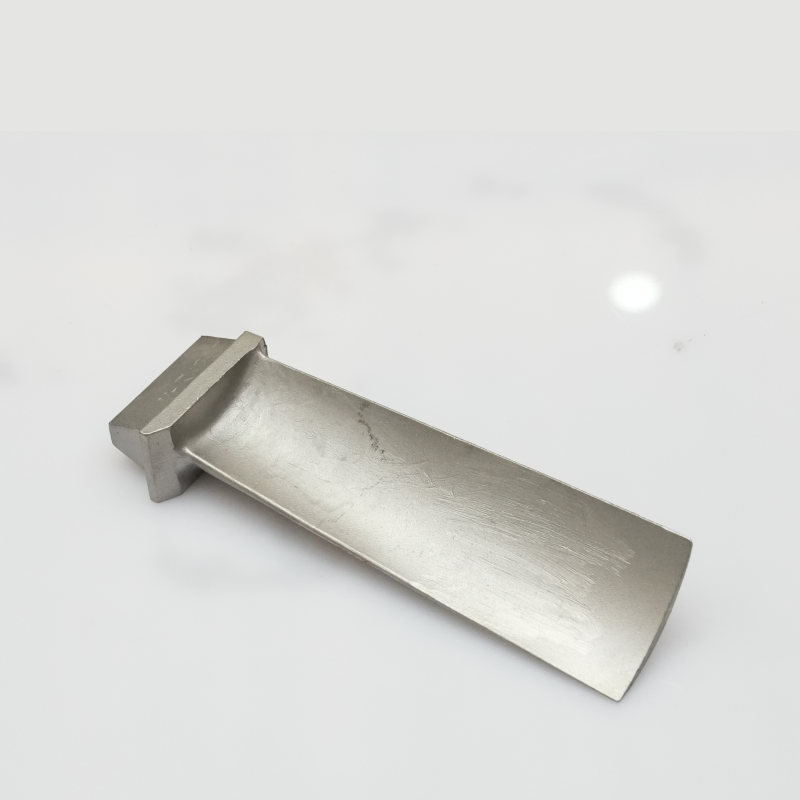
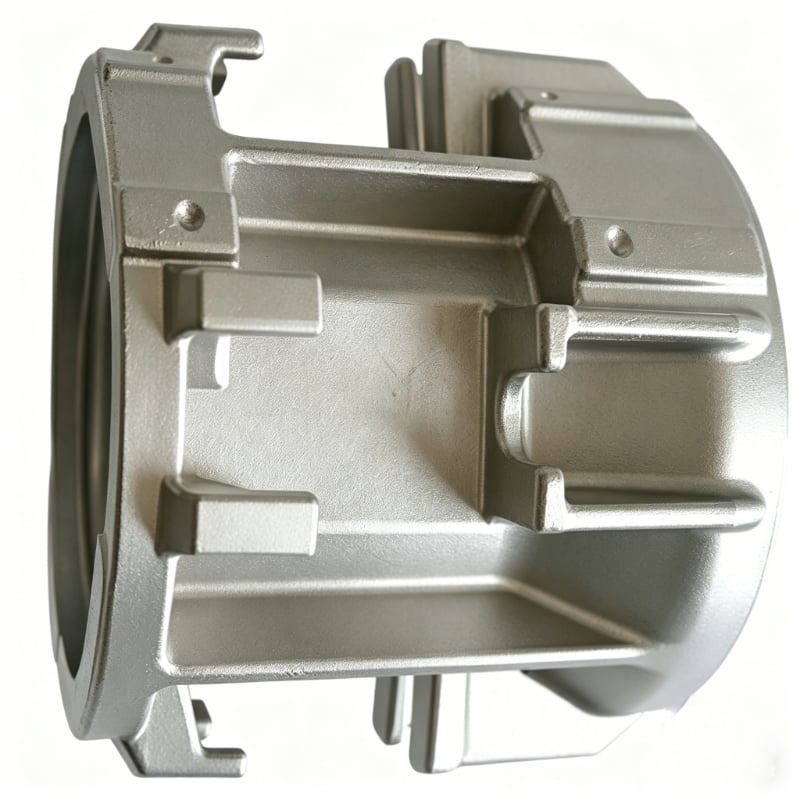
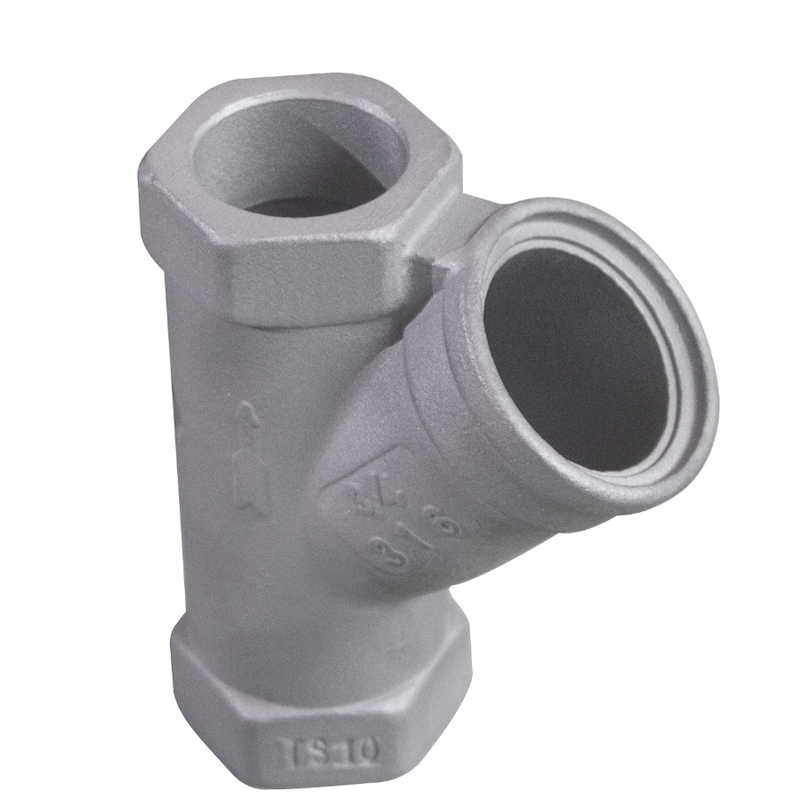
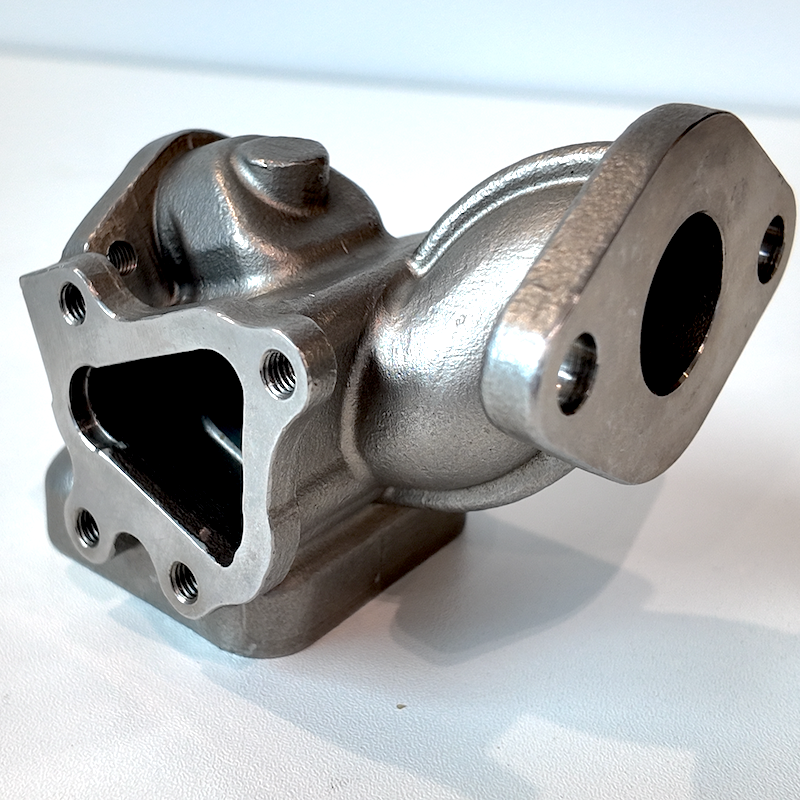
Precision cast and machined components represent the pinnacle of modern manufacturing excellence, combining traditional casting methods with advanced machining processes to deliver parts that meet exacting specifications. These components undergo a dual-stage production process where raw materials are first formed through precision casting techniques, creating near-net shapes with excellent dimensional accuracy. Subsequently, computer numerical control machining operations refine these castings to achieve tolerances measured in microns, surface finishes that enhance performance, and geometric features impossible to achieve through casting alone. The main functions of precision cast and machined components encompass providing structural integrity in mechanical assemblies, facilitating smooth operation in moving systems, ensuring reliable performance under demanding conditions, and reducing overall production costs through optimized material usage. These components serve as critical elements in transmitting forces, supporting loads, maintaining alignments, and enabling complex mechanical interactions across countless applications. Technologically, the process leverages investment casting, sand casting, or die casting methods combined with multi-axis CNC machining centers, electrical discharge machining, and grinding operations. Material options span aluminum alloys for lightweight applications, stainless steels for corrosion resistance, carbon steels for strength, bronze alloys for wear resistance, and specialized superalloys for extreme environments. Quality control integrates coordinate measuring machines, spectroscopy for material verification, non-destructive testing, and statistical process control to guarantee every component meets stringent requirements. Applications extend across aerospace systems including turbine housings and structural brackets, automotive components such as engine blocks and transmission cases, medical devices requiring biocompatible materials, industrial machinery from pump housings to valve bodies, energy sector equipment, defense applications, and consumer products demanding reliability. The versatility of precision cast and machined components makes them indispensable across industries where performance, durability, and cost-effectiveness converge to create competitive advantages for manufacturers and end-users alike.

New Product Releases

Choosing precision cast and machined components delivers tangible benefits that directly impact your bottom line and product performance. First, you gain exceptional cost efficiency because the casting process uses materials economically, creating shapes close to the final dimensions and minimizing waste. This approach reduces raw material expenses compared to machining parts entirely from solid stock, where up to seventy percent of material might become chips. The combination process also shortens production time, as casting creates complex geometries quickly while machining focuses only on critical surfaces requiring tight tolerances. Second, you receive superior design flexibility that allows engineers to incorporate intricate internal passages, varying wall thicknesses, and complex external contours that would be prohibitively expensive or impossible using other methods. This freedom enables optimal part design where material exists only where needed for strength, reducing weight without sacrificing performance. Third, the components exhibit excellent mechanical properties because modern casting techniques produce fine-grained, homogeneous structures with minimal porosity, and subsequent machining removes any surface imperfections. Heat treatment options further enhance strength, hardness, and durability to match specific application demands. Fourth, you benefit from consistent quality and repeatability, as established casting patterns and CNC machining programs eliminate human variability, ensuring every component matches specifications precisely. This consistency reduces assembly problems, minimizes rejection rates, and builds customer confidence in your products. Fifth, precision cast and machined components offer outstanding surface finish options, with machined surfaces achieving smoothness levels that reduce friction, prevent wear, and enhance aesthetic appeal. Sixth, lead times remain competitive because foundries maintain inventories of common alloys and machining facilities can process multiple parts simultaneously. For production volumes ranging from prototypes to thousands of units, this manufacturing approach scales efficiently. Seventh, you access a wide material selection, choosing alloys optimized for specific performance requirements such as temperature resistance, chemical compatibility, magnetic properties, or electrical conductivity. Eighth, the components support sustainability goals by maximizing material utilization, enabling recycling of machining chips and casting scrap, and producing durable parts that extend product lifecycles. Finally, working with experienced manufacturers provides engineering support throughout development, helping optimize designs for manufacturability, reduce costs, and accelerate time to market. These practical advantages combine to make precision cast and machined components the intelligent choice for demanding applications where quality, performance, and value must align perfectly.

Practical Tips

Basic Principles Of Design Of Precision Casting Gating System

11

May

Basic Principles Of Design Of Precision Casting Gating System

View More
Selection And Application Scope Of Hardness Tester

11

May

Selection And Application Scope Of Hardness Tester

View More
The Role Of Elements In Castings And The Order Of Addition

11

May

The Role Of Elements In Castings And The Order Of Addition

View More
Stainless Steel Castings for Architectural Posts

11

May

Stainless Steel Castings for Architectural Posts

View More

Get a Free Quote

Our representative will contact you soon.
Email
Name
Company Name
Message
0/1000

precision cast and machined components

Unmatched Dimensional Accuracy Through Integrated Manufacturing

Unmatched Dimensional Accuracy Through Integrated Manufacturing

Dimensional accuracy stands as the cornerstone advantage of precision cast and machined components, delivering tolerances that satisfy the most demanding engineering requirements across diverse industries. The integrated manufacturing approach begins with precision casting processes that establish the fundamental geometry with accuracies typically within two to five millimeters, providing an excellent foundation for subsequent machining operations. Investment casting, particularly, creates intricate shapes with smooth surfaces and fine details, while sand casting accommodates larger components and die casting suits high-volume production. These casting methods produce near-net shapes that require minimal material removal, preserving the inherent structural integrity of the cast material. Following the casting phase, advanced CNC machining operations transform these components into finished parts with tolerances routinely held to plus or minus twenty-five microns or tighter. Multi-axis machining centers equipped with precision spindles, temperature-controlled environments, and sophisticated tooling systems execute complex operations including milling, turning, drilling, boring, and threading with exceptional repeatability. Coordinate measuring machines verify dimensions throughout production, comparing actual measurements against CAD models to ensure conformance. This dual-process methodology achieves dimensional control impossible through casting alone, where shrinkage, thermal distortion, and tooling wear limit ultimate accuracy, or machining alone, where material costs and production time become prohibitive. The precision cast and machined components approach optimizes both processes, using casting to efficiently create bulk geometry and machining to refine critical dimensions, surface finishes, and geometric tolerances. For assemblies requiring precise fits, alignment features, and functional surfaces, this accuracy eliminates shimming, adjustments, and compatibility issues during installation. Industries such as aerospace depend on this precision for components where dimensional deviations could compromise safety, performance, or regulatory compliance. Medical device manufacturers require accuracy to ensure proper function and patient safety. Automotive systems need precision for smooth operation, noise reduction, and longevity. The manufacturing integration also enables holding positional tolerances, perpendicularity, parallelism, and concentricity that govern how components interact within assemblies. This geometric control ensures proper load distribution, minimizes vibration, and extends service life. Furthermore, precision cast and machined components maintain dimensional stability over time because stress-relieving heat treatments eliminate residual stresses from casting and machining operations, preventing warping or distortion during service. The combination delivers components you can trust to perform exactly as designed, batch after batch, year after year, supporting your reputation for quality and reliability in competitive markets.
Enhanced Material Properties Optimized For Performance

Enhanced Material Properties Optimized For Performance

Material performance represents a critical differentiator for precision cast and machined components, as the manufacturing process preserves and enhances the inherent properties of engineering alloys while enabling selection from an extensive range of materials tailored to specific applications. The casting process itself contributes to superior material characteristics through controlled solidification that produces fine-grained microstructures with uniform composition throughout the component. Modern foundries employ techniques such as vacuum melting, controlled cooling rates, and inoculation to refine grain structure, minimize inclusions, and reduce porosity to levels matching or exceeding wrought materials. Aluminum alloys offer excellent strength-to-weight ratios, corrosion resistance, and thermal conductivity, making them ideal for aerospace components, automotive parts, and heat exchangers. Stainless steel castings provide outstanding corrosion resistance, high-temperature strength, and hygiene compliance for medical, food processing, and marine applications. Carbon steel components deliver exceptional strength, toughness, and wear resistance for heavy machinery, structural applications, and high-stress environments. Bronze and brass alloys exhibit superior bearing properties, corrosion resistance, and machinability for valves, fittings, and wear components. Superalloys maintain strength and oxidation resistance at elevated temperatures for turbine components and exhaust systems. Beyond material selection, heat treatment processes further optimize properties, with solution annealing, precipitation hardening, quenching, and tempering modifying hardness, strength, ductility, and toughness to match application requirements precisely. The subsequent machining operations do not compromise these carefully developed properties because modern cutting strategies minimize heat generation and residual stress. Additionally, surface treatments such as shot peening introduce beneficial compressive stresses that enhance fatigue resistance, while coatings provide additional corrosion protection, wear resistance, or thermal barriers. The integrated approach of precision cast and machined components allows engineers to specify materials based on performance requirements rather than manufacturing limitations. Need magnetic properties? Select appropriate ferrous alloys. Require non-magnetic characteristics? Choose austenitic stainless steels or aluminum alloys. Demand electrical conductivity? Copper-based alloys provide solutions. This material versatility extends to environmental considerations, with components performing reliably in cryogenic conditions, elevated temperatures, corrosive chemicals, high-pressure systems, and vacuum environments. The homogeneous material structure produced by quality casting practices eliminates weak points, ensuring consistent performance throughout the component volume. For critical applications where failure is unacceptable, non-destructive testing methods including radiography, ultrasonic inspection, and magnetic particle testing verify internal soundness and structural integrity. This material excellence translates directly into longer service life, reduced maintenance requirements, and enhanced safety margins, providing tangible value that justifies the investment in precision cast and machined components for discerning manufacturers.
Cost-Effective Production Across All Volume Ranges

Cost-Effective Production Across All Volume Ranges

Economic efficiency distinguishes precision cast and machined components as the optimal manufacturing solution for businesses seeking to balance quality, performance, and budget constraints across prototype development, medium-scale production, and high-volume manufacturing. The cost advantages begin with material utilization, where casting processes achieve near-net shapes that place material precisely where needed for structural requirements while minimizing excess that would otherwise become expensive scrap. Compared to machining components entirely from solid billets or forgings, the integrated casting and machining approach reduces material consumption by forty to seventy percent depending on component complexity. This material efficiency translates to lower raw material costs, reduced energy consumption for material processing, and smaller environmental impact. For complex geometries featuring internal cavities, varying wall sections, or intricate external features, casting creates these elements during the molding process without the extensive machining time required to create them from solid material. This time savings reduces labor costs, machine utilization hours, and tooling wear. The economic benefits extend across different production volumes through process scalability. Prototype and low-volume production utilizes investment casting with rapid pattern creation, allowing design iterations and small batch production without massive tooling investments. Medium production volumes leverage permanent mold casting or die casting processes that balance tooling costs against per-unit expenses, achieving optimal economics for runs from hundreds to thousands of components. High-volume production employs automated die casting systems with rapid cycle times, producing parts economically even when machining requirements remain substantial. The machining phase benefits from modern CNC technology that reduces setup times, enables lights-out manufacturing, and maximizes throughput through efficient tool paths and high-speed cutting strategies. Standardized machining processes eliminate the skilled labor premium associated with manual operations while delivering superior consistency. Furthermore, precision cast and machined components reduce downstream costs through improved quality and reliability. Components meeting tight tolerances require no fitting or adjustment during assembly, reducing assembly labor and eliminating rejected assemblies. Superior surface finishes reduce friction and wear, extending service intervals and reducing maintenance costs. Dimensional accuracy ensures proper load distribution, preventing premature failures and warranty claims. The combination of lower manufacturing costs, reduced assembly expenses, and enhanced reliability creates total cost of ownership advantages that compound over product lifecycles. Strategic partnerships with experienced manufacturers provide additional economic benefits through design optimization recommendations that improve manufacturability, reduce material usage, and simplify machining operations without compromising performance. Value engineering services identify opportunities to consolidate multiple components into single castings, eliminate unnecessary features, and specify appropriate tolerances that maintain function while reducing costs. These collaborative approaches transform precision cast and machined components from simple purchased parts into strategic advantages that strengthen competitive position, improve profitability, and enable market success.

Get a Free Quote

Our representative will contact you soon.
Email
Name
Company Name
Message
0/1000