Kostnadseffektiv fremstillingsutmerkelse – maksimerer verdi
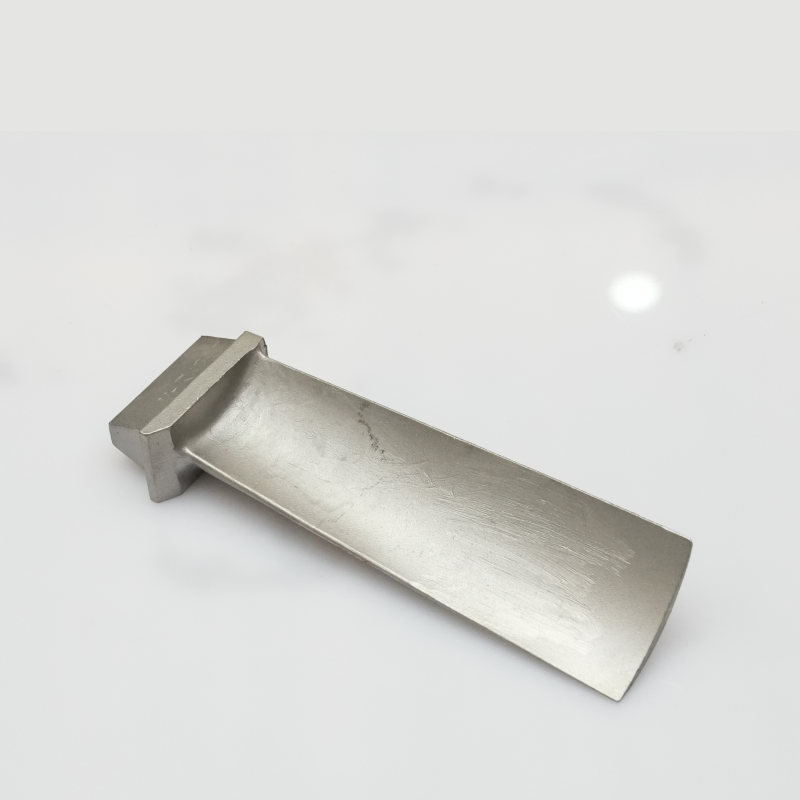
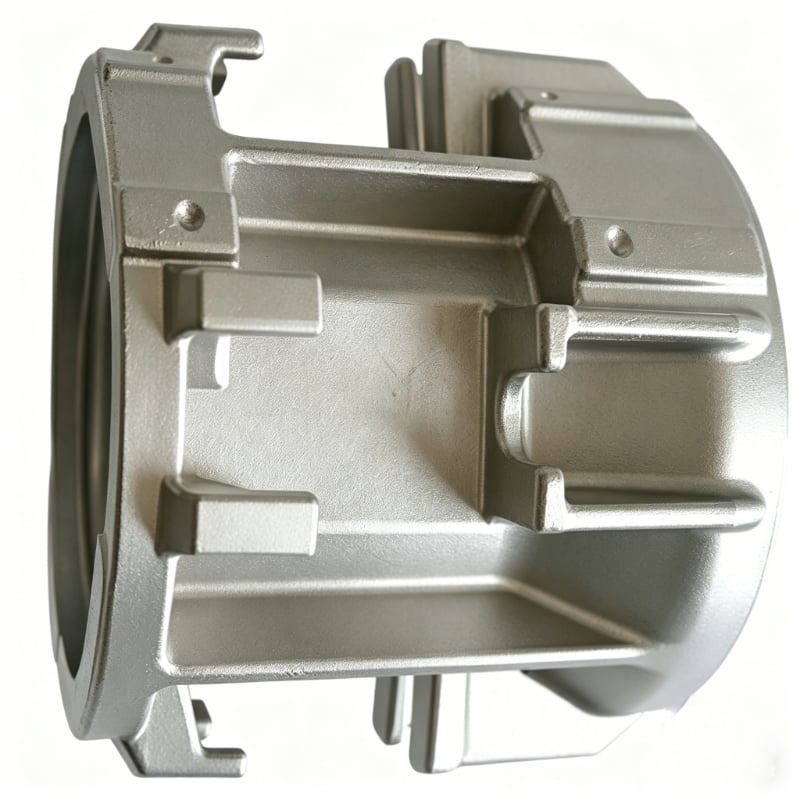
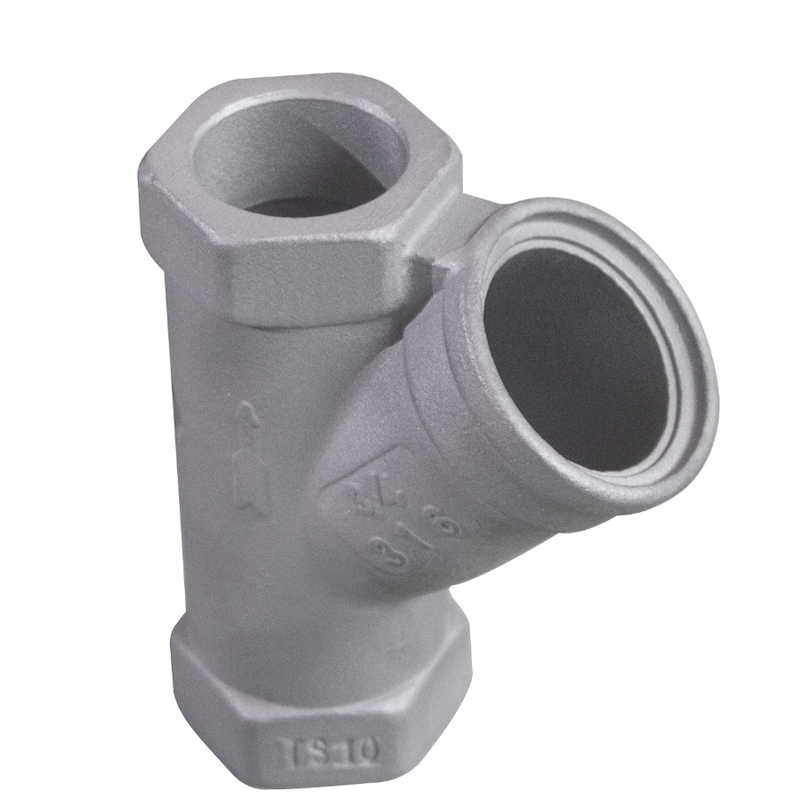
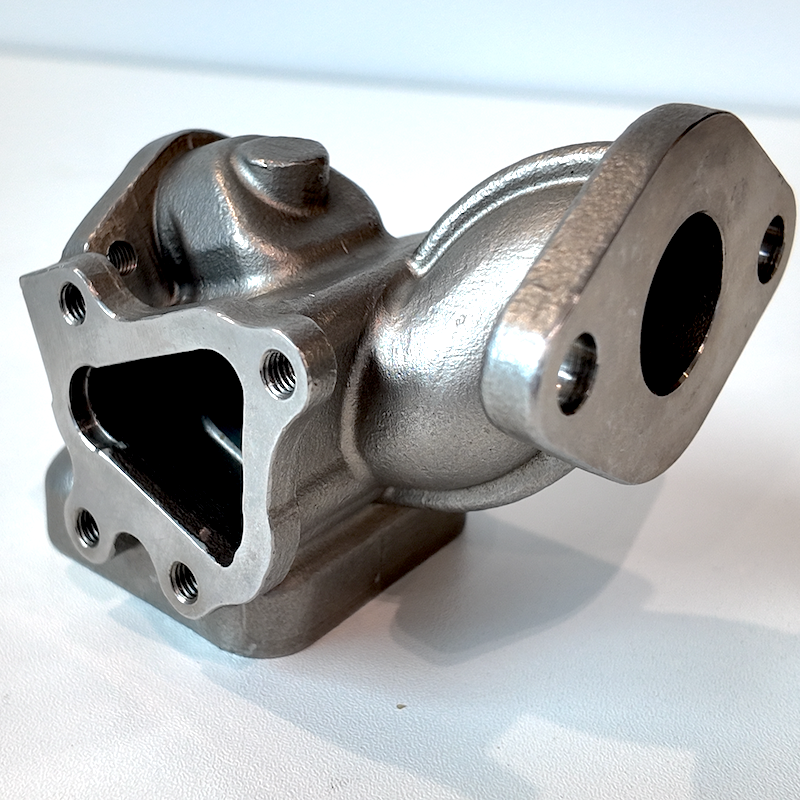
Kostnadseffektiviteten som ligger i produksjonen av nøyaktig støpte og bearbeidede komponenter gir betydelige økonomiske fordeler som strekker seg langt forbi den opprinnelige kjøpsprisen, og skaper verdi gjennom hele produktets levetid. Denne økonomiske effektiviteten starter med nær-netto-form-egenskapene til nøyaktig støping, som produserer komponenter som allerede er svært nære de endelige målene og dermed krever minimal fjerning av materiale. Tradisjonelle fremstillingsmetoder starter ofte med for store stavmaterialer eller platematerialer, for så å bearbeide bort betydelige mengder materiale for å oppnå den ønskede geometrien. Denne subtraktive prosessen spiller bort dyrt råmateriale, forbruker energi til fjerning av materiale, genererer kostnader for avhending av spåner og avfall, og krever lengre produksjonsløp. I motsetning til dette brukes materiale effektivt ved produksjon av nøyaktig støpte og bearbeidede komponenter, der støpeprosessen plasserer metall kun der det trengs i den ferdige komponenten. Integreringen av flere funksjoner og egenskaper i én enkelt nøyaktig støpt og bearbeidet komponent eliminerer kostnadene knyttet til flerdelsmonteringer. Konstruksjonsingeniører kan integrere monteringsfot, væskekanaler, forsterkningsribber og koblingsgrensesnitt direkte i støpningene i stedet for å fremstille monteringer fra flere deler som krever sveising, løding eller mekanisk festing. Denne delkonsolideringen reduserer materialkostnadene, eliminerer monteringsarbeid, minsker potensielle lekkasjepathways og forbedrer strukturell integritet. Færre deler forenkler også lagerstyringen, reduserer lagringsbehovet og forenkler logistikk i forsyningskjeden. Gjentageligheten og konsekvensen i produksjonen av nøyaktig støpte og bearbeidede komponenter reduserer kvalitetskostnadene gjennom hele produksjonsprosessen. Stabile fremstillingsprosesser opererer innenfor statistisk kontroll og produserer komponenter som konsekvent oppfyller spesifikasjonene uten variasjon som fører til avskrivninger, omproduksjon og inspeksjonskostnader. Automatiserte kvalitetsverifikasjonssystemer kan effektivt bekrefte overholdelse i stedet for å kreve tidkrevende individuelle inspeksjoner. Denne påliteligheten utvides til din egen produksjonsdrift, der konsekvent komponentkvalitet forhindrer monteringsproblemer, reduserer testkrav og minimerer garantikrav. Gevinster i produksjonseffektivitet bidrar vesentlig til kostnadseffektiviteten til nøyaktig støpte og bearbeidede komponenter. Kombinasjonen av støping og bearbeiding utnytter styrkene til hver prosess samtidig som begrensningene minimeres. Støping skaper effektivt komplekse tredimensjonale former som ville kreve omfattende bearbeidingstid dersom de ble fremstilt fra massivt materiale. Bearbeidingen polerer deretter bare de kritiske flatene som krever stramme toleranser, i stedet for å bearbeide hele komponenten. Denne optimaliserte prosessflyten reduserer produksjonstiden per komponent, slik at produsenter kan produsere høyere volumer med eksisterende utstyrskapasitet. Verktøyinvesteringer for nøyaktig støpte og bearbeidede komponenter gir utmerket langsiktig verdi, selv om de innledende kostnadene potensielt er høyere enn ved enklere prosesser. Verktøy for nøyaktig støping kan produsere tusenvis av komponenter før de må erstattes, noe som spreder verktøykostnadene over store produksjonsvolum. Den dimensjonelle konsekvensen som god verktøykvalitet gir reduserer behovet for inspeksjon per komponent og nesten eliminerer monteringsproblemer under montering. Langsiktige beregninger av totalkostnaden for eierskap favoriserer konsekvent nøyaktig støpte og bearbeidede komponenter når faktorer som forlenget levetid, reduserte vedlikeholdsbehov, lavere feilrate og redusert driftsstans tas riktig med i betraktningen. En komponent som koster moderat mer fra starten, men som varer betydelig lenger og krever mindre vedlikehold, gir langt bedre økonomisk verdi enn billigere alternativer som må byttes hyppig og genererer skjulte kostnader gjennom sin forkortede levetid.

 EN
EN