Kivételes méretbeli pontosság kritikus alkalmazásokhoz
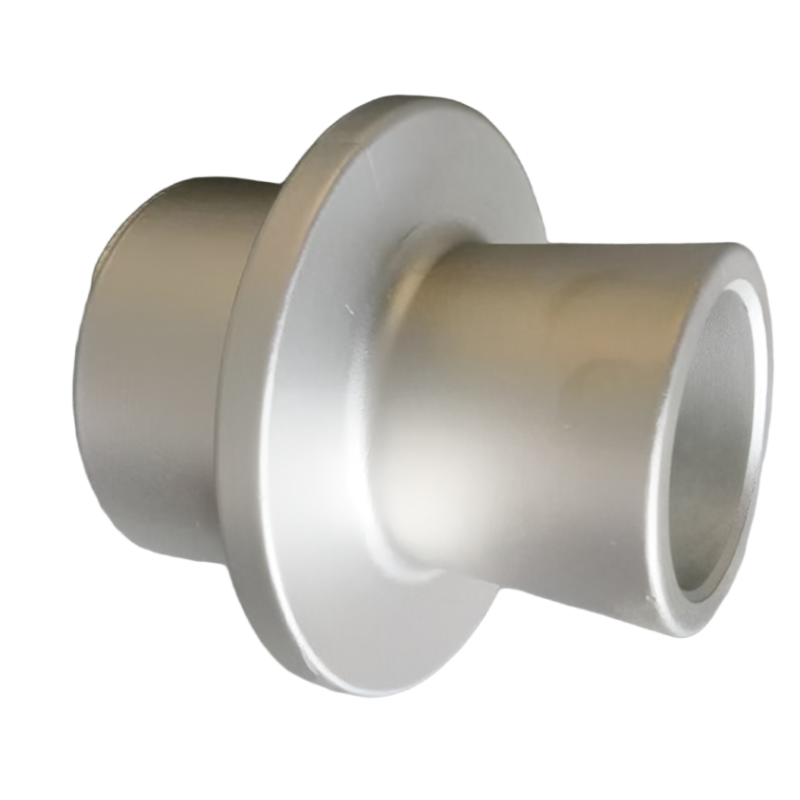
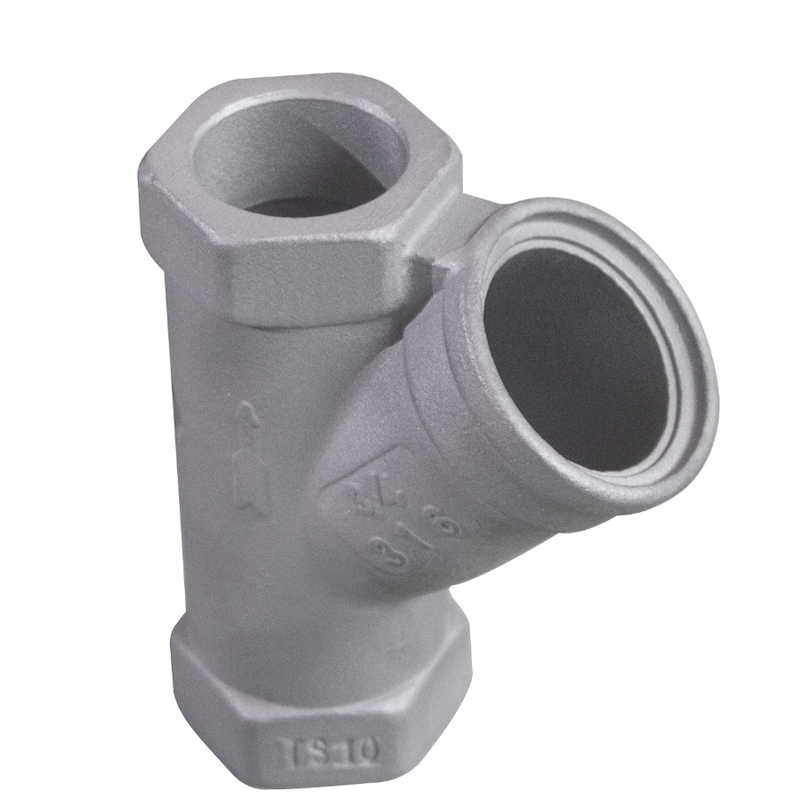
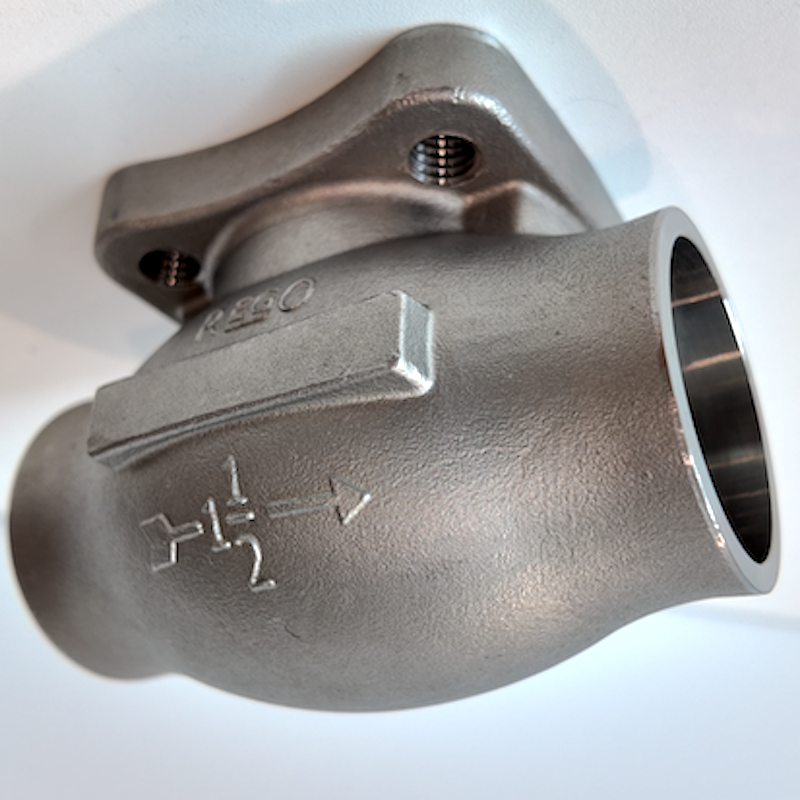
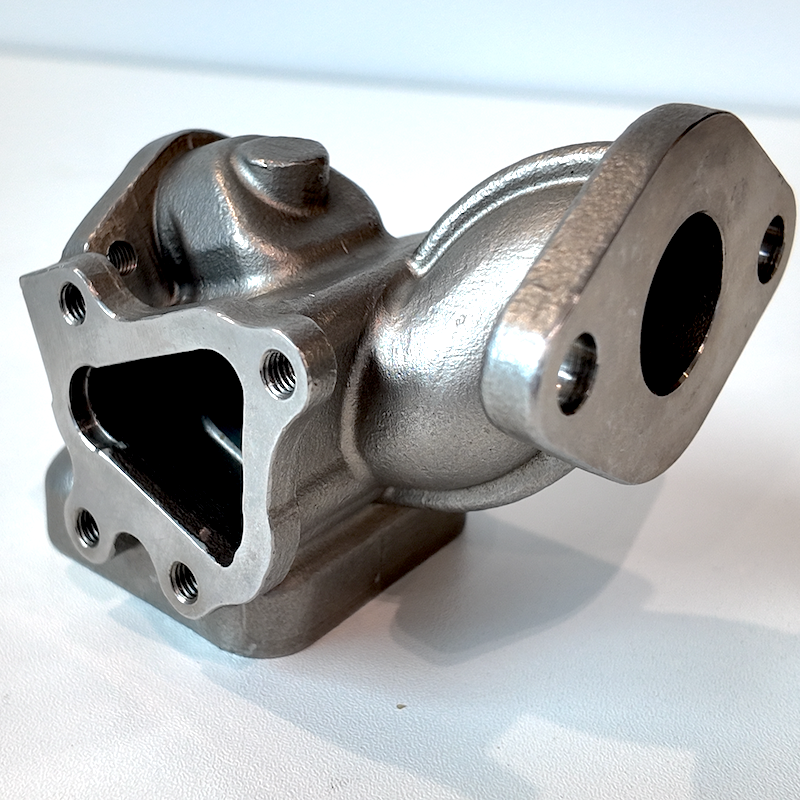
Az elvesztett viaszos öntés CNC-megmunkálással együtt olyan méretbeli tűréseket ér el, amelyek kielégítik a legkívánatosabb műszaki specifikációkat az iparágakban, ahol a pontosság közvetlenül befolyásolja a biztonságot és a teljesítményt. Az elvesztett viaszos öntési folyamat meghatározza az alapvető geometriát, és közel nettó alakú alkatrészt hoz létre, amelynek tipikus tűrései ±0,005–0,010 hüvelyk (127–254 µm), a rész méretétől és bonyolultságától függően. Ez az alapvető pontosság kiváló kiindulási alapot nyújt, de a valódi pontossági csodát a CNC-megmunkálási műveletek hozzák létre, amelyek kritikus felületeket és jellemzőket finomítanak akár ±0,0005 hüvelyk (12,7 µm) tűrésekig. Ez a pontossági szint különösen fontos a légiközlekedési alkalmazásokban, ahol a gázturbinák lapátjainak méreteinek rendkívül szűk határok között kell maradniuk a megfelelő rések és aerodinamikai hatékonyság biztosítása érdekében. Már a legkisebb eltérések is befolyásolhatják a motor teljesítményét, az üzemanyag-fogyasztását és az üzemeltetés biztonságát. A gyógyászati implantátumok egy másik területet jelentenek, ahol a méretbeli pontosság elkerülhetetlenül szükséges. A csípőprotézisek összetevői, a fogimplantátumok és a sebészeti eszközök pontos méretekre van szükségük a megfelelő illeszkedés, funkció és betegbiztonság érdekében. Az elvesztett viaszos öntés CNC-megmunkálással együtt ezt a pontosságot megbízhatóan biztosítja a gyártási sorozatokon át. A CNC-megmunkálási fázis kizárólag azokra a felületekre és jellemzőkre összpontosít, amelyek a legszorosabb tűréseket igénylik, miközben a többi területet a megöntött állapotában hagyja, így optimalizálja a pontosságot és a gyártási hatékonyságot egyaránt. A modern CNC-berendezések többtengelyes képességekkel rendelkeznek, lehetővé téve a bonyolult megmunkálási műveleteket, amelyek nehéz szögekhez férnek hozzá és bonyolult jellemzőket hoznak létre többszörös beállítás nélkül. Ez csökkenti a kezelést, minimalizálja a halmozódó pozicionálási hibákat, és fenntartja a méretbeli integritást az egész gyártási folyamat során. A minőségellenőrzési intézkedések zavartalanul integrálódnak az elvesztett viaszos öntés és a CNC-megmunkálás munkafolyamataiba. A koordináta-mérőgépek a különböző gyártási szakaszokban ellenőrzik a méreteket, és biztosítják, hogy az alkatrészek megfeleljenek a specifikációknak a következő műveletek megkezdése előtt. A statisztikai folyamatszabályozás a méretbeli tendenciákat figyeli, lehetővé téve a proaktív beavatkozásokat, amelyek fenntartják a konzisztenciát. Ez a pontossági előny nemcsak az egyedi méretekre, hanem a jellemzők közötti geometriai kapcsolatokra is kiterjed. A merőlegesség, párhuzamosság, koncentricitás és egyéb geometriai tűrések szorosan ellenőrzött állapotban maradnak, biztosítva, hogy az alkatrészek helyesen illeszkedjenek össze és úgy működjenek, ahogy tervezték. A komplex szerelések gyártásával foglalkozó gyártók számára ez a geometriai pontosság csökkenti az illesztési problémákat, kiküszöböli az időigényes korrekciókat, és javítja a végtermék minőségét.

 EN
EN